The Aircraft Is Ready, but the Engine Isn’t: Why the American F110 Has Become the Key to Turkey’s KAAN Fighter

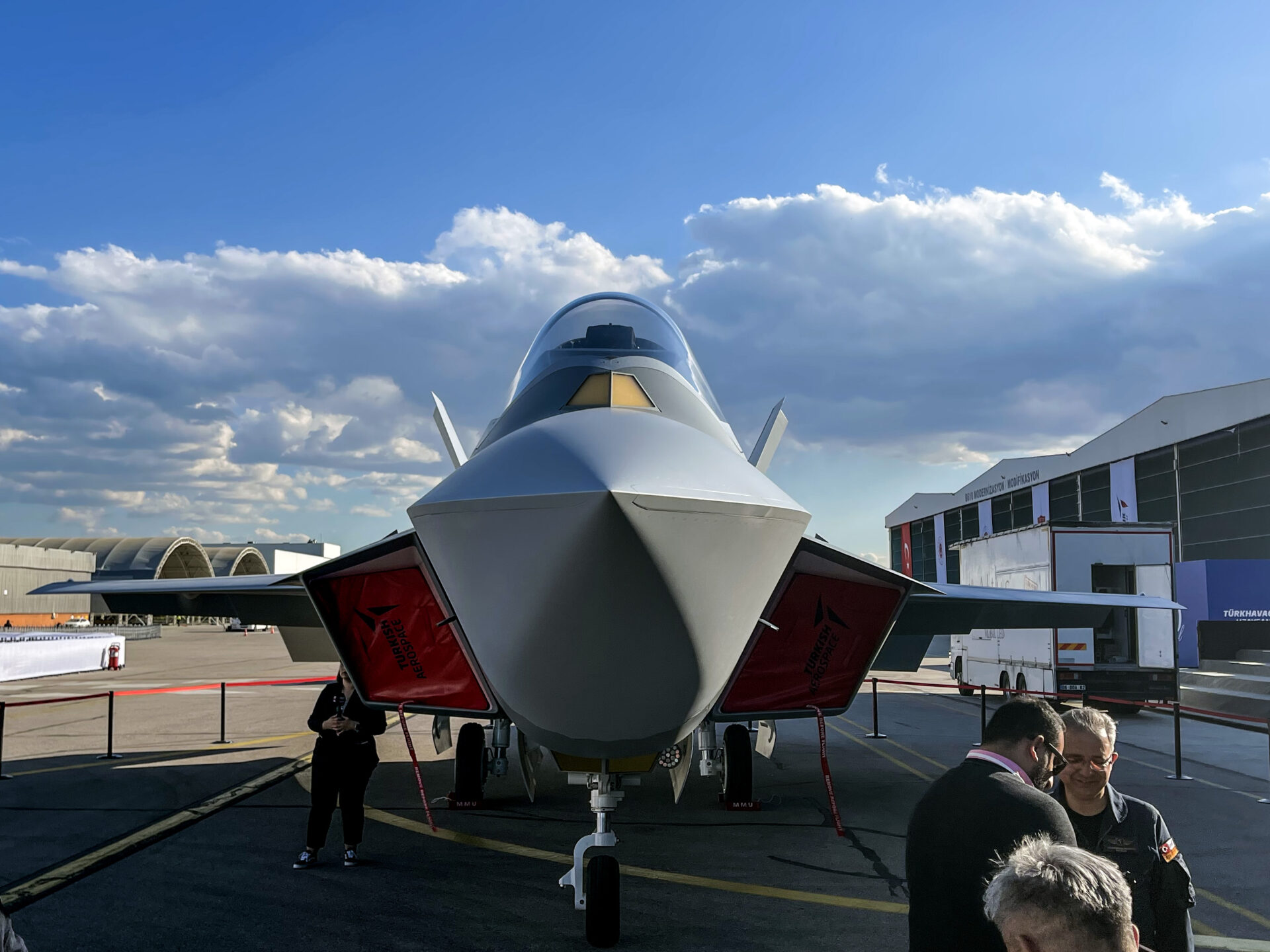
Designing a fifth-generation fighter is one of the most demanding engineering challenges in the world. Public attention usually focuses on stealth technology, advanced radars, artificial intelligence, or next-generation missiles. Yet recent experience has shown that the success of such programs often depends on a far less visible component—the aircraft engine.
That is precisely where one of the most significant chapters in the story of Turkey’s KAAN fighter is unfolding today. The administration of U.S. President Donald Trump is reportedly preparing to approve the sale of dozens of General Electric F110 afterburning turbofan engines to Turkey. If the deal goes ahead, it will remove one of the biggest obstacles preventing the serial production of Turkey’s first fifth-generation fighter aircraft. At the same time, the agreement represents more than a military contract—it also signals a gradual improvement in U.S.-Turkish relations after years of political tension.
Why the Engine Became the Biggest Challenge
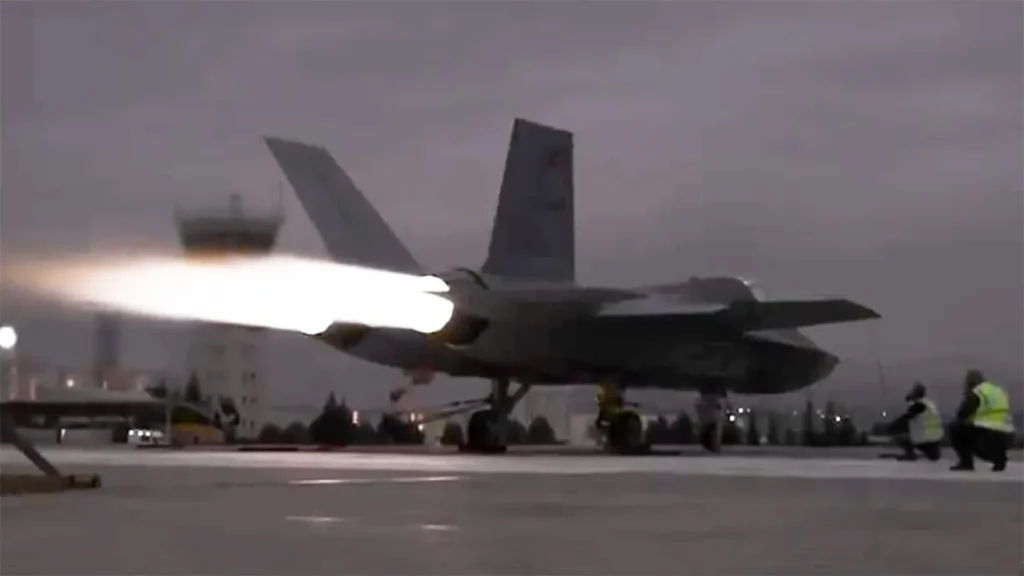
At first glance, an engine may seem like just another component of a modern combat aircraft.
In reality, it is widely regarded as one of the most difficult technologies in aerospace engineering.
Many countries are capable of designing an advanced airframe.
Far fewer can build a cutting-edge radar.
But only a handful of nations can develop a reliable afterburning turbofan capable of operating for thousands of hours while enduring turbine temperatures exceeding 1,500 degrees Celsius.
The challenge goes far beyond mechanical complexity.
A modern fighter engine combines dozens of advanced technologies: single-crystal turbine blades, sophisticated cooling systems, heat-resistant coatings, digital engine controls, high-efficiency compressors, and specialized materials whose development often requires decades of research.
This explains why even countries with mature aerospace industries frequently rely on imported engines for their most advanced aircraft.
What Makes the F110 So Important?

Turkey’s choice of the General Electric F110 is far from accidental.
Originally introduced during the 1980s as an alternative to the Pratt & Whitney F100 for the F-16 Fighting Falcon, the F110 has undergone continuous modernization over several decades. Today it remains one of the most reliable and widely used engines in its class.
Different variants of the F110 power aircraft such as the F-16 Fighting Falcon, F-15E Strike Eagle, F-15EX Eagle II, and several other combat platforms.
For the KAAN program, the engine offers another significant advantage.
Turkey’s aerospace industry already possesses decades of experience maintaining and producing certain F110 components thanks to its long-standing operation of the F-16 fleet. This familiarity greatly simplifies integration while reducing technical risks during the aircraft’s development.
Why KAAN Still Depends on American Engines
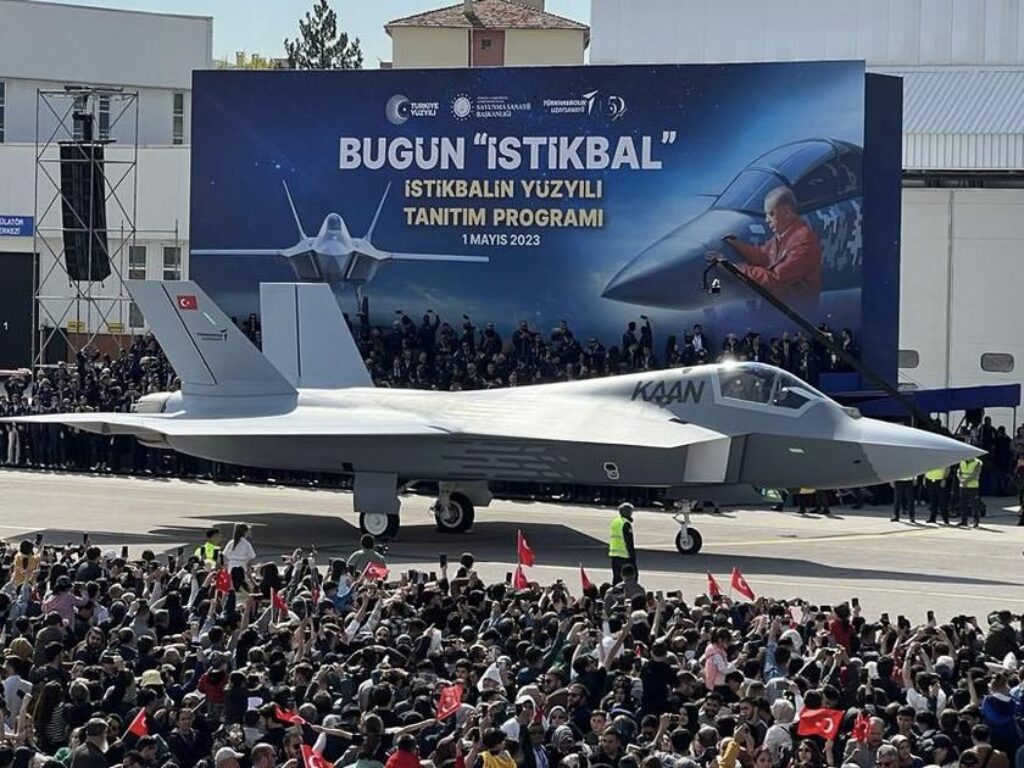
Turkey has spent several years working toward the development of an indigenous engine for its future fighter.
Programs such as the TEI TF35000 are intended to eventually replace imported powerplants entirely.
However, developing a fifth-generation fighter engine is not something that can be accomplished in only a few years.
Even if development proceeds successfully, the new Turkish engine must undergo years of testing to demonstrate durability, reliability, and performance suitable for a high-performance combat aircraft.
As a result, the first production batches of the KAAN are expected to fly with American-built F110 engines.
Only after Turkey’s domestic engine program reaches maturity is the indigenous powerplant expected to replace the imported engines.
Politics Matters as Much as Technology
The story of the KAAN engine demonstrates how closely military technology and international politics have become intertwined.
Relations between Ankara and Washington deteriorated sharply after Turkey purchased Russian S-400 air defense systems. Turkey was subsequently removed from the F-35 Joint Strike Fighter program, and numerous defense cooperation projects were suspended.
Against that background, approval of the F110 engine sale is widely viewed as an important sign of improving defense cooperation between two NATO allies.
At the same time, the proposed engine agreement should not be interpreted as an automatic step toward Turkey’s return to the F-35 program. Those issues remain separate and continue to involve significant political disagreements.
The Engine as a Symbol of Technological Independence
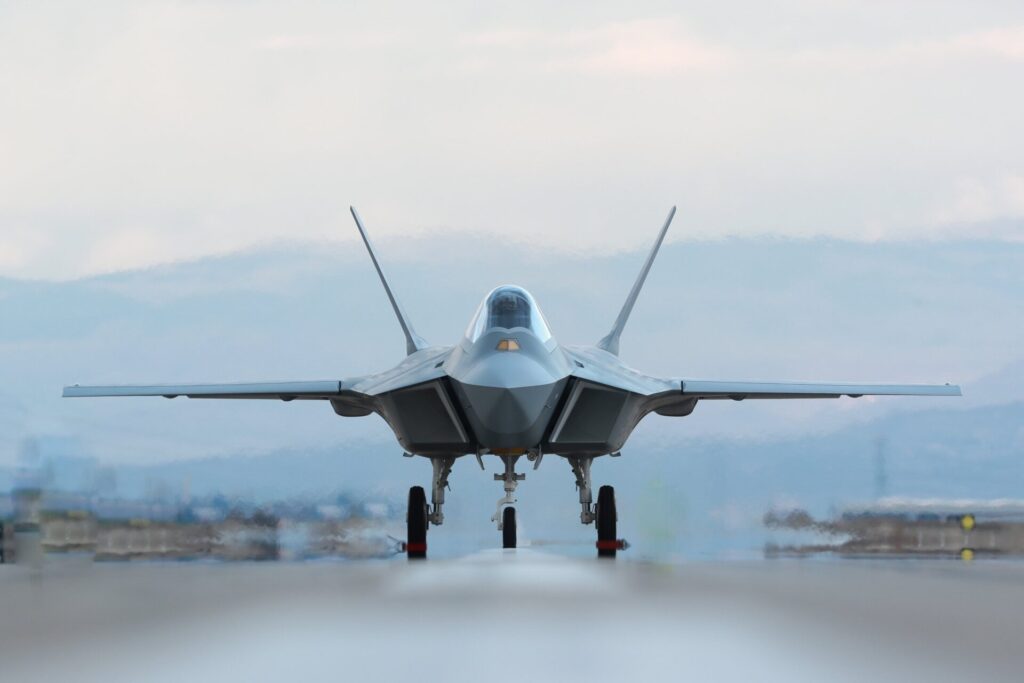
The KAAN program illustrates one of the defining realities of modern aerospace engineering.
Today, designing an advanced fighter aircraft is, in many respects, easier than developing the engine that powers it.
This explains why several ambitious fighter programs—including South Korea’s KF-21 Boramae and India’s AMCA—also rely on foreign engines during their early stages of development.
For Turkey, the American F110 represents a bridge between the present and the future.
It allows the KAAN to enter production within the coming years while giving Turkish engineers additional time to complete a fully indigenous powerplant.
If that strategy succeeds, Turkey will join a very small group of nations capable of designing not only advanced combat aircraft, but also the highly sophisticated engines that power them.
For many aerospace experts, mastering jet engine technology remains the ultimate measure of an independent and mature aviation industry.