
Germany Moves to Reinforce Its Navy: Saab Wins $900 Million Combat Systems Contract for New MEKO A-200DEU Frigates

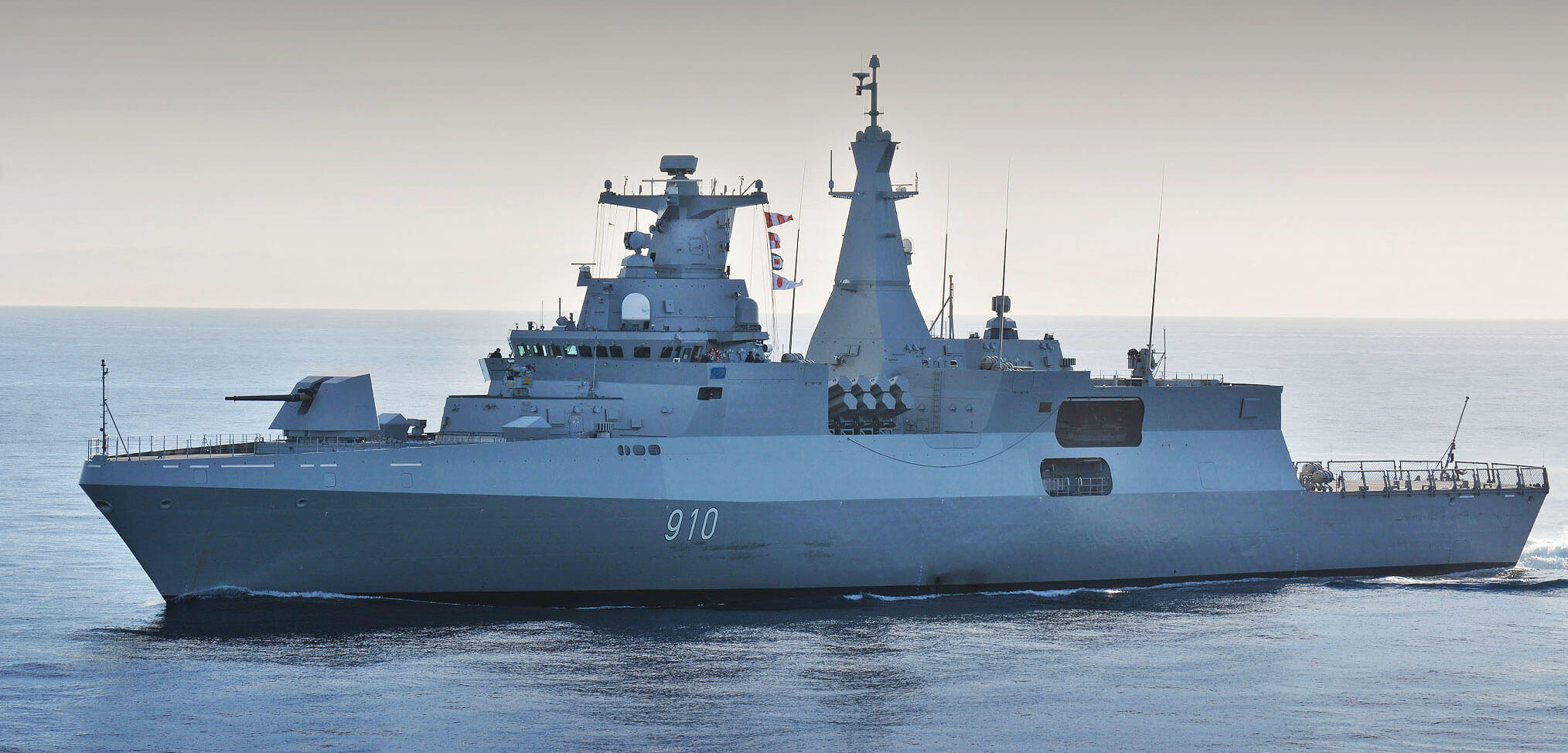
As Germany’s ambitious F126 frigate program continues to face delays and technical challenges, Berlin has decided it can no longer afford to wait. Instead, the German government is moving forward with the construction of four MEKO A-200DEU frigates, selecting a proven design to fill the capability gap. Swedish defense company Saab has now secured a contract worth approximately $900 million to supply the combat management systems for the new ships.
The decision highlights just how seriously Germany views the delays affecting one of its most important naval modernization programs.
When Delays Become a National Security Issue
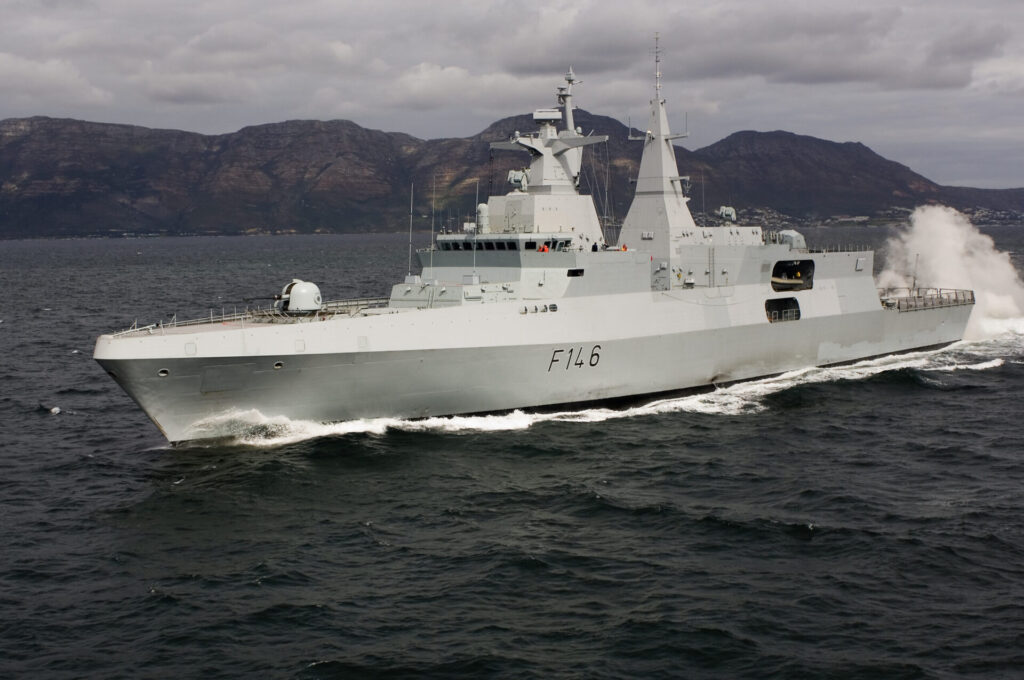
The F126 program was originally intended to become the backbone of the German Navy for decades to come, replacing the aging F123 Brandenburg-class frigates with a new generation of highly capable multi-role warships.
Reality, however, proved far more complicated.
The project has encountered significant technical and organizational obstacles, including software integration challenges, coordination between multiple shipbuilders, and the integration of increasingly complex onboard systems. As a result, construction schedules have slipped, and the delivery of the first vessels has become increasingly uncertain.
For a country that is rapidly increasing defense spending while assuming greater responsibilities within NATO, such delays are difficult to accept.
Rather than waiting indefinitely for the F126 program to mature, Germany has chosen a lower-risk solution: a modernized version of the already proven MEKO A-200 frigate.
Why Germany Chose the MEKO Platform
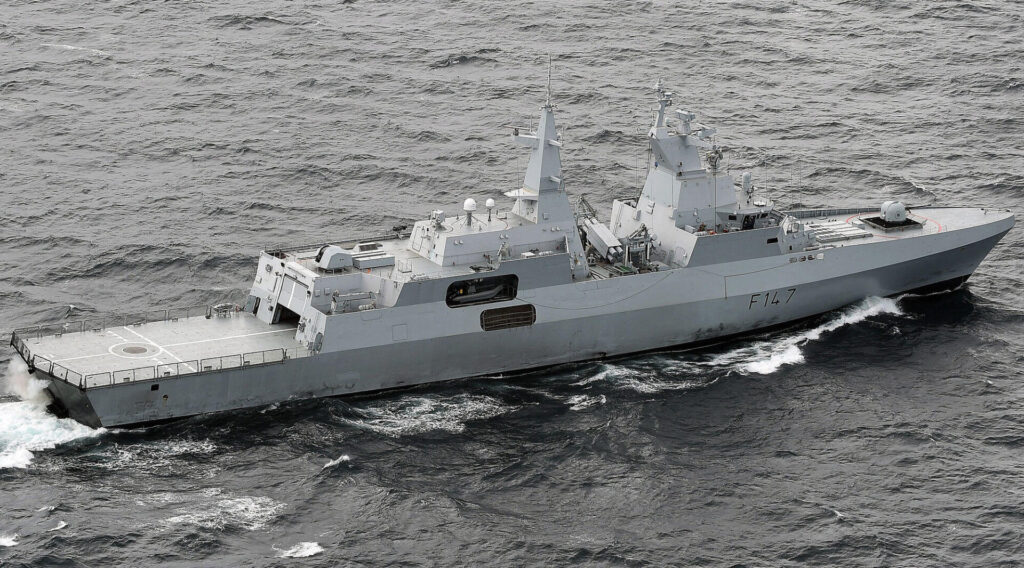
Unlike the F126, which represents an entirely new design, the MEKO A-200 is a mature platform with years of operational experience in several navies around the world.
For the German Navy, the design has been adapted into the MEKO A-200DEU, incorporating national requirements while maintaining compatibility with existing German naval standards.
Its greatest advantage is reduced technical risk.
Instead of introducing another completely new warship, Germany is investing in a platform whose hull, propulsion system, and overall architecture have already been extensively tested.
This approach significantly shortens development time while reducing the likelihood of costly delays.
Saab Will Provide the Digital Heart of the Ships
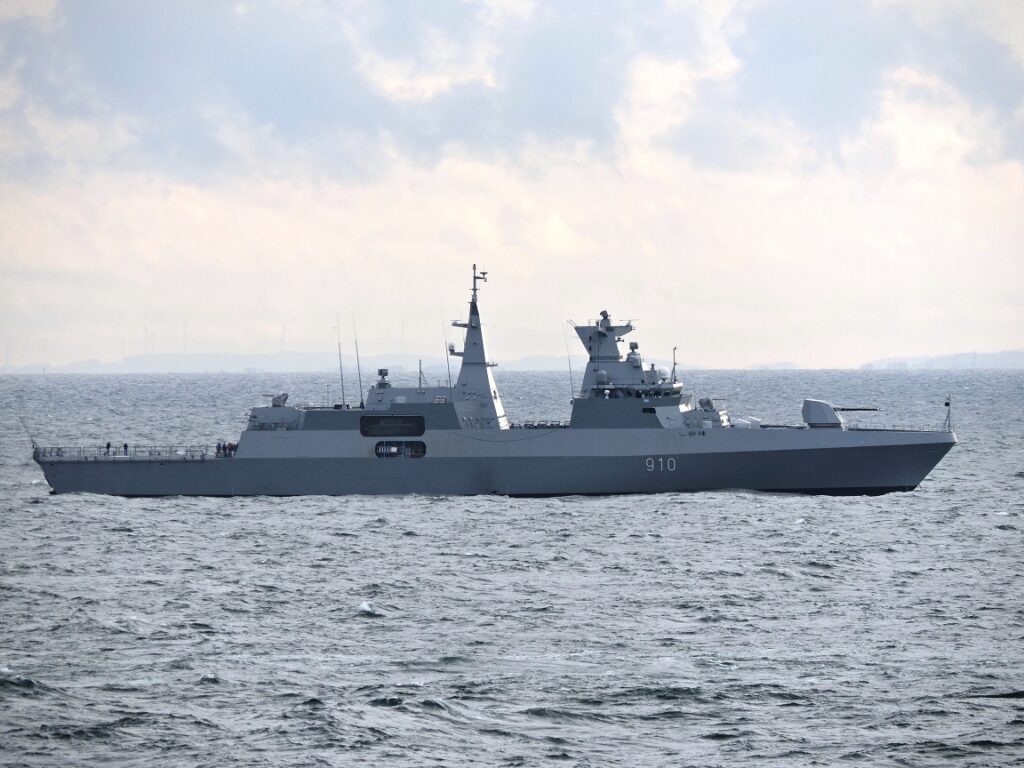
The hull is only part of a modern warship.
What truly determines a vessel’s combat effectiveness is its Combat Management System (CMS)—the software and hardware that connects sensors, weapons, communications, and tactical decision-making into a single integrated network.
This is where Saab enters the picture.
Under the new contract, the Swedish company will deliver the integrated combat management system that will serve as the operational brain of all four frigates.
The package includes:
- Combat Management System integration;
- sensor fusion;
- weapons control;
- artillery coordination;
- tactical communications;
- networking with other naval and NATO assets;
- support for air defense and anti-submarine warfare operations.
In practice, Saab’s CMS transforms dozens of independent systems into a single coordinated combat platform capable of reacting to threats within seconds.
What We Know About the MEKO A-200DEU
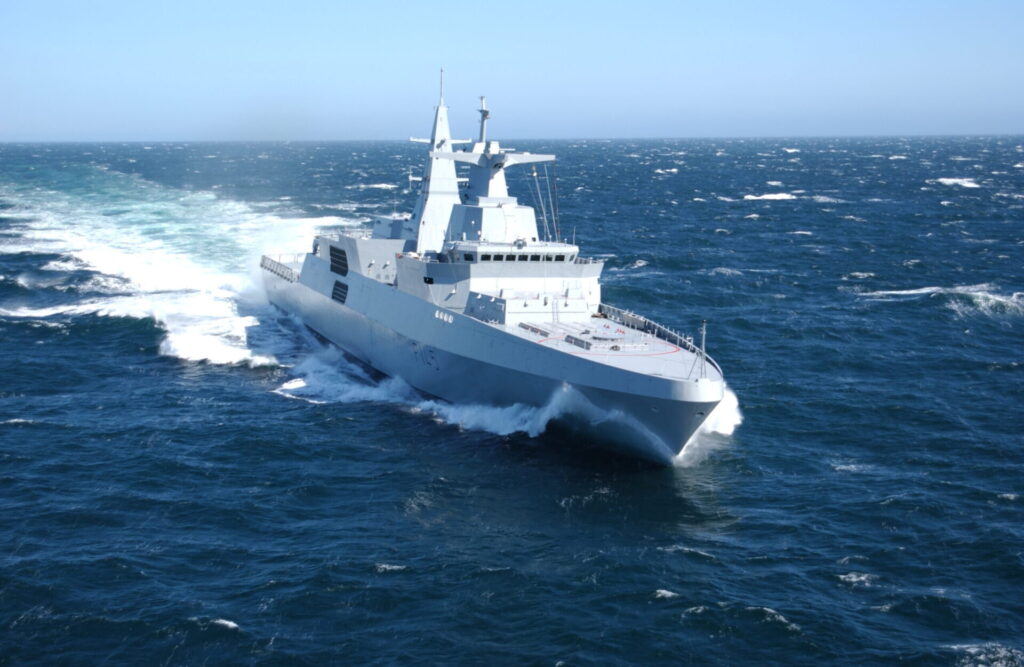
Estimated Specifications
| Type | Multi-role frigate |
| Displacement | Approximately 3,950 tons |
| Length | 121 m |
| Maximum speed | Up to 29 knots |
| Crew | 125 personnel (+49 additional mission staff) |
| Propulsion | CODAG-WARP |
| Aviation facilities | NH90 helicopter and UAVs |
| Combat Management System | Saab integrated CMS |
| Planned entry into service | Beginning in 2029 |
The final weapons package has not yet been officially disclosed.
However, the frigates are expected to feature modern air-defense capabilities, anti-submarine warfare systems, advanced communications equipment, and a high level of automation designed to reduce crew workload.
Why Saab Was the Logical Choice
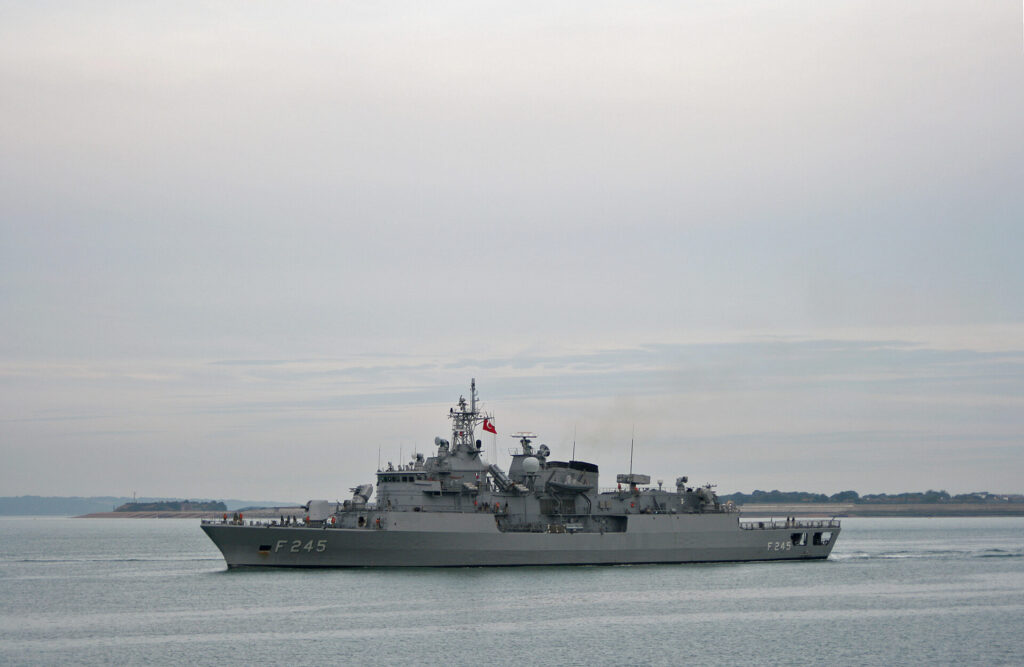
For naval analysts, Saab’s selection comes as little surprise.
The Swedish company has built a strong international reputation in naval combat management systems, with its technology already serving aboard numerous warships operated by Sweden and several export customers across Europe, Asia, and Australia.
One of Saab’s biggest strengths is its open architecture.
Its CMS is specifically designed to integrate equipment from multiple manufacturers without requiring an entirely new software environment.
That flexibility has become increasingly valuable as modern warships routinely combine American missiles, European radars, domestic communications equipment, and other multinational systems into a single combat network.
A Temporary Solution That May Last Much Longer
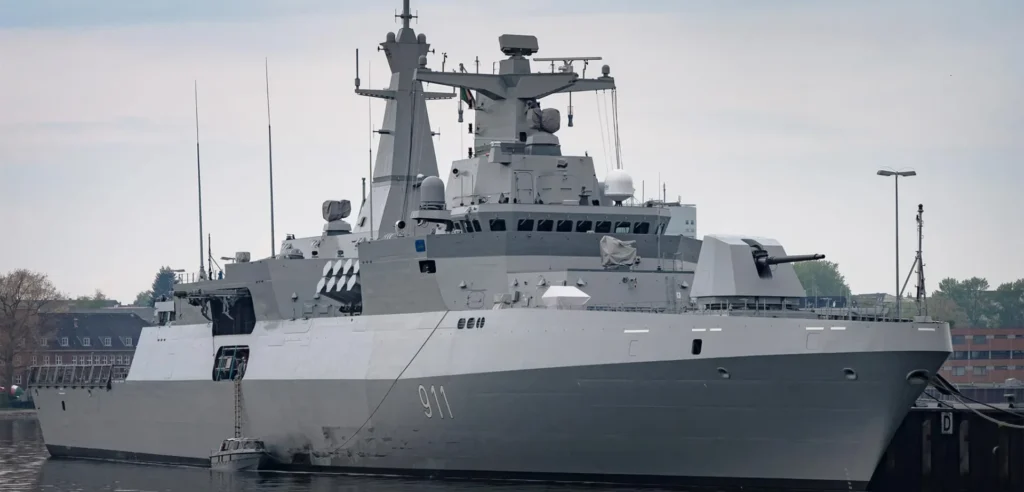
Officially, the MEKO A-200DEU program is intended as an interim solution until the delayed F126 frigates eventually enter service.
History, however, suggests that “temporary” military solutions often remain operational for decades.
Should the new frigates prove reliable, cost-effective, and easier to maintain, they could ultimately become a long-term component of Germany’s surface fleet.
Their modular architecture also makes future upgrades considerably simpler than designing an entirely new class of warships from scratch.
More Than Just Another Naval Contract
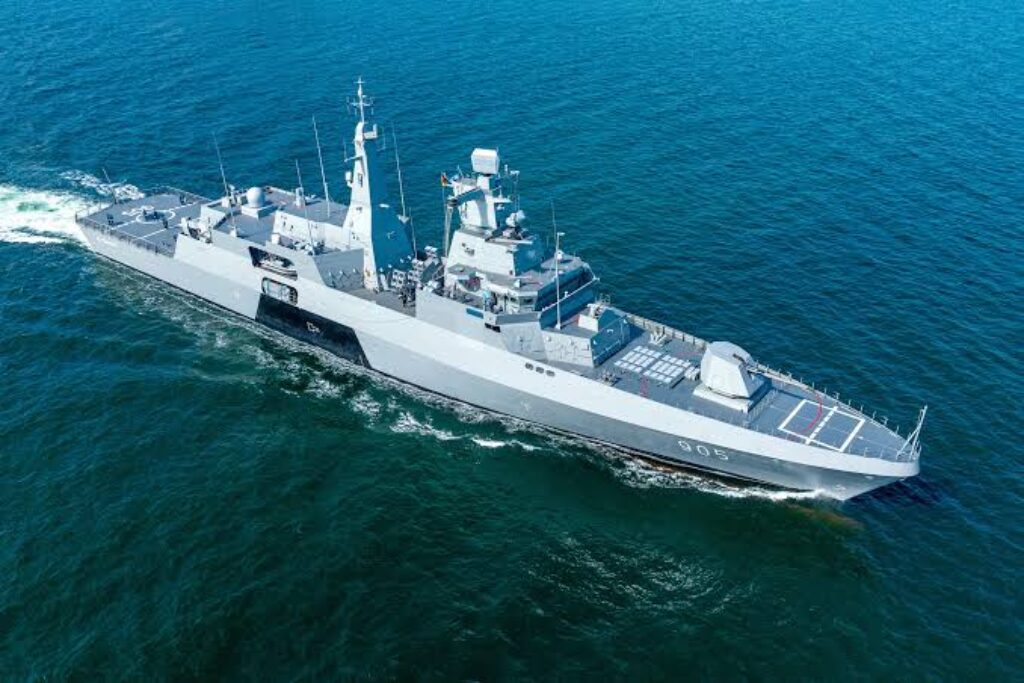
The Saab agreement represents far more than the purchase of combat electronics.
It reflects several broader trends shaping modern naval procurement.
First, Germany has demonstrated that it is no longer willing to wait indefinitely for troubled defense programs to recover.
Second, European navies are increasingly favoring mature, lower-risk platforms that can be delivered more quickly instead of pursuing highly ambitious but lengthy development programs.
Finally, the contract highlights an important reality of modern naval warfare.
Today’s warships are becoming software-defined combat systems.
While missiles, guns, and radars remain essential, it is the combat management system that determines how effectively those weapons operate together.
In many respects, the nearly $900 million contract is an investment not simply in four new frigates, but in the digital brain that will coordinate sensors, prioritize threats, control weapons, and integrate the ships into NATO’s increasingly network-centric maritime operations.






