

The Soviet Union Built Many Strange Machines — But Some Remain Almost Invisible
The Cold War generated entire categories of military technology that still remain shrouded in secrecy.
Experimental submarines, deep-sea systems, underwater reconnaissance platforms, covert sabotage vehicles — both NATO and the Soviet Union invested enormous resources into projects that rarely appeared in public even decades later.
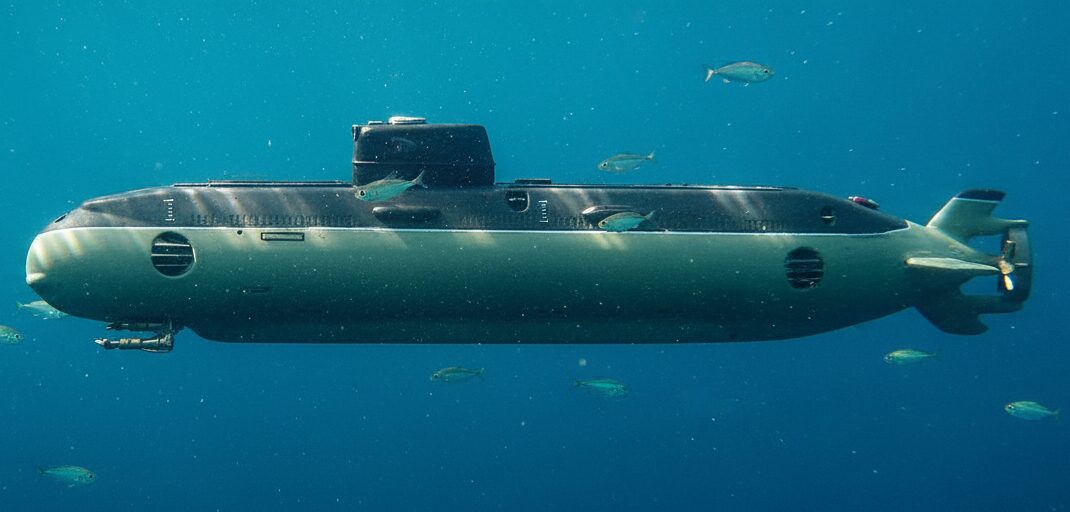
Among these mysterious programs stands Project 1851 “Nelma.”
Even today, information about it remains fragmented, contradictory, and often speculative. And that alone makes the project remarkable: the Soviet Union collapsed more than thirty years ago, yet parts of the story are still hidden behind layers of classification and uncertainty.
A Project Born in the Shadow World of Underwater Warfare
The Cold War beneath the oceans was often quieter — but no less dangerous — than the confrontation on land.
Submarines became the backbone of nuclear deterrence, underwater communication cables gained strategic importance, and deep-sea reconnaissance evolved into an entirely new form of military competition.
In this environment, special-purpose submarines acquired enormous value.
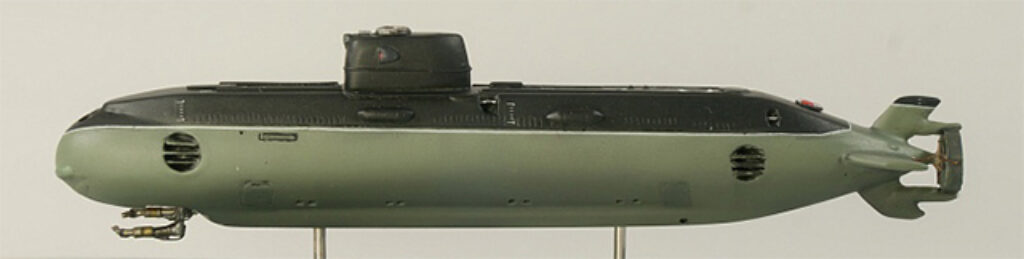
Project 1851 “Nelma” is generally believed to have belonged precisely to this category: a highly specialized underwater platform connected to covert operations, deep-sea missions, or classified naval tasks. (deepstorm.ru)
But this is where certainty begins to fade.
What Was “Nelma” Supposed to Be?
Publicly available information about Project 1851 remains extremely limited.
Most researchers believe the project was linked to deep-sea special operations and operated under the control of Soviet naval intelligence or the Main Directorate of Deep-Sea Research — the highly secretive organization known today as GUGI. (hisutton.com)
According to scattered reports, “Nelma” may have been designed as a small nuclear-powered special-purpose submarine capable of operating at great depths while supporting intelligence missions, underwater reconnaissance, or work on critical seabed infrastructure. (deepstorm.ru)
Unlike conventional attack submarines, such vessels were not built for torpedo battles.
They were built for secrecy.
The War for the Ocean Floor
One of the most important — and least discussed — aspects of the Cold War was the struggle for control of underwater information networks.
Communication cables, sonar systems, tracking arrays, and underwater infrastructure became strategic assets. The United States famously conducted operations such as Ivy Bells, secretly tapping Soviet underwater communication lines. (nsa.gov)
The Soviet Union almost certainly pursued similar capabilities.
This is one reason why projects like “Nelma” remain so intriguing. Such submarines may have been intended not for conventional naval warfare, but for operations involving:
- underwater reconnaissance;
- cable interception;
- deployment of deep-sea systems;
- recovery of classified equipment;
- sabotage or protection of underwater infrastructure.
In many ways, this was the beginning of the underwater infrastructure warfare that has once again become highly relevant in the 21st century.
Why So Much Is Still Secret
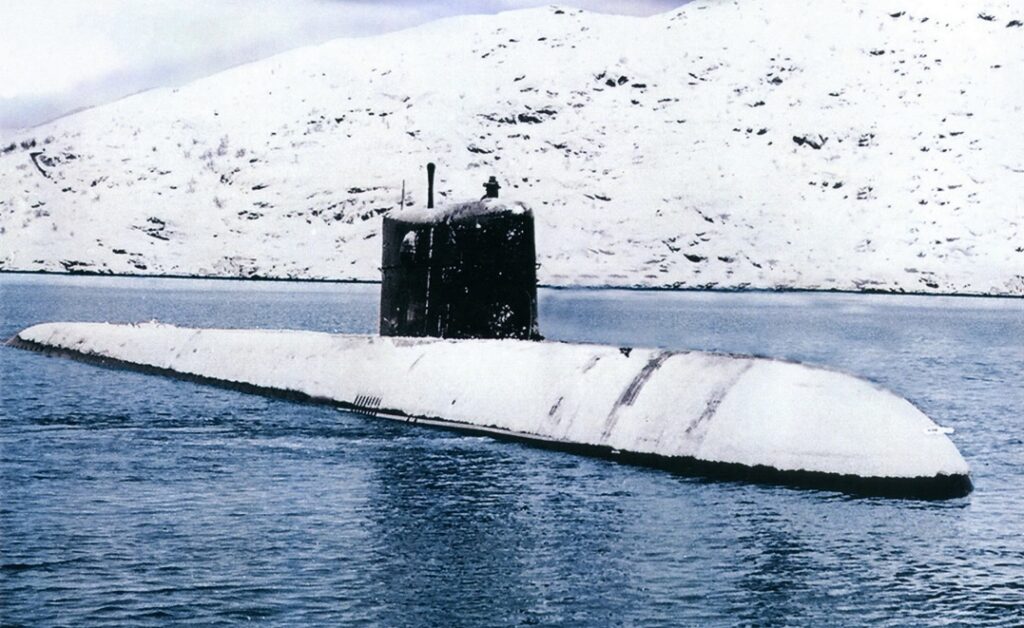
The secrecy surrounding Project 1851 is not accidental.
Unlike many Cold War weapon systems that became obsolete after the Soviet collapse, deep-sea special operations remain strategically relevant today. Modern Russia still operates highly classified underwater systems through GUGI and related organizations. (hisutton.com)
This continuity matters.
If “Nelma” introduced technologies, operational concepts, or engineering solutions still connected to modern Russian underwater programs, full disclosure may remain politically and militarily undesirable.
In other words, some Cold War secrets may still be active secrets.
The Shadow Fleet Beneath the Soviet Navy
Projects like “Nelma” reveal that the Soviet Navy effectively possessed two different underwater worlds.
The public one consisted of ballistic missile submarines, attack submarines, and conventional naval forces. These vessels appeared in intelligence reports, naval parades, and strategic discussions.
But beneath that visible fleet existed another layer: special-purpose submarines, deep-sea stations, intelligence platforms, and covert engineering vessels operating almost entirely outside public awareness.
Project 1851 appears to belong to this hidden fleet.
And that makes it far more mysterious than ordinary submarines.
Cold War Technology That Feels Modern Again
What makes “Nelma” especially interesting today is how contemporary its mission profile appears.
In recent years, underwater infrastructure has become a major geopolitical concern once again. Communication cables, pipelines, offshore energy systems, and seabed monitoring networks are now treated as vulnerable strategic targets. (csis.org)
This has revived interest in deep-sea special operations capabilities — exactly the kind of missions projects like “Nelma” may have been designed for decades ago.
In this sense, the project no longer feels like a relic of the Cold War.
It feels like an early version of the future.
The Submarine We Still Know Almost Nothing About
The most fascinating thing about Project 1851 may simply be how little is truly known.
No famous combat missions. No detailed technical disclosures. No complete public history.
Only fragments.
And sometimes, in military history, those fragments are more revealing than official archives. They suggest the existence of entire hidden layers of technological competition that operated beyond public visibility.
Project 1851 “Nelma” remains one of those shadows from the Cold War — a reminder that some of the most important battles of that era may have happened silently, deep beneath the ocean surface.






