
Turkey’s KAAN Takes Another Step Toward Production as Second Prototype Begins Taxi Trials

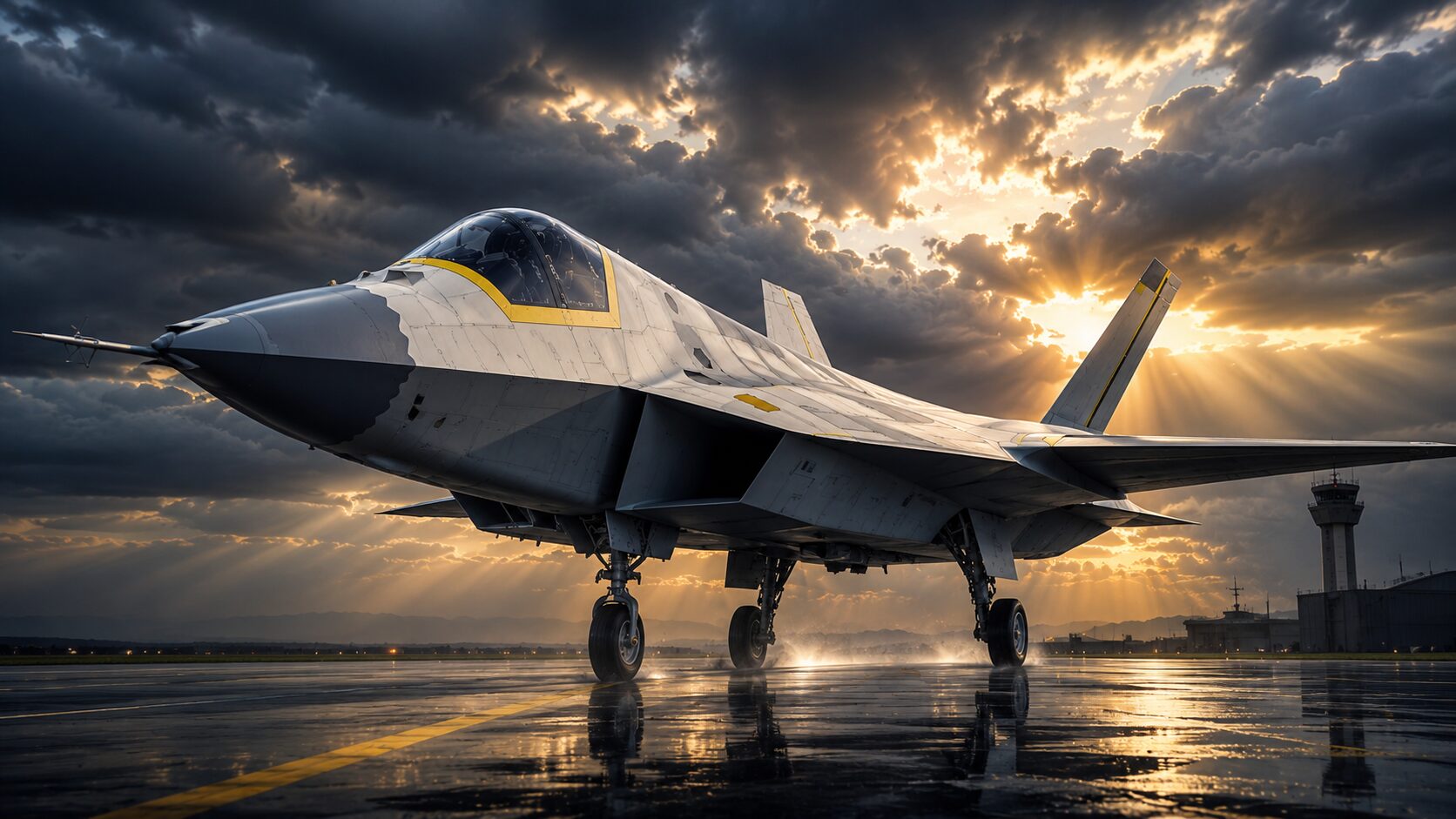
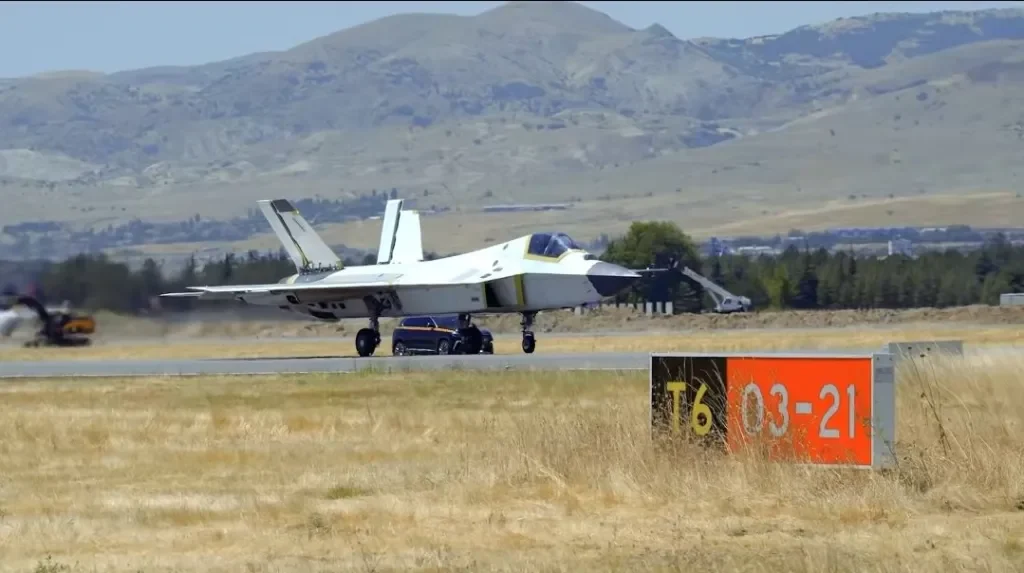
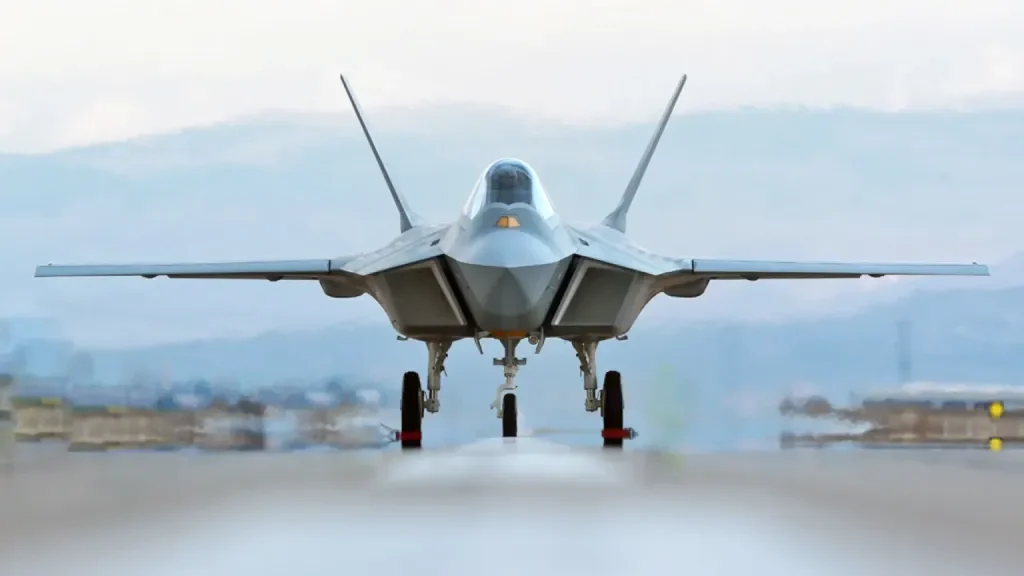
Turkey’s fifth-generation fighter program continues to gain momentum. The second flight prototype of the KAAN fighter, designated P1, has officially begun engine-powered taxi tests. This milestone represents one of the final major stages before the aircraft’s maiden flight and demonstrates that the program is steadily evolving from a technology demonstrator into a comprehensive multi-prototype flight test campaign.
For Turkey, this marks another significant achievement. While the first prototype primarily served to prove the aircraft’s fundamental design, the newer airframes incorporate lessons learned from early testing and are expected to accelerate the entire development process.
From a Single Prototype to a Full Test Fleet
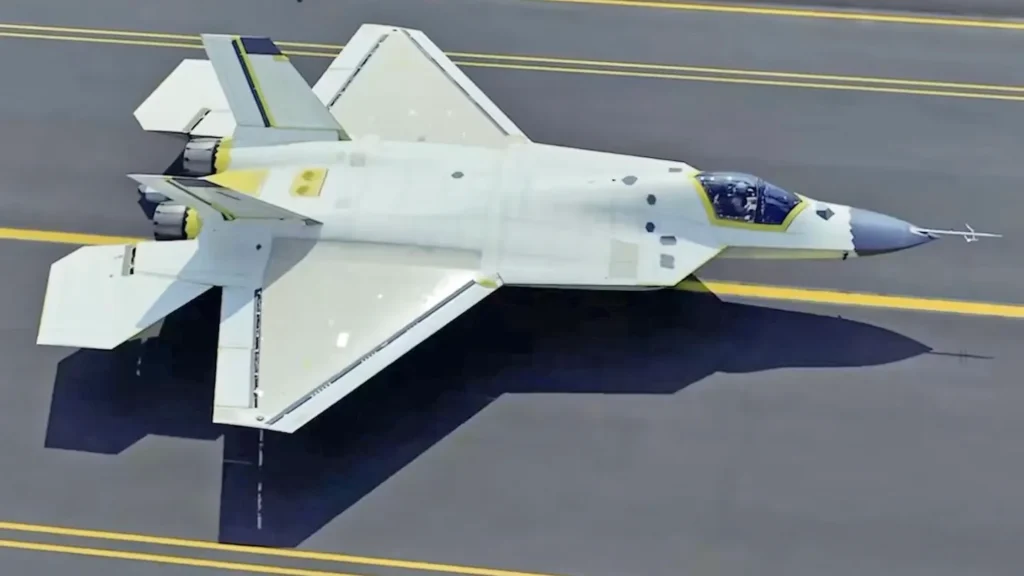
The first KAAN prototype made its maiden flight in February 2024, remaining airborne for approximately thirteen minutes. A second test flight later confirmed the aircraft’s basic flight characteristics and the functionality of its primary systems.
Following those successful flights, Turkish Aerospace shifted its focus toward manufacturing additional prototypes, designated P1 and P2.
During Farnborough International Airshow 2026, the company publicly displayed several new aircraft from the program for the first time. According to Turkish Aerospace, these new prototypes incorporate numerous structural refinements and a significantly higher level of onboard system integration than the original demonstrator.
The P1 aircraft has now entered its taxi testing phase.
Why Taxi Tests Matter
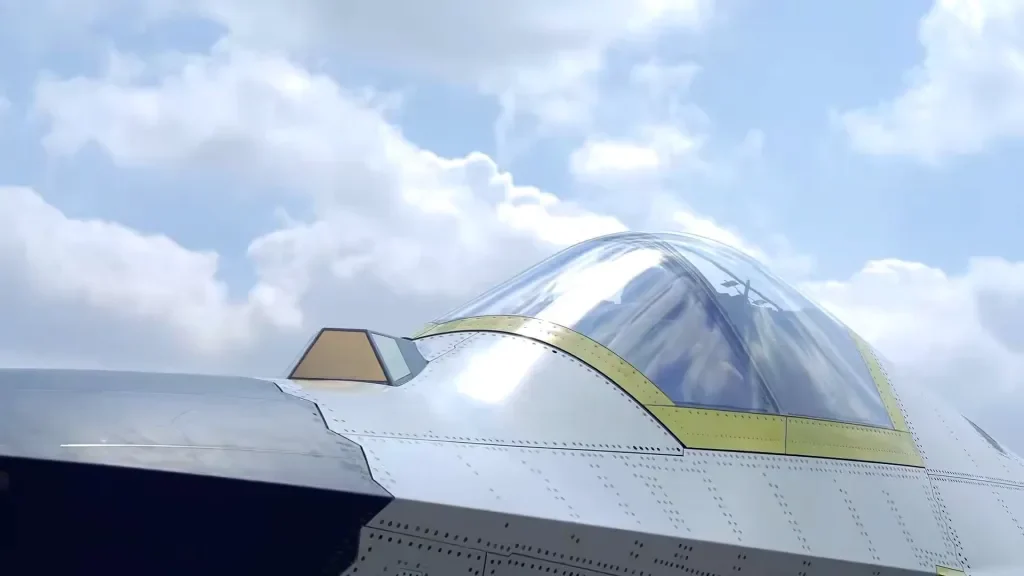
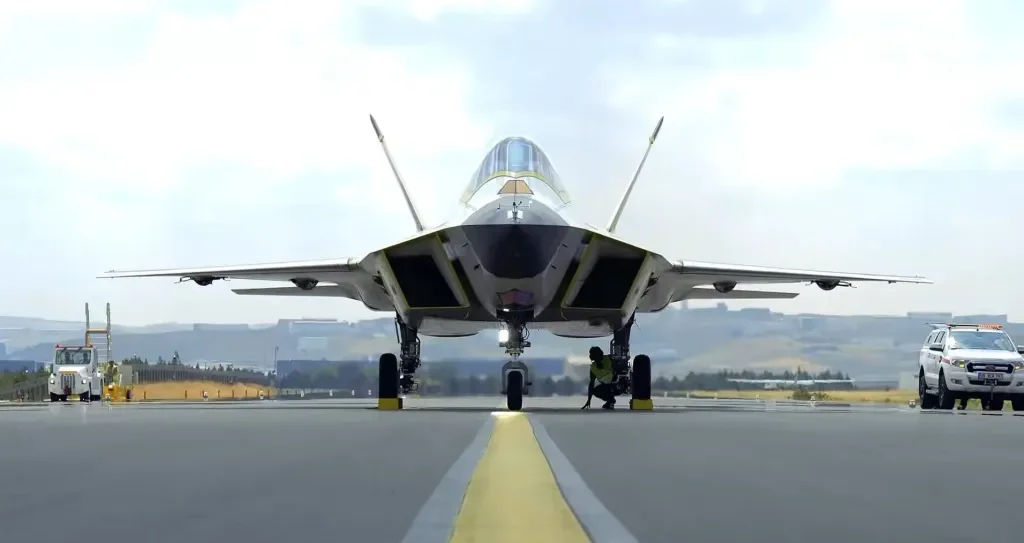
To casual observers, an aircraft slowly moving across a runway may not appear particularly exciting.
In reality, taxi trials are among the most important stages of any aircraft development program.
Engineers use these tests to verify numerous critical systems before allowing an aircraft to leave the ground.
During taxi testing they evaluate:
- Engine performance
- Brake effectiveness
- Nose-wheel steering
- Aircraft stability at various taxi speeds
- Hydraulic systems
- Avionics integration
- Flight-control functionality
Only after these systems perform as expected can the aircraft proceed to high-speed runway runs and eventually its maiden flight.
For every modern combat aircraft, this is an essential step toward certification.
How P1 Differs from the First Prototype
Although Turkish Aerospace has revealed only limited technical details, the company has confirmed that the second and third prototypes include numerous improvements compared to the original aircraft.
Industry observers believe many of these modifications result directly from data collected during the first flight-test campaign.
Unlike the initial demonstrator—which primarily focused on validating the aircraft’s aerodynamic configuration—the newer prototypes reportedly feature a much more complete avionics suite and additional mission systems approaching production standards.
This development strategy closely follows the approach used in other fifth-generation fighter programs.
The first aircraft validates the basic airframe.
Later prototypes gradually evolve toward the final production configuration.
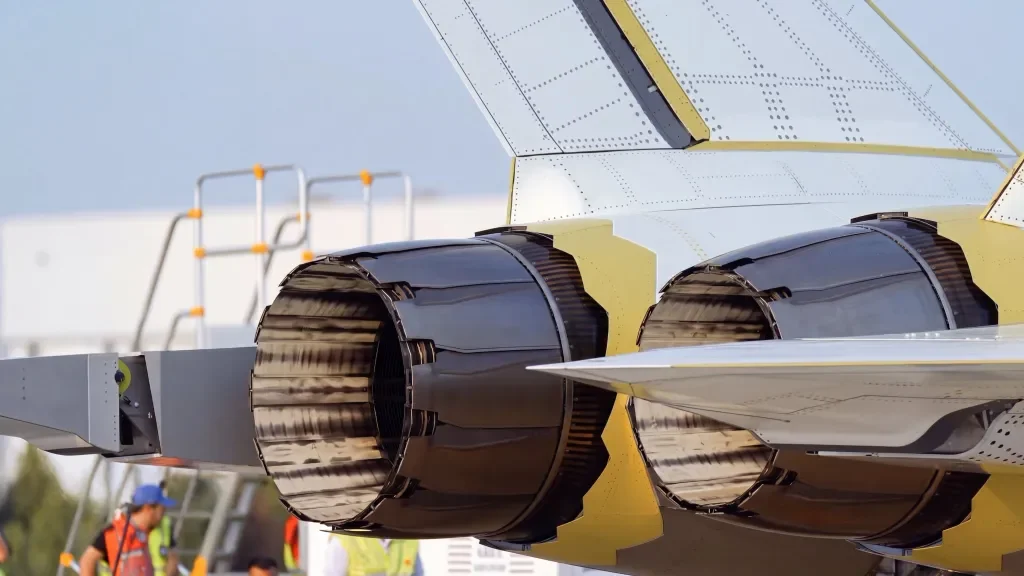
Still Powered by American Engines
Despite Turkey’s long-term objective of achieving complete domestic production, current KAAN prototypes continue to rely on the General Electric F110 turbofan engines already used by the Turkish Air Force’s F-16 fleet.
At the same time, Turkey is actively developing an indigenous engine specifically designed for KAAN.
Work on the domestic powerplant is progressing alongside flight testing, although it is expected to enter service only during later phases of the program.
What KAAN Is Designed to Do
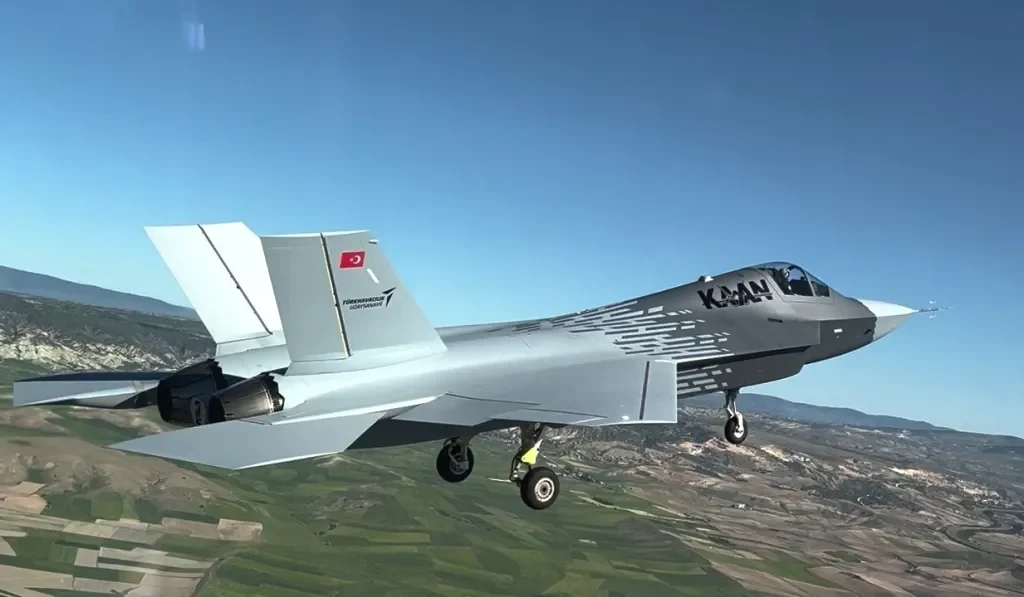
KAAN is intended to become the backbone of Turkey’s future combat aviation.
The aircraft is being developed as a twin-engine, low-observable multirole fighter featuring advanced sensor fusion, modern avionics, and the ability to employ a wide range of precision-guided weapons.
According to official plans, the aircraft will perform missions including:
- Air superiority
- Strike operations
- Air-to-ground attack
- Cooperative operations with unmanned aircraft
- Network-centric warfare
Eventually, KAAN is expected to replace a significant portion of Turkey’s aging F-16 fleet.
Testing Is Accelerating
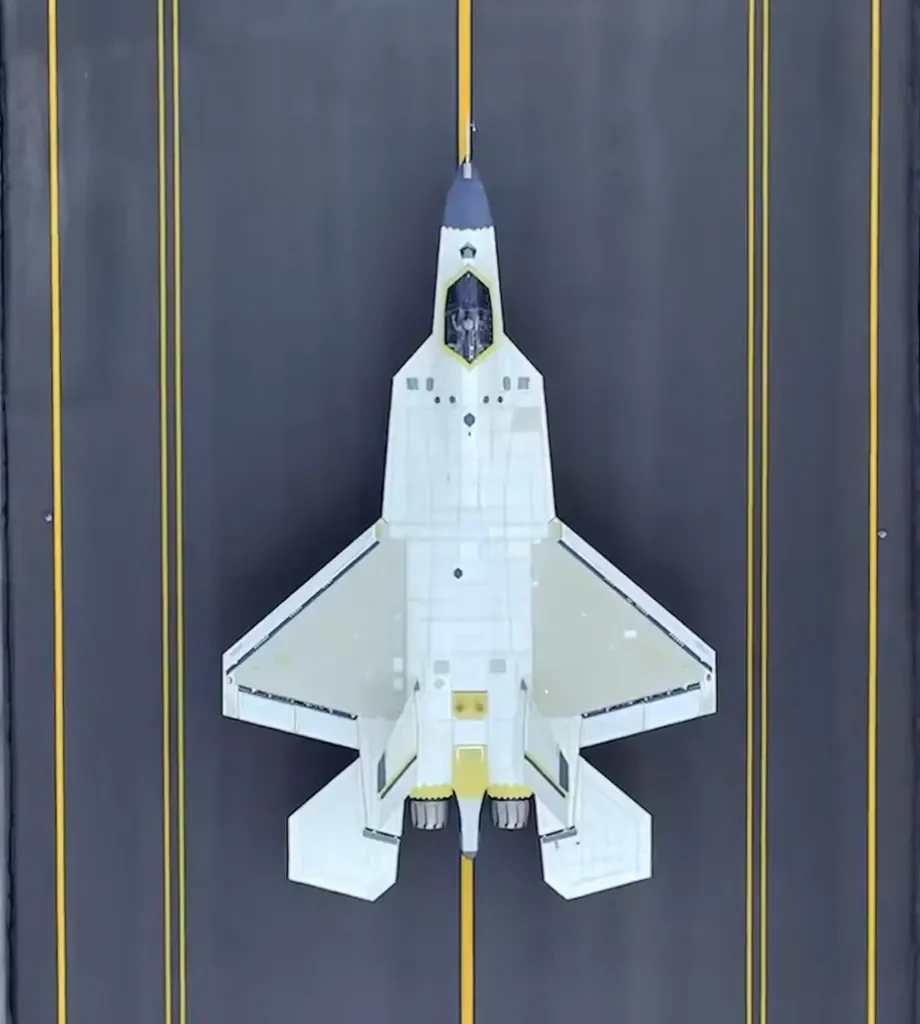
The appearance of multiple flying prototypes marks an important turning point for the program.
Instead of relying on a single aircraft for every evaluation, engineers can now distribute different testing tasks among several prototypes.
One aircraft can focus on flight-envelope expansion.
Another can validate avionics and mission systems.
A third can conduct structural, endurance, and ground testing.
This approach significantly shortens development timelines and has become standard practice for modern fighter aircraft programs.
What Comes Next
Following the completion of taxi testing, the P1 prototype will begin high-speed runway runs before attempting its maiden flight.
Turkish Aerospace expects the expanded prototype fleet to considerably accelerate testing throughout the remainder of 2026.
Meanwhile, construction of additional development aircraft continues alongside preparations for eventual serial production.
Conclusion
The beginning of taxi tests for KAAN’s second prototype is not a technological breakthrough by itself, but it is a strong indicator that Turkey’s ambitious fighter program continues to progress according to plan.
The project is gradually moving beyond a single experimental aircraft toward a complete flight-test fleet capable of collecting data much more rapidly and resolving technical issues more efficiently.
Although considerable work remains before KAAN enters operational service, every new prototype demonstrates that Turkey is steadily advancing toward the goal of fielding its own domestically developed next-generation fighter aircraft.






