
Built in Just 18 Months: How North Korea Constructed a New Missile Factory for Russia Beneath the Ground

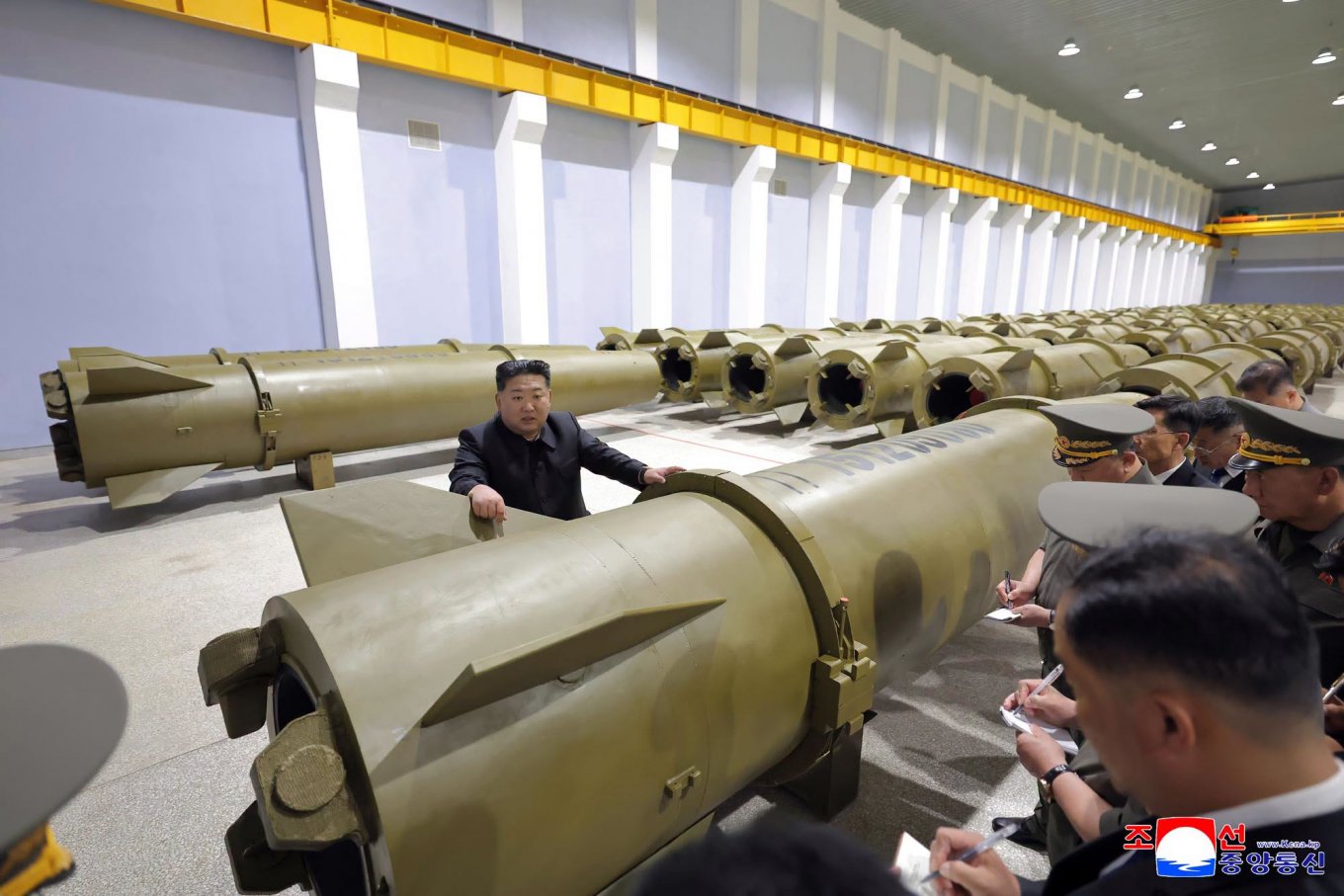
While global attention remains focused on the war in Ukraine, another significant development has quietly unfolded inside North Korea. According to satellite imagery analysis, Pyongyang constructed a new production facility for the KN-23 (Hwasong-11A) ballistic missile in the city of Hamhung in just eighteen months. Once construction was completed, the building was literally buried beneath layers of earth.
If analysts are correct, this is far more than just another factory. It appears to be an effort to create a hardened production complex capable of continuing operations even in the event of future air strikes.
A Factory Built Faster Than Expected
Production of the KN-23 missile is centered around the February 11 Plant in Hamhung, a facility long identified by Western analysts as one of North Korea’s key missile manufacturing centers.
The site is believed to produce most of the country’s Hwasong-11 family of short-range ballistic missiles.
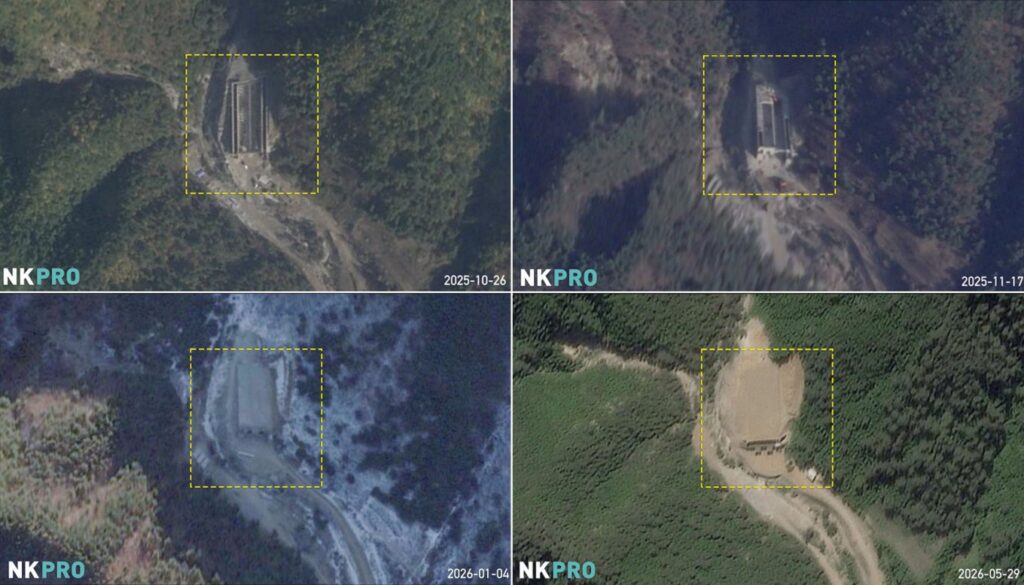
Satellite imagery indicates that construction of a large new building adjacent to the existing complex began in late 2024.
By February 2026, the structure appeared to be complete.
Then something unusual happened.
Rather than remaining visible above ground, the newly constructed facility was almost entirely covered with earth. Only access roads, ventilation structures, and a handful of technical installations remained exposed.
This type of construction is commonly associated with hardened military facilities designed to improve protection against aerial attacks and reduce visibility to reconnaissance satellites.
Why Build Underground?
Underground military production has long been a hallmark of North Korea’s defense industry.
There are several practical reasons for this approach.
First, underground facilities are considerably more difficult to monitor using satellite imagery.
Second, thick layers of earth provide additional protection against blast effects and fragmentation during air strikes.
Third, such facilities are easier to conceal, as they often resemble ordinary industrial or storage areas from above.
While this does not make them invulnerable, it significantly increases their survivability during wartime.
What Is the KN-23?
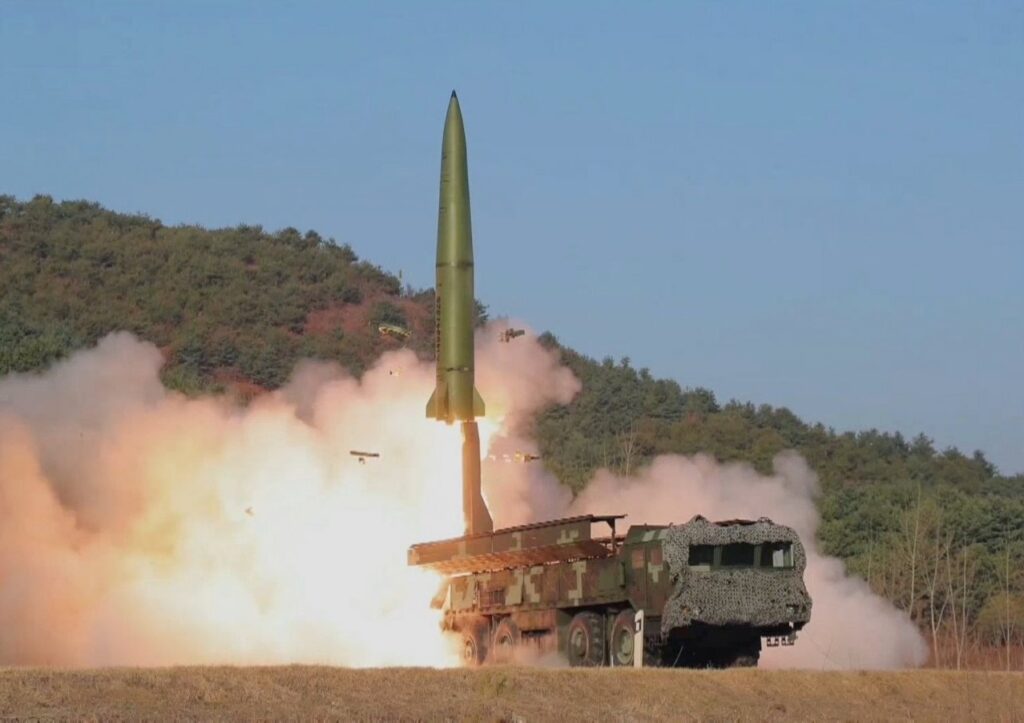
The KN-23, officially designated Hwasong-11A, first appeared during flight tests in 2019.
Its overall concept bears a strong resemblance to Russia’s Iskander-M short-range ballistic missile system.
Among its key characteristics are:
- Solid-fuel propulsion
- Quasi-ballistic flight trajectory
- Terminal maneuvering capability
- Operational range of several hundred kilometers, depending on the variant
- Capability to carry either conventional or special warheads
Because of its maneuvering flight profile, the missile is generally considered more challenging for missile defense systems to intercept than traditional ballistic missiles of similar range.
Why Is the Expansion Linked to Russia?
Military cooperation between Moscow and Pyongyang has intensified considerably since the start of the full-scale war in Ukraine.
According to Ukraine, the United States, South Korea, and several independent analysts, North Korea has supplied Russia with large quantities of artillery ammunition as well as batches of KN-23 ballistic missiles.
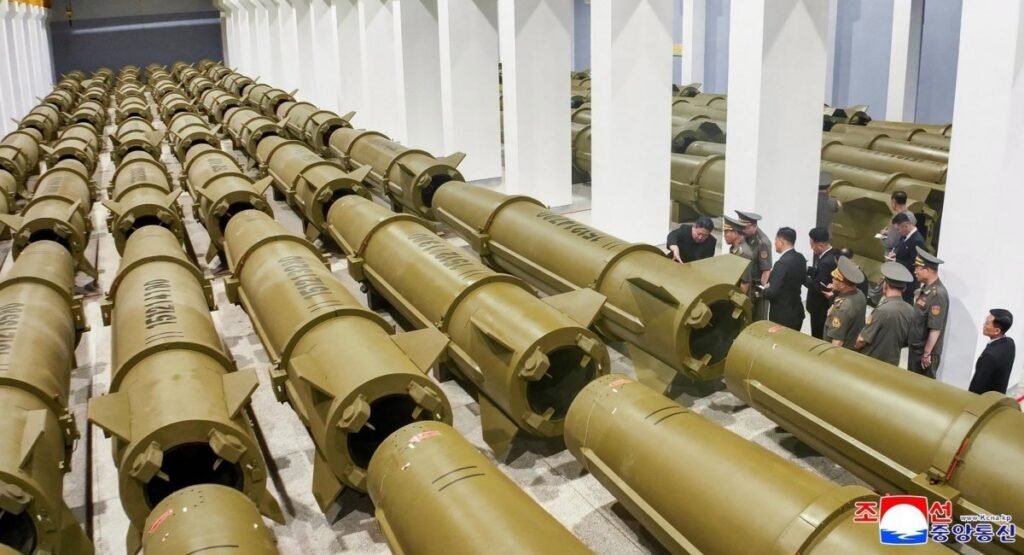
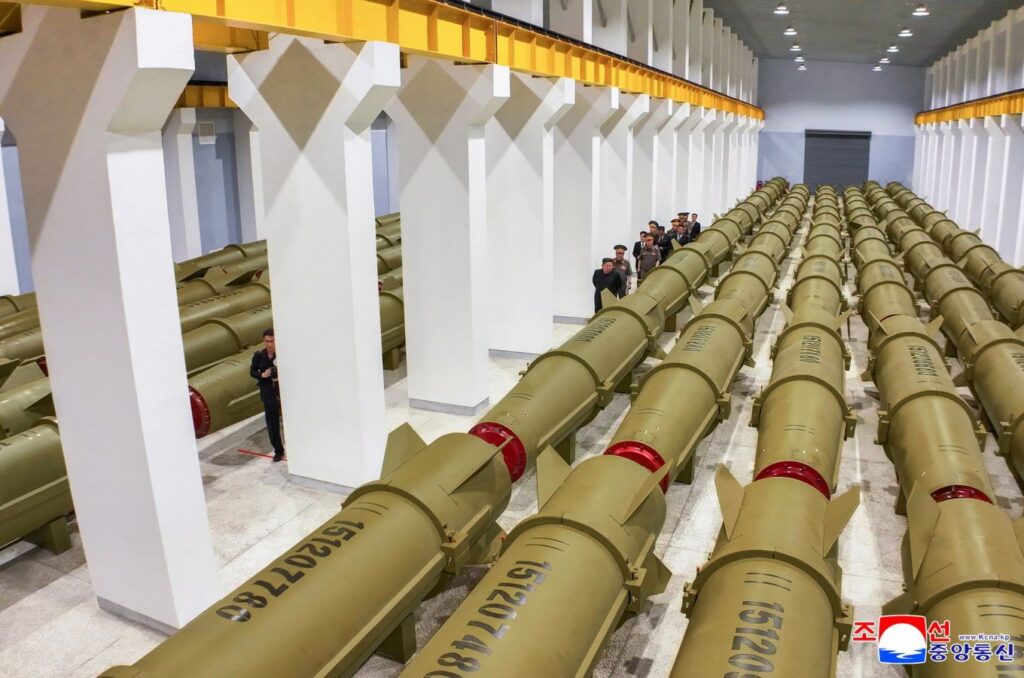
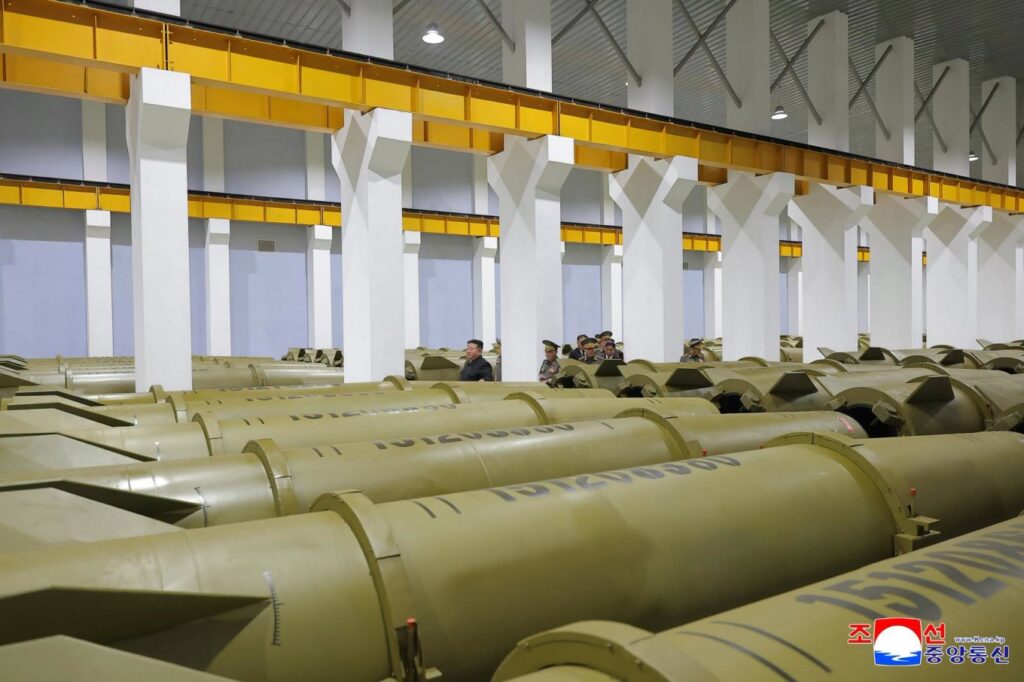
One particularly noteworthy event occurred during the summer of 2026, when Kim Jong Un personally visited the Hamhung production facility. North Korean state media released images showing dozens of completed missiles lined up inside one of the assembly halls.
Shortly afterward, Ukraine reported renewed use of KN-23 missiles following a lengthy pause.
While there is no direct evidence linking those launches to the newly constructed production facility, the timing has attracted considerable attention among defense analysts.
Has Russia Supplied Technology?
One of the most debated questions concerns possible technological cooperation between the two countries.
Several analytical reports suggest that the new production facility may have been equipped using machinery or industrial equipment supplied by Russia.
However, no independent evidence has yet confirmed these claims.
Ukrainian military intelligence has also stated that Russian specialists have assisted North Korea in improving the missile’s guidance and overall reliability.
Early KN-23 launches reportedly demonstrated relatively poor accuracy, while later attacks appeared considerably more precise.
Although these assessments cannot be independently verified, they have become a recurring theme in analyses of Russian–North Korean military cooperation.
Why This Matters
The significance of the new facility extends beyond the factory itself.
It demonstrates North Korea’s ability to rapidly expand missile production despite decades of international sanctions.
The construction of hardened industrial infrastructure also suggests that Pyongyang expects its missile program to remain a long-term strategic priority.
For Russia, this could mean a more stable source of ballistic missile supplies.
For neighboring countries, it represents further evidence that North Korea’s missile production capabilities continue to expand.
Conclusion
The existence of the new hardened facility in Hamhung is supported by satellite imagery and the work of independent analysts.
However, several conclusions—including claims regarding Russian equipment deliveries or the facility’s exact production capacity—remain analytical assessments rather than independently verified facts.
Nevertheless, the broader trend is becoming increasingly clear.
North Korea continues to expand its defense-industrial base at a remarkable pace, while military and industrial cooperation between Pyongyang and Moscow appears to be evolving well beyond occasional deliveries of ammunition into a much deeper strategic partnership.






