
Thunder: The Autonomous Tiltrotor Drone That Could Become the Future of Attack Helicopters

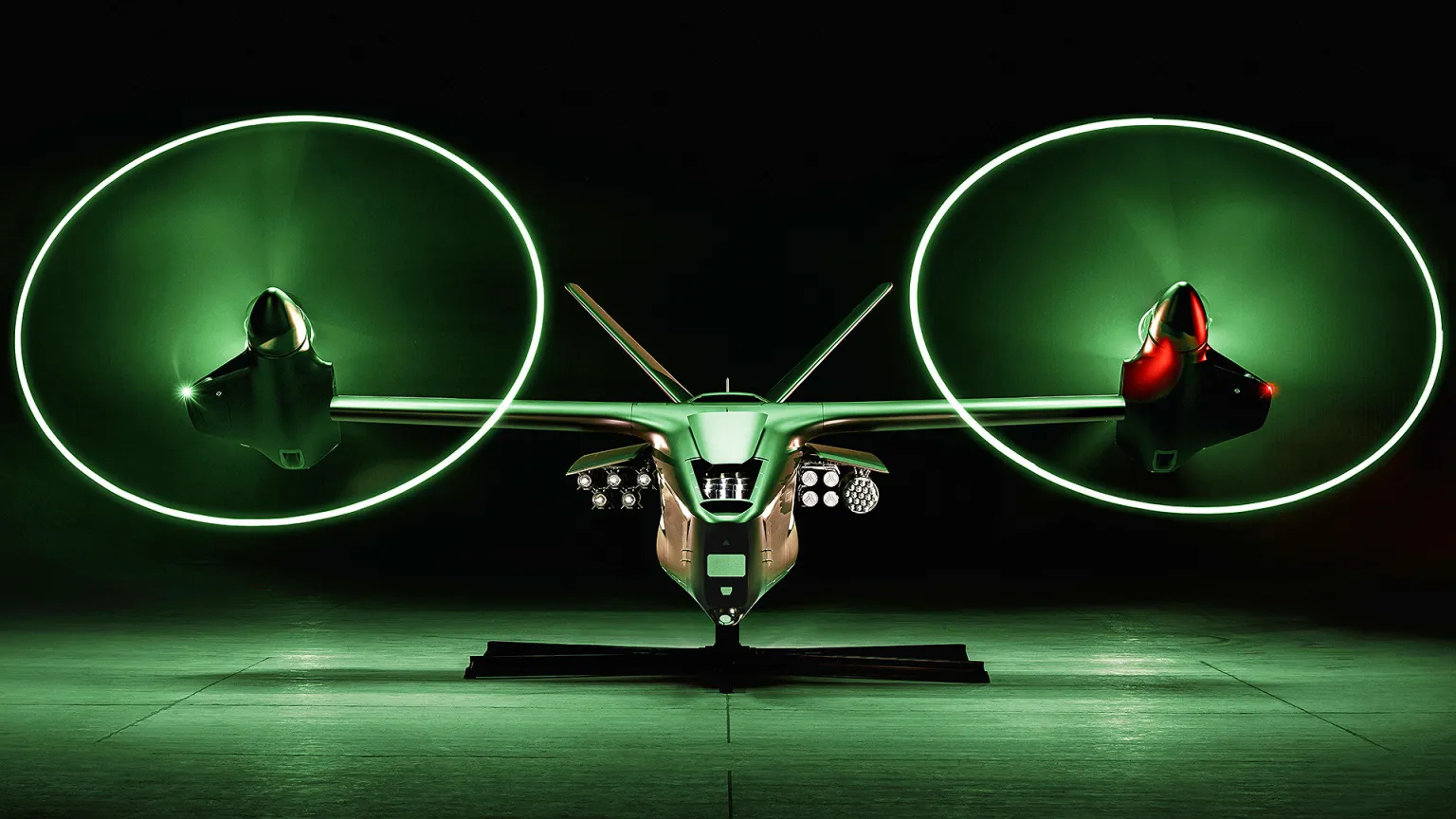
For decades, the attack helicopter has been one of the most important assets on the battlefield. From the American AH-64 Apache to the Russian Ka-52, these aircraft were designed to destroy armored vehicles, provide close air support, and hunt enemy formations. However, the war in Ukraine has demonstrated that even the most advanced helicopters have become increasingly vulnerable to modern air defense systems, MANPADS, and the growing threat of FPV drones.
That is why Anduril Industries has unveiled Thunder, an autonomous tiltrotor attack drone designed to operate alongside manned helicopters while taking on the most dangerous missions. If the concept proves successful, it could represent one of the biggest transformations in Army aviation since the introduction of the Apache itself.
Why the Military Is Looking at Tiltrotors Again
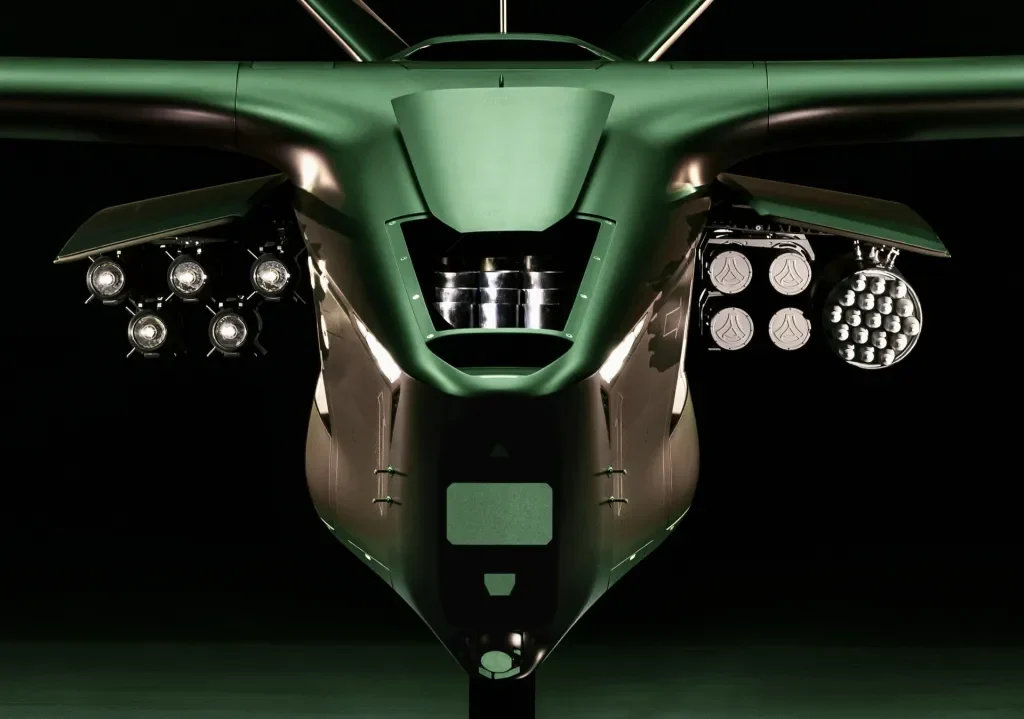
Thunder’s defining feature is its tiltrotor configuration.
During takeoff and landing, its rotors remain vertical, allowing it to operate like a helicopter. Once airborne, the nacelles rotate forward, transforming the aircraft into a fixed-wing platform capable of significantly higher speeds and much greater range.
This concept is already used by platforms such as the V-22 Osprey and the future MV-75 Cheyenne, but Thunder has been designed from the ground up as a fully autonomous combat aircraft.
The tiltrotor layout combines the advantages of both helicopters and airplanes:
- Vertical takeoff and landing without the need for a runway
- High cruising speed
- Greater operational range than conventional helicopters
- The ability to keep pace with rapidly advancing ground forces
Not a Replacement for the Apache—Its Wingman
The most interesting aspect of Thunder is not its airframe, but its intended role.
According to Anduril, the aircraft is being developed as an autonomous companion for the AH-64 Apache and the future MV-75 Cheyenne.
The concept closely mirrors the Collaborative Combat Aircraft (CCA) program currently being developed for U.S. Air Force fighter aircraft.
Instead of sending an expensive manned helicopter into heavily defended airspace first, commanders could deploy multiple autonomous drones ahead of it.
Thunder is expected to perform missions such as:
- Reconnaissance
- Target acquisition
- Precision strike operations
- Decoy attacks
- Air defense suppression
- Escorting manned helicopters
One operator may eventually supervise multiple aircraft simultaneously. According to company representatives, a single attack helicopter could potentially coordinate three to six Thunder drones during combat operations.
Built Around Artificial Intelligence
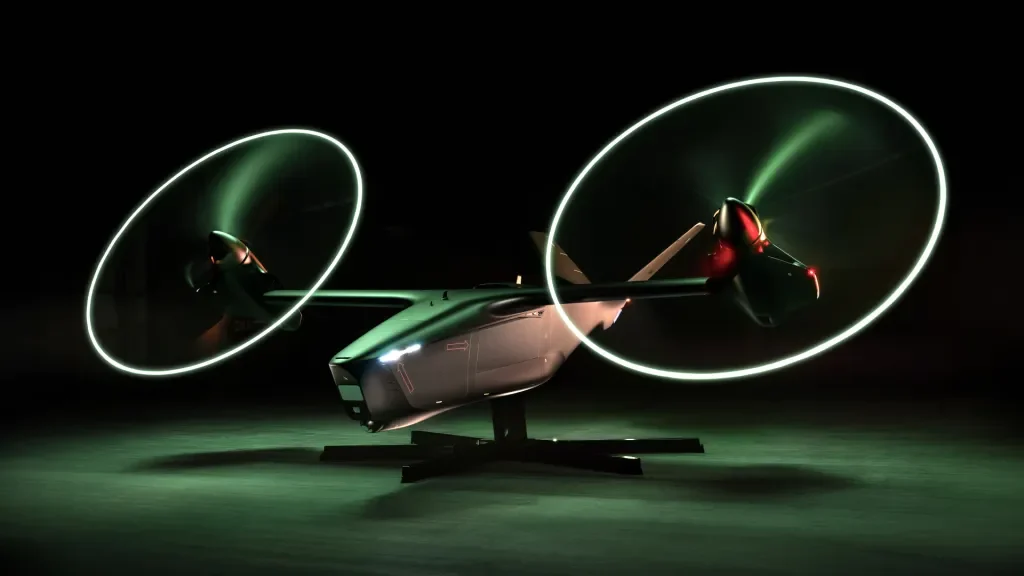
Another defining feature of Thunder is its heavy reliance on artificial intelligence.
The aircraft will become part of Lattice, Anduril’s AI-powered command-and-control ecosystem designed to coordinate autonomous military systems.
Within this network, Thunder will be capable of:
- Planning its own flight path
- Avoiding threats autonomously
- Identifying potential targets
- Sharing battlefield data with other platforms
- Coordinating operations within a drone swarm
While humans will remain responsible for authorizing weapon employment, much of the routine decision-making process will be handled automatically by onboard AI.
Why Thunder Appeared Now
At first glance, Thunder might seem like just another futuristic concept.
In reality, however, Anduril is responding directly to lessons emerging from modern warfare.
Recent conflicts have demonstrated that traditional attack helicopters are becoming increasingly expensive targets.
An AH-64 Apache costs tens of millions of dollars, yet it can be destroyed by weapons that are only a tiny fraction of that cost, including portable surface-to-air missiles and FPV drones.
The logic behind the next generation of military aviation is straightforward:
If an unmanned aircraft can enter the most dangerous part of the battlefield instead of risking an aircrew, then it should.
When Will It Fly?
Thunder remains a concept, but development is progressing rapidly.
The aircraft is being developed jointly by Anduril Industries and Archer Aviation. The companies have already flown full-scale technology demonstrators, while the first dedicated Thunder prototype is expected to fly in 2027.
The concept was officially introduced during the Farnborough International Airshow 2026, where it became one of the event’s most talked-about military aviation announcements.
Known Specifications
Many technical details remain classified, but the following information has been released.
Type: Autonomous attack tiltrotor UAV
Developers: Anduril Industries & Archer Aviation
Propulsion: Hybrid-electric
Takeoff: Vertical Takeoff and Landing (VTOL)
Flight Modes: Helicopter / Fixed-wing aircraft
Crew: None
Control: Autonomous operation with human supervision
Primary Missions:
- Intelligence, Surveillance, and Reconnaissance (ISR)
- Escorting attack helicopters
- Precision strike missions
- Air defense suppression
- Ground attack
- Swarm operations
Conclusion
Thunder is significant not because of its specifications alone, but because of the philosophy behind its development.
For decades, military aviation focused on building increasingly capable manned attack helicopters. Anduril is proposing a different model: keep the pilot at a safer distance while autonomous aircraft assume the greatest risks.
If the concept proves successful, tomorrow’s attack helicopter may no longer serve as the primary strike platform. Instead, it could become an airborne command center directing multiple autonomous combat drones.
Rather than replacing helicopters outright, Thunder may redefine their role on the modern battlefield—and, in doing so, shape the future of Army aviation.






