
Russia Flies the Spectra PV-10 Tango with a Domestic Engine: Has It Finally Replaced Foreign Powerplants?

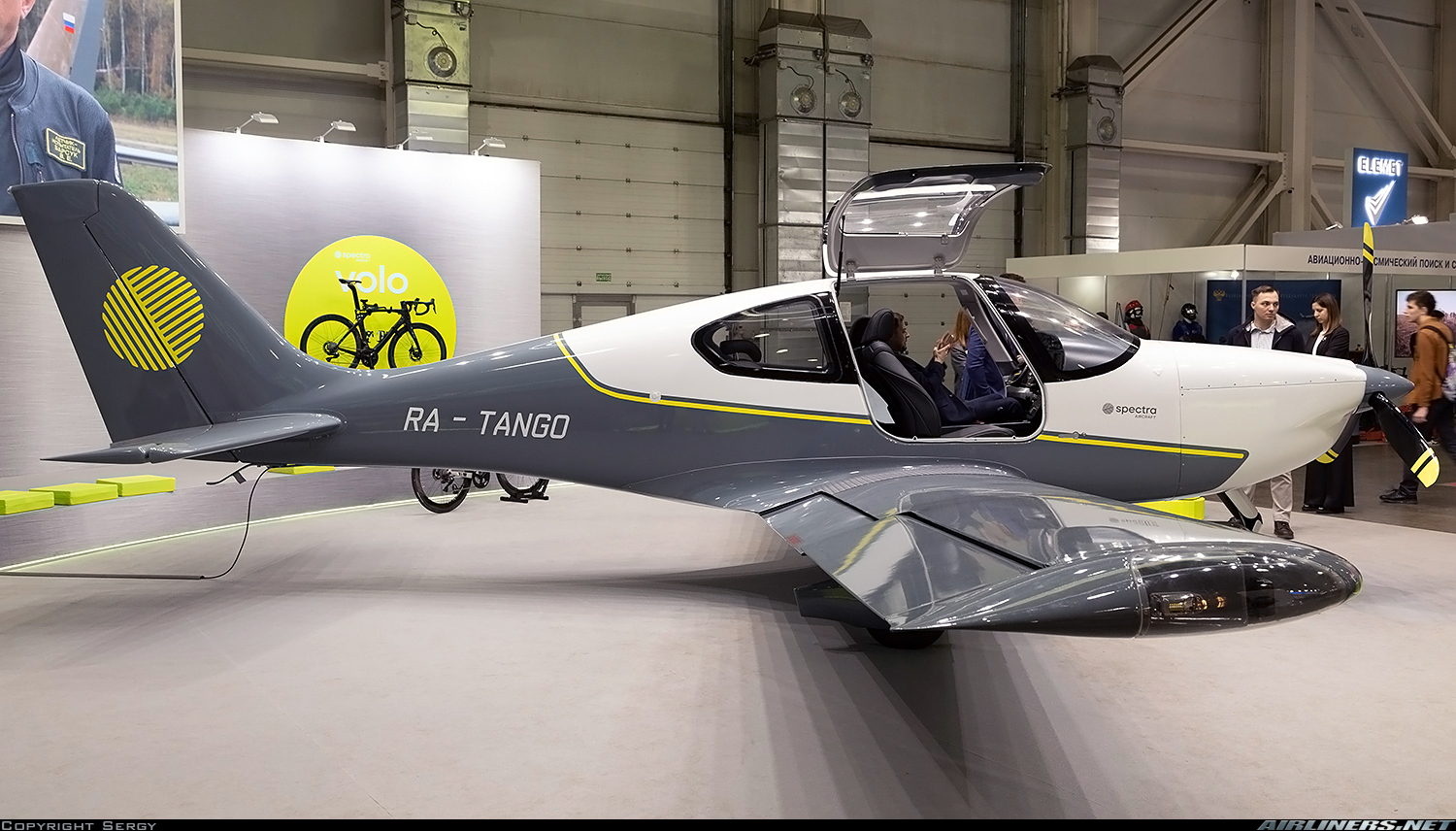
Following the introduction of Western sanctions, one of the biggest challenges facing Russia’s aviation industry has been its dependence on foreign-made aircraft engines. The problem has been particularly severe in the light aviation sector, where virtually all modern powerplants were imported.
That is why the first flight of the Spectra PV-10 Tango equipped with the Russian-developed APD-520 Lider engine marks an important milestone in Moscow’s import substitution program. Behind the official announcements, however, lies a more complex story. According to publicly available information, the new engine closely mirrors the Belgian-made ULPower UL520iS, which powered the aircraft’s original prototype.
From a Belgian Engine to a Russian One
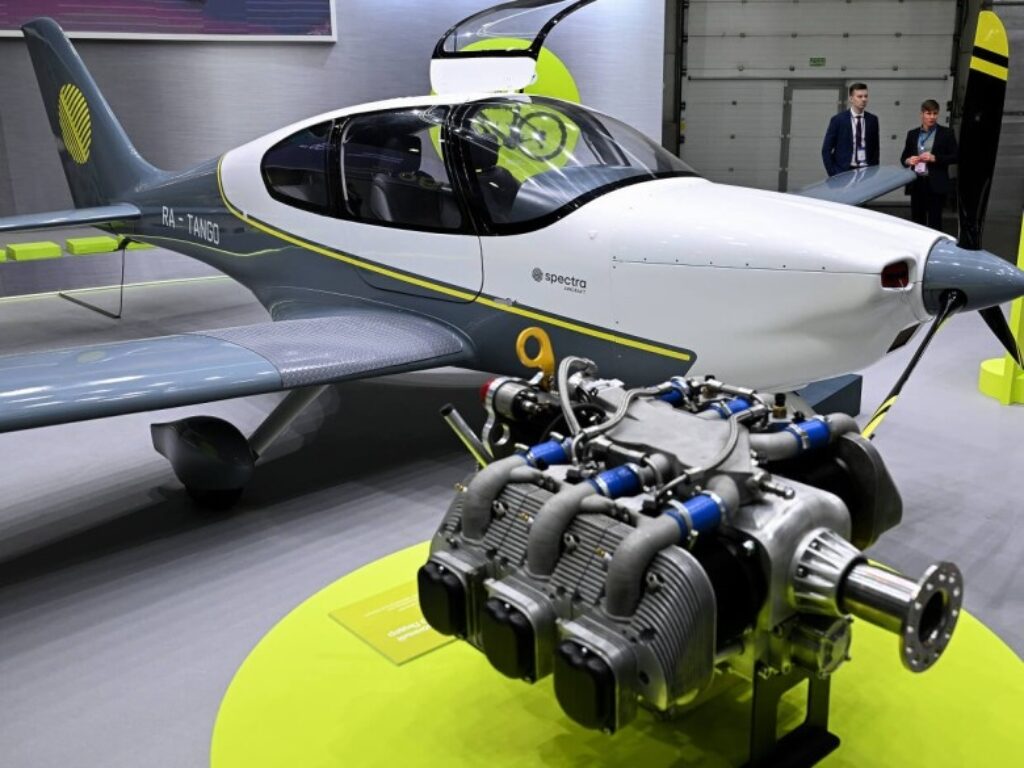
The Spectra PV-10 Tango is being developed by Spectra Aircraft, a company within the S7 Group, in cooperation with the Siberian Aeronautical Research Institute (SibNIA).
The prototype first flew in 2024 using the Belgian-built ULPower UL520iS, a six-cylinder engine producing approximately 200 horsepower. At the time, developers described the foreign engine as a temporary solution until a domestically produced alternative became available.
That transition now appears to have taken place.
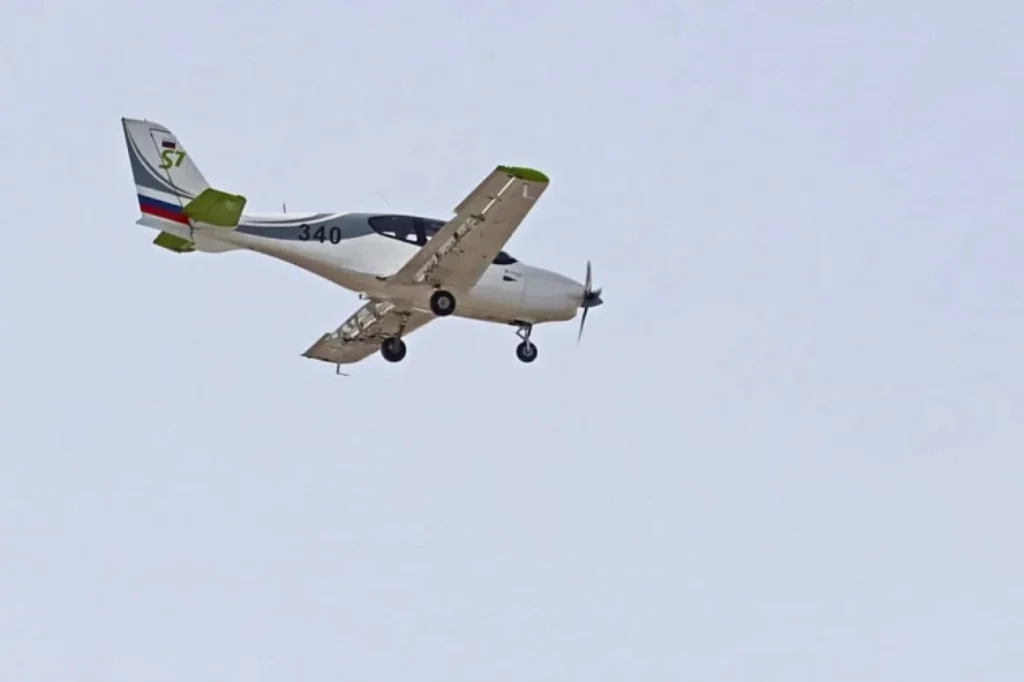
During its latest test flight, the aircraft successfully flew for the first time with the new APD-520 Lider engine. The sortie itself was relatively short, consisting of a single circuit around the airfield before landing safely. Following the flight, developers announced the beginning of the engine’s certification testing program.
How Russian Is the New Engine?
This is where the story becomes particularly interesting.
According to several Russian aviation sources, the APD-520 was developed through reverse engineering of the Belgian ULPower UL520iS. The two engines share nearly identical external layouts, the same basic architecture, and very similar performance characteristics.
Such an approach has become increasingly common under sanctions.
Rather than designing an entirely new engine from scratch, manufacturers aim to localize proven foreign designs while maintaining compatibility with aircraft already developed around them.
From an engineering perspective, this strategy significantly shortens development time and reduces technical risks. However, it does not necessarily represent a breakthrough in engine technology.
What Is the Spectra PV-10 Tango?
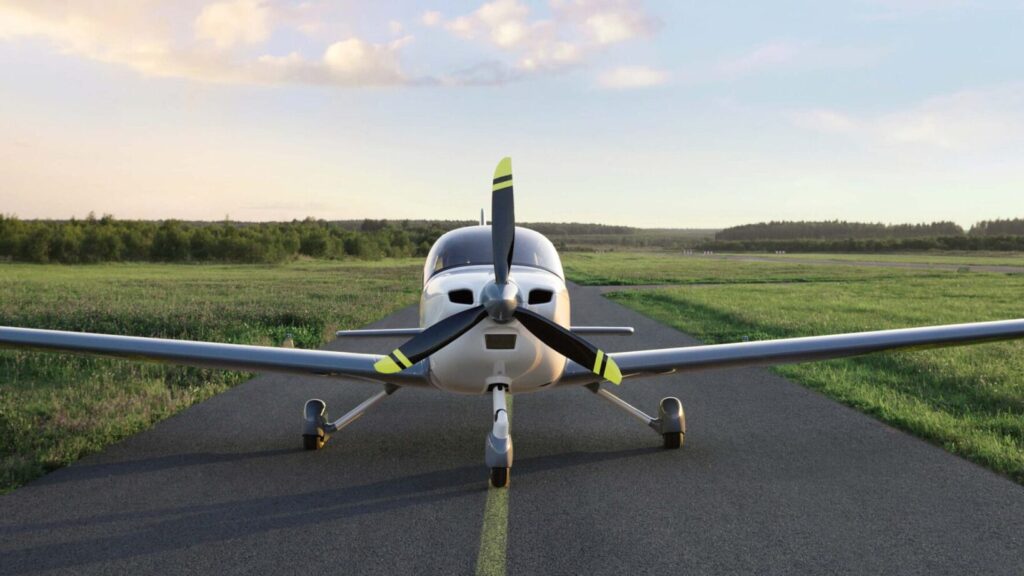
Despite the attention surrounding its engine, the PV-10 Tango is not a military aircraft.
It is a four-seat light airplane intended primarily for:
- Primary pilot training
- Flight schools
- Flying clubs
- Private aviation
Aircraft of this class are traditionally used to train student pilots before they transition to more advanced aircraft.
Technical Specifications
The currently available specifications include:
Aircraft Type: Four-seat training aircraft
Developer: Spectra Aircraft (S7 Group)
Engine: APD-520 Lider
Maximum Takeoff Weight: 1,150 kg
Length: 8.2 m
Wingspan: 12 m
Maximum Speed: 245 km/h
Range: Approximately 1,100 km
Primary Roles: Pilot training, civil aviation, private flying
Why This Project Matters
The aircraft itself is unlikely to revolutionize global aviation.
Its real significance lies elsewhere.
Since 2022, Russia’s aerospace industry has been forced to replace dozens of imported components, ranging from avionics to aircraft engines. Light aviation has proven to be one of the most vulnerable sectors because it relied almost entirely on foreign suppliers.
For that reason, the successful flight of the Spectra PV-10 Tango with a domestically produced engine is less about the aircraft itself and more about demonstrating Russia’s ongoing effort to close some of its most critical technological gaps.
The biggest challenges, however, still lie ahead. Full certification, large-scale production, and long-term reliability testing will determine whether the APD-520 Lider can become a genuine replacement for imported engines or remain only an experimental achievement.
If the program succeeds, the Spectra PV-10 Tango could become one of the first fully localized Russian aircraft in the modern light trainer category.






