
The Era of Cheap Anti-Drone Missiles: Why Canada Is Developing the CM-70 Spear Interceptor

Modern air defense has unexpectedly run into a problem that many military analysts considered secondary just a decade ago. It turned out that even the most advanced and expensive air-defense systems can become economically helpless against the mass use of cheap drones.
The war around Ukraine has effectively become the first major conflict of the drone era. Thousands of strike UAVs, FPV systems, and loitering munitions have systematically overloaded air defenses, forcing them to spend extremely expensive missiles on relatively cheap targets. But now the situation is evolving again. Russia is gradually deploying jet-powered versions of the Geran drones, systems that are beginning to approach cruise missiles in terms of performance. And this means the current methods of countering drones could become obsolete very quickly.
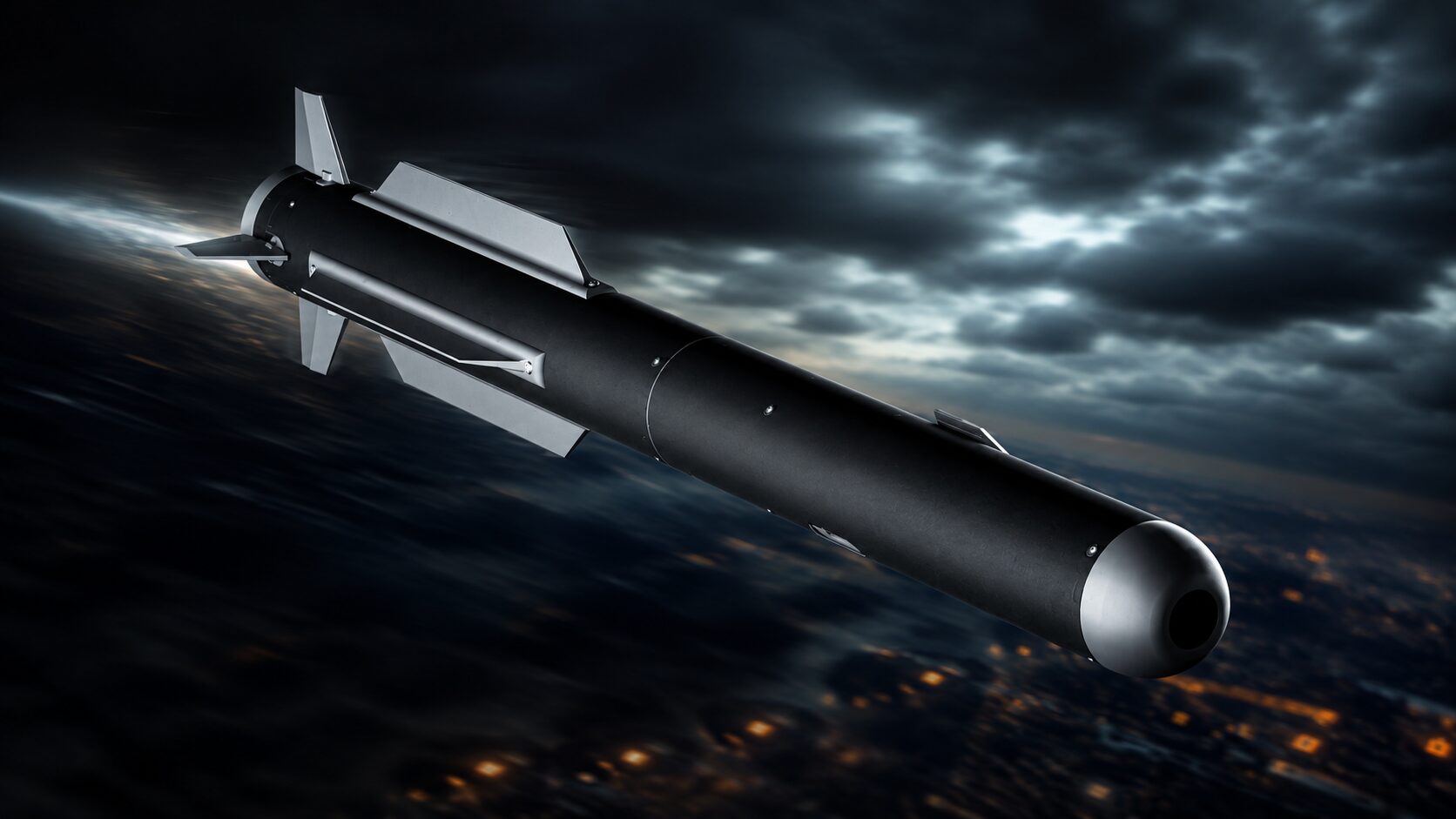
Against this backdrop, more and more attention is being focused on cheap specialized anti-drone missiles. One of the most interesting examples unexpectedly comes from Canada — the CM-70 Spear, a compact interceptor developed by North Vector Dynamics specifically as a mass-produced and relatively inexpensive counter-UAV weapon.
Why Jet-Powered Gerans Are Changing the Entire War
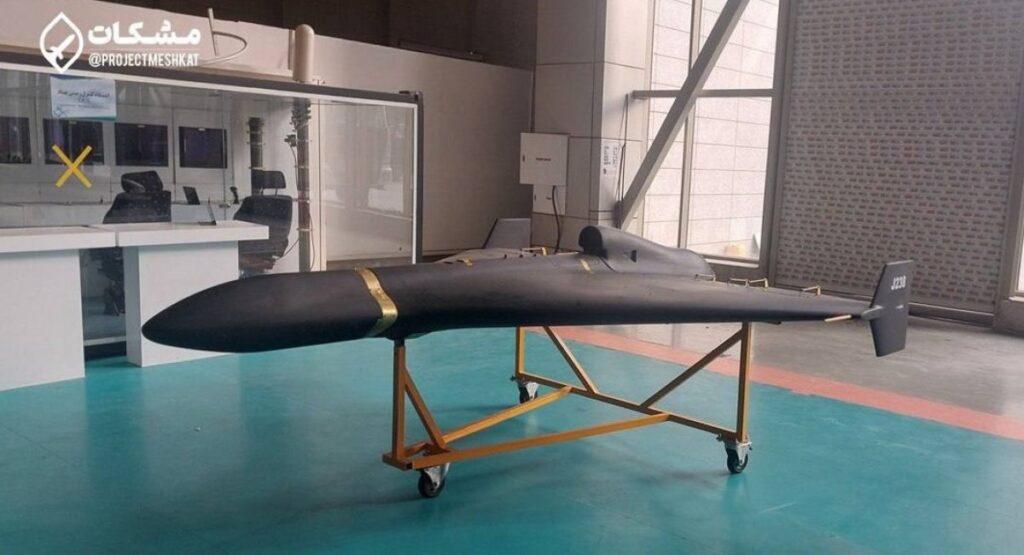
The first Shahed and Geran drones were often dismissed as little more than cheap flying mopeds. They were slow, noisy, and relatively simple targets. But the real danger was their sheer numbers. Even a primitive drone becomes a serious threat when launched by the dozens at the same time.
Now the situation is changing dramatically. Russia is actively developing jet-powered Geran variants — Geran-3, Geran-4, and Geran-5. Some of them are already capable of speeds reaching several hundred kilometers per hour, while certain versions are beginning to resemble compact cruise missiles.
And this is where the main problem for modern air defense begins.
Most low-cost interceptors and FPV anti-drone systems were designed to fight relatively slow propeller-driven targets. But a jet-powered drone drastically reduces reaction time. It is faster, harder to intercept, and capable of attacking at much higher speeds.
In effect, an entirely new category of threat is emerging — something between a traditional drone and a cruise missile.
Why Million-Dollar Missiles Are Losing the War of Attrition
The most painful problem facing modern air defense is not even technical — it is economic.
Using missiles worth hundreds of thousands or even millions of dollars against cheap drones is fundamentally unsustainable. If an opponent can produce UAVs by the thousands, while every interceptor missile costs as much as a house or even an aircraft, the war gradually becomes a matter of industrial mathematics.
That is why militaries around the world have suddenly started searching for the cheapest possible interceptors.
In essence, a completely new class of weapons is being born — expendable anti-drone missiles. They must be:
— compact,
— extremely cheap,
— mass-producible,
— and fast enough to intercept jet-powered targets.
The CM-70 Spear fits perfectly into this concept.
What the CM-70 Spear Actually Is
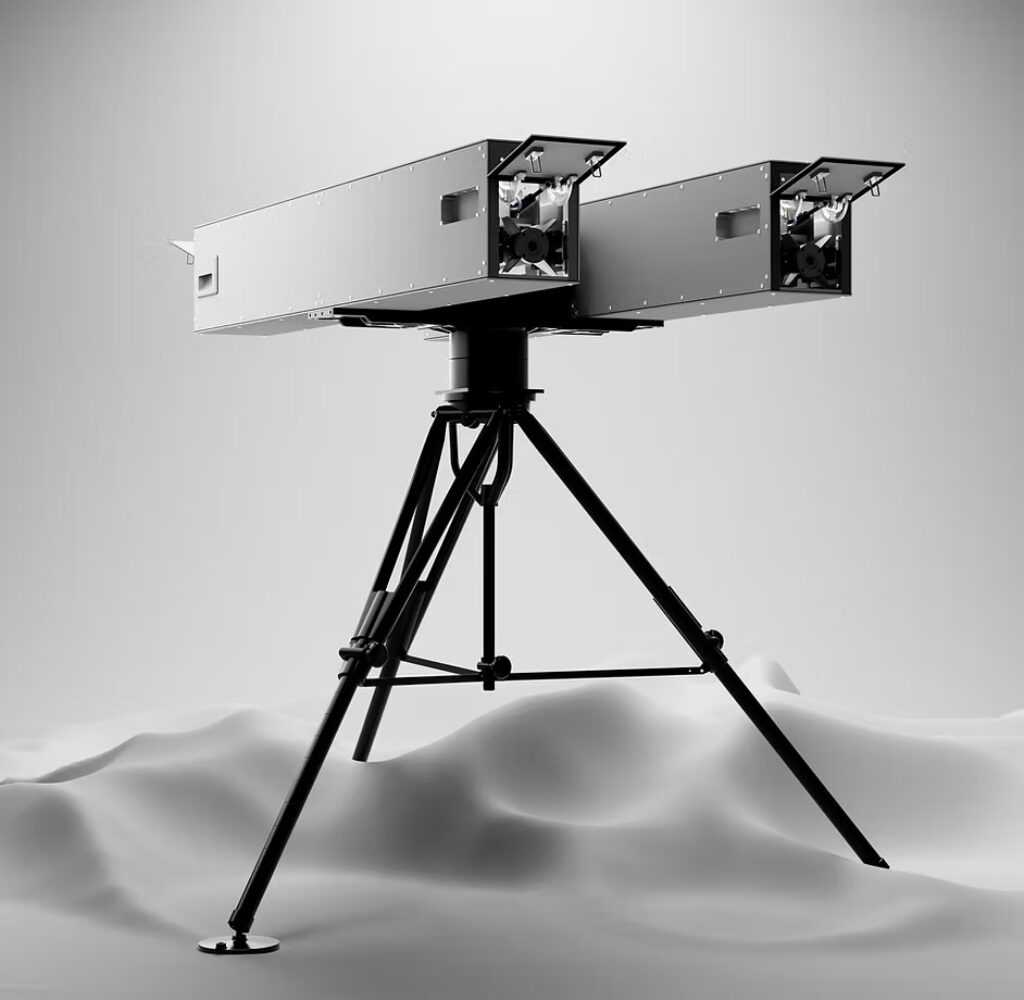
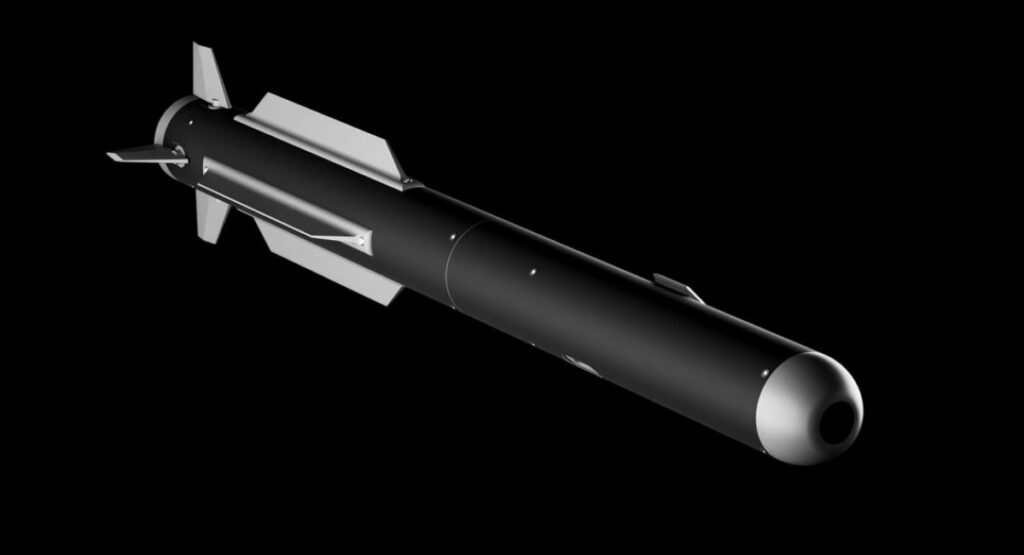
Compared to traditional surface-to-air missiles, the Canadian CM-70 almost looks like a toy. It is only around 72 centimeters long and weighs approximately 2.5 kilograms. But that is exactly the philosophy behind the project.
This is no longer a “large air-defense missile” in the traditional sense. It is closer to an ultra-light high-speed interceptor designed for mass production.
At the same time, its claimed performance is surprisingly serious. According to the developers, the CM-70 is capable of speeds exceeding 1,000 km/h. That potentially makes it suitable even for intercepting next-generation jet-powered Gerans.
Its range is relatively short — roughly 3.5 kilometers. But for a short-range anti-drone system, that is entirely acceptable, especially if such missiles can be launched in large numbers.
The guidance system is also interesting. The missile reportedly uses a semi-active laser seeker combined with AI-assisted targeting elements. This is an extremely characteristic feature of the new era of warfare. Even ultra-cheap weapons are gradually receiving AI capabilities, because without automation modern drone warfare is becoming impossible.
The World Is Moving Toward “Drone Air Defense”
Perhaps the most fascinating aspect is that the line between drones and missiles is beginning to disappear.
Modern anti-drone systems increasingly resemble disposable autonomous interceptors. They receive their own seekers, AI elements, target-search capabilities, and ultra-cheap designs.
In practice, an entirely new type of air defense is emerging:
not massive batteries of highly sophisticated SAM systems,
but thousands of cheap autonomous interceptors.
That is why projects like the CM-70 attract so much attention. This is not simply another missile — it is an attempt to completely change the economics of aerial warfare.
The Future of War May Become a War of Expendables
The most important thing about the CM-70 story is that modern warfare is increasingly becoming a contest of industrial capacity.
In the 20th century, nations focused on building the most advanced weapons possible. Today, it is often more important to produce enormous quantities of relatively cheap systems as quickly as possible.
Jet-powered Gerans, FPV drones, naval drones, cheap interceptors — all of these are parts of the same transformation.
And perhaps a new philosophy of war is being born right now:
not a handful of ultra-expensive systems,
but giant swarms of cheap autonomous machines destroying each other in the sky with minimal human involvement.






