
NOMADS: The Norwegian Air Defense System Designed for the Drone Warfare Era

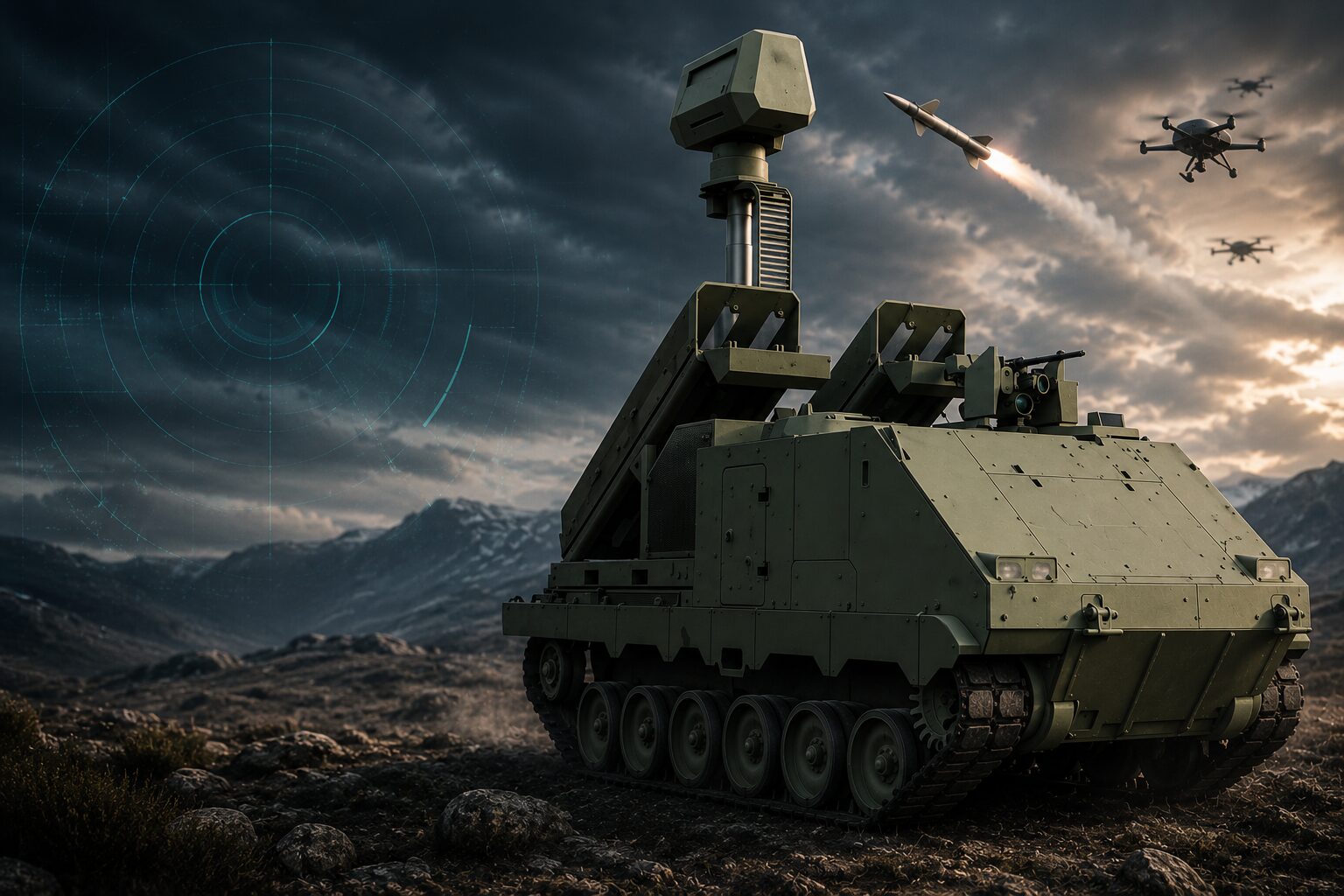
For decades, air defense systems generally fell into two major categories. Some were designed to protect cities, air bases, and strategic facilities, while others accompanied troops directly on the battlefield. However, the rapid development of drones, precision-guided weapons, and highly mobile military formations has forced many countries to rethink the traditional approach to battlefield air defense.
One result of this shift is the Norwegian NOMADS system (NatiOnal Maneuver Air Defence System). Developed by Kongsberg Defence & Aerospace, NOMADS was not designed to defend capitals or fixed installations. Instead, it was created to accompany mechanized units directly in combat zones.
In essence, engineers were tasked with creating a modern air defense system capable of moving alongside armored formations, rapidly detecting aerial threats, and engaging them without the need for a large supporting infrastructure.
Born from the NASAMS Legacy
To understand NOMADS, it is necessary to look at another famous Norwegian air defense system: NASAMS.
Over the past decade, NASAMS has gained worldwide recognition for its effectiveness against aircraft, helicopters, cruise missiles, and drones. However, NASAMS was primarily designed to defend fixed sites and important strategic areas.
The Norwegian Army faced a different challenge.
Its mechanized brigades needed a dedicated mobile air defense system capable of protecting maneuvering forces in rapidly changing battlefield conditions. In 2019, Norway’s Ministry of Defence awarded a contract for such a system. The result eventually became NOMADS.
Rather than designing everything from scratch, engineers chose to build upon the proven technologies developed for NASAMS and adapt them to frontline operations.
Everything in One Vehicle
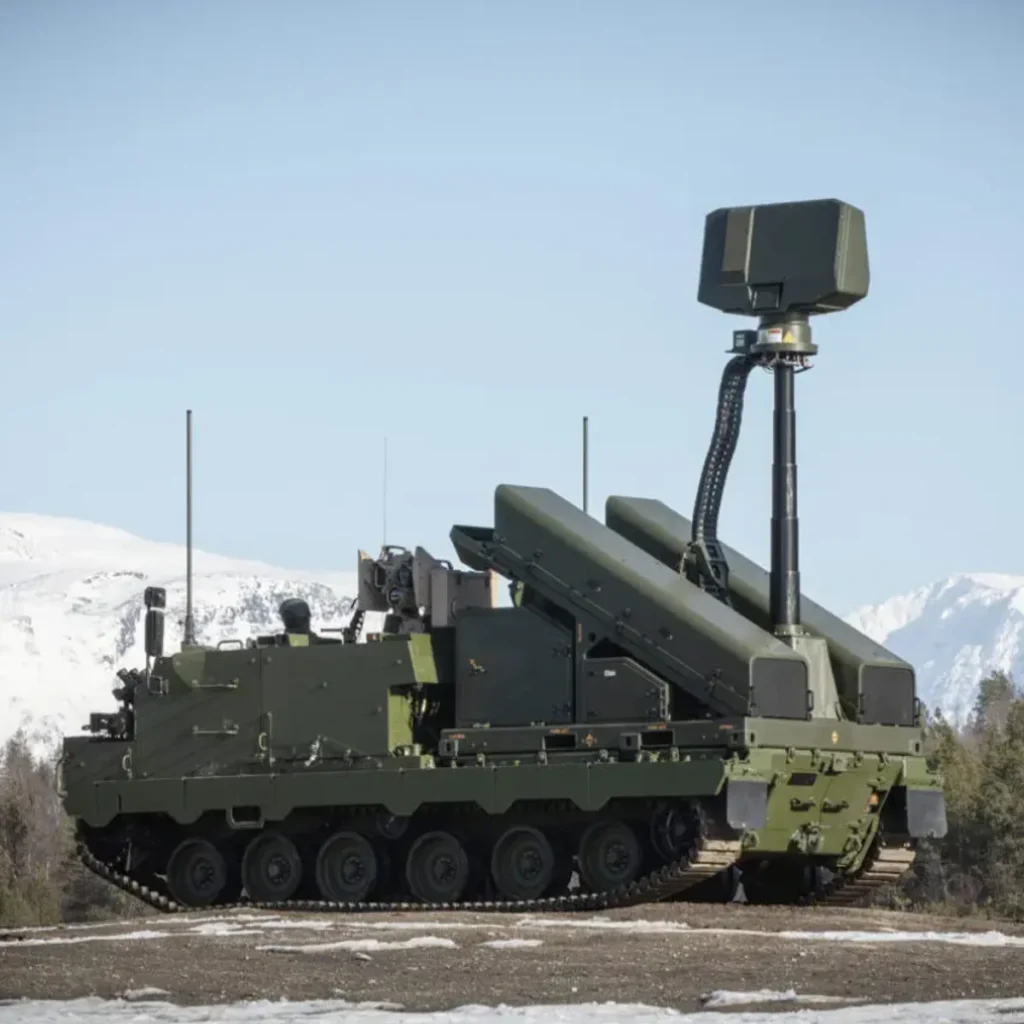
The defining feature of NOMADS is its architecture.
Most modern air defense systems require multiple vehicles: a radar vehicle, a command post, and missile launchers. NOMADS consolidates nearly all of these functions into a single platform.
The system incorporates:
- A three-dimensional AESA surveillance radar;
- A fire-control system;
- A command-and-control suite;
- A missile launcher;
- Communications and networking equipment.
All of these components are mounted on the armored ACSV G5 tracked vehicle developed by Germany’s Flensburger Fahrzeugbau.
This configuration allows the system to operate independently without relying on additional support vehicles.
For modern maneuver warfare, that level of autonomy is a major advantage.
A Fighter Missile Adapted for Ground Combat
One of the most interesting aspects of NOMADS is its choice of weapon.
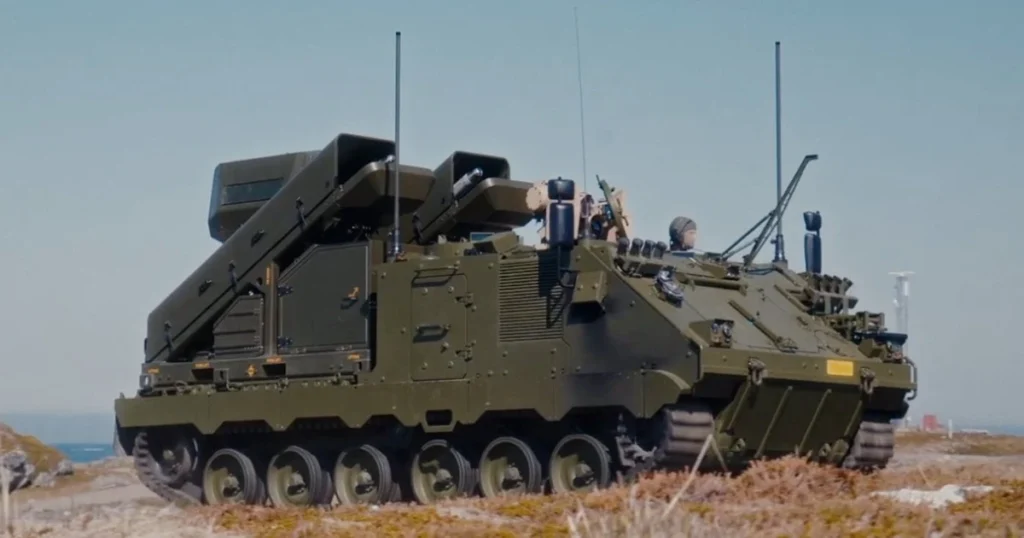
The system uses the AIM-9X Sidewinder Block II, one of the most advanced air-to-air missiles currently in service with NATO forces. The missile has been adapted for launch from a ground-based platform, with four missiles carried ready for immediate firing.
This approach has already proven successful within the NASAMS family.
The advantages are significant:
- Exceptional missile maneuverability;
- Infrared seeker guidance;
- High off-boresight engagement capability;
- Mature and well-established production lines.
In effect, Norway has transformed one of NATO’s most capable fighter missiles into a frontline air defense weapon.
Built for the Age of Drones
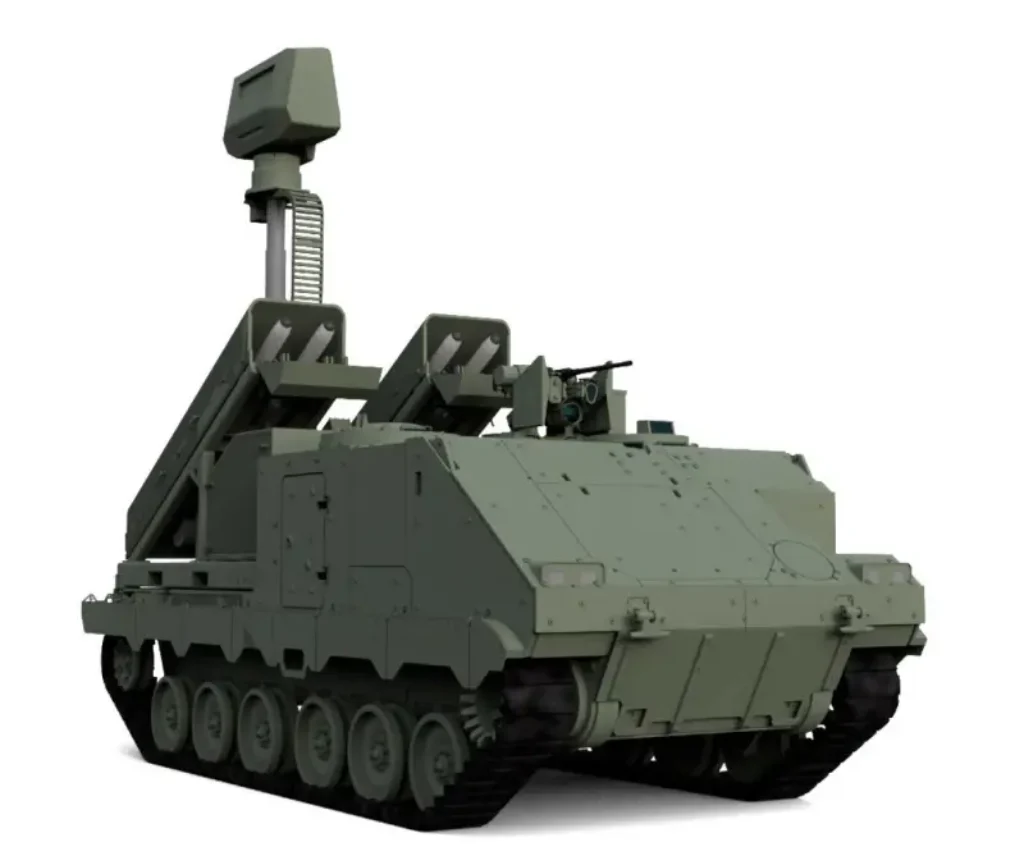
When development began in 2019, drones were already recognized as a growing threat.
Events over the following years demonstrated that their battlefield impact would become even greater than many military planners had anticipated.
As a result, NOMADS was designed from the outset to engage not only aircraft and helicopters but also a wide variety of unmanned aerial vehicles, including loitering munitions and attack drones.
The system is also expected to be integrated into broader air defense networks alongside NASAMS and future systems such as Skyranger 30, creating a layered defensive architecture capable of countering multiple types of aerial threats.
Tested in the Arctic
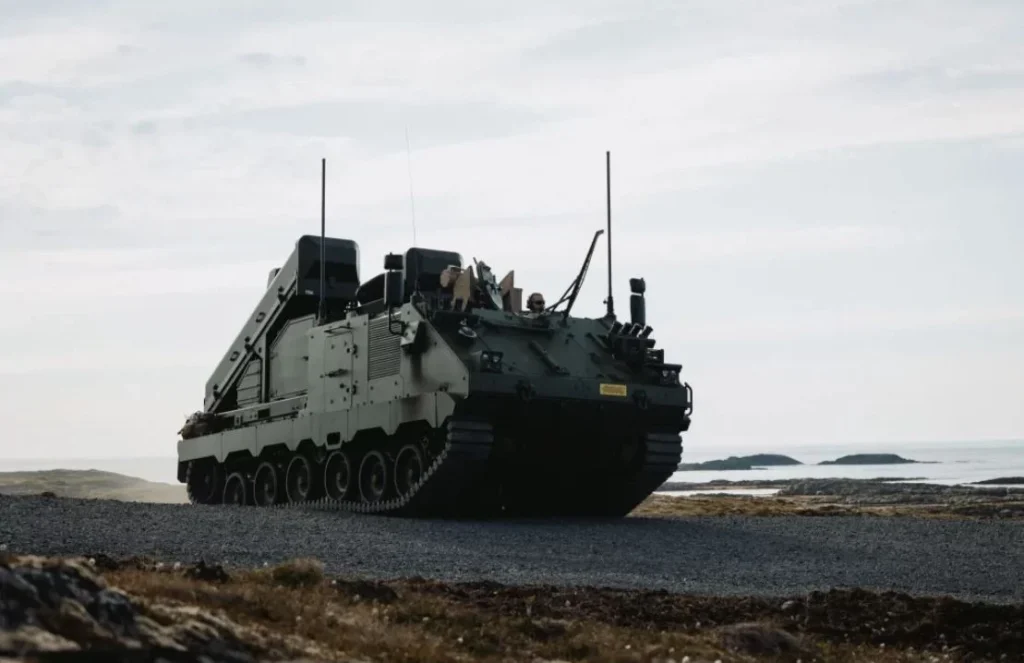
Because the system was developed primarily for Norwegian requirements, it was subjected to testing under some of the harshest environmental conditions in Europe.
One of the main testing locations was Andøya Island, north of the Arctic Circle. There, the system was evaluated in extreme cold, difficult terrain, and limited infrastructure conditions.
For Norway, these factors are critically important.
Much of the country’s potential operational environment lies in northern regions where severe weather can be as challenging as any adversary.
The First Customers
The Norwegian Army became the launch customer for NOMADS.
Initial vehicles have already been delivered, with full operational deployment planned over the coming years.
Interest quickly emerged beyond Norway as well.
In 2024, the Netherlands signed a contract for 18 NOMADS systems and associated command vehicles as part of a broader modernization effort for its national air defense forces.
For such a young system, securing an international customer so early represents a significant achievement.
What Makes NOMADS Different?
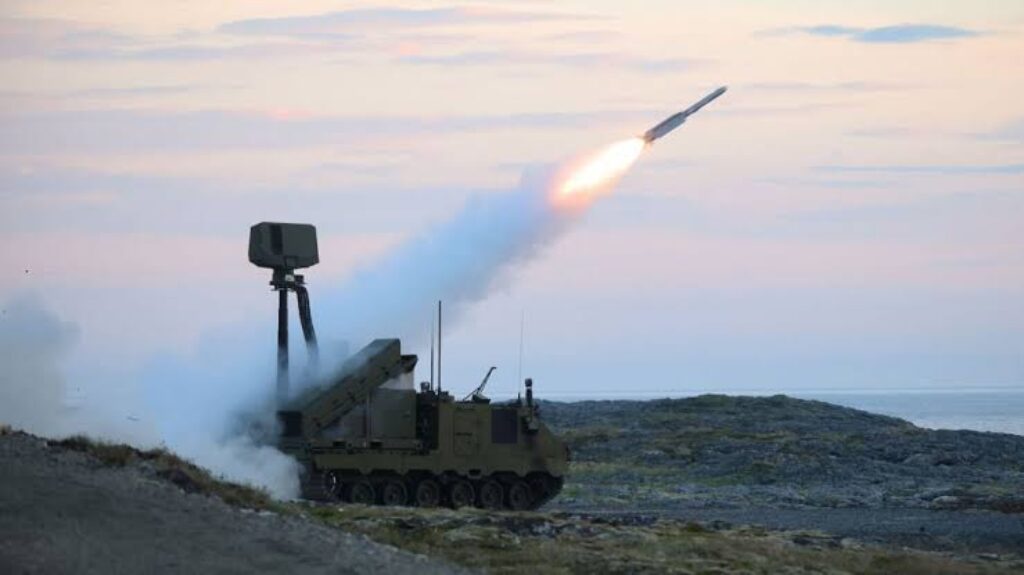
There is no shortage of mobile short-range air defense systems on the global market.
Germany fields the Skyranger family, the United States operates IM-SHORAD, Russia employs the Pantsir-S1, and South Korea fields the K30 Biho. All of these systems perform broadly similar missions.
What distinguishes NOMADS is its philosophy.
Rather than creating a complex battery composed of multiple vehicles, Norwegian engineers prioritized maximum autonomy. A single NOMADS vehicle can detect a target, process the threat, make engagement decisions, and launch missiles on its own.
At the same time, it remains fully connected to wider NATO air defense networks.
In many ways, NOMADS represents an attempt to create the ideal air defense escort vehicle for the mechanized brigades of the twenty-first century.
NOMADS Technical Specifications
Full Name: NatiOnal Maneuver Air Defence System (NOMADS)
Developer: Kongsberg Defence & Aerospace
Country: Norway
Type: Mobile short-range air defense system (SHORAD)
Chassis: ACSV G5 tracked armored vehicle
Combat Weight: Approximately 26 tons
Missile Armament: 4 × AIM-9X Sidewinder Block II
Radar: AESA surveillance radar
Fire Control: Integrated NASAMS-based architecture
Operational Capability: Fully autonomous
Primary Targets:
- Fixed-wing aircraft;
- Helicopters;
- Cruise missiles;
- Unmanned aerial vehicles (UAVs);
- Loitering munitions.
Initial Deliveries: 2024–2026
The Key Advantage
NOMADS emerged at a time when NATO militaries once again recognized the need to protect maneuvering ground forces from aerial threats at the front line. Rather than relying on a large and complex air defense battery, Norwegian engineers created a compact system that combines radar, command functions, and missile launchers on a single armored platform.
As drone warfare continues to reshape modern battlefields, NOMADS may well represent one of the future standards for mobile battlefield air defense.






