Colonizing Mars: Who Is Closest to the Red Planet—and Why the First City Is Still a Long Way Off

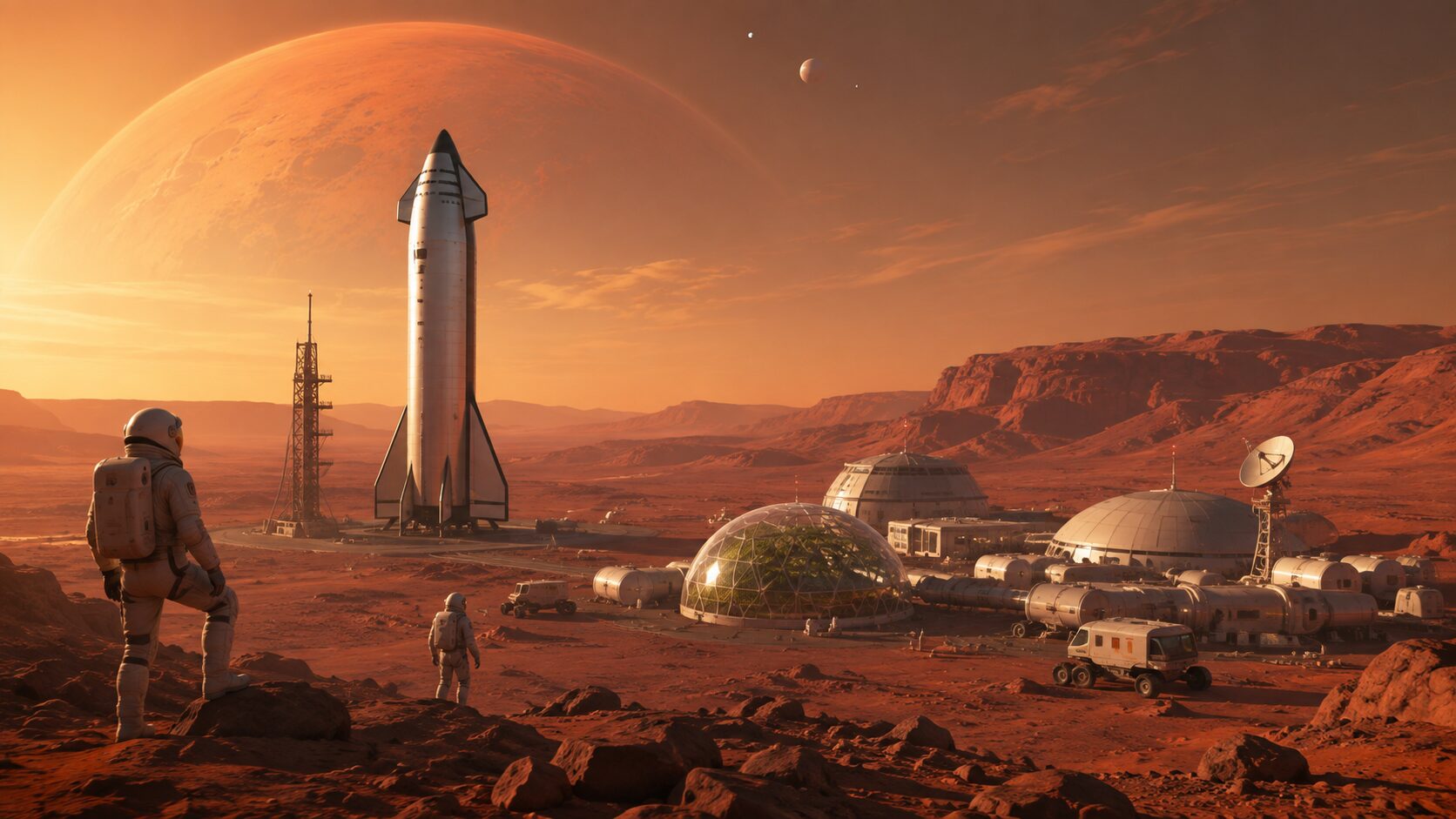
The United States is already testing a super-heavy spacecraft, China is preparing to return Martian soil, and Europe and Japan are developing technologies for future expeditions. Yet in 2026, no country possesses a complete system capable not only of sending humans to Mars, but also of bringing them home—let alone establishing a permanent settlement.
Not long ago, the colonization of Mars existed somewhere between science fiction and ambitious presentation slides. That has now changed. Orbiters and rovers are operating around and on the Red Planet, humanity has learned how to land heavy robotic spacecraft, fly through the thin Martian atmosphere, and even produce oxygen directly from Martian carbon dioxide.
At the same time, SpaceX is building the reusable Starship system, NASA is formally developing a step-by-step architecture leading from the Moon to Mars, and China is preparing for one of the most difficult robotic missions in the history of spaceflight: returning Martian soil to Earth.
Yet a vast gulf still separates a successful robotic mission from a genuine colony.
In 2026, humanity is unquestionably closer to reaching Mars. But it is still far closer to a first landing than to creating a settlement capable of surviving without constant support from Earth.
Why Mars?
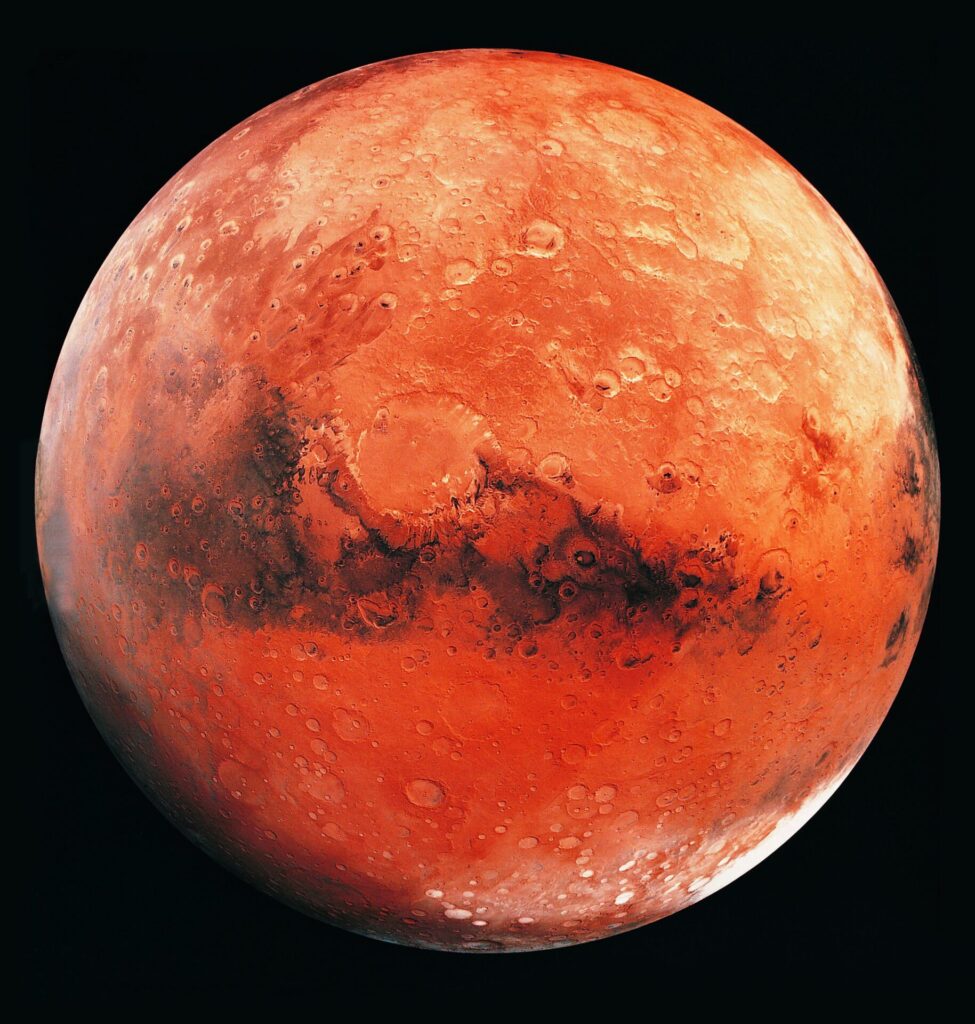
Mars is not a welcoming world. Its average surface temperature is around −63°C, atmospheric pressure is less than one percent of Earth’s, and approximately 95–96% of its atmosphere consists of carbon dioxide. Without a pressurized suit, a human being would die almost immediately.
Even so, Mars remains the most promising candidate for long-term settlement among the worlds currently within humanity’s technological reach.
A Martian day lasts approximately 24 hours and 39 minutes, meaning the human body could adapt relatively easily to the local day-night cycle. Surface gravity is about 38% of Earth’s, far stronger than on the Moon, where gravity is only one-sixth of terrestrial levels. Mars also contains extensive deposits of water ice, while its thin atmosphere could serve as raw material for producing oxygen and rocket fuel.
Water is what makes Mars potentially suitable for more than a short expedition. It could be used for drinking, growing crops, generating oxygen, and producing hydrogen. In theory, a future base could obtain much of what it needs locally instead of transporting every resource across tens or hundreds of millions of kilometers.
For now, however, the phrase “in theory” remains crucial.
What Humanity Can Already Do
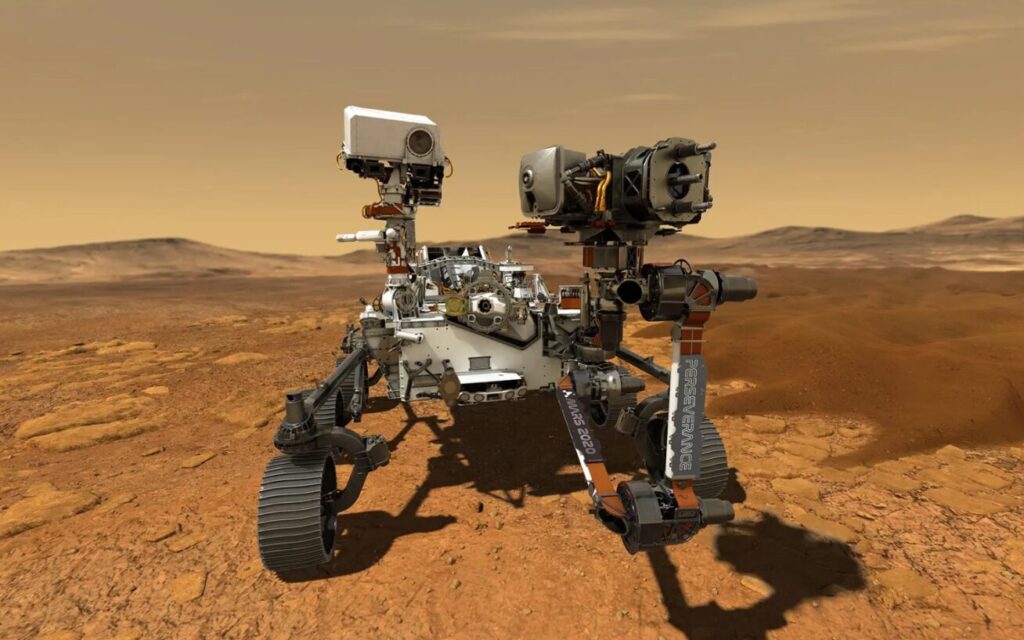
The progress achieved in recent years is easy to underestimate. Several technologies that once existed only on paper have now been demonstrated on Mars itself.
NASA’s Perseverance rover is successfully operating on the planet, collecting samples and exploring the remains of an ancient river delta. The MOXIE experiment carried by the rover became the first device to produce oxygen from the Martian atmosphere.
Across 16 operating cycles, MOXIE generated a total of 122 grams of oxygen, reaching a maximum output of around 12 grams per hour with a purity of at least 98%.
For a human crew, that amount is negligible. The experiment’s importance lies elsewhere. MOXIE proved that the technology works under real Martian conditions, across different seasons and at different times of day.
A full-scale system would need to operate on an entirely different level. A future expedition would require not grams but tens of tons of oxygen. Most of it would not be needed for breathing, but as oxidizer for a spacecraft launching from the Martian surface.
Humanity has therefore demonstrated the principle, but it has not yet built the industrial-scale machine.
The same applies to transportation. Starship is officially designed as a fully reusable system for carrying people and cargo to the Moon, Mars, and beyond. SpaceX claims a payload capacity of more than 100 tons to low Earth orbit in a reusable configuration and openly links the project to the long-term goal of building a self-sustaining settlement on Mars.
But placing 100 tons into Earth orbit is not the same as delivering 100 tons to the Martian surface.
An interplanetary mission would require orbital refueling, months of reliable power and life support, radiation protection, entry into the Martian atmosphere, and the landing of tens or hundreds of tons of cargo without a prepared spaceport.
None of these tasks has yet been solved at full operational scale.
The Hardest Part Is Not Reaching Mars, but Surviving and Returning
A conventional transfer to Mars along an energy-efficient trajectory would take roughly six to nine months. The full expedition, however, would last much longer.
A typical NASA mission architecture may involve around 180 days outbound, approximately 500 days on the Martian surface, and another 180 days for the return journey. Including reserves and operational margins, a crewed mission could last close to three years.
During that time, the crew would face five major categories of risk identified by NASA for deep-space missions: radiation, isolation, distance from Earth, altered gravity, and a confined, hostile environment.
These hazards would reinforce one another, turning a Mars expedition into an unprecedented biomedical experiment.
In low Earth orbit, astronauts remain partially protected by Earth’s magnetic field. On the way to Mars, that shield would disappear. The spacecraft would need radiation protection using water, fuel, food supplies, or specialized shielding materials.
Solar storms would pose a particular danger. During major events, the crew might have to shelter inside a heavily protected compartment.
Communication would also be fundamentally different from communication with the International Space Station. Depending on the relative positions of Earth and Mars, a radio signal can take up to 20 minutes one way.
In an emergency, astronauts would not be able to request instructions and receive an immediate response. Surgery, engine failure, air leakage, or a life-support malfunction would have to be handled independently.
Gravity creates another major unknown. Humanity has extensive experience living under Earth gravity and has accumulated decades of data on microgravity. But no one knows what years at 0.38 g would do to bones, muscles, the cardiovascular system, immunity, pregnancy, or childhood development.
That is why the first landing will not automatically mark the beginning of colonization.
The United States: The Only Country with Almost the Entire Technological Chain
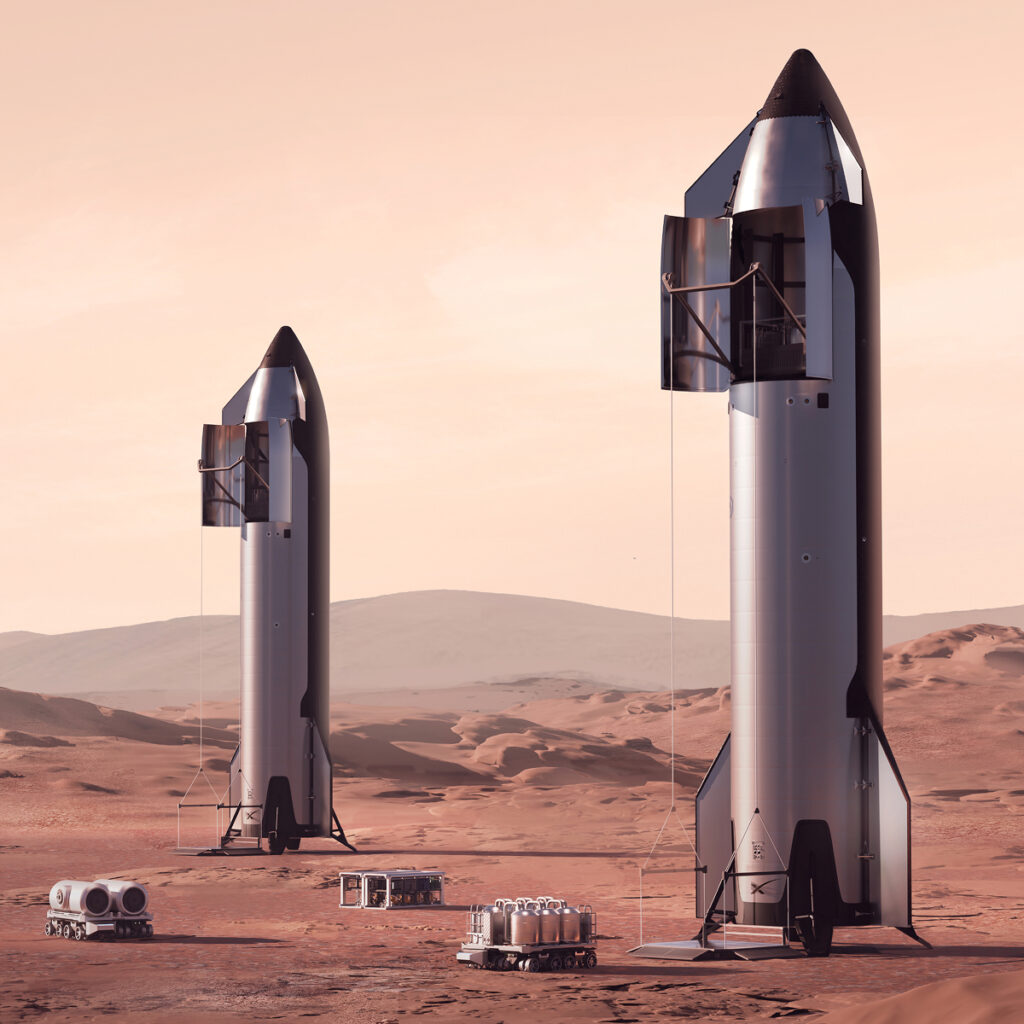
The United States currently possesses the strongest overall foundation for a crewed mission.
NASA operates the largest scientific infrastructure around Mars, has decades of experience in interplanetary navigation, and officially develops the Moon to Mars architecture.
The logic is gradual: return humans to the Moon, learn to operate beyond low Earth orbit for long periods, build lunar infrastructure, and only then move toward crewed missions to Mars.
NASA’s current architecture includes a dedicated Humans to Mars segment, but there is still no formally approved date for the first landing.
America’s greatest advantage is the combination of government capability and private industry.
NASA has the scientific base, communications network, human-spaceflight experience, and budgetary depth needed to support programs lasting decades. SpaceX, meanwhile, is attempting to build the high-capacity transport system without which large-scale Mars exploration would be impossible.
The weakness is that the United States still lacks an integrated, operational system.
Starship must still demonstrate reliable full reusability, orbital refueling, long-duration autonomous flight, and the landing of a heavy spacecraft on Mars. NASA has many of the required technological components, but no complete approved chain linking launch vehicle, interplanetary ship, surface landing system, ascent vehicle, and permanent base.
The United States is closer than anyone else to a crewed expedition, but even its program remains at the stage of assembling the individual pieces.
China: Fewer Grand Promises, More Sequential Progress
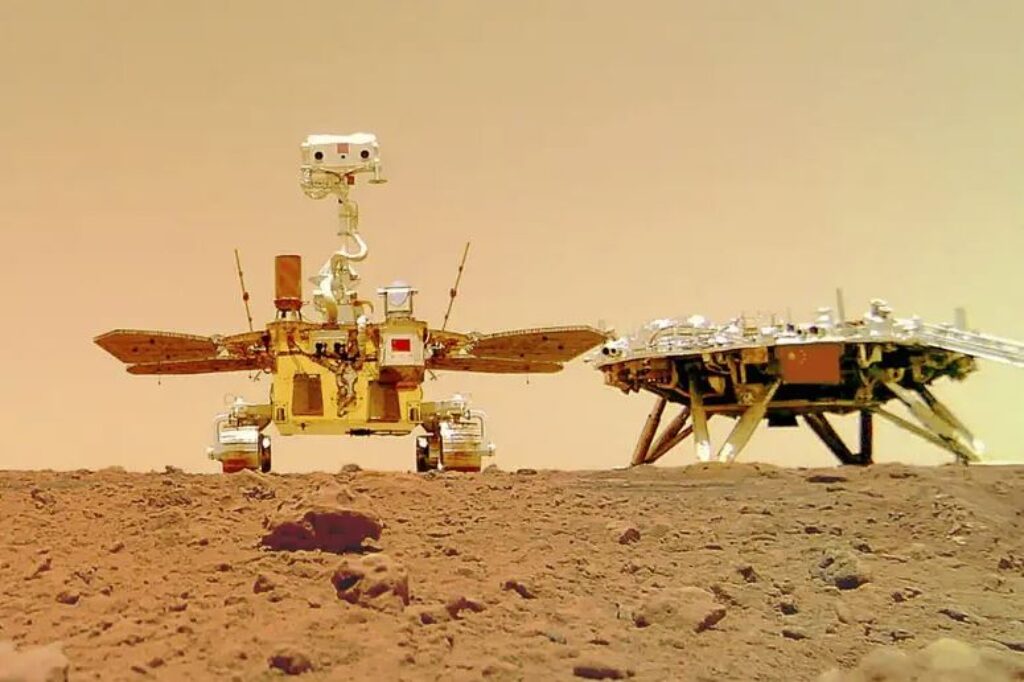
China follows a different model.
Beijing does not publicly promise a Martian city within the next few decades. Instead, it is steadily mastering the operations that would be required for a future expedition.
The Tianwen-1 mission successfully entered Martian orbit, landed, and deployed the Zhurong rover on its first attempt. China thereby joined the very small group of countries capable of operating both in orbit and on the Martian surface.
The next major step is Tianwen-3.
According to current plans, two spacecraft are expected to launch around 2028 on separate Long March 5 rockets. One system would land on Mars, collect samples, and launch them into orbit. The other would retrieve the sample container and return it to Earth around 2030–2031.
Returning samples would represent a much greater achievement than landing another rover. It requires precision landing, autonomous launch from another planet, orbital rendezvous around Mars, and interplanetary return.
In effect, China intends to rehearse a miniature robotic version of the architecture required for a future human mission.
However, Beijing still lacks a publicly approved and fully funded program for sending people to Mars. China is strong in robotic exploration and has shown an ability to carry out long-term plans, but in crewed interplanetary transport it still trails the NASA–SpaceX combination.
Europe and Japan: Advanced Technologies, but No Independent Mars Transport
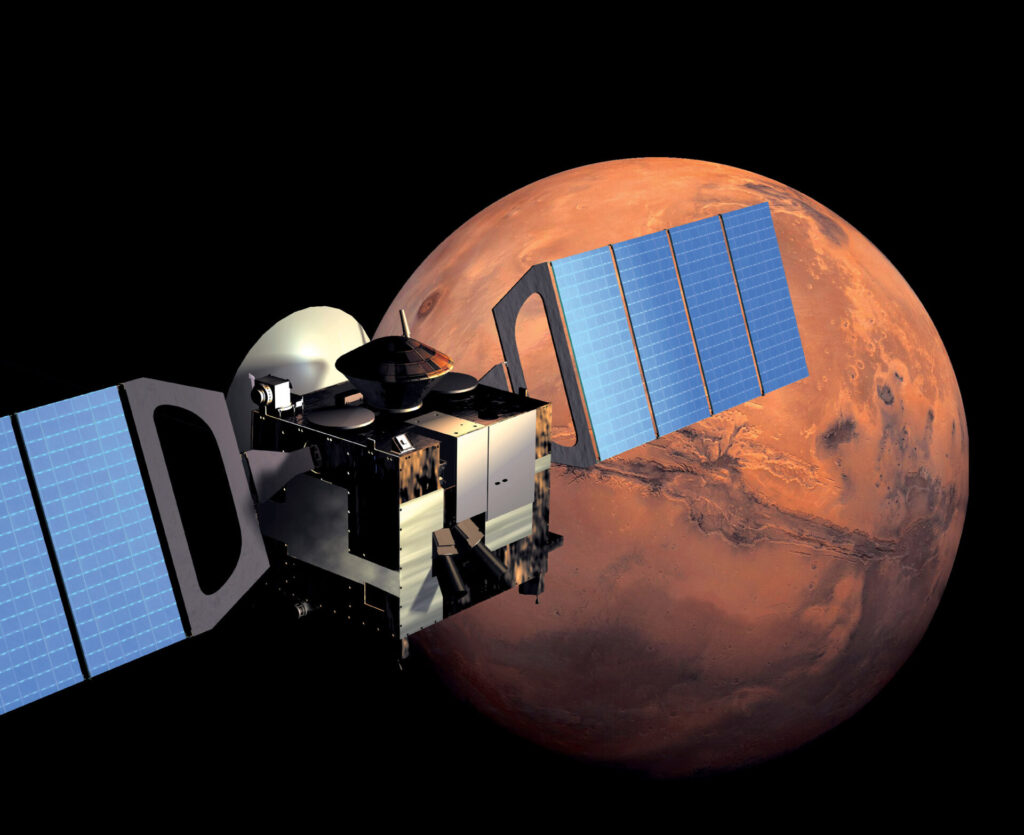
The European Space Agency remains one of the leading scientific participants in Mars exploration.
Mars Express has operated around the planet for more than two decades. The Trace Gas Orbiter studies the atmosphere, while the Rosalind Franklin rover under the ExoMars program is currently targeted for launch in 2028.
Its most important instrument is a drill capable of collecting material from depths of up to two meters, where organic compounds are better shielded from surface radiation.
ESA is also developing technologies for heavy landing, precision navigation, autonomous operation, and future crewed exploration.
Its weakness is clear: Europe has no super-heavy launch vehicle and no independent human-rated interplanetary spacecraft.
A realistic European route to Mars therefore runs through participation in an international mission, most likely alongside NASA.
Japan occupies a similar position.
The MMX mission is intended to study Phobos, collect samples, and return them to Earth in the 2031 fiscal year. Beyond its scientific goals, JAXA sees the mission as a way to master technologies relevant to travel through the Martian system, landing, sample collection, and return.
Europe and Japan could provide many critical elements of a future expedition: scientific instruments, power systems, habitation modules, robotics, and life-support technologies.
But neither currently possesses the means to send humans to Mars independently.
India and Russia: Significant Experience, but Different Priorities
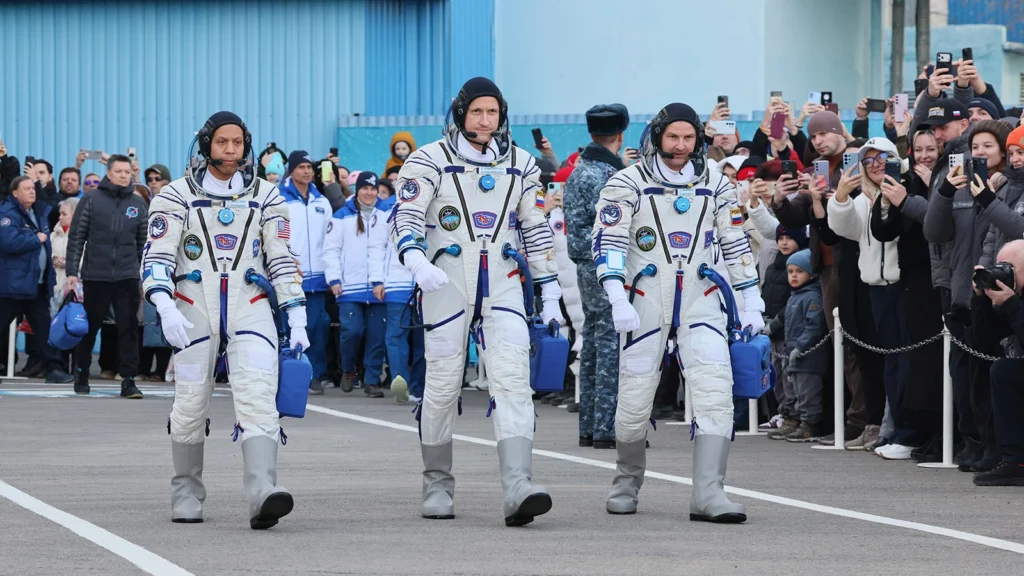
India has already demonstrated interplanetary capability through the Mars Orbiter Mission.
Its current priority is Gaganyaan, which is intended to establish an independent national human-spaceflight capability in low Earth orbit.
In the long term, India speaks about expanding human activity deeper into the Solar System and has announced the goal of a crewed lunar landing by 2040. However, it does not yet have a mature human Mars program.
Russia retains important expertise in long-duration human spaceflight, propulsion, space medicine, and nuclear energy.
Over the years, Russian engineers have discussed nuclear space tugs and advanced propulsion concepts that could be relevant to deep-space missions.
But the current Russian human-spaceflight program is focused primarily on low Earth orbit and the development of a future national orbital station. There is no publicly approved full-cycle human Mars program comparable to those being assembled in the United States or China.
Calling Russia one of the current leaders of the Mars race therefore requires considerable qualification. It retains specific technologies and historical expertise, but it is not presently pursuing a complete Mars architecture.
Who Is Really Leading?
If the comparison is based on actual capabilities rather than public statements, the picture is relatively clear.
The United States leads in crewed spaceflight, funding, super-heavy launch systems, and overall scientific infrastructure. Its key advantage is SpaceX and the possibility of a reusable Starship transport system.
China ranks second but is closing the gap faster than any other country. Its strength lies in a consistent state-led program moving from orbiters to landers and then to sample return.
Europe and Japan remain essential technological partners, but not independent contenders for the first landing.
India is still building its basic human-spaceflight infrastructure.
Russia retains individual competencies but currently lacks an active full-scale Mars program.
At the same time, the term “space race” may be misleading.
The first landing may indeed become a competition between major powers. Building a permanent base, however, will almost certainly require international cooperation or a partnership between governments and several major private companies.
Landing on Mars and Colonizing It Are Entirely Different Challenges
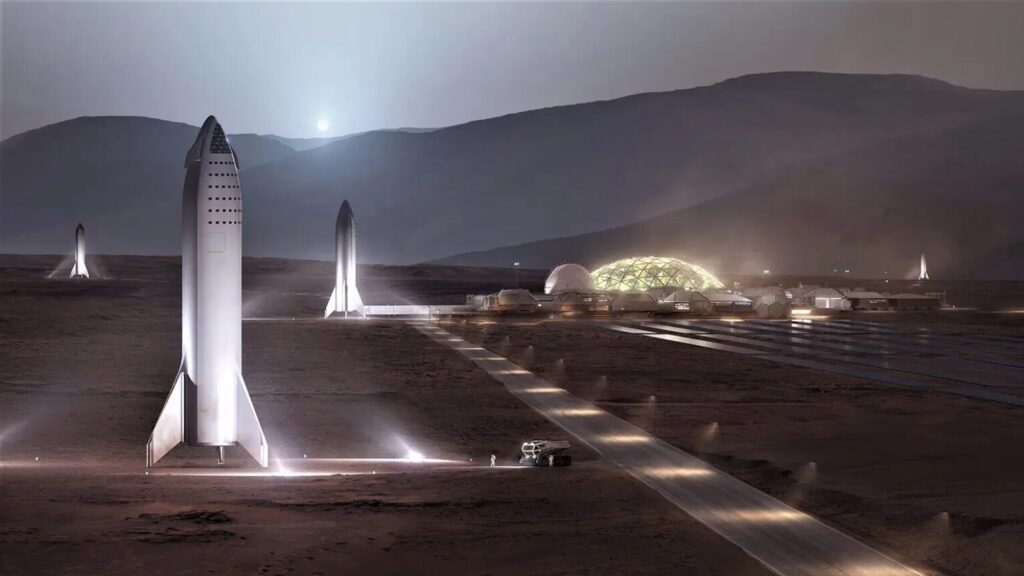
The first astronauts could remain on Mars for several weeks or months using supplies delivered in advance.
That would be extraordinarily difficult, but still fundamentally an expedition.
A colony begins when the settlement can survive a delayed supply mission or the loss of a cargo spacecraft.
That requires habitation modules, power stations, backup energy systems, storage facilities, a medical center, greenhouses, water extraction, oxygen production, fuel manufacturing, workshops, and heavy construction equipment.
Every critical system would need redundancy because replacement parts could take years to arrive.
Even if a single Starship eventually carries more than 100 tons, building a settlement would require not one flight but dozens or hundreds of heavy missions.
SpaceX itself has spoken about the eventual need to deliver millions of tons of cargo to Mars in order to create a self-sustaining city.
That reflects the true scale of colonization. It is measured not in crews and capsules, but in industrial flows.
At first, any base would remain completely dependent on Earth. Later, it might produce water, oxygen, fuel, and part of its food locally.
True autonomy would begin only when settlers could manufacture spare parts, electronics, construction materials, medicines, and complex equipment themselves.
That is the line separating an outpost from a colony.
Where Humanity Stands in 2026
Humanity may be roughly halfway to the first crewed landing, but only a few percent of the way toward a self-sustaining settlement.
We know how to reach Mars, enter orbit, land robotic spacecraft, move across the surface, and produce small amounts of oxygen.
China is preparing to demonstrate launch from Mars and the return of samples. The United States is building super-heavy reusable transport and developing the architecture of a crewed expedition.
But humanity still cannot safely land a spacecraft weighing tens of tons on Mars.
It does not possess a fully closed life-support system for a three-year mission.
It has not solved the radiation problem.
And it has not demonstrated that humans can live for years under Martian gravity.
Most importantly, no one has yet tested the entire chain as a single integrated system.
Conclusion
Mars colonization has ceased to be pure fantasy.
Nearly every basic idea—reusable heavy spacecraft, local resource extraction, oxygen production, robotic construction, and nuclear power—already exists either as a tested technology or as a serious development program.
But that does not mean the first Martian city will appear within ten years.
A more realistic sequence is much less dramatic: robotic cargo missions first, then a short crewed expedition, followed by a small permanently supplied base. Only decades later might that base begin evolving into a true settlement.
The real question is therefore no longer:
Can humans reach Mars?
They probably can.
The harder question is:
Can they build a world there in which the next major failure does not become the last?