
Black Hawk or Bell? Why Ukraine Faces a Difficult Choice in Building Its Future Helicopter Fleet

Recent reports have revealed that Ukraine continues negotiations with Bell Textron regarding the potential acquisition of UH-1Y Venom utility helicopters and AH-1Z Viper attack helicopters, alongside the possibility of establishing localized production within the country. At the same time, however, another development could reshape those plans entirely.
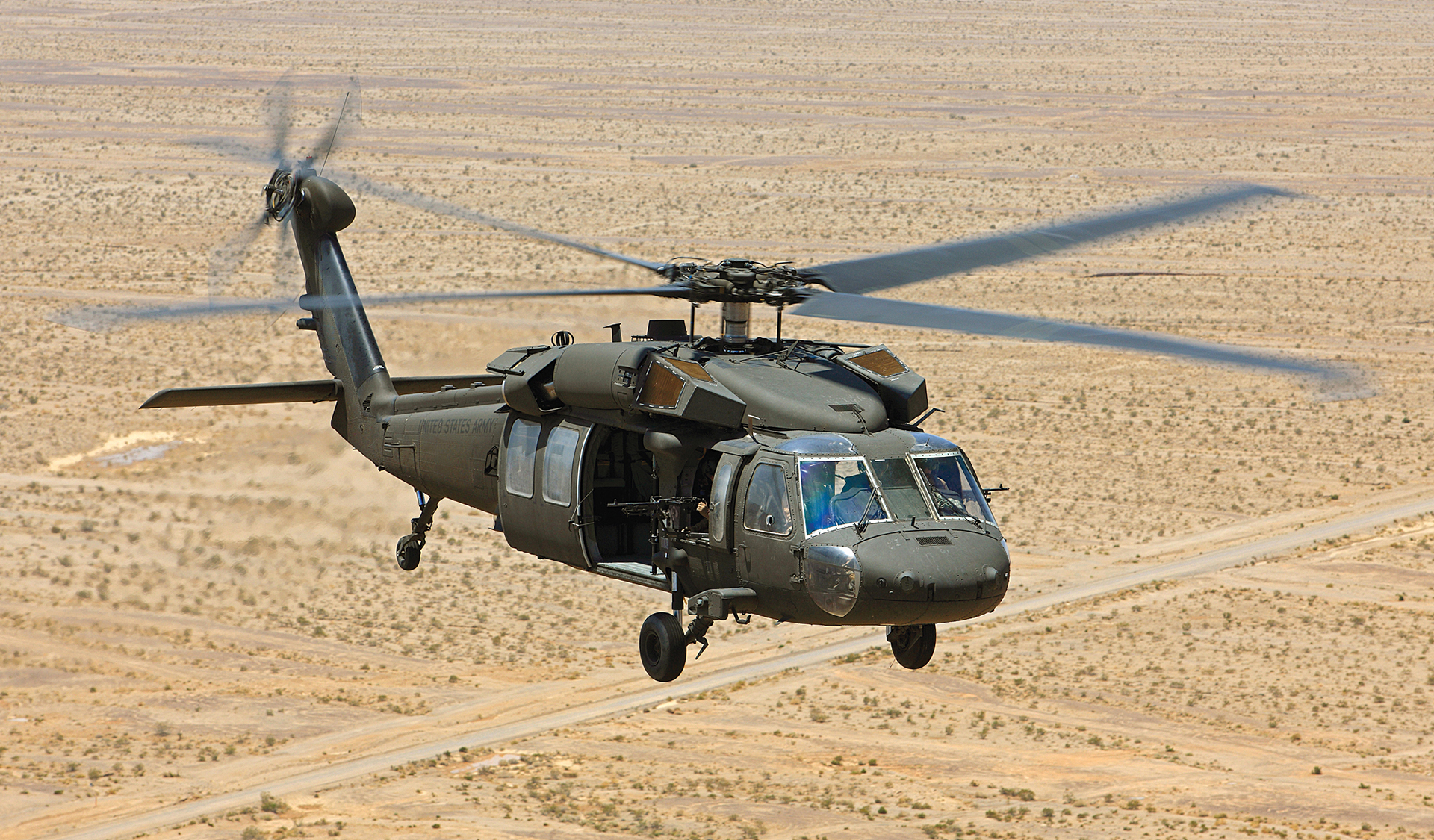
According to Defense Express, Ukraine’s Army Aviation increasingly views the UH-60 Black Hawk as the preferred platform for its future utility helicopter fleet. At first glance, that appears to complicate Bell’s ambitions in Ukraine. In reality, the situation is considerably more nuanced. Rather than competing directly, the two proposals represent different approaches to balancing rapid military modernization, long-term industrial development, and sustainable logistics.
Why the Black Hawk Makes Sense
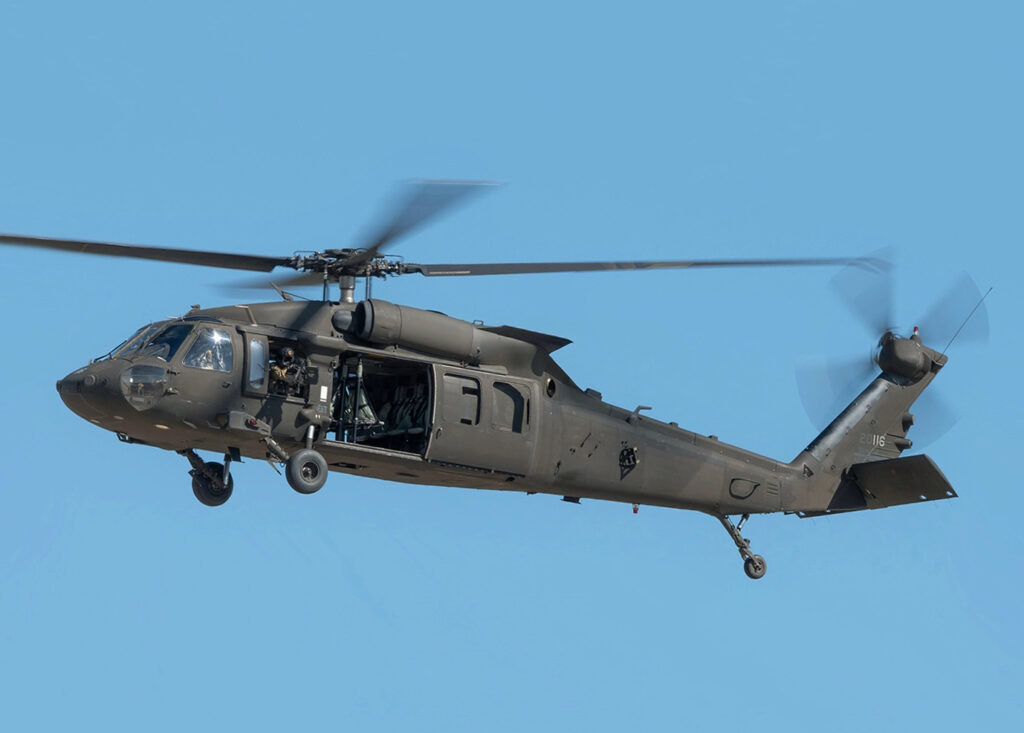
The growing preference for the UH-60 Black Hawk is hardly surprising.
It is one of the most widely used military helicopters in the world. More than 5,000 aircraft have been built in numerous variants, serving with dozens of armed forces across the globe.
That enormous user base brings major advantages.
An extensive maintenance network, abundant spare parts, experienced operators, and a large supply of refurbished airframes make it possible to expand a fleet far more quickly than waiting for newly built aircraft.
For Ukraine, this matters enormously.
The country’s military intelligence service already operates several Black Hawks, and Ukrainian crews have accumulated valuable operational experience with the platform. In addition, surplus helicopters from allied nations could be delivered much sooner than newly manufactured aircraft.
Why Bell Is Still Very Much in the Picture
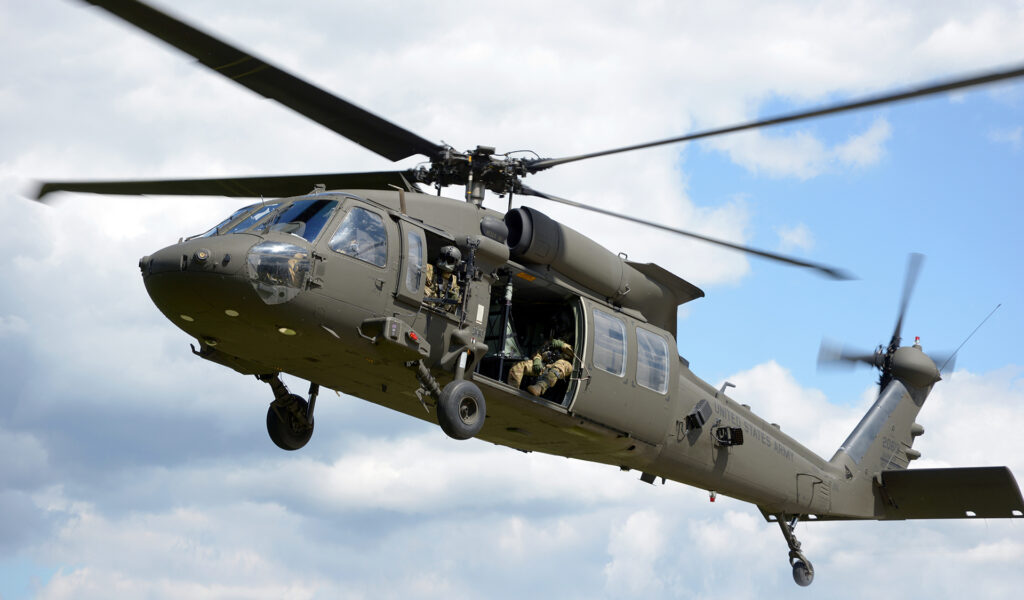
Choosing the Black Hawk does not automatically eliminate Bell from Ukraine’s modernization plans.
Bell is offering much more than helicopters.
The company has established Bell Textron Ukraine, an organization intended to support industrial cooperation, local maintenance, future assembly work, and eventually localized production.
For Ukraine, this proposal extends beyond military procurement.
It offers an opportunity to rebuild part of the country’s aerospace industry while creating domestic maintenance and manufacturing capabilities that could support the fleet for decades.
That long-term industrial partnership remains one of Bell’s strongest arguments.
Venom and Viper Were Designed as One System
171109-M-LR229-0172
Bell’s proposal is centered not on individual aircraft but on an integrated helicopter family.
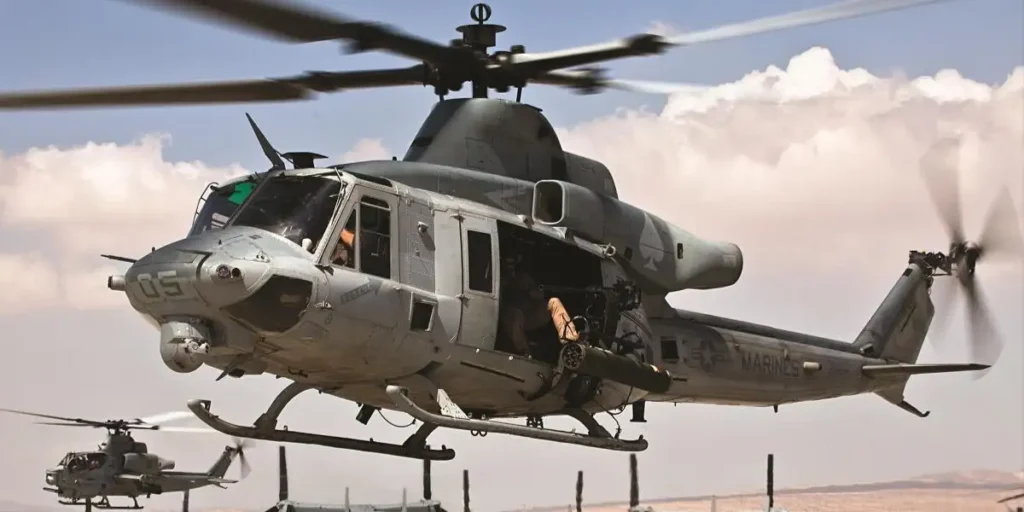
The UH-1Y Venom utility helicopter and AH-1Z Viper attack helicopter were developed simultaneously for the U.S. Marine Corps and share approximately 85 percent of their components.
That includes engines, transmissions, avionics, rotor systems, logistics, and maintenance procedures.
Such commonality offers significant operational benefits.
Training requirements become simpler.
Maintenance costs decrease.
Spare-parts inventories shrink dramatically.
Technical personnel require fewer specialized qualifications.
For any military operating under tight budget constraints, these efficiencies translate directly into lower lifetime operating costs.
This level of standardization remains one of Bell’s most compelling advantages.
A Mixed Fleet May Offer the Best Solution
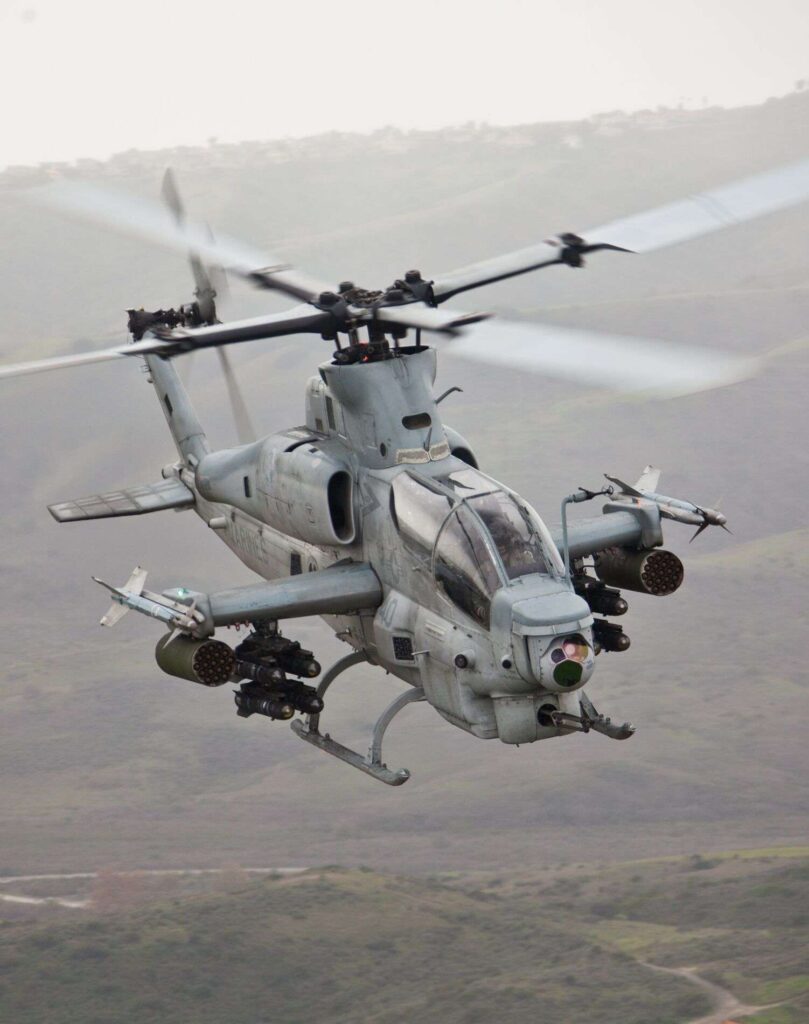
At the same time, adopting the Black Hawk does not necessarily exclude the AH-1Z Viper.
Many defense analysts consider a mixed fleet entirely realistic.
Under such a model, the UH-60 Black Hawk would become the primary utility helicopter, available quickly through existing production lines and surplus inventories.
The AH-1Z Viper, meanwhile, could serve as a dedicated attack platform.
This approach sacrifices some of the logistical simplicity offered by Bell’s fully integrated Venom-Viper family but combines rapid deliveries with access to one of the world’s most capable attack helicopters.
In practical terms, it represents a compromise between maximum standardization and immediate operational needs.
Do Attack Helicopters Still Matter?
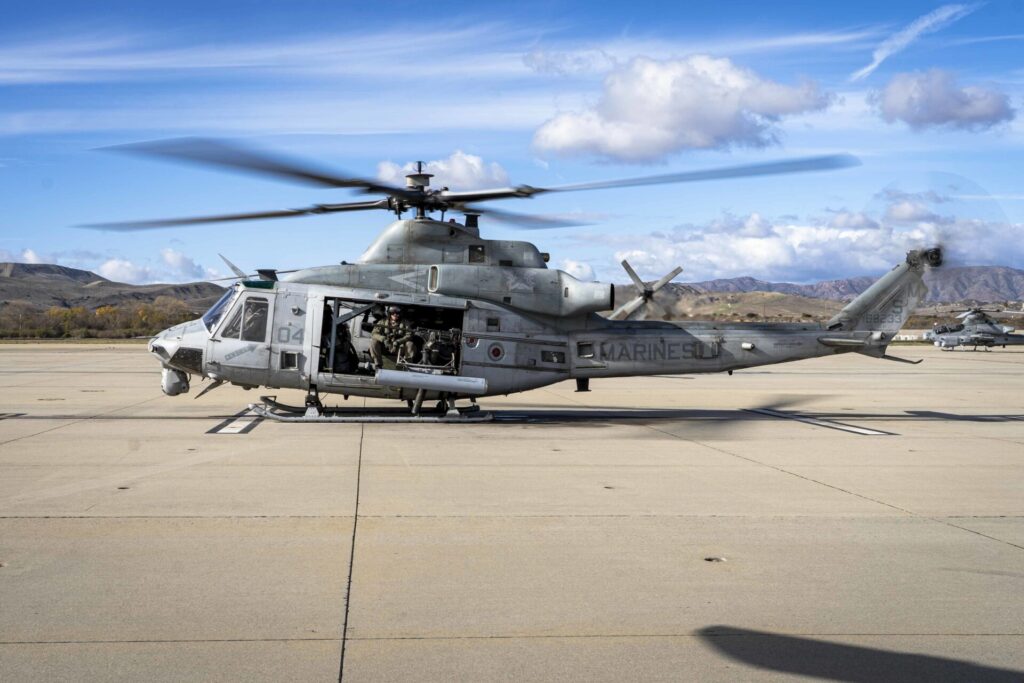
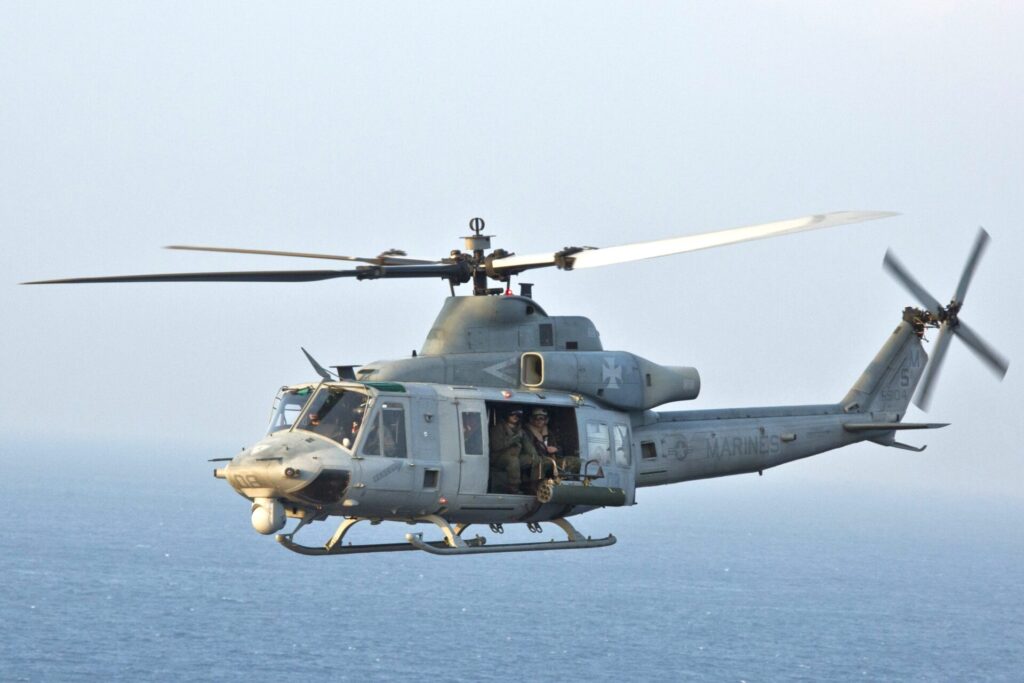
A U.S. Marine Corp UH-1Y Venom with Marine Light Attack Helicopter Squadron 369, Marine Aircraft Group 39, 3rd Marine Aircraft Wing (MAW), prepares to take off for a flight to the amphibious assault ship USS Tripoli (LHA 7) during exercise Steel Knight 23, on Marine Corps Air Station Camp Pendleton, California, Dec. 5, 2022. Exercise Steel Knight provides 3rd MAW an opportunity to refine Wing-level warfighting in support of I Marine Expeditionary Force and fleet maneuver. (U.S. Marine Corps photo by Sgt. Samuel Fletcher)
This question has become increasingly relevant during the war in Ukraine.
The conflict has demonstrated that operating attack helicopters close to the front line has become considerably more dangerous due to the widespread presence of man-portable air-defense systems (MANPADS), anti-aircraft artillery, and electronic warfare.
Yet that does not mean attack helicopters have become obsolete.
Modern rotorcraft continue to provide valuable capabilities, including long-range precision strikes, armed reconnaissance, troop support, and rapid battlefield response.
Another increasingly important mission is counter-drone warfare.
Recent European exercises have demonstrated that helicopters equipped with advanced electro-optical sensors and automatic cannons can effectively engage larger unmanned aerial vehicles, adding another layer to modern air defense.
As drones continue to reshape warfare, helicopters may find themselves performing entirely new roles alongside their traditional missions.
The Biggest Challenge Is Funding
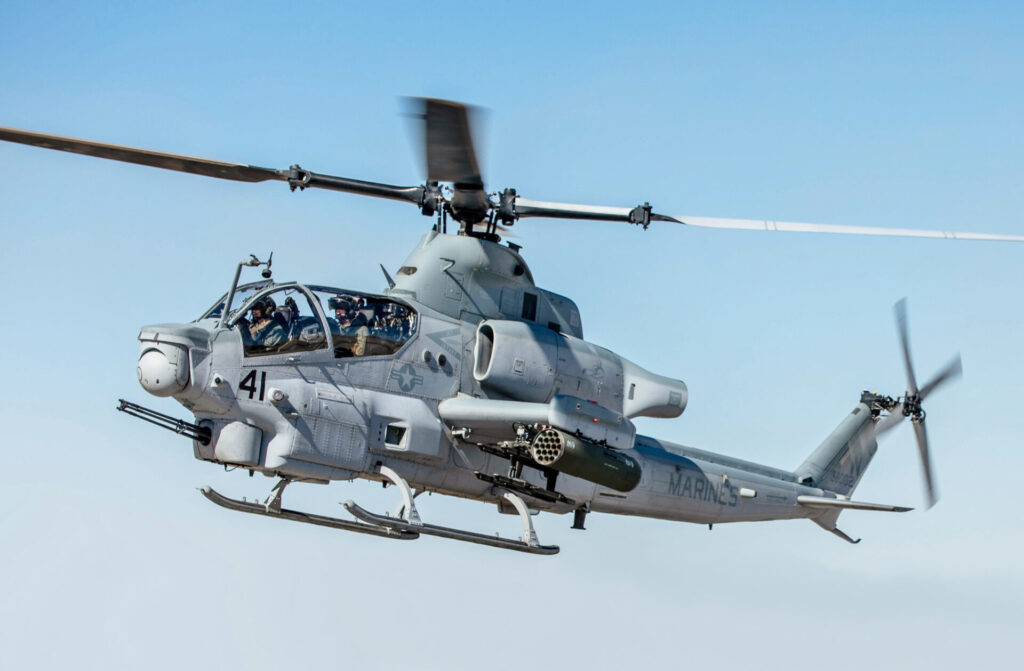
Marines with Marine Light Attack Helicopter Squadron 775, Marine Aircraft Group 41, 4th Marine Aircraft Wing, execute pre-flight checks and procedures on an AH-1Z attack helicopter before take-off at Naval Air Facility El Centro, Calif., Feb. 7, 2022. HMLA-775 provides aviation support that enables the unit to maintain and enhance their mission capabilities and readiness. (U.S. Marine Corps photo by Cpl. Jonathan L. Gonzalez)
Regardless of which helicopter is ultimately selected, the greatest obstacle remains financial.
Building an entirely new helicopter fleet requires billions of dollars in procurement, infrastructure, maintenance facilities, pilot and technician training, logistics, and long-term sustainment.
Local production would demand even greater investment while requiring years before reaching meaningful production capacity.
Ultimately, Ukraine’s decision will depend not only on the relative merits of the Black Hawk, Venom, or Viper but also on the scale of international financial assistance available to support such an ambitious modernization effort.
What Ukraine’s Future Helicopter Fleet Could Look Like
The most realistic outcome may ultimately be a combination of both approaches.
Ukraine could rapidly strengthen its Army Aviation by acquiring refurbished UH-60 Black Hawks, taking advantage of their widespread availability, mature logistics, and proven combat record.
At the same time, continued cooperation with Bell Textron could help rebuild Ukraine’s aerospace industry through localized maintenance, industrial partnerships, and the eventual introduction of the AH-1Z Viper as a dedicated attack helicopter.
Such a fleet would not achieve the level of commonality offered by Bell’s fully integrated Venom-Viper concept.
However, it would combine two critical advantages: immediate reinforcement of operational capabilities and the gradual development of a domestic aerospace industrial base.
For that reason, the debate should not be viewed as a simple competition between Black Hawk and Bell.
The most practical solution may ultimately involve both—each platform fulfilling the role for which it is best suited while contributing to the long-term modernization of Ukraine’s military aviation.






