
Czech Narwhal Gets Heavier: New Cruise Missile Variants Keep Their Range While Carrying Warheads of Up to 200 kg

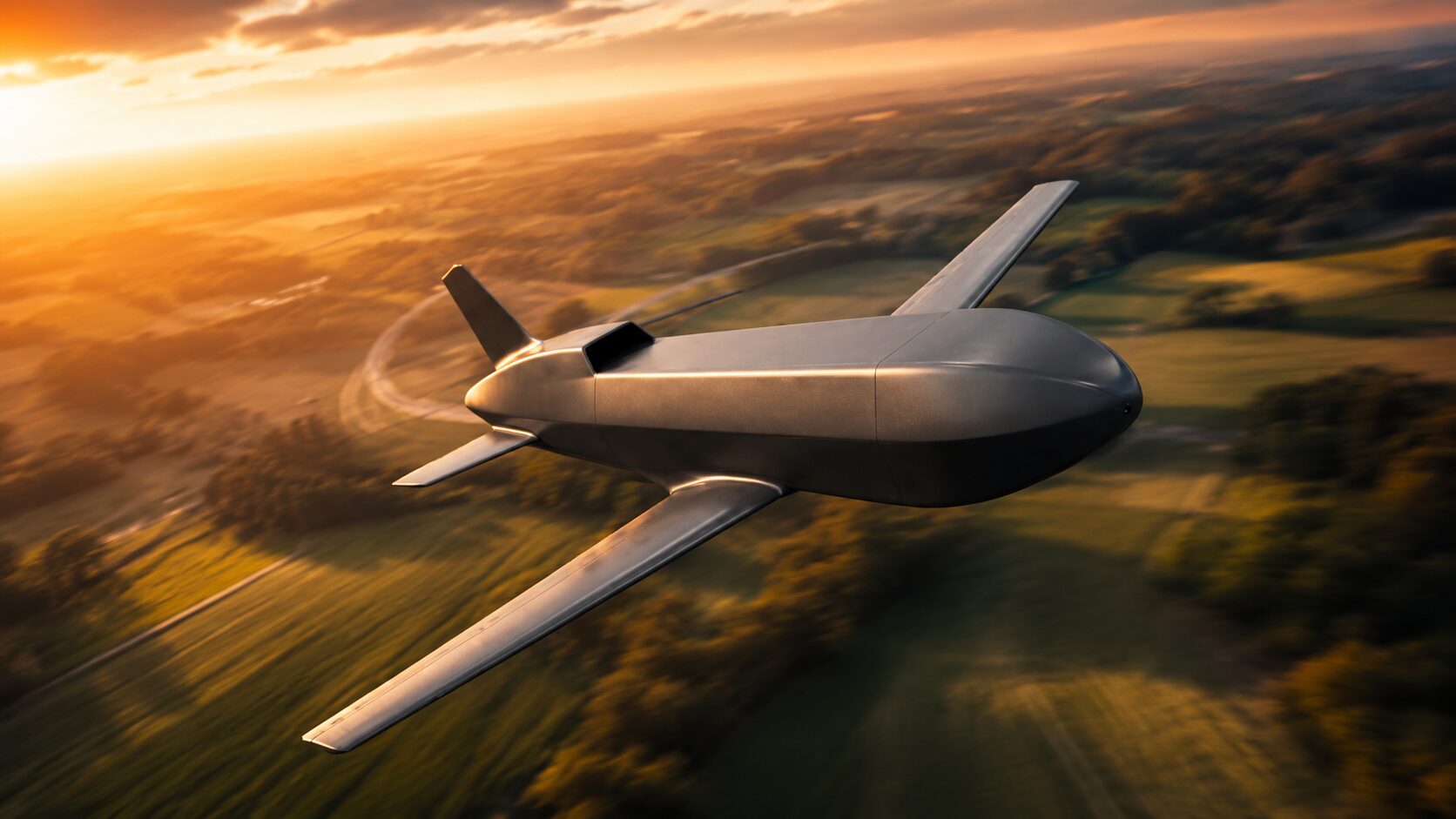
Europe’s defense industry is becoming increasingly active in the race to develop long-range precision-guided weapons. Until recently, this field was dominated by systems such as the American Tomahawk, the German Taurus, and the Franco-British SCALP/Storm Shadow. Today, however, smaller European manufacturers are entering the competition with their own indigenous cruise missile designs.
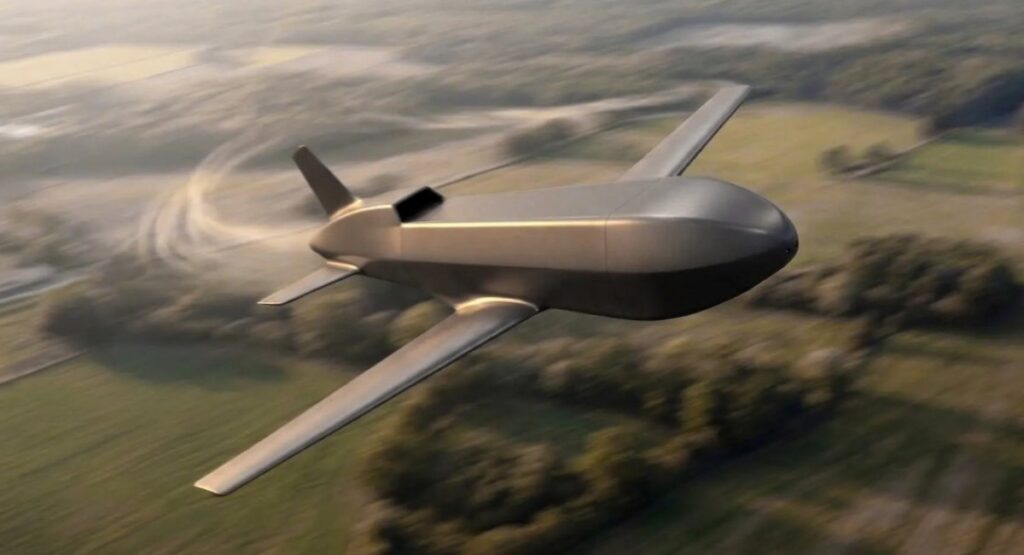
One of the most intriguing projects is the Czech Narwhal cruise missile, developed by LPP Holding. Following successful testing of the original model, the company has now unveiled two new variants equipped with 100 kg and 200 kg warheads. Remarkably, both versions are expected to retain virtually the same range and flight performance as the baseline missile.
From Experimental Project to an Entire Missile Family
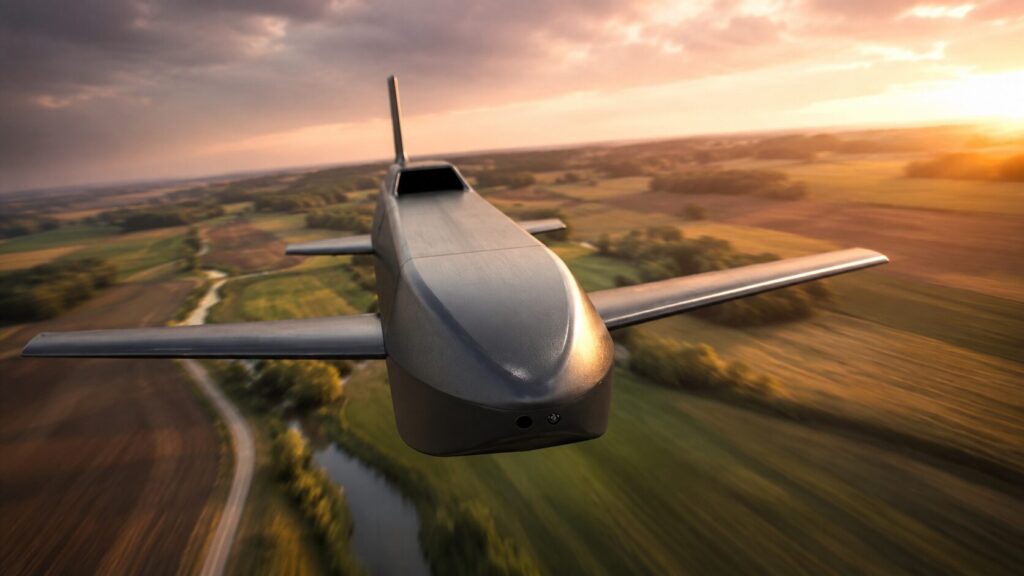
The Narwhal first became publicly known in late 2025 as a compact subsonic cruise missile designed to deliver precision strikes against high-value targets at long distances.
Since then, the project has evolved into an entire missile family.
LPP Holding is now developing three different versions:
- Narwhal 140 — the original lightweight variant;
- an intermediate version carrying a 100 kg warhead;
- Narwhal 540 — the largest model equipped with a 200 kg warhead.
This modular approach mirrors the philosophy used in modern aircraft families, where a common platform is adapted for different operational requirements.
Twice the Warhead Without Losing Range
The most surprising aspect of the new missiles is that their flight performance remains almost unchanged.
According to the manufacturer, all variants retain:
- a maximum range of approximately 638 km;
- a top speed of around 750 km/h;
- subsonic flight characteristics;
- a common guidance architecture.
Normally, increasing a missile’s payload significantly reduces its range unless a more powerful engine is installed.
LPP Holding chose a different solution. The heavier Narwhal 540 features an enlarged fuselage that accommodates additional fuel, compensating for the increased payload weight.
The company has not disclosed every engineering modification, but the redesign clearly required substantial changes to the missile’s internal layout.
Artificial Intelligence Instead of GPS Alone
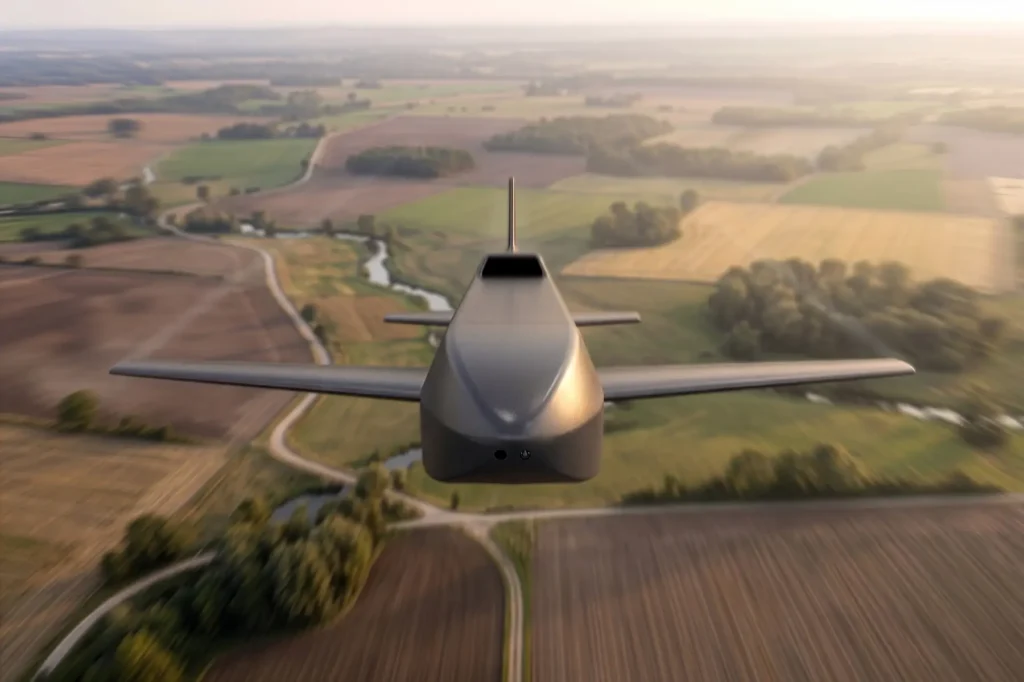
Another notable feature of the Narwhal is its guidance system.
Unlike many earlier cruise missiles that rely primarily on satellite navigation, the Czech design employs a multi-layered navigation package combining:
- inertial navigation;
- satellite positioning;
- visual terrain navigation;
- artificial intelligence algorithms capable of recognizing terrain features and correcting the flight path.
This approach is particularly valuable in modern electronic warfare environments where GPS signals may be jammed or spoofed.
If satellite navigation becomes unavailable, the missile can continue toward its target by comparing real-time imagery with preloaded digital terrain maps.
What Is Known About the Narwhal 540?
The most detailed specifications released so far concern the largest member of the family.
The Narwhal 540 features:
- launch weight of 540 kg;
- length of 4.9 meters;
- wingspan of 3.4 meters;
- 200 kg high-explosive warhead.
For comparison, the original Narwhal weighed approximately 260 kg and measured about 4 meters in length.
In other words, the missile’s overall weight has nearly doubled while preserving nearly identical range and speed.
Conflicting Information About the Original Warhead
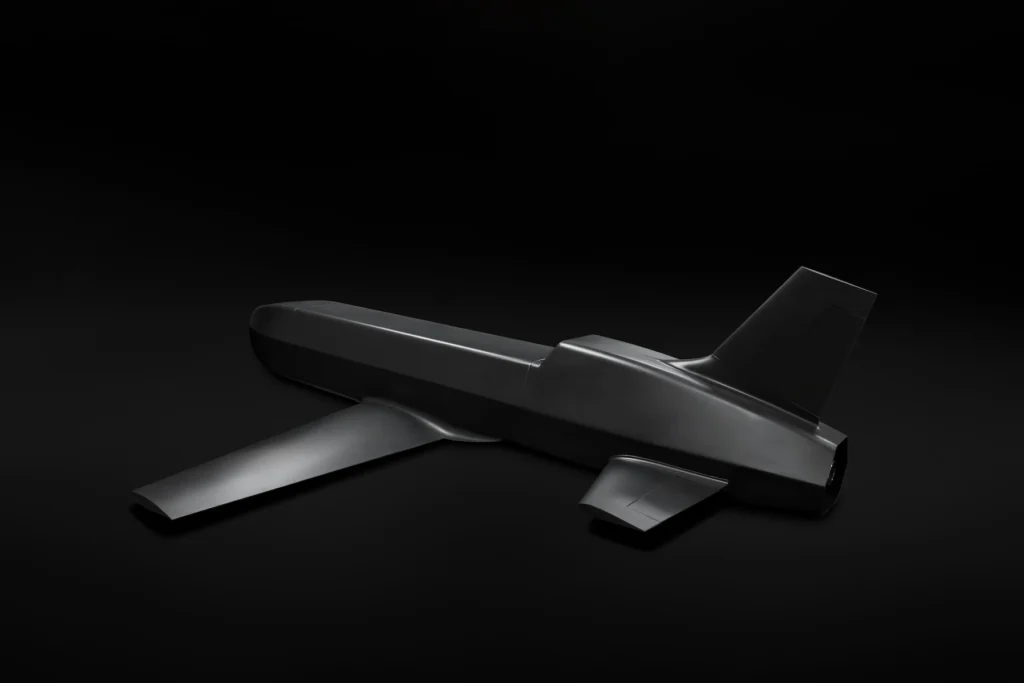
One interesting detail concerns the baseline Narwhal.
When the missile was first introduced, it was reported to carry a warhead weighing up to 120 kg.
Now, however, LPP Holding has introduced a separate 100 kg version, raising questions about those earlier figures.
The company’s current specifications indicate that the Narwhal family supports payloads ranging from 40 kg to 200 kg.
This has led many defense analysts to believe that the initial published specifications were preliminary and that the original Narwhal 140 actually carries a warhead closer to 40 kg, while the new variants fill the medium- and heavy-payload segments.
Combat Testing Remains Unconfirmed
Last year, reports suggested that the Narwhal might undergo its final evaluation under real combat conditions.
Ukraine was widely viewed as the most likely environment for such operational testing.
LPP Holding now states that the heavier missile variants were developed after the successful testing of the original version.
However, there is still no official confirmation that the Narwhal has actually been used in combat.
No verified wreckage has been documented, no government has officially acknowledged operational use, and no independent evidence has confirmed combat deployment.
As a result, the missile’s real combat debut remains an open question.
Why This Project Matters
At first glance, the Narwhal may appear to be simply another European cruise missile.
Its broader significance is far greater.
For the first time, the Czech Republic is positioning itself among the relatively small group of countries capable of independently developing modern long-range cruise missiles equipped with advanced guidance systems and multiple payload options.
For Europe, this represents the emergence of another domestic supplier of precision-guided strike weapons, reducing dependence on American, British, or French missile technologies.
If the program reaches full-scale production, the Narwhal could become much more than a single missile. It has the potential to evolve into an entire family of European long-range precision weapons optimized for a wide range of missions—from striking infrastructure and logistics hubs to attacking hardened command centers and other high-value targets.






