
Could Iranian Missiles Reach Ukraine? What Tehran’s Long-Range Arsenal Is Really Capable Of

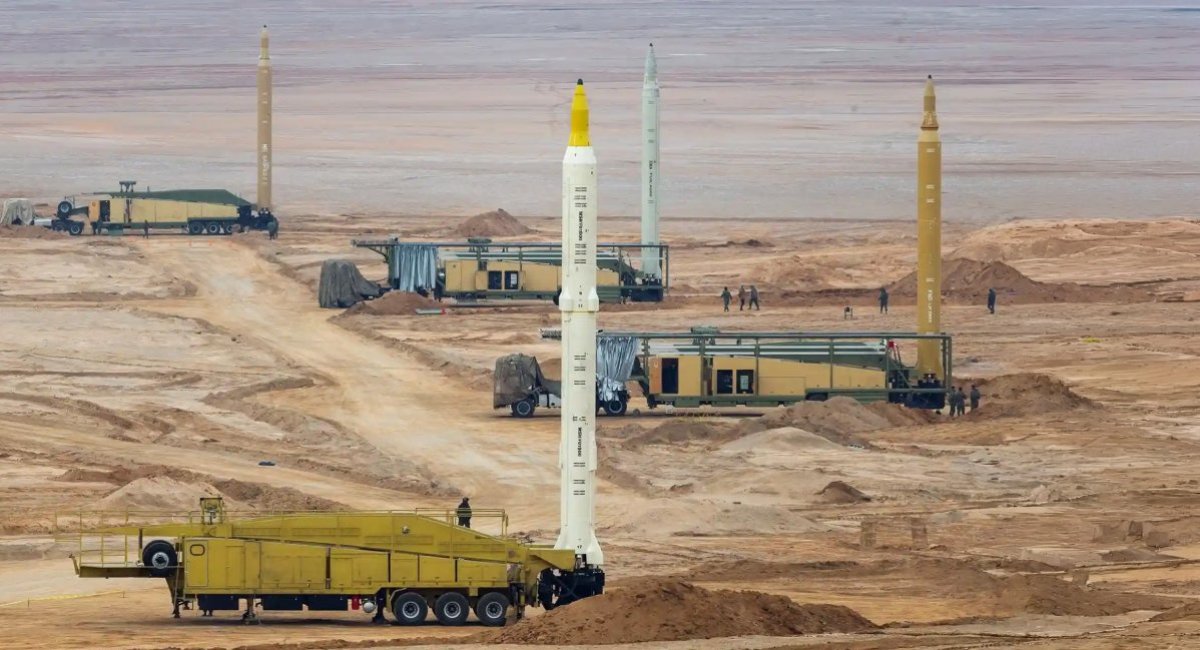
Recent statements from Iranian officials have once again drawn attention to a question that until recently seemed largely theoretical. If political tensions between Tehran and Kyiv were to escalate further, could Iran actually strike targets in Ukraine directly from its own territory?
The answer is more complicated than it may seem.
Yes, Iran possesses several medium-range ballistic missiles capable of flying more than 2,000 kilometers. But being able to reach a target is only part of the equation. Range alone does not determine military effectiveness. Accuracy, the number of available launchers, flight trajectories, and the capabilities of modern missile defense systems all play equally important roles.
How Far Away Is Ukraine?
Looking at the map, the distance from northwestern Iran to Ukraine is roughly 1,700–2,000 kilometers. That places several Iranian missile systems within theoretical striking distance.
The primary candidates are the Ghadr, Emad, and Sejjil ballistic missiles.
All three are generally classified as medium-range ballistic missiles (MRBMs) with publicly reported ranges of approximately 2,000 kilometers, making them theoretically capable of reaching parts of Ukraine if launched from northwestern Iran.
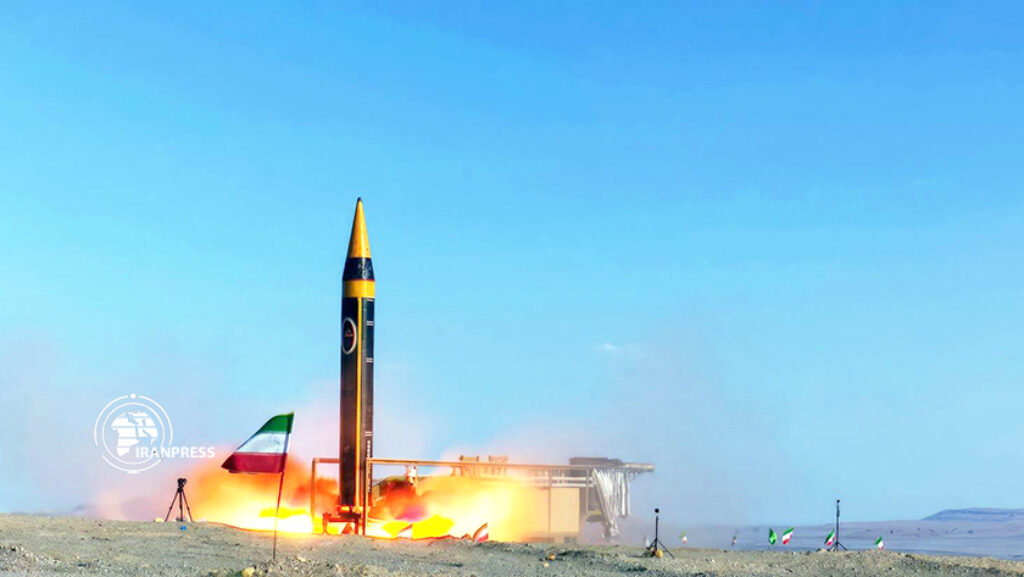
Even greater attention is paid to the Khorramshahr missile.
According to open-source assessments, it is considered the longest-range ballistic missile currently fielded by Iran. Following recent strikes against Israel, some analysts suggested that certain variants could potentially reach distances of around 4,000 kilometers, although these figures remain debated and have not been independently verified.
Which Missiles Would Pose the Greatest Threat?
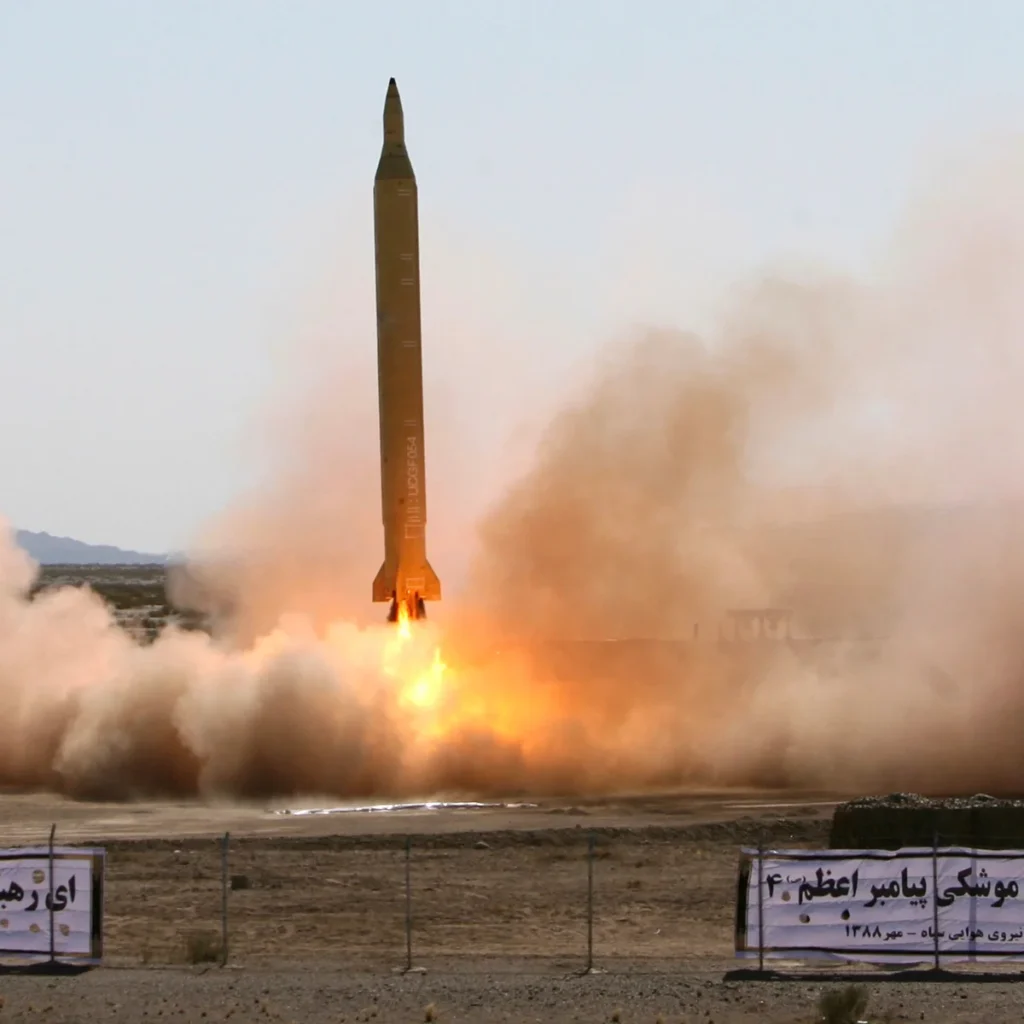
Four missile systems are generally viewed as Iran’s most capable long-range strike assets.
The Ghadr is an improved development of the Shahab missile family, offering greater range and improved accuracy.
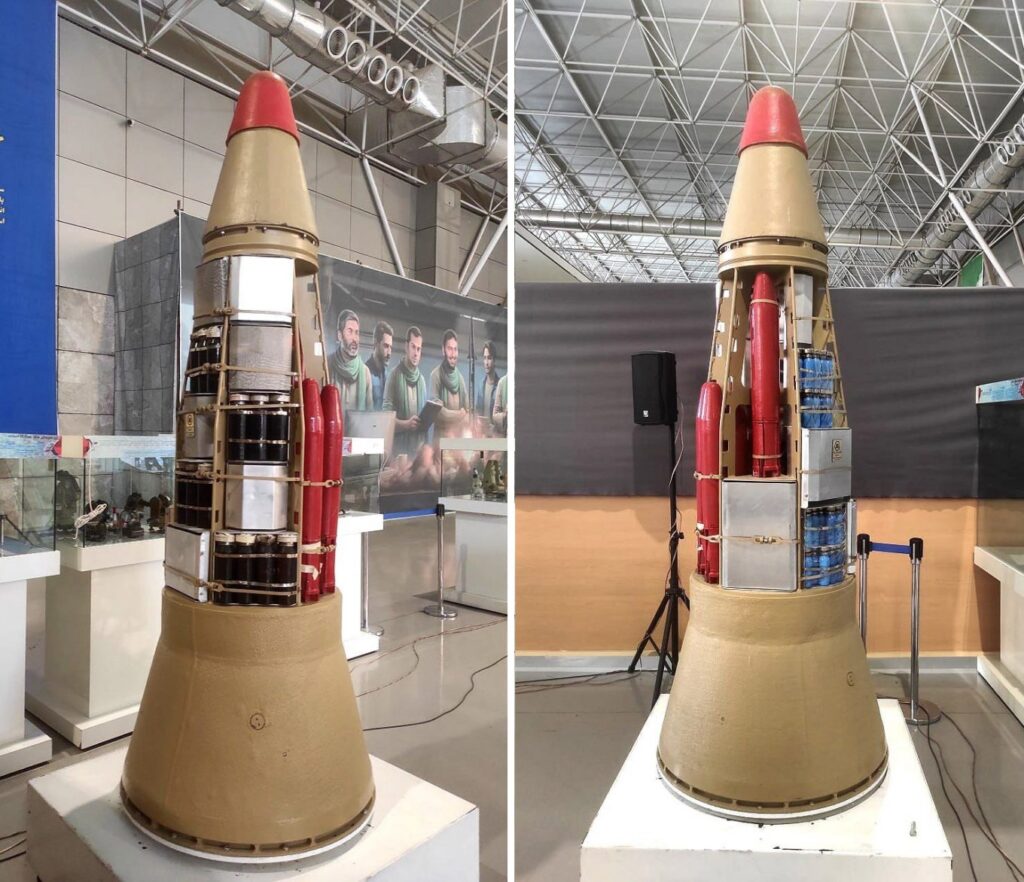
The Emad features a maneuverable reentry vehicle, designed to improve terminal accuracy while making interception more difficult.
The Sejjil stands out because it uses solid-fuel propulsion, allowing it to be launched much more quickly than liquid-fueled missiles, which require lengthy preparation before launch.
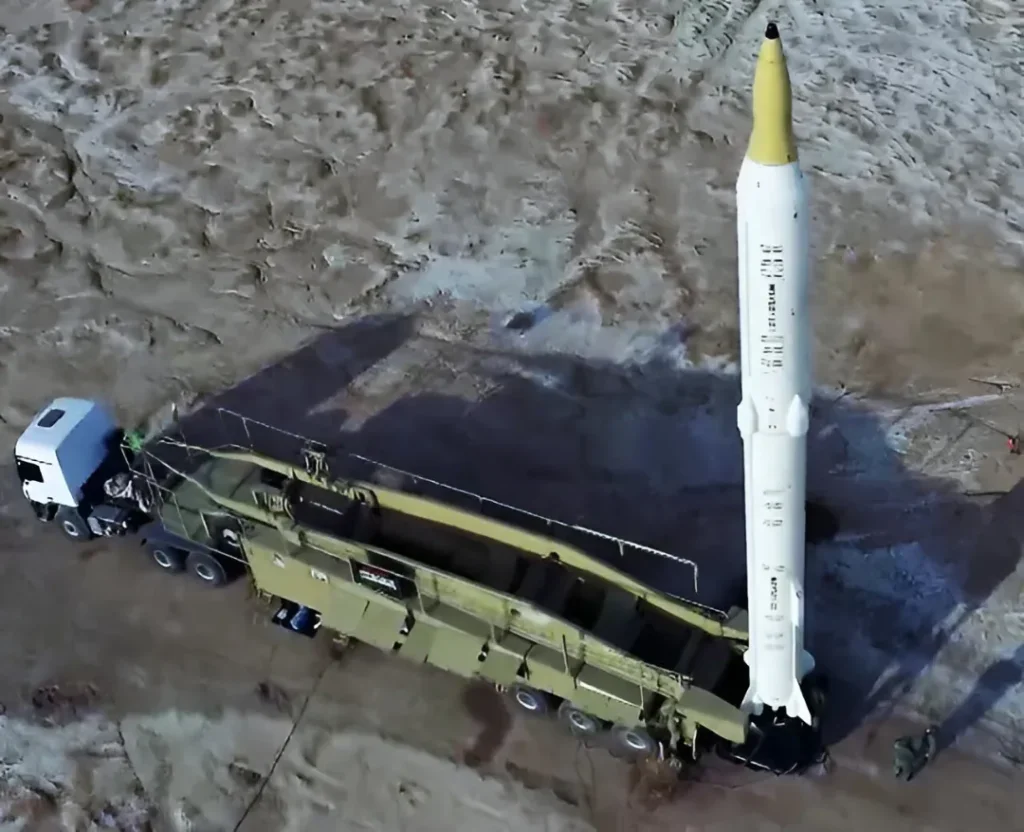
The most powerful system remains the Khorramshahr. Unlike most other Iranian ballistic missiles, it is capable of carrying a significantly heavier payload, making it one of the central components of Tehran’s strategic missile force.
Why Range Is Only Part of the Story
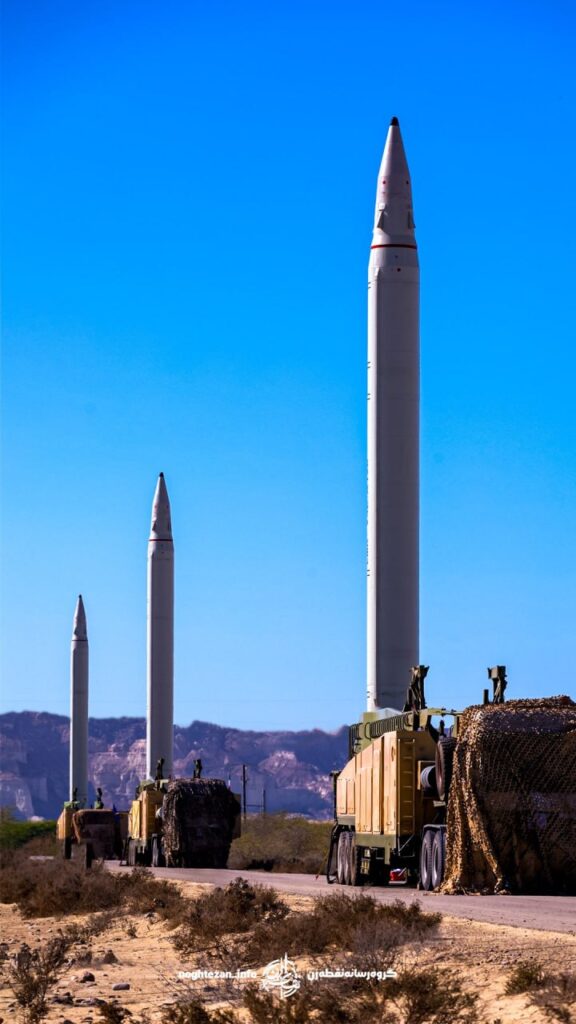
Many people imagine a ballistic missile as little more than an oversized artillery shell.
In reality, the process is far more complex.
After launch, the missile climbs to altitudes of tens or even hundreds of kilometers before following a ballistic trajectory through space. Its warhead then reenters the atmosphere at hypersonic speed before descending toward its target.
Intercepting such weapons is considerably more difficult than shooting down cruise missiles or drones.
Modern missile defense systems must detect the target at high altitude, accurately calculate its trajectory, distinguish real warheads from possible decoys, and launch an interceptor that reaches the interception point within only a few minutes. This makes ballistic missile defense one of the most technically demanding missions in modern air defense.
What Could Stop Them?
Today, the most effective defense against medium-range ballistic missiles comes from specialized missile defense systems.
The most capable systems currently include:
- Patriot PAC-3 MSE
- Arrow missile defense system
- THAAD (Terminal High Altitude Area Defense)
- Future European missile defense programs currently under development
All of these systems were specifically designed to intercept high-speed ballistic targets.
However, even the world’s most advanced missile defense systems cannot guarantee a perfect interception rate. The larger the incoming salvo, the greater the chance that some missiles will penetrate the defensive shield.
This is why modern military doctrine increasingly relies on layered air and missile defense, where multiple systems operate together at different ranges and altitudes.
Does Iran Have Enough Long-Range Missiles?
Another important question concerns the size of Iran’s arsenal.
Iran operates one of the largest ballistic missile programs in the Middle East. Nevertheless, the number of its longest-range missile systems is believed to be significantly smaller than its inventory of short- and medium-range tactical missiles.
Long-range ballistic missiles are also among the country’s most expensive strategic weapons. Producing them requires substantially greater resources than manufacturing shorter-range systems.
As a result, even if Iran possesses the technical ability to conduct long-range strikes, such attacks would likely remain limited rather than becoming a routine military capability.
A Real Military Threat or Strategic Signaling?
From a purely technical standpoint, Iran possesses ballistic missiles capable of reaching Ukrainian territory.
Several missile families have publicly stated ranges that would theoretically allow strikes over such distances.
Yet the ability to reach a target does not automatically translate into meaningful military effectiveness.
Targeting accuracy, intelligence support, the number of available missiles, missile defense capabilities, and the enormous political consequences of such an attack would all heavily influence any real-world scenario.
For this reason, most defense analysts continue to view discussions of direct Iranian strikes against Ukraine primarily as an element of strategic deterrence and political signaling, rather than as an immediate operational threat.
Nevertheless, the existence of Iranian ballistic missiles capable of striking targets far beyond the Middle East serves as another reminder of how rapidly the global balance of missile technology continues to evolve.






