
Why Aircraft Carriers Still Aren’t Dead: The Drone Age Has Changed the Rules, But Not the Kings of the Sea

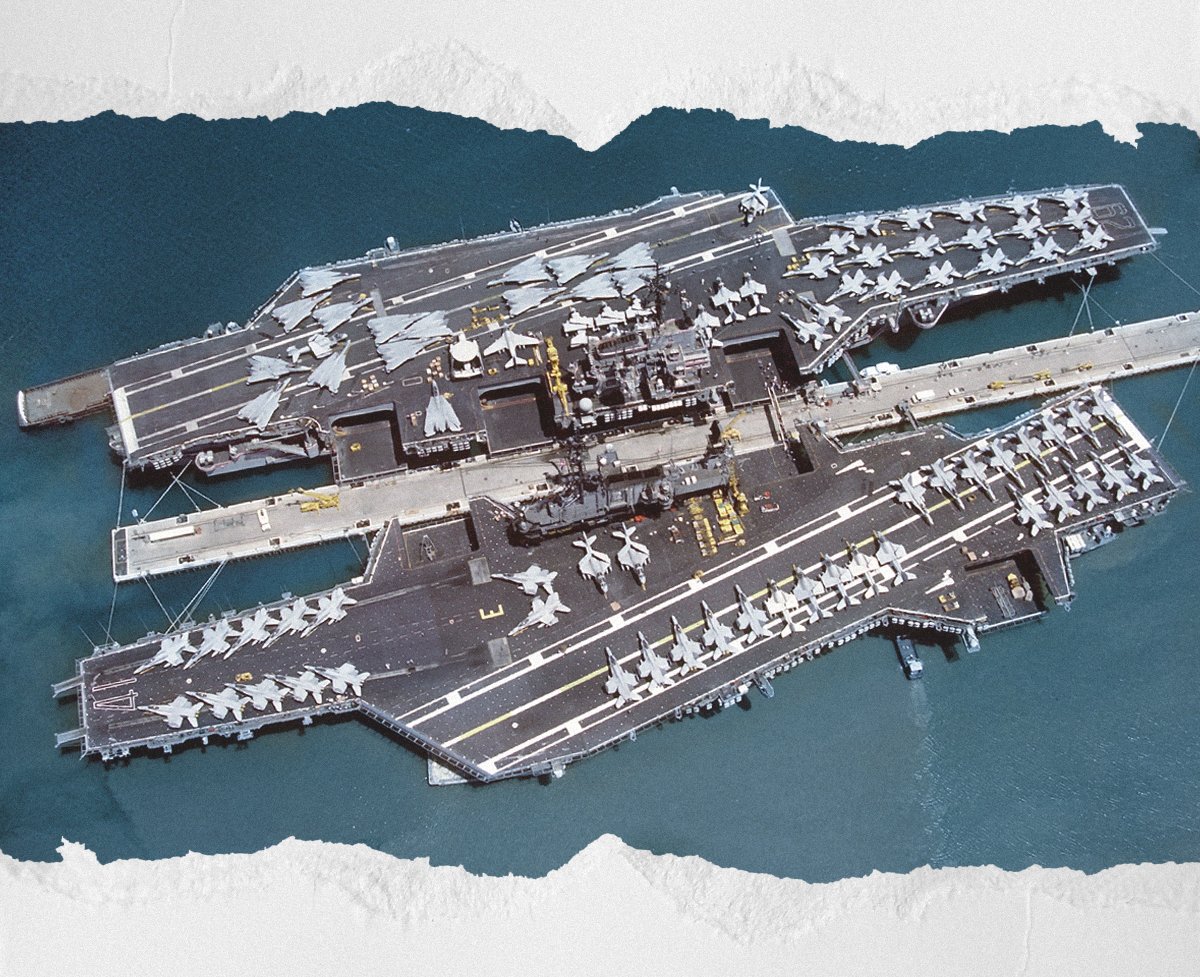
After every major war or high-profile conflict, the same question resurfaces: has the era of the aircraft carrier finally come to an end? People asked it after the arrival of jet aviation, after anti-ship missiles became widespread, after the Soviet Union developed its so-called “carrier killers,” and now again after Ukrainian naval drone strikes and Houthi attacks in the Red Sea.
The logic seems straightforward. If a drone costing tens of thousands of dollars can destroy a warship worth hundreds of millions, what chance does a $13-billion aircraft carrier have?
Yet history keeps producing the same answer. Despite decades of predictions, aircraft carriers have not only survived—they remain the primary tool of power projection for the world’s leading naval powers. The United States continues building the Ford-class carriers, China is testing its third carrier while designing an even larger nuclear-powered successor, India is expanding its own carrier fleet, and even smaller nations increasingly view amphibious assault ships as “mini-aircraft carriers.”
So why do these giants of the sea remain indispensable?
They Have Been Declared Obsolete Before—Many Times

030117-N-9851B-027
At sea with USS Harry S. Truman (CVN 75) Jan. 17, 2003 — The Military Sealift Command ship USNS Spica (T-AFS 9) steams alongside USS Harry S. Truman during an Underway Replenishment (UNREP). Truman and her embarked Carrier Air Wing Three (CVW-3) are on a regularly scheduled six month deployment in support of Operation Enduring Freedom. U.S. Navy photo by PhotographerÕs Mate 2nd Class John L. Beeman. (RELEASED)
The story of the aircraft carrier closely resembles that of the tank.
When anti-tank guided missiles appeared, experts claimed tanks were finished. The same predictions returned with the rise of attack drones. Yet tanks continue to fight—they have simply evolved.
Aircraft carriers have followed the same path.
In 1941, many believed battleships represented the pinnacle of naval power. Pearl Harbor shattered that assumption within months.
Then came supersonic anti-ship missiles.
Later, Soviet Tu-22M bombers armed with Kh-22 missiles were expected to end the carrier era.
Then came hypersonic weapons.
Today, drones are seen as the latest existential threat.
In every case, however, the same mistake has been made: new weapons certainly make aircraft carriers more vulnerable, but they do not make them irrelevant.
An Aircraft Carrier Is Not Just a Ship—It Is a Floating Air Base
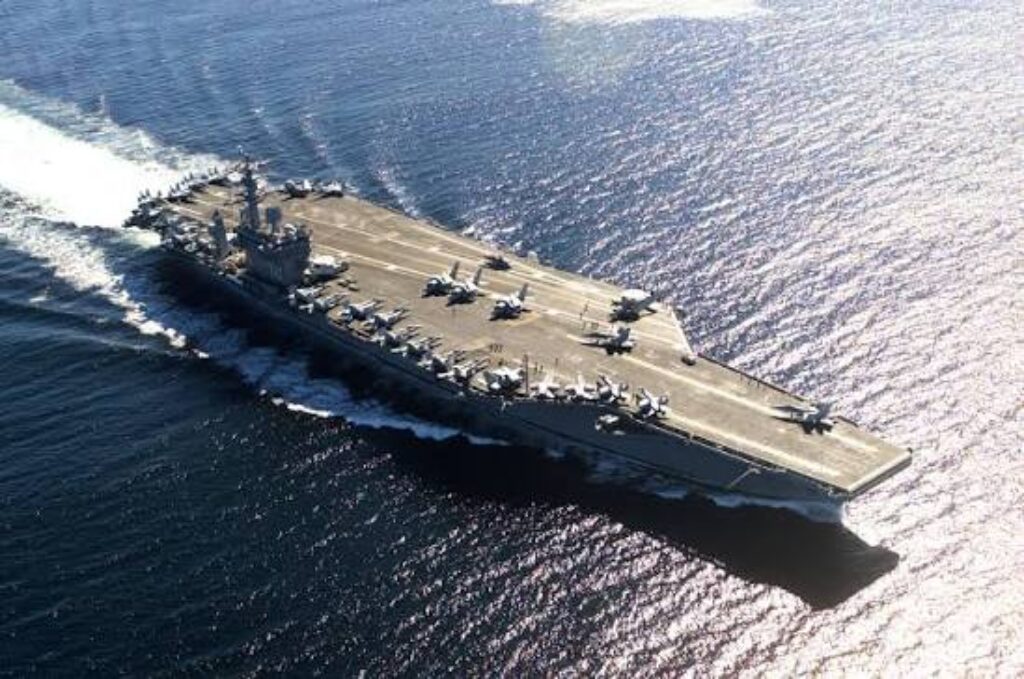
Perhaps the biggest misconception is treating an aircraft carrier as simply another warship.
In reality, it is far closer to a fully equipped military air base.
A modern U.S. aircraft carrier typically operates between 70 and 90 aircraft and helicopters, including:
- Air superiority fighters;
- Strike aircraft;
- Electronic warfare aircraft;
- Airborne early warning and control (AEW&C) aircraft;
- Transport aircraft;
- Search-and-rescue helicopters.
In effect, it carries an entire air wing that can be deployed almost anywhere in the world without requiring permission from any host nation.
That mobility remains its greatest strategic advantage.
Most Wars Are Fought Far From Home Airfields
Critics often ask:
“Why build aircraft carriers when you already have land-based aviation?”
The answer is simple.
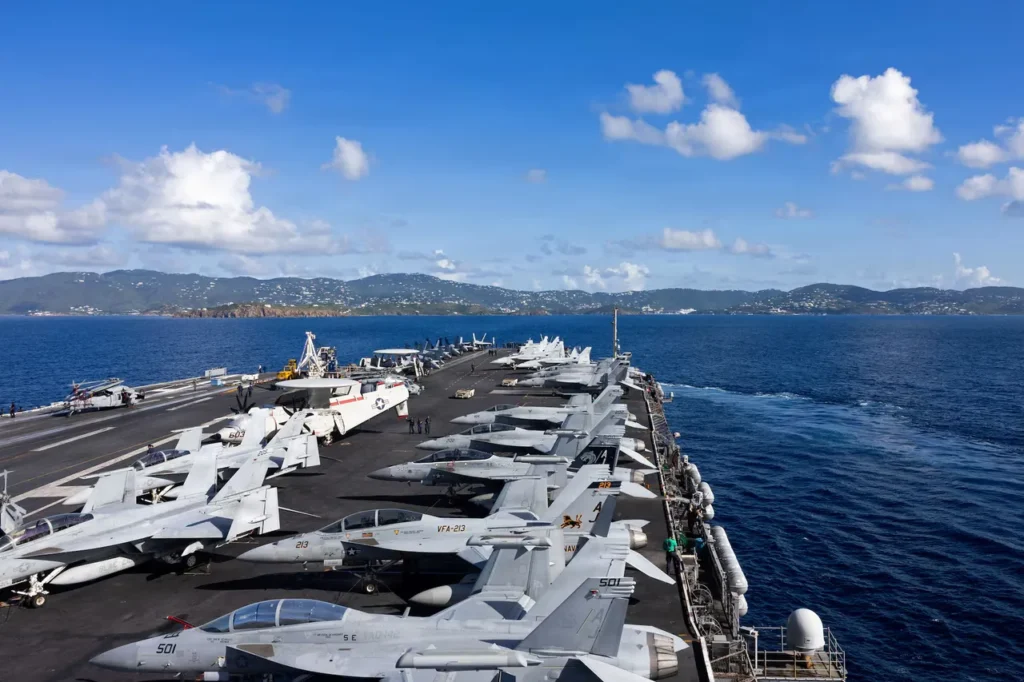
Most military operations occur where friendly air bases simply do not exist.
During campaigns in Afghanistan, Iraq, Libya, Yugoslavia, Syria, and against ISIS, aircraft carriers repeatedly served as the only immediately available airfields capable of sustaining continuous combat operations.
If a crisis erupts tomorrow in the Indian Ocean, the South China Sea, or off the coast of Africa, a carrier strike group can arrive long before a permanent air base could even begin construction.
An Aircraft Carrier Almost Never Fights Alone
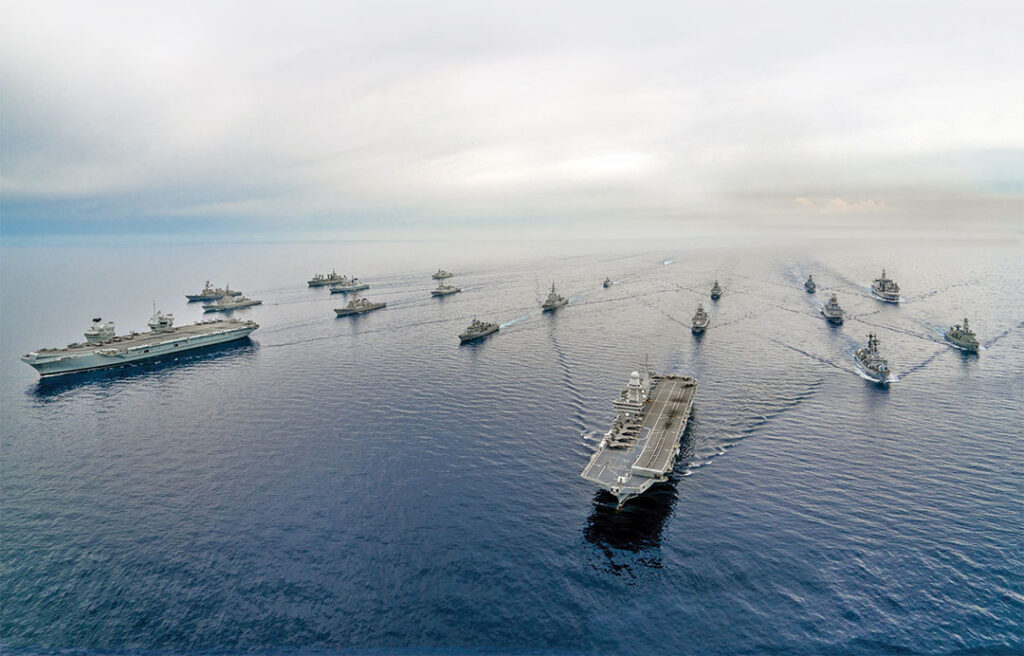
Another common myth portrays the aircraft carrier as a lone, oversized target.
Reality could not be more different.
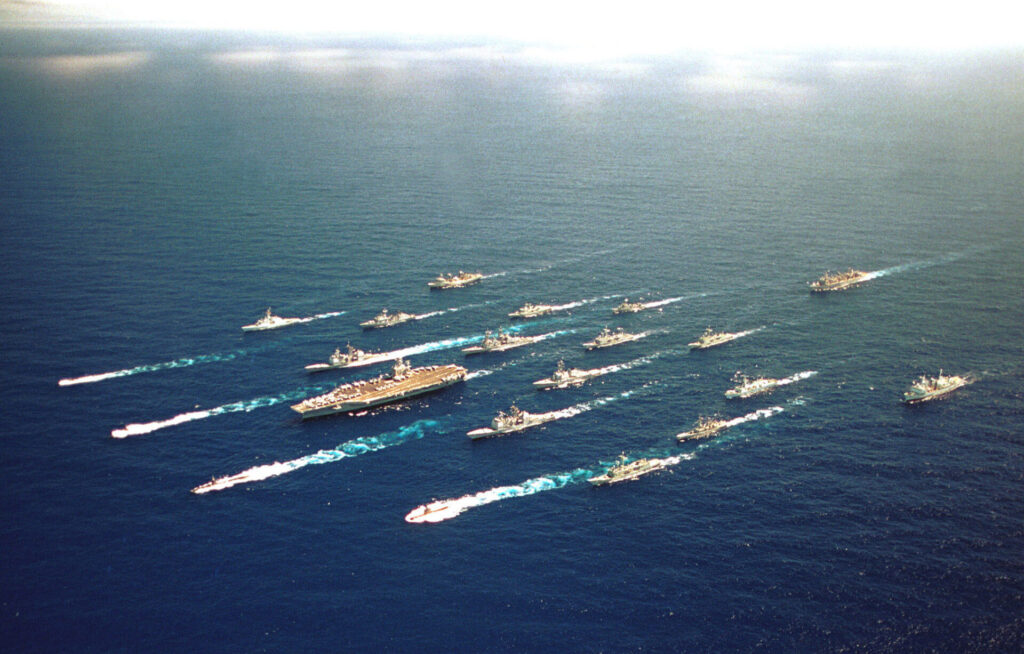
A modern Carrier Strike Group (CSG) is among the most sophisticated military formations ever created.
It typically includes:
- Air-defense destroyers;
- Guided-missile cruisers;
- Nuclear-powered attack submarines;
- Fleet replenishment ships;
- Airborne early warning aircraft;
- Carrier-based fighter squadrons;
- Electronic warfare aircraft.
Each component contributes to a layered defensive network.
An attacker must break through multiple defensive rings before ever reaching the carrier itself.
Drones Are Changing the Battlefield
None of this means drones are not a serious threat.
On the contrary.
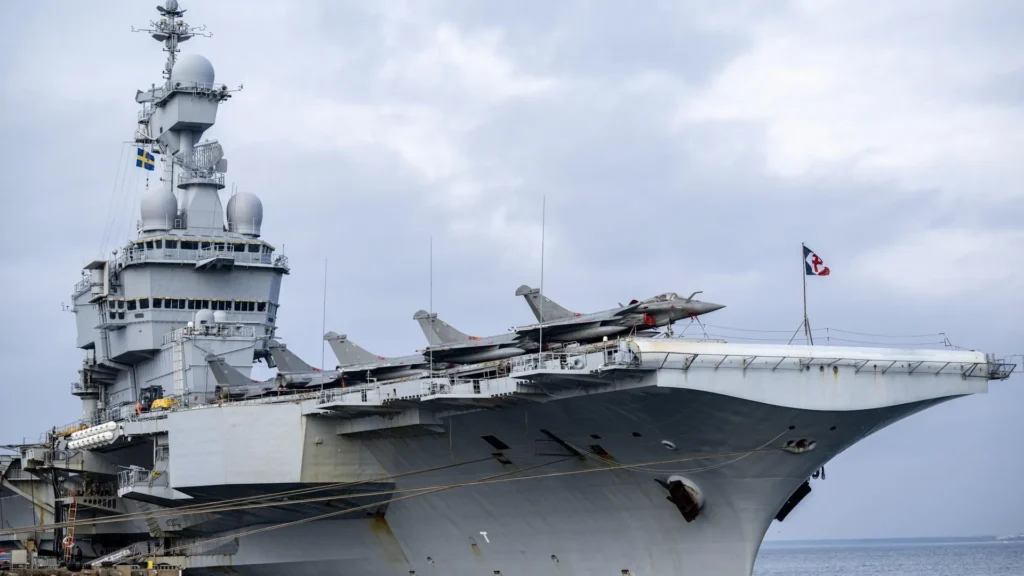
Uncrewed surface vessels, FPV drones, loitering munitions, and inexpensive reconnaissance UAVs are forcing navies to rethink fleet defense.
Where commanders once expected to intercept dozens of incoming threats, they must now prepare to counter swarms numbering in the hundreds.
Yet an interesting trend is emerging.
The cheaper offensive systems become, the more valuable long-range surveillance, airborne detection, and persistent aerial patrols become.
And those are precisely the capabilities that aircraft carriers are built to provide.
The Carrier’s Most Powerful Weapon Is Not Its Missiles
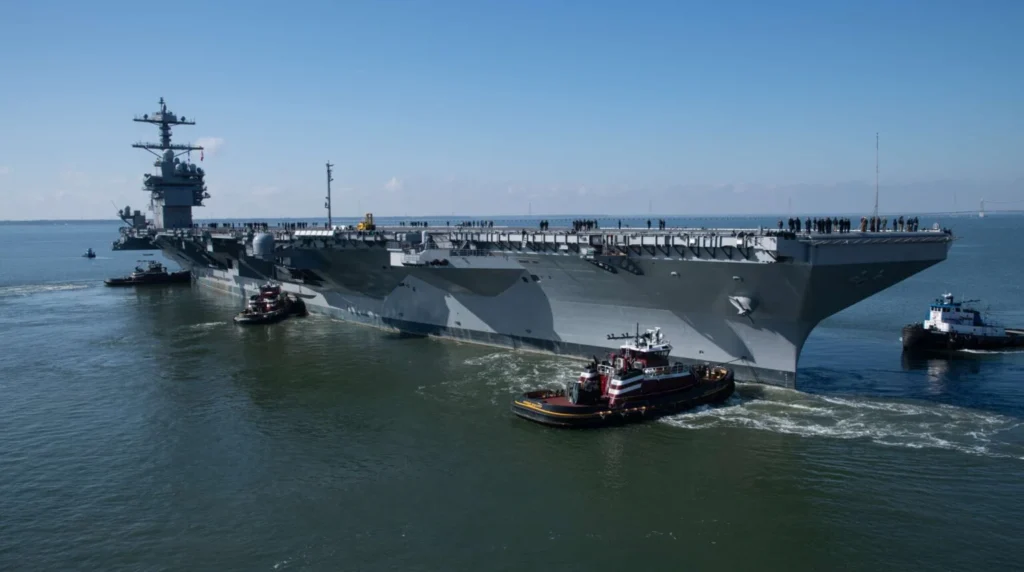
Ironically, the carrier’s greatest strength has never been its missiles.
Its true weapon is information.
Airborne early warning aircraft can detect threats hundreds of kilometers away.
Carrier fighters can intercept missile-launching aircraft long before they reach firing range.
Electronic warfare aircraft can disrupt enemy targeting systems and missile guidance.
In other words, the carrier seeks to destroy the threat before it ever reaches the escort ships.
That is why evaluating an aircraft carrier solely by the number of missiles it carries fundamentally misses the point.
Why China Keeps Building More Carriers
China offers perhaps the clearest example.
Just twenty years ago, many analysts argued that the aircraft carrier was becoming obsolete.
Yet during that very period, Beijing launched the largest naval expansion program of the 21st century.
The reason is obvious.
A nation seeking global influence requires a permanent presence across the world’s oceans.
Shore-based aviation alone cannot provide that.
That is why China is simultaneously investing in:
- Aircraft carriers;
- Modern destroyers;
- Nuclear submarines;
- Carrier aviation;
- Airborne early warning aircraft;
- Fleet support vessels.
In many ways, China is following the same path the United States took decades earlier.
What Will Actually Change
That does not mean aircraft carriers face no challenges.
Their costs continue to rise.
Hypersonic missiles, satellite surveillance, space-based reconnaissance, and mass-produced drones are making carrier operations increasingly complex.
As a result, the aircraft carrier of the future is likely to evolve rather than disappear.
Future carrier strike groups will probably rely far more heavily on:
- Carrier-based unmanned combat aircraft;
- Naval drones;
- Directed-energy weapons such as lasers;
- Advanced electronic warfare systems;
- Artificial intelligence for threat management;
- Dedicated counter-swarm defense systems.
In other words, evolution—not extinction—is the most likely future.
Conclusion
Military history rarely follows the idea that one new technology completely replaces another.
Aircraft did not replace artillery.
Tanks did not replace infantry.
Missiles did not replace air power.
And drones are unlikely to send aircraft carriers into history.
Instead, they will force them to adapt.
As long as nations need to deploy air power thousands of miles from home, protect vital sea lanes, provide air cover for naval task forces, and demonstrate military strength without relying on foreign bases, aircraft carriers will remain among the world’s most valuable strategic assets.
That is why the world’s leading naval powers continue investing tens of billions of dollars in new carrier programs. They understand one simple truth: an aircraft carrier is valuable not because it cannot be sunk, but because no other platform can deliver a fully operational air base to virtually any point on the world’s oceans with the same speed, flexibility, and strategic impact.






