The Men Inside the Sherman: Uniforms and Equipment of American Tank Crews in World War II

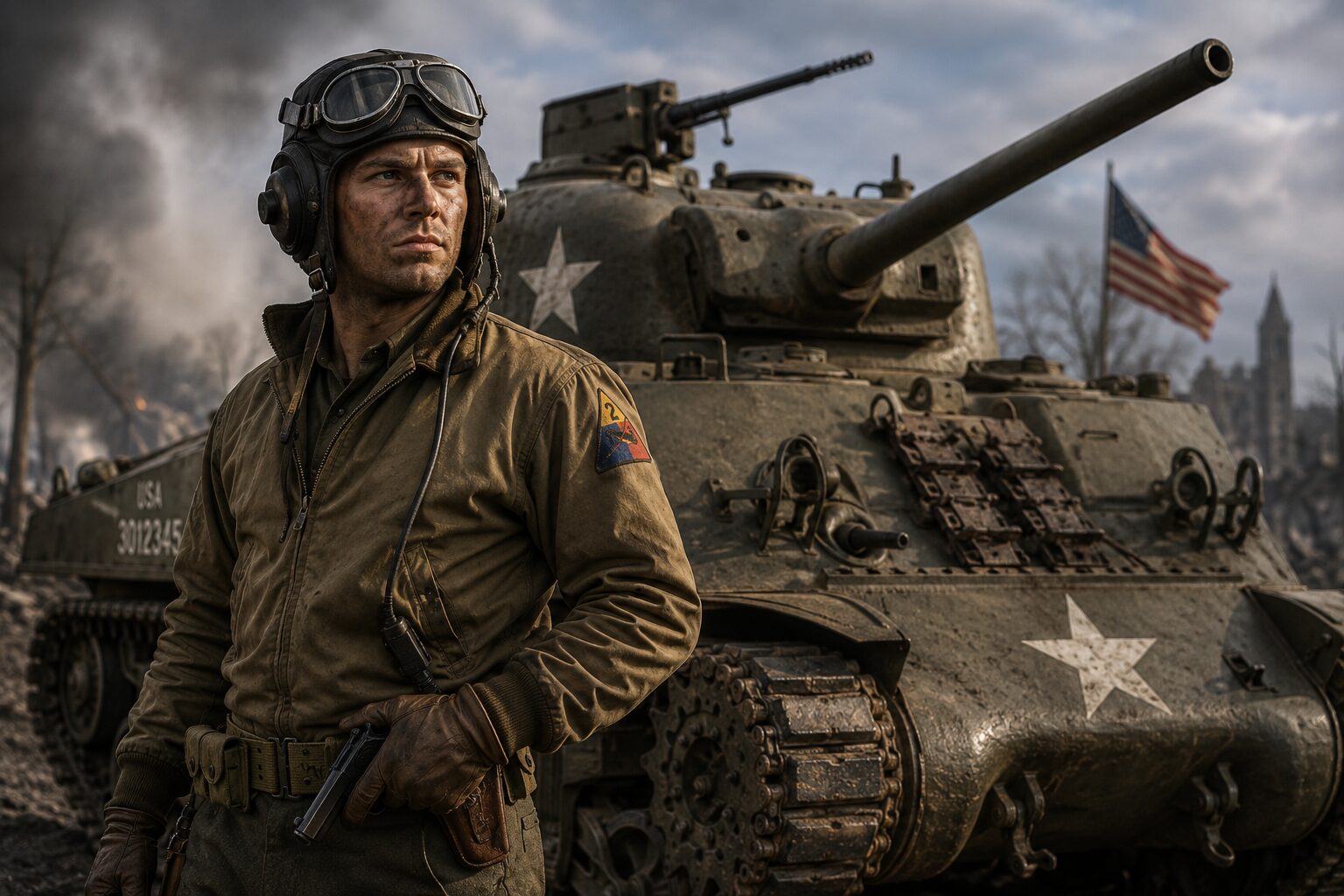
In movies, the American tanker of World War II always seems to look the same: a short jacket, a communications helmet, goggles pushed up on his forehead, and a Colt pistol hanging from his belt. The image has become so deeply embedded in popular culture that it is now as recognizable as the M4 Sherman itself.
Yet there was far more behind this iconic appearance than military fashion or tradition. The equipment worn by American tank crews was the result of years of practical experience and careful compromise between protection, comfort, and the harsh realities of life inside an armored vehicle.
A mid-twentieth-century tank was an extremely uncomfortable workplace. Tight spaces, sharp metal edges, deafening engine noise, constant vibration, heat, fumes, and the ever-present risk of fire meant that every mission tested both man and machine. It quickly became clear that tank crews required specialized clothing and equipment distinct from that of ordinary infantrymen.
Why Tankers Needed Their Own Helmet
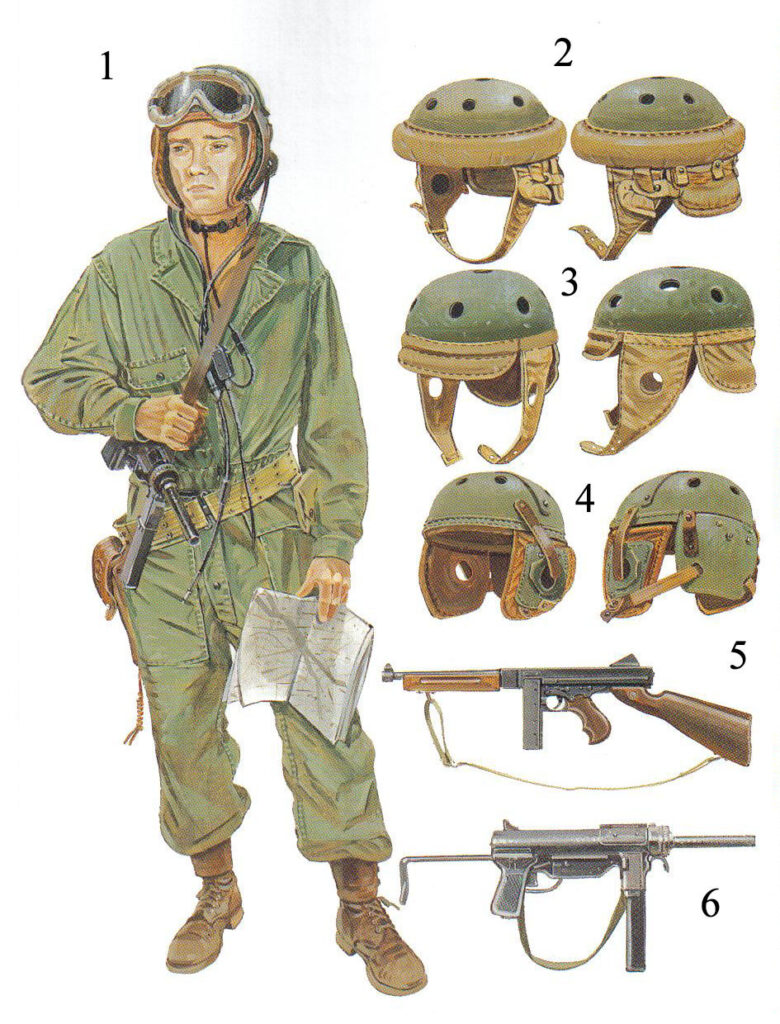
The most recognizable item of American tanker equipment was undoubtedly the tanker helmet.
Unlike the standard M1 steel helmet, it was never intended to stop bullets or shell fragments.
Its purpose was much more practical.
Crewmen frequently struck their heads against turret walls, guns, radios, periscopes, and other hard surfaces inside the vehicle. Drivers and radio operators were particularly vulnerable because of the cramped spaces in which they worked.
To solve this problem, the U.S. Army adopted a specialized helmet made from compressed fiber and leather. It was lightweight, reasonably comfortable, and offered excellent protection against impacts inside the tank.
Its most important feature, however, was the integrated communications system.
Each crewman wore earphones connected directly to the tank’s intercom network. Without reliable communication, coordinating the actions of a five-man crew inside a roaring Sherman would have been nearly impossible.
In many ways, the American tanker helmet was one of the earliest examples of combat equipment integrating protective gear and communications technology into a single system.
The M1 Helmet Never Disappeared
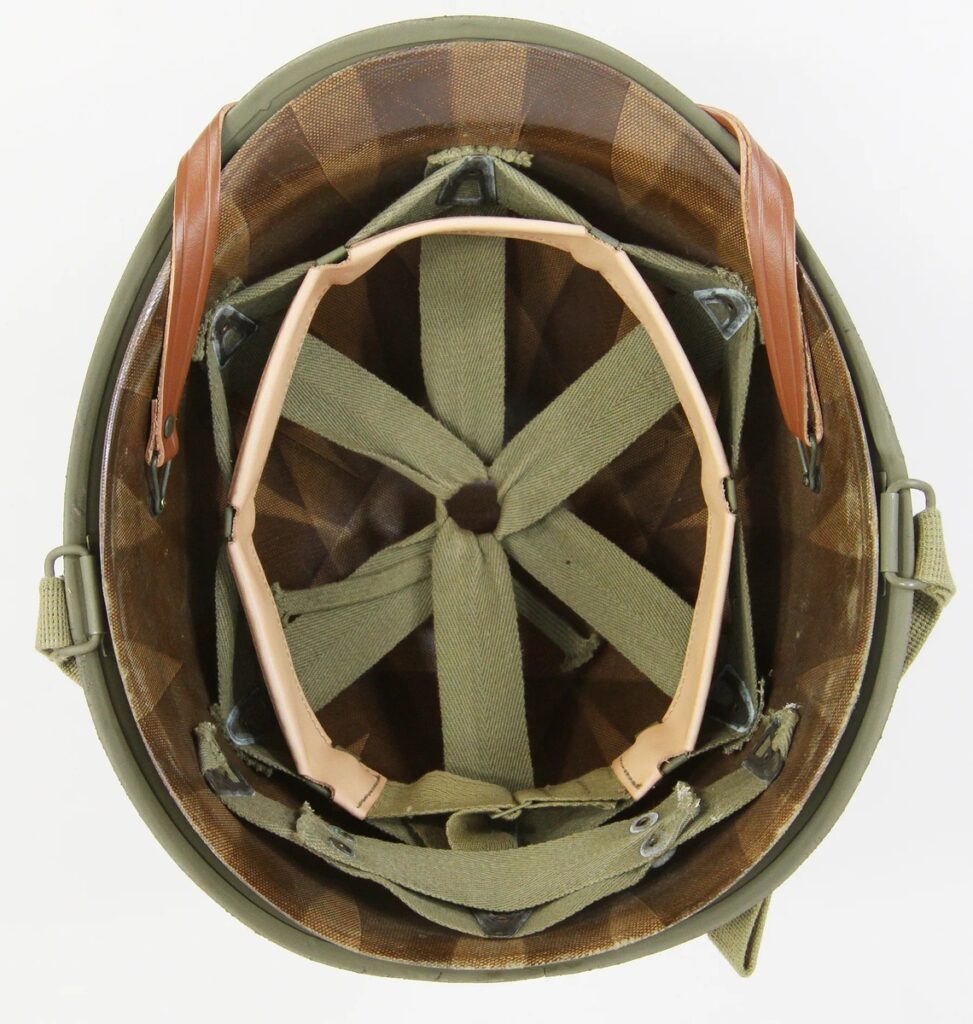
Even though tankers had their own helmet, the standard M1 steel helmet remained part of their equipment.
The reason was simple: tank crews spent a surprising amount of time outside their vehicles.
Contrary to popular belief, operating a tank involved far more than driving and firing the gun. Crews constantly repaired tracks, loaded ammunition, refueled, performed maintenance, and secured defensive positions during halts.
For these tasks, protection against shrapnel and battlefield debris remained essential.
Many tankers developed a practical solution: they simply wore the steel shell of the M1 helmet over their tanker helmet.
It looked awkward, but it provided both impact protection and fragment protection at the same time.
The Most Popular Jacket in the U.S. Army
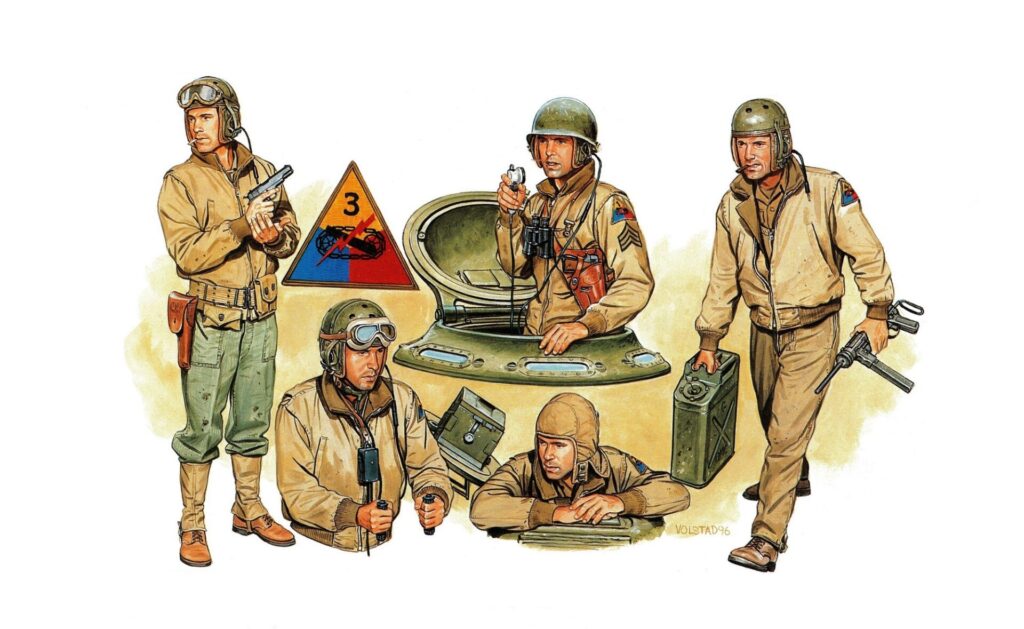
Ask veterans of Allied armies which piece of American military clothing they admired most, and many will not mention a weapon or a vehicle.
They will mention the famous tanker jacket.
Designed specifically for armored crews, the jacket was made from water-resistant cotton with a warm wool lining. Elastic cuffs and waistband helped retain heat, while the short cut prevented the garment from snagging on equipment inside the tank.
The design proved so successful that it quickly became popular throughout the U.S. Army.
Infantrymen, artillery crews, engineers, and reconnaissance troops all tried to obtain tanker jackets whenever possible.
Many traded for them. Others purchased them privately. Some simply acquired them through unofficial channels.
The jacket eventually became one of the most recognizable items of American military clothing during the war.
Coveralls: The Real Uniform of the Tanker
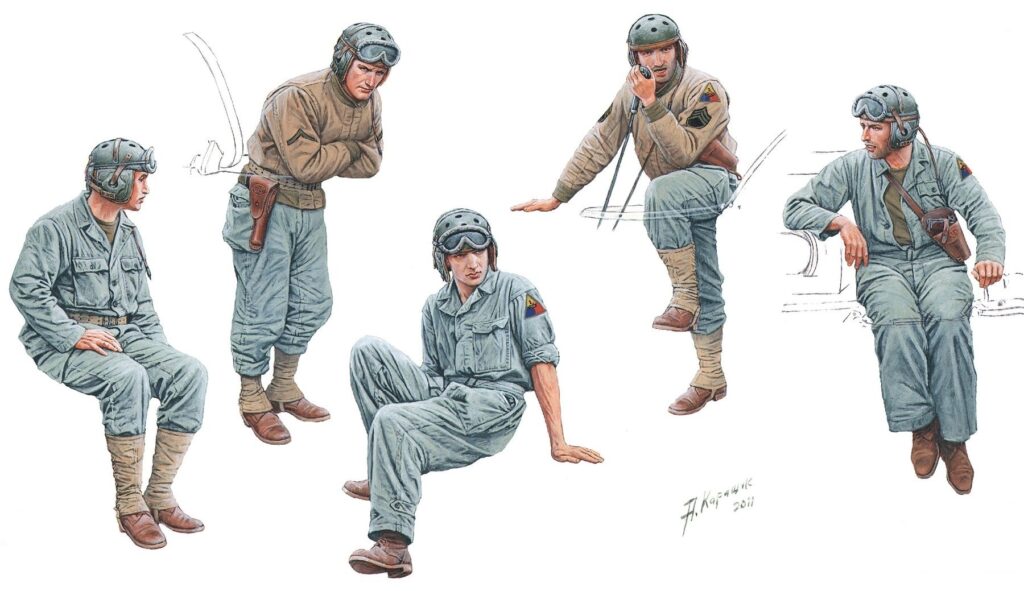
While the tanker jacket is iconic today, photographs show that many crews actually preferred coveralls during daily operations.
The reasons were obvious.
A one-piece garment reduced the risk of snagging on equipment, protected the underlying uniform from oil and grease, and offered greater freedom of movement inside the vehicle.
American armored units spent countless hours maintaining their tanks, and coveralls proved ideal for such work.
By 1944 and 1945, they had become one of the most common sights among Sherman crews across Europe.
Goggles Were More Important Than They Looked
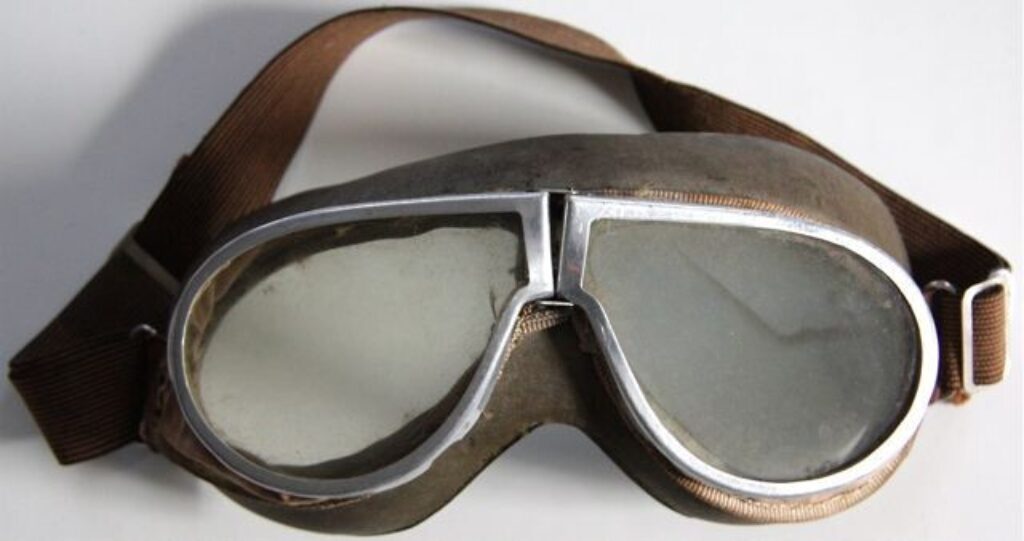
Protective goggles became another distinctive feature of American tank crews.
At first glance, goggles might seem unnecessary for soldiers who spent much of their time inside armored vehicles.
The reality was quite different.
Tank commanders often observed the battlefield while standing partially exposed through the open hatch. Dust, mud, rain, snow, and debris constantly threatened their vision.
As a result, protective eyewear became standard equipment.
By the final years of the war, the M1944 Polaroid goggles, featuring interchangeable clear and tinted lenses, had become particularly popular.
A Pistol Instead of a Rifle
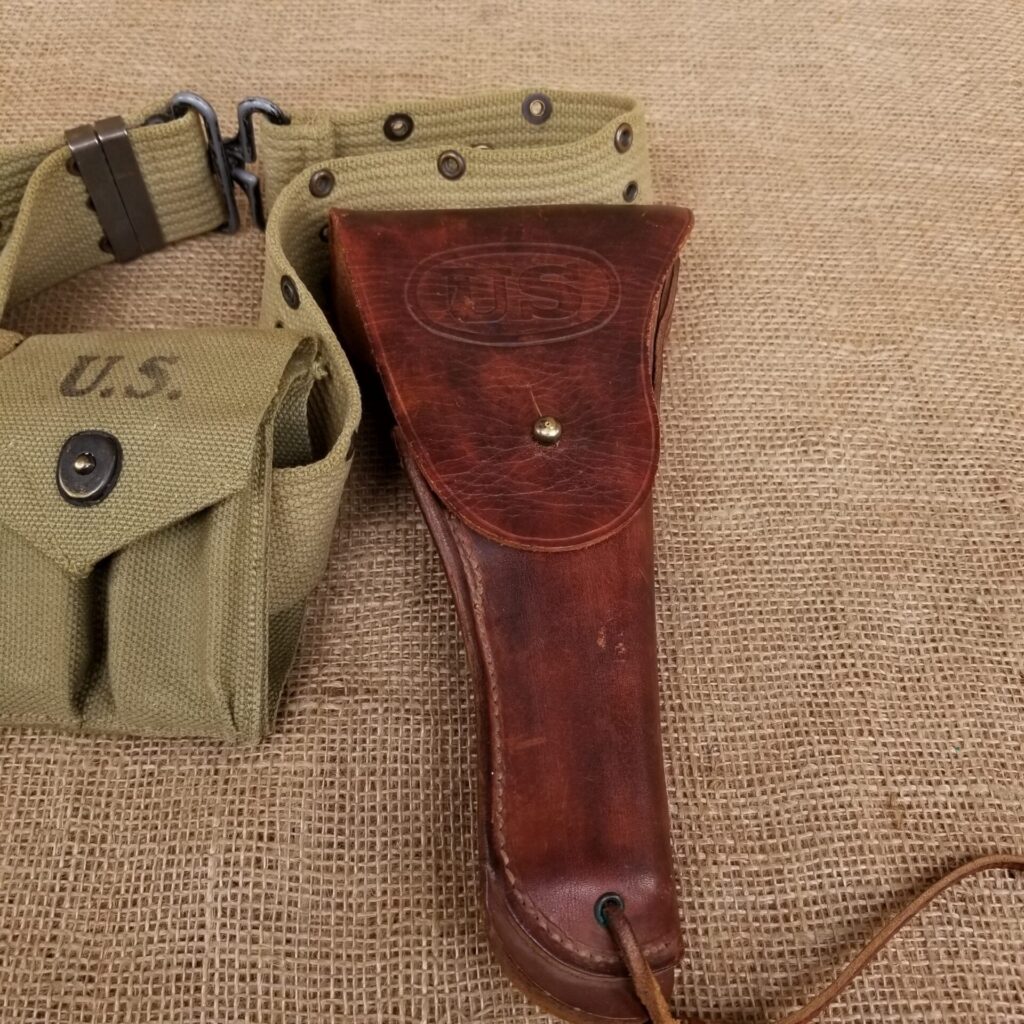
Tankers required weapons that fit the confined environment of an armored vehicle.
A full-length rifle was often more of a burden than an advantage.
For this reason, the standard sidearm for American tank crews was the Colt M1911A1 chambered in .45 ACP.
Powerful, reliable, and compact, it was perfectly suited to close-range defensive situations.
Early in the war, many crews also carried Thompson submachine guns.
Later, these were increasingly replaced by the M3 Grease Gun, which was cheaper, lighter, and easier to store inside a tank.
The M3 proved so successful that it remained in service with American armored forces long after the war ended.
Winter the American Way
American ideas about winter clothing differed noticeably from those of both the Germans and the Soviets.
Many items officially classified as winter equipment were worn throughout much of the year.
One famous example was the M1941 wool knit cap, better known as the Jeep Cap.
Originally designed to be worn beneath a helmet, it quickly gained popularity as a standalone head covering.
Drivers, tankers, and mechanics appreciated its warmth and the fact that it remained securely on the head even in strong wind.
During the Battle of the Bulge, Jeep Caps became one of the defining symbols of the American soldier in winter combat.
Carrying Less to Survive More
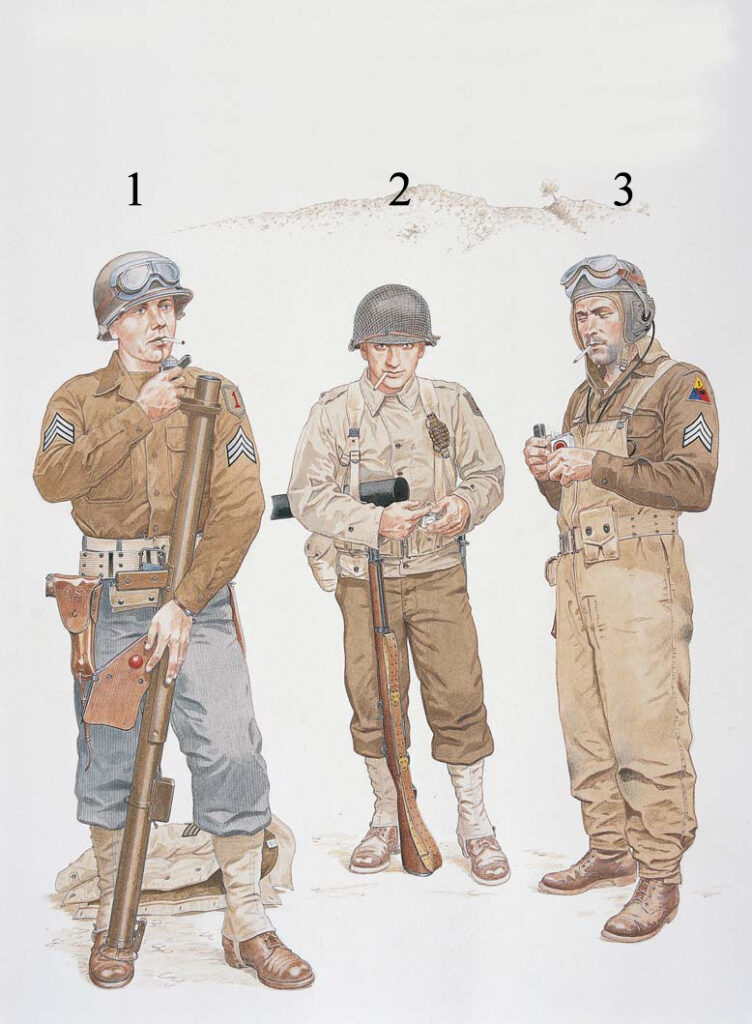
Unlike infantrymen, American tankers generally carried very little personal equipment.
The tank itself served as their primary means of transport and storage.
Ammunition, tools, food, maps, and personal belongings all remained inside the vehicle.
On their bodies, crewmen usually carried only a pistol, a first-aid pouch, a knife, and perhaps a small amount of additional equipment.
This minimalist approach reflected a simple reality.
If a tank was hit and caught fire, the crew needed to escape immediately.
Every unnecessary strap, pouch, or piece of equipment increased the risk of becoming trapped.
Built for a Global War
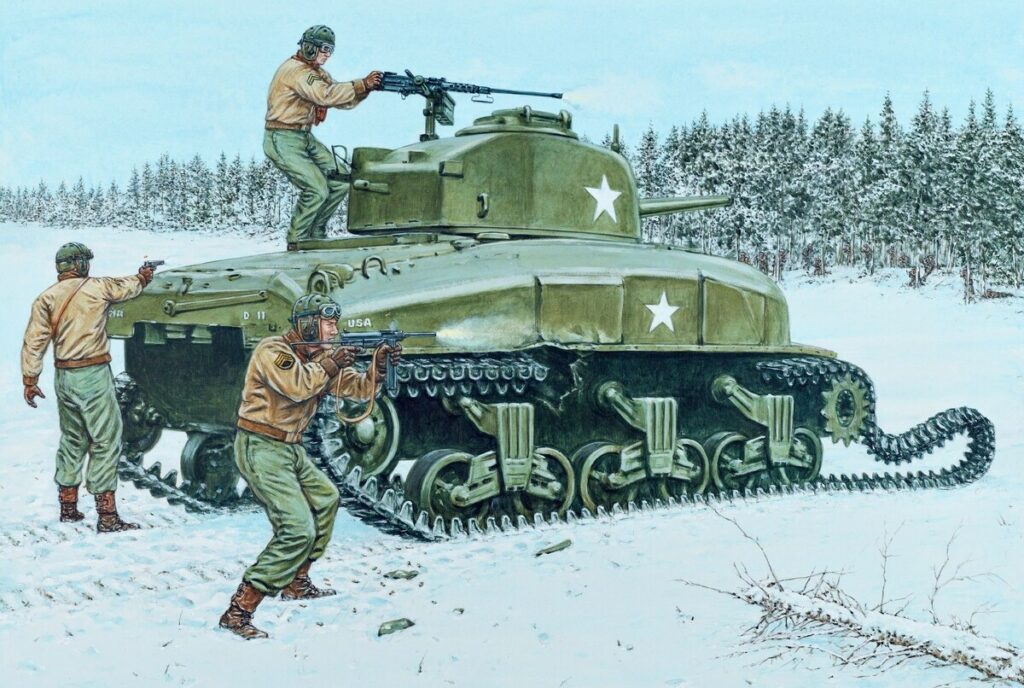
American tanker uniforms may lack the dramatic appearance of German black Panzer uniforms or the iconic Soviet tanker helmet.
Yet they were among the most practical combat uniforms of the Second World War.
They were designed not for parades or propaganda photographs but for men who spent days and weeks inside steel vehicles, constantly exposed to mechanical hazards and enemy fire.
Many features pioneered by American armored forces—including integrated communications helmets, specialized jackets, coveralls, and compact personal weapons—would influence armored crew equipment for decades after the war.
The silhouette of the American tanker standing beside a Sherman became one of the defining images of World War II.
And behind that image stood a carefully designed system of equipment created for one purpose above all else: helping crews survive and fight effectively inside one of the most demanding combat environments ever created.
Main Equipment of an American Tank Crewman (1941–1945)
Tank Helmet: Rawlings Tank Helmet
Steel Helmet: M1 Helmet
Primary Jacket: Winter Combat Jacket (“Tanker Jacket”)
Work Uniform: HBT Coverall
Protective Goggles: M1938 Resistal, M1944 Polaroid
Sidearm: Colt M1911A1
Additional Weapons: Thompson M1928A1, M1A1 Thompson, M3 Grease Gun
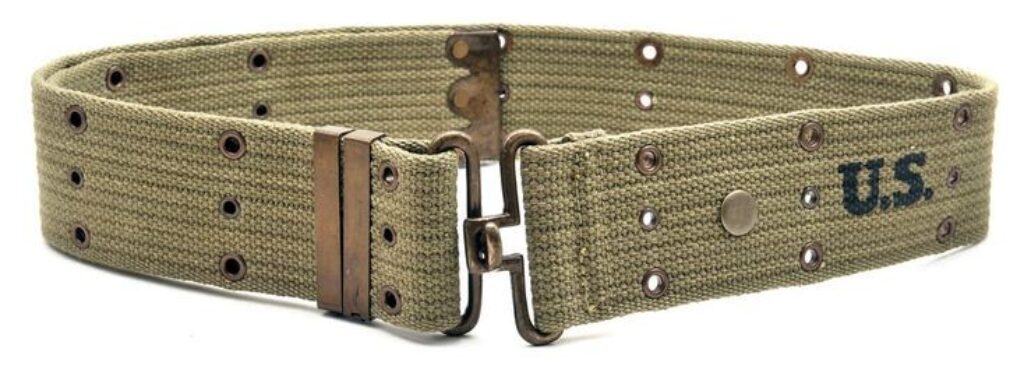
Field Equipment: M1936 pistol belt, M1916 holster, M1924/M1942 first-aid pouch, M3 fighting knife
Primary Theaters of Service: Europe, North Africa, Pacific Theater