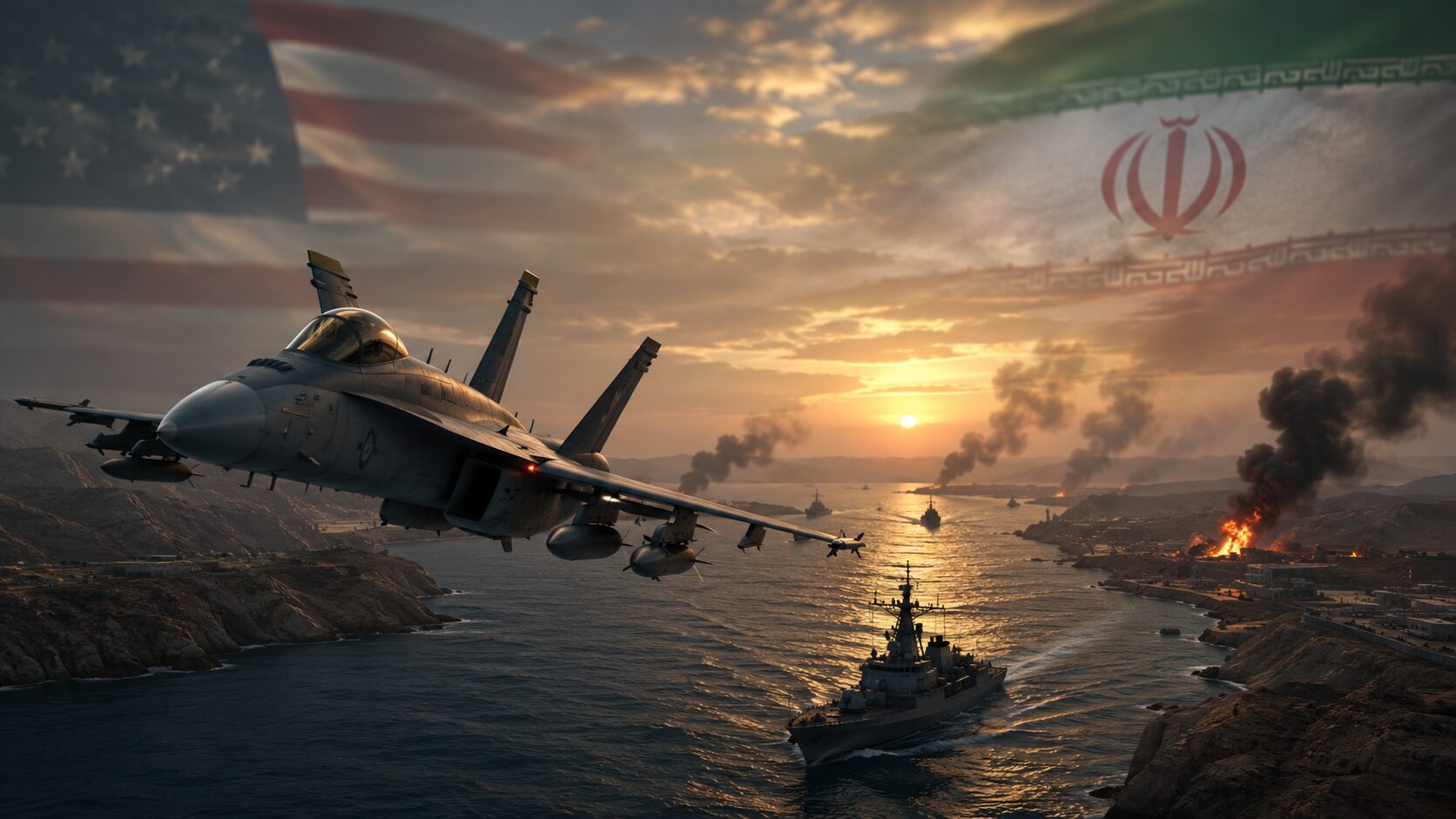
The fragile ceasefire between Washington and Tehran has come under renewed pressure. U.S. forces launched airstrikes against targets in southern Iran, marking the first American attack since the two sides signed a memorandum aimed at ending active hostilities just days ago.
Strike Follows Attack on Commercial Vessel
According to U.S. Central Command (CENTCOM), the operation targeted missile and drone storage facilities, as well as coastal radar sites that Washington says were being used to support attacks against commercial shipping in the Strait of Hormuz.
The immediate trigger for the strike was an incident involving the cargo vessel Ever Lovely, which, according to U.S. officials, was hit by an Iranian attack drone while transiting one of the world’s most strategically important maritime trade routes.
The White House described the attack on the civilian vessel as a “blatant violation” of the recently signed peace memorandum. President Donald Trump stated that Tehran had “made a foolish mistake,” while Vice President J.D. Vance warned that any further attacks on international shipping would be met with military force.
Tehran Accuses Washington of Breaking the Agreement
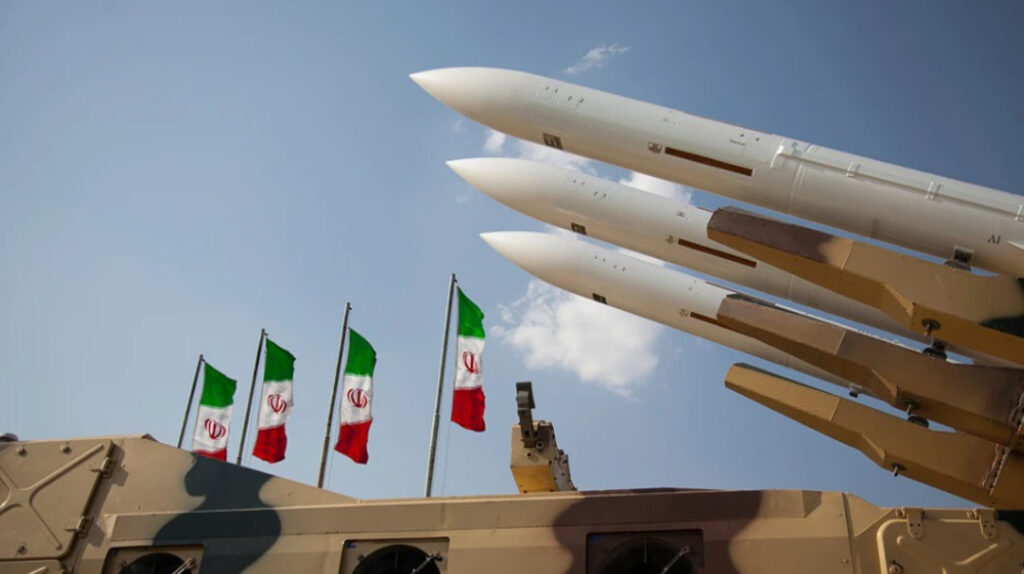
Iran condemned the American strikes, calling them a violation of international law and of the commitments established under the memorandum. Later, representatives of the Islamic Revolutionary Guard Corps (IRGC) announced retaliatory strikes against facilities associated with the U.S. military presence in the region, although no further details have been released.
Politically, the incident also provides Tehran with an opportunity to argue that Washington never intended to uphold the agreement and merely used maritime security as a justification for continued military pressure.
Washington presents the situation very differently. According to the U.S. administration, it was Iran’s attack on the commercial vessel that first violated the ceasefire, leaving the United States with little choice but to respond.
The Strait of Hormuz Once Again Becomes the Center of the Crisis
The location of the incident is especially significant.
The Strait of Hormuz remains one of the world’s most critical chokepoints for global energy exports. A substantial portion of international oil and liquefied natural gas shipments passes through this narrow waterway. Any threat to maritime traffic there can quickly evolve from a regional military incident into a global economic concern.
For that reason, the attack on Ever Lovely carries implications well beyond the immediate confrontation between the United States and Iran. It raises new doubts about both the durability of the recent ceasefire and the security of commercial navigation through one of the world’s busiest maritime corridors.
Washington continues to insist that it has no intention of resuming a full-scale war with Iran and that its objective remains the protection of international shipping. However, such assurances may hold only until the next incident. Should attacks on merchant vessels continue, the United States would face an increasingly difficult choice: expand its military presence in the region or acknowledge that the peace memorandum has effectively collapsed.
What This Could Mean for the Region and the World
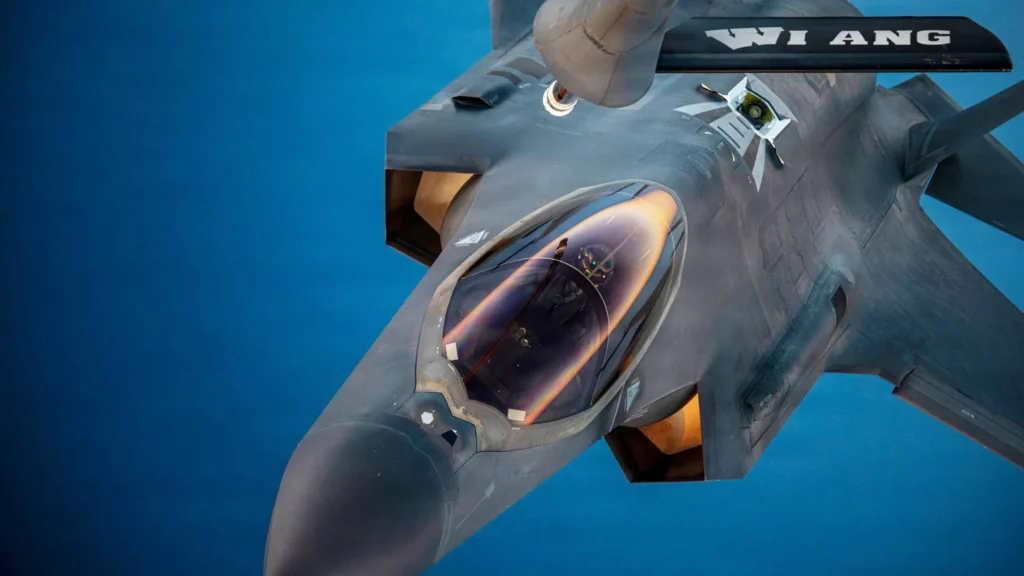
The greatest danger is not the American strike itself, nor Iran’s immediate response.
The real concern is that both sides may once again be entering a cycle in which every localized incident triggers another round of military retaliation.
For the Middle East, this would mean a return to a constant state of military tension. Not only Iran and U.S. forces would be affected, but also the Gulf states whose economies and security depend on uninterrupted maritime trade. Saudi Arabia, the United Arab Emirates, Qatar, Kuwait, and Bahrain would all have to prepare for the possibility of renewed attacks, disruptions to shipping, and rising insurance costs for commercial tankers.
The consequences could extend well beyond the region.
Even limited instability in the Strait of Hormuz has the potential to push global oil prices higher, increase shipping costs, and disrupt liquefied natural gas exports. At a time when the global economy remains highly sensitive to energy supply shocks, renewed tensions involving Iran could quickly become an issue affecting markets worldwide.
Diplomatically, the situation also complicates any future negotiations between Washington and Tehran.
Following another exchange of military strikes, it becomes increasingly difficult for either government to make concessions without appearing weak. The United States cannot afford to look hesitant when defending freedom of navigation, while Iran is equally unlikely to acknowledge that American military pressure forced it to back down.
For that reason, this latest strike is significant not simply because it is the first since the peace memorandum was signed.
It demonstrates just how fragile any ceasefire remains when no effective enforcement mechanism exists behind it. Technically, the agreement may still survive. In practice, however, the attack on a commercial vessel and the subsequent American response make it appear less like the beginning of lasting de-escalation and more like a brief pause before the next regional crisis.
source https://www.twz.com/news-features/u-s-carries-out-first-strike-on-iran-since-peace-memorandum-signed