The Soviet Mobile Phone That Came Before Motorola: The Forgotten Story of the LK-1 and the Altai Network

When people talk about the first mobile phones, they usually think of Motorola DynaTAC and engineer Martin Cooper, who made the world’s first handheld cellular phone call in 1973. That moment is widely considered the beginning of the mobile communications era.
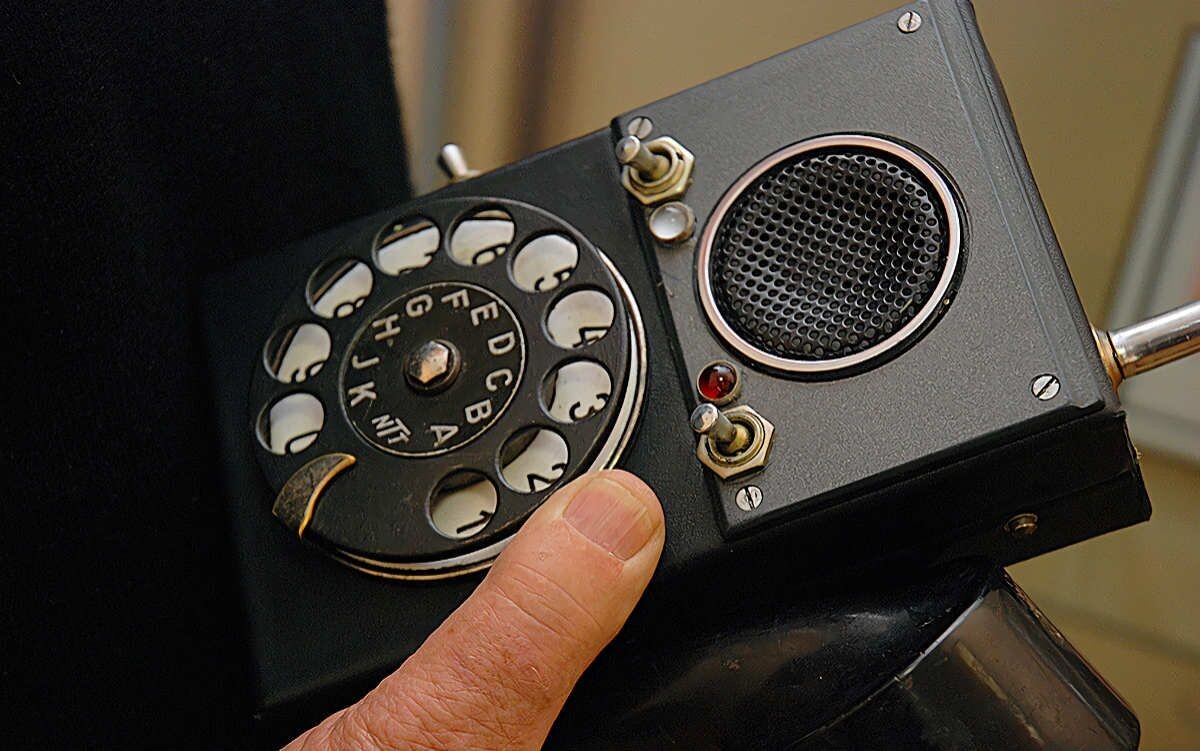
What far fewer people know is that the Soviet Union had already developed a portable automatic radiotelephone more than a decade earlier. Even more remarkably, the ideas behind that device later evolved into Altai, one of the world’s most advanced mobile telephone systems of its time.
So why has this chapter of technological history been largely forgotten?
The Engineer Who Wanted to Free the Telephone from Wires
The story begins in the late 1950s.
A young Soviet engineer named Leonid Kupriyanovich set out to solve what seemed like an impossible problem: creating a telephone that would not be tied to a wire.
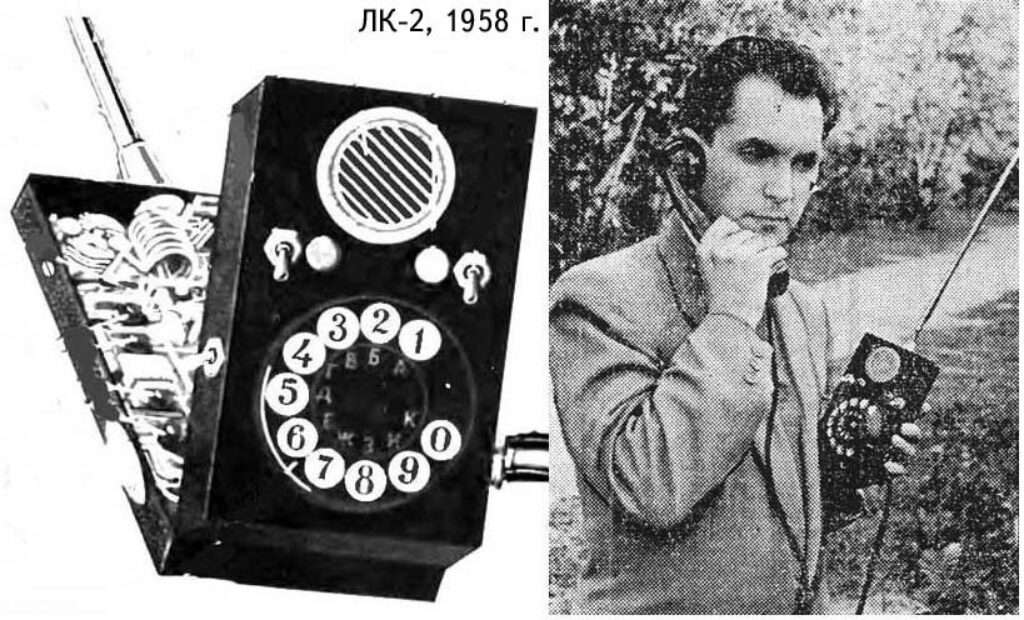
In 1957, he unveiled a prototype known as the LK-1.
By modern standards, it was hardly compact. The first version weighed around three kilograms, but its capabilities were remarkable for the era.
This was not simply a two-way radio.
The LK-1 could automatically connect to the public telephone network, allowing users to call ordinary landline numbers without assistance from a telephone operator.
In essence, Kupriyanovich had demonstrated the concept of a personal mobile telephone years before the world even began discussing cellular communications.
From Three Kilograms to Pocket Size
What happened next was even more impressive.
Rather than stopping after his first prototype, Kupriyanovich continued refining his invention.
Within only a few years, each new version became dramatically smaller.
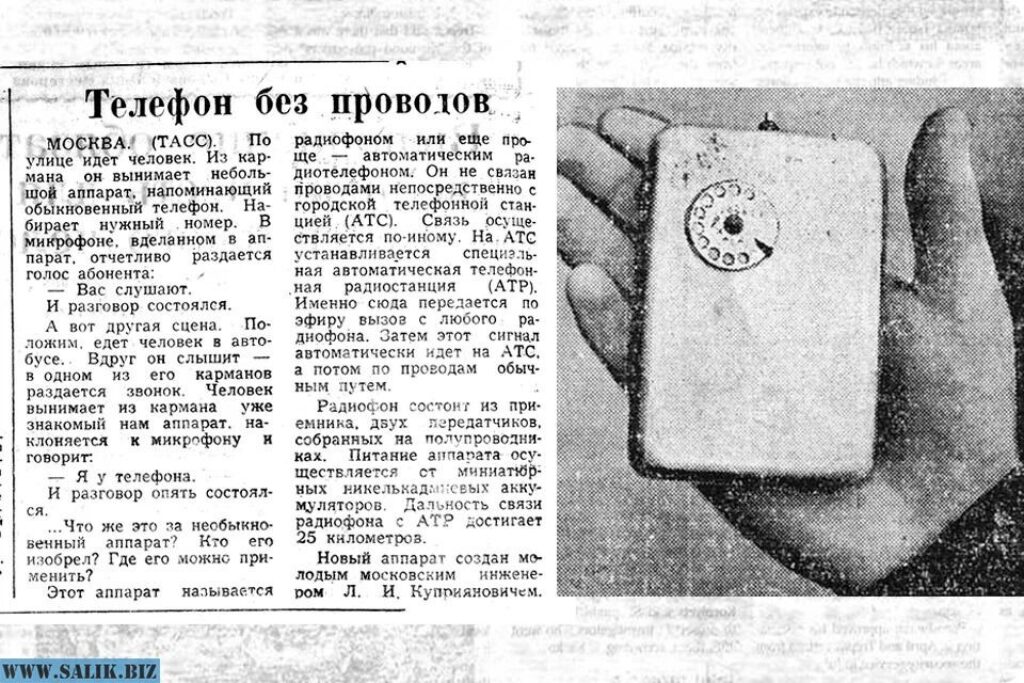
While the original weighed several kilograms, by 1960 he demonstrated experimental models weighing only around 70 grams.
Period photographs show devices surprisingly similar in appearance to modern mobile handsets—small, handheld units equipped with buttons and an antenna.
Of course, these were experimental prototypes rather than commercial products.
Nevertheless, the pace of miniaturization was extraordinary.
Why the LK-1 Never Reached Production
Despite its successful demonstrations, the LK-1 was never mass-produced.
Historians have proposed several explanations.
First, Soviet electronics manufacturing at the time lacked the industrial base necessary for large-scale production of compact portable communication devices.
Second, the country’s telecommunications infrastructure was designed primarily to serve government and industrial organizations rather than individual consumers.
Finally, there was little perceived demand for personal mobile communications.
Even ordinary home telephones remained unavailable to many Soviet families during that period.
The Idea Lived On
Although the LK-1 never entered production, its underlying concepts did not disappear.
At roughly the same time, Soviet engineers began developing an entirely new mobile radiotelephone system.
It became known as Altai.
The project was led by the Voronezh Research Institute of Communications.
Development began in the late 1950s, and by 1963 the first operational Altai network entered service in Moscow.
Much More Than a Conventional Radio
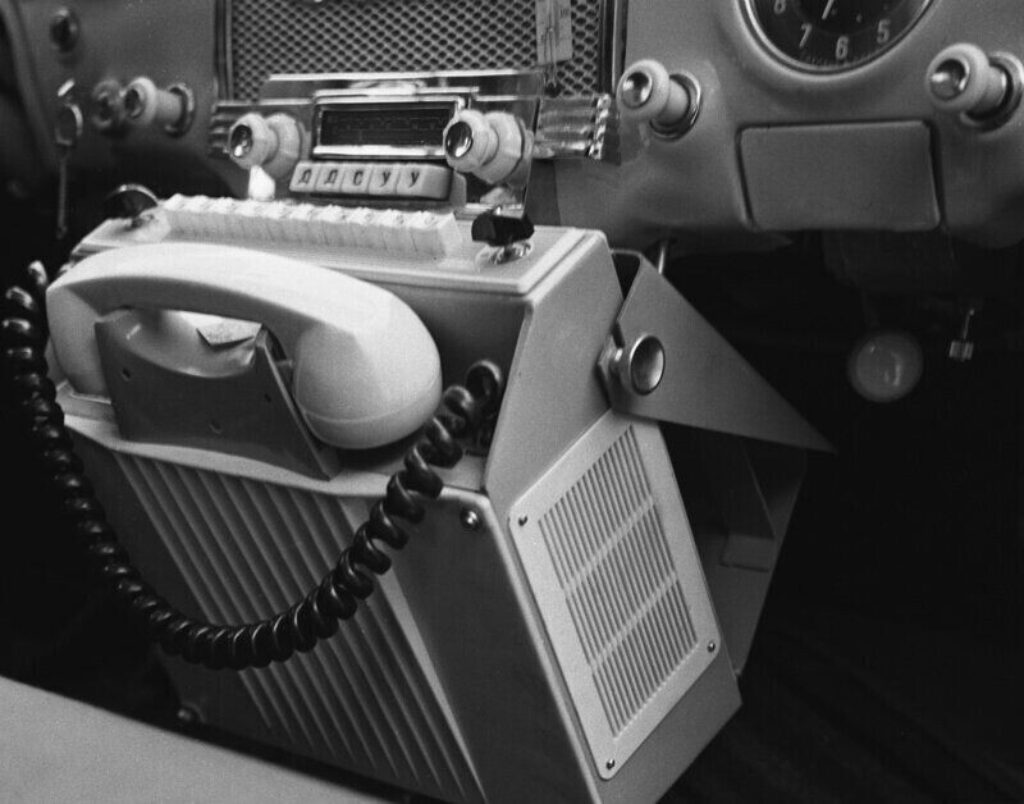
At first glance, Altai resembled a typical vehicle-mounted radio.
In reality, it represented a significant technological leap.
Unlike conventional radios, which required users to alternate between transmitting and receiving, Altai operated in full-duplex mode.
Users could speak and listen simultaneously, just like during a modern telephone conversation.
Even more importantly, Altai automatically connected users to the public telephone network.
A person inside a vehicle could dial virtually any city telephone number.
Likewise, anyone with a standard landline could place a call directly to a vehicle equipped with an Altai terminal.
In many respects, it functioned as a mobile telephone network long before the arrival of GSM technology.
Built for the Soviet Elite
Altai was never intended for ordinary consumers.
Instead, it served:
- Government officials
- Communist Party leadership
- Security and law enforcement agencies
- Emergency services
- Journalists
- Major state enterprises
The distinctive telephone units were installed inside official Chaika, ZIL, and Volga government vehicles.
One of these systems even appears in the famous Soviet film Beware of the Car, where the main character places an emergency telephone call directly from his automobile.
At the time, audiences viewed the scene as completely ordinary.
Today, many viewers do not realize they are watching genuine mobile telephone technology in action.
A Nationwide Mobile Network
By the time of the 1980 Moscow Olympics, the Altai system had become one of the largest professional mobile communication networks in the world.
It operated in more than 200 cities across the Soviet Union.
This was not an experimental project.
Thousands of subscribers used the system every day.
Professional mobile radio networks also existed in several Western countries during the same period, but portable handheld telephones for the general public would not become commercially available until much later.
Motorola’s famous DynaTAC prototype first appeared in 1973, while commercial sales began roughly a decade afterward.
Why Didn’t the Soviet Union Become a Mobile Communications Leader?
This remains one of the most fascinating questions.
How could a country that pioneered so many mobile communication concepts fail to dominate the global mobile phone industry?
There is no single answer.
Historians generally point to several factors.
First, Altai was designed as a specialized government communication system rather than a consumer product.
Second, the Soviet planned economy offered little incentive to manufacture millions of personal communication devices for ordinary citizens.
Finally, rapid advances in semiconductor technology during the 1970s and 1980s increasingly favored countries with stronger consumer electronics industries, an area in which the Soviet Union gradually fell behind.
As a result, Altai continued to evolve technically but remained a specialized network instead of becoming a mass-market communications platform.
Meanwhile, the rest of the world moved toward commercial cellular telecommunications.
A Forgotten Chapter in Mobile History
Today, only historians of technology and telecommunications are generally familiar with the names Leonid Kupriyanovich, LK-1, and Altai.
Yet these pioneering projects demonstrated decades ago that many ideas associated with modern mobile communications had already been explored long before the cellular revolution.
It would be inaccurate to claim that the Soviet Union invented the modern mobile phone in the form we know today. Digital networks, integrated circuits, and nationwide cellular infrastructure still lay far in the future.
However, Kupriyanovich was among the first engineers anywhere in the world to demonstrate that a truly portable personal telephone was technically achievable.
Likewise, the Altai network became one of the most sophisticated professional mobile communication systems of its era.
Their story serves as a reminder that technological breakthroughs do not always become commercial successes—and that some revolutionary ideas simply arrive decades before the world is ready to embrace them.