
The Eyes of Special Operations Are Leaving Service: Why the U.S. Is Retiring the U-28 Draco

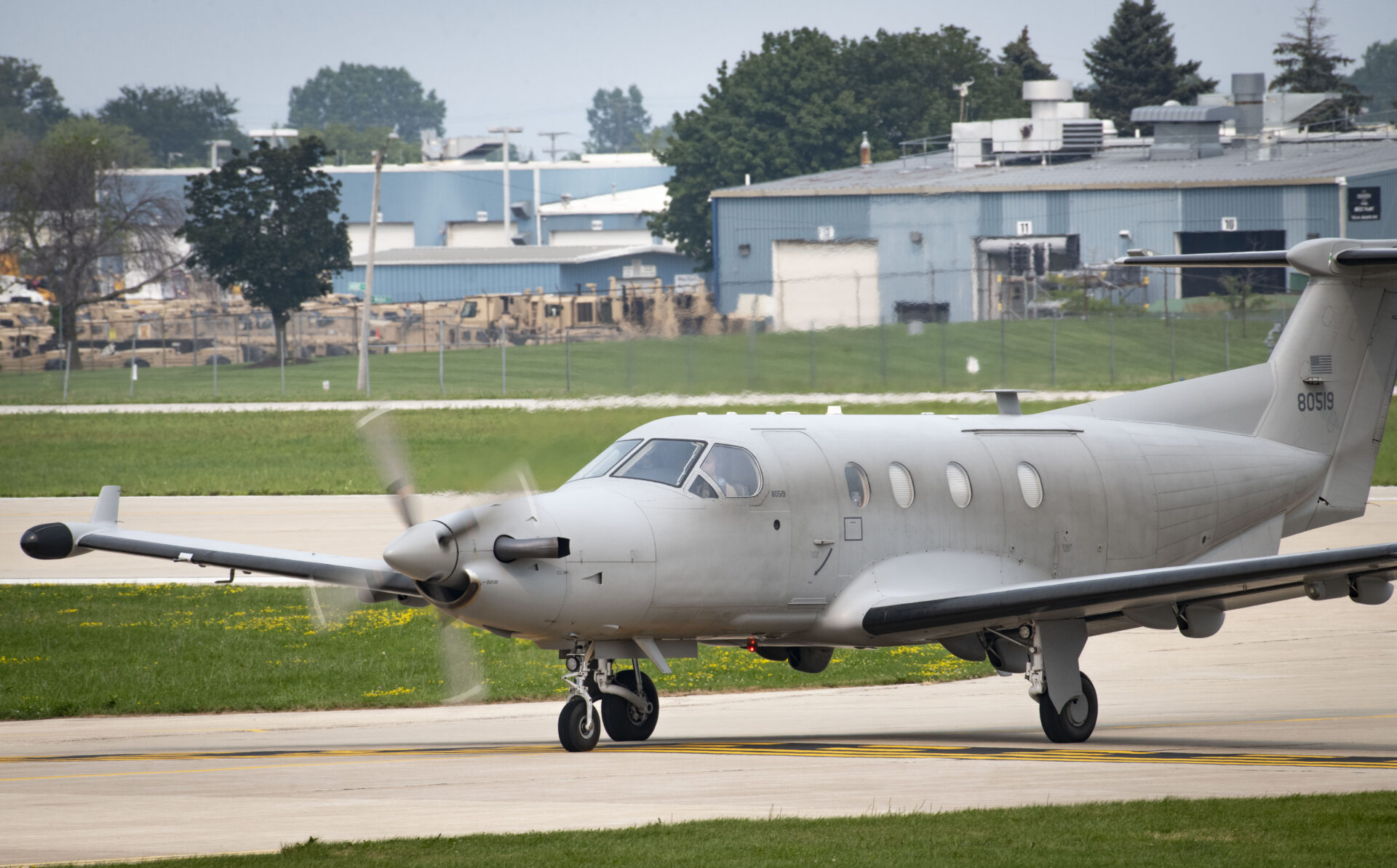
In June 2026, U.S. Special Operations Command (SOCOM) confirmed what many aviation observers had suspected for years: there will be no direct replacement for the U-28A Draco. More importantly, American special operations forces intend to phase out manned surveillance aircraft of this type entirely by the end of the decade.
At first glance, the decision seems surprising. Over two decades of service, the Draco became one of the most valuable aircraft in the special operations inventory, logging tens of thousands of flight hours over Afghanistan, Iraq, Syria, and various regions of Africa. Yet this announcement provides the perfect opportunity to take a closer look at one of the most unusual intelligence-gathering aircraft of the 21st century.
Not a Spy Plane, but a Modified Utility Aircraft
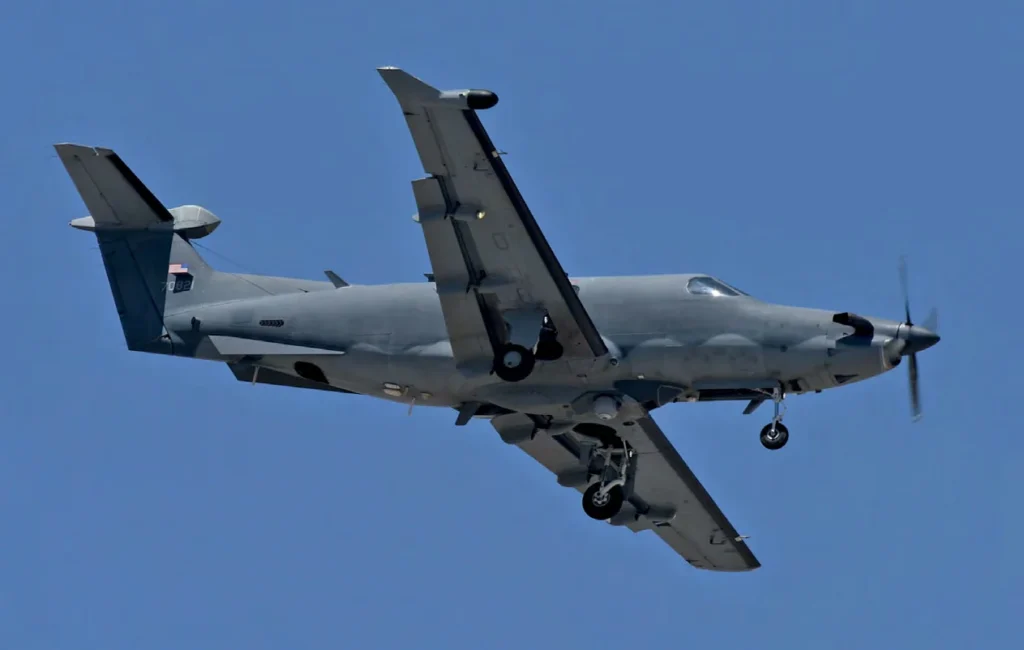
The story of the U-28 began far from military design bureaus. Its foundation was the Swiss-built Pilatus PC-12, one of the most successful single-engine turboprop aircraft ever produced.
During the mid-2000s, U.S. special operations forces faced a growing need to maintain continuous surveillance over vast areas of Afghanistan and Iraq. Using large intelligence platforms for every mission proved expensive and inefficient. What was needed was a small aircraft capable of remaining airborne for hours, transmitting live video, and operating from austere airfields.
The Pilatus PC-12 proved to be the ideal solution. It was reliable, economical, and capable of operating from short and semi-prepared runways. After being equipped with advanced surveillance systems and military communications equipment, it entered service as the U-28A Draco.
From the outside, it looked almost identical to a civilian aircraft. That was part of its appeal. Compared to large reconnaissance platforms or airborne early warning aircraft, the Draco attracted far less attention and could operate discreetly in areas where larger military aircraft would have been impossible to hide.
The Aircraft That Hunted Terrorists
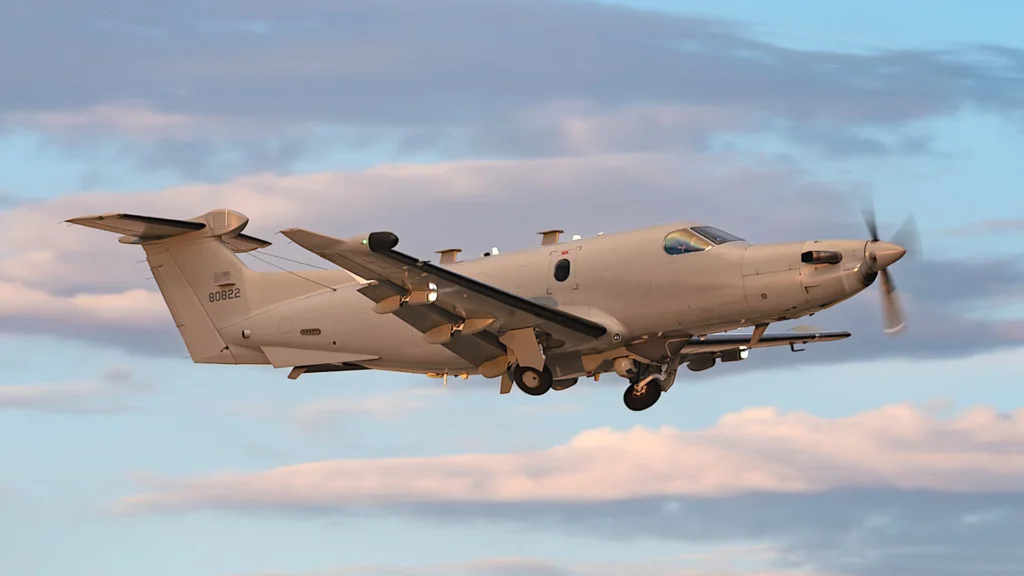
While strategic reconnaissance platforms observe entire regions, the U-28 worked on a much smaller scale—sometimes focusing on individual villages, roads, or compounds.
Beneath its fuselage sat an advanced electro-optical turret equipped with daylight and infrared cameras. The aircraft also carried signals intelligence equipment, secure communications systems, and data transmission networks. Together, these systems allowed the crew to monitor activity on the ground and provide real-time intelligence to special operations units.
The U-28 frequently served as the “eye in the sky” during special forces raids. While operators conducted missions on the ground, the aircraft watched roads, tracked vehicle movements, and warned of potential ambushes.
Throughout the Global War on Terror, aircraft like the Draco became a critical link in the chain of finding, identifying, and targeting hostile forces. In many cases, they provided the persistent surveillance necessary for successful operations.
Afghanistan Was the Draco’s Finest Hour
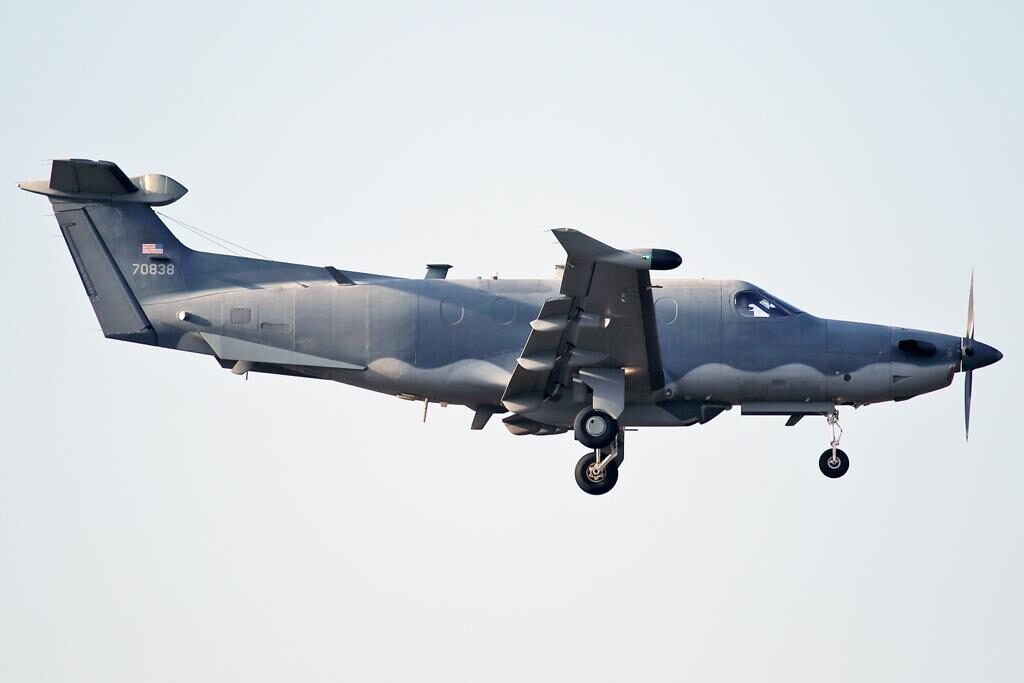
The aircraft became particularly well known during operations in Afghanistan.
In many ways, the country was the perfect environment for the U-28. High-altitude airfields, remote operating bases, and the need to monitor vast regions for extended periods all matched the strengths of the Pilatus platform.
Its importance became especially apparent during the evacuation of Kabul in 2021. As thousands of people crowded around Hamid Karzai International Airport, U-28 crews remained airborne almost continuously, providing situational awareness and monitoring developments around the airfield.
Many of these missions pushed both crews and aircraft to their operational limits.
To the public, the Draco remained largely invisible. To the troops on the ground, however, it was often the most important source of information available.
Why the U.S. Is Retiring It
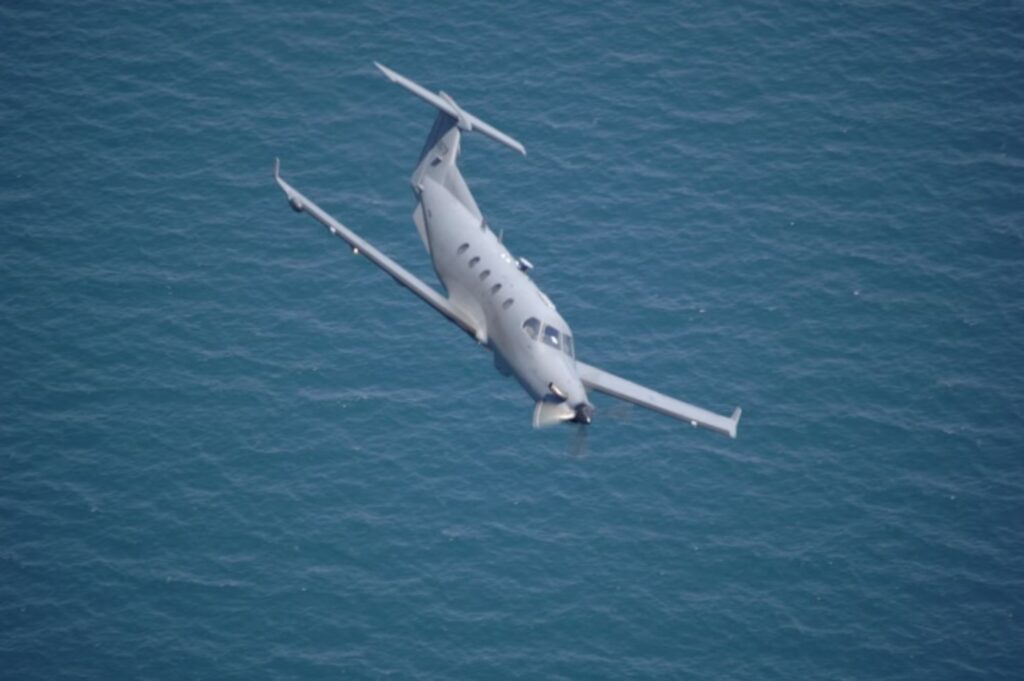
Given its proven track record, retiring the U-28 may seem counterintuitive.
The aircraft remains reliable, relatively inexpensive to operate, and highly effective within its intended mission set.
The problem is that warfare has changed.
The Draco was designed for low-intensity conflicts where opponents lacked sophisticated air defense systems. Over Afghanistan or Iraq, the aircraft could remain airborne for hours with relatively little risk.
Against a technologically advanced adversary, the situation would be very different. A slow turboprop aircraft operating at medium altitude becomes an attractive target for modern surface-to-air missile systems and integrated air defense networks.
As a result, SOCOM increasingly views satellites, unmanned aerial systems, and distributed sensor networks as the future of battlefield surveillance. According to current plans, the remaining U-28 fleet will leave service by 2029, and no direct successor is expected.
In effect, American special operations forces are closing the chapter on manned tactical surveillance aircraft.
The Last of Its Kind
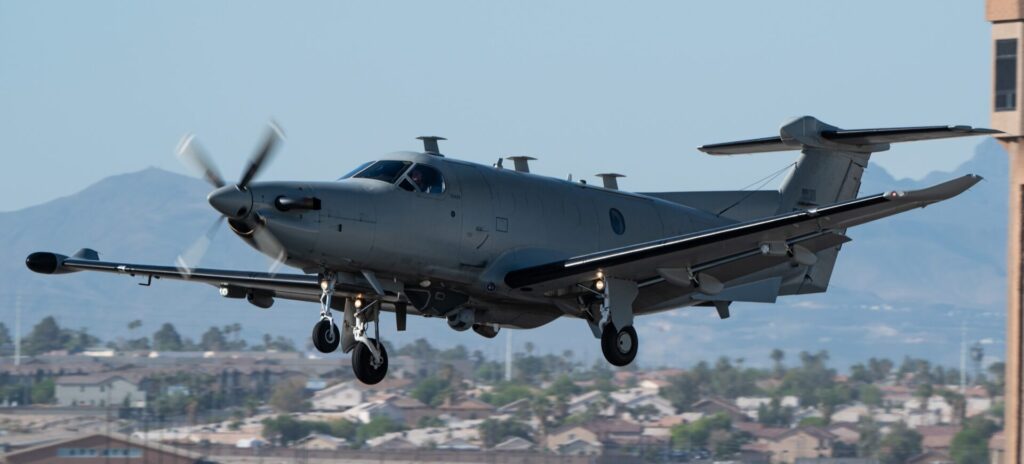
240529-F-XX992-1264
Ironically, the U-28 became a victim of its own success.
It was one of the finest aircraft of the counterinsurgency era—simple, reliable, affordable, and exceptionally effective. But the world evolved faster than the aircraft itself.
Today, intelligence collection is increasingly performed by satellites, drones, and artificial intelligence-driven systems. These platforms do not require onboard crews, can operate continuously, and eliminate risks to pilots.
Yet aircraft like the Draco played a crucial transitional role between the traditional reconnaissance aviation of the 20th century and the networked surveillance architectures of the 21st.
When the last U-28 leaves service, it will mark more than the retirement of a single aircraft. It will signal the end of an entire era in American special operations aviation.
U-28A Draco Specifications
Type: Intelligence, Surveillance, and Reconnaissance (ISR) aircraft
Base Platform: Pilatus PC-12
Crew: 2 pilots plus mission system operators
Engine: Pratt & Whitney Canada PT6A-67P turboprop
Maximum Speed: Approximately 500 km/h (310 mph)
Cruise Speed: Approximately 450 km/h (280 mph)
Range: Up to 2,800 km (1,740 miles)
Endurance: Up to 8 hours
Service Ceiling: 9,100 m (30,000 ft)
Maximum Takeoff Weight: Approximately 4.7 tons
Key Features:
- Electro-optical and infrared surveillance systems
- Signals intelligence equipment
- Secure communications suite
- Short and rough-field operating capability
- Real-time video and intelligence transmission to ground forces






