
Tested by Reality: Why Questions Have Emerged Around Germany’s Skynex Air Defense System

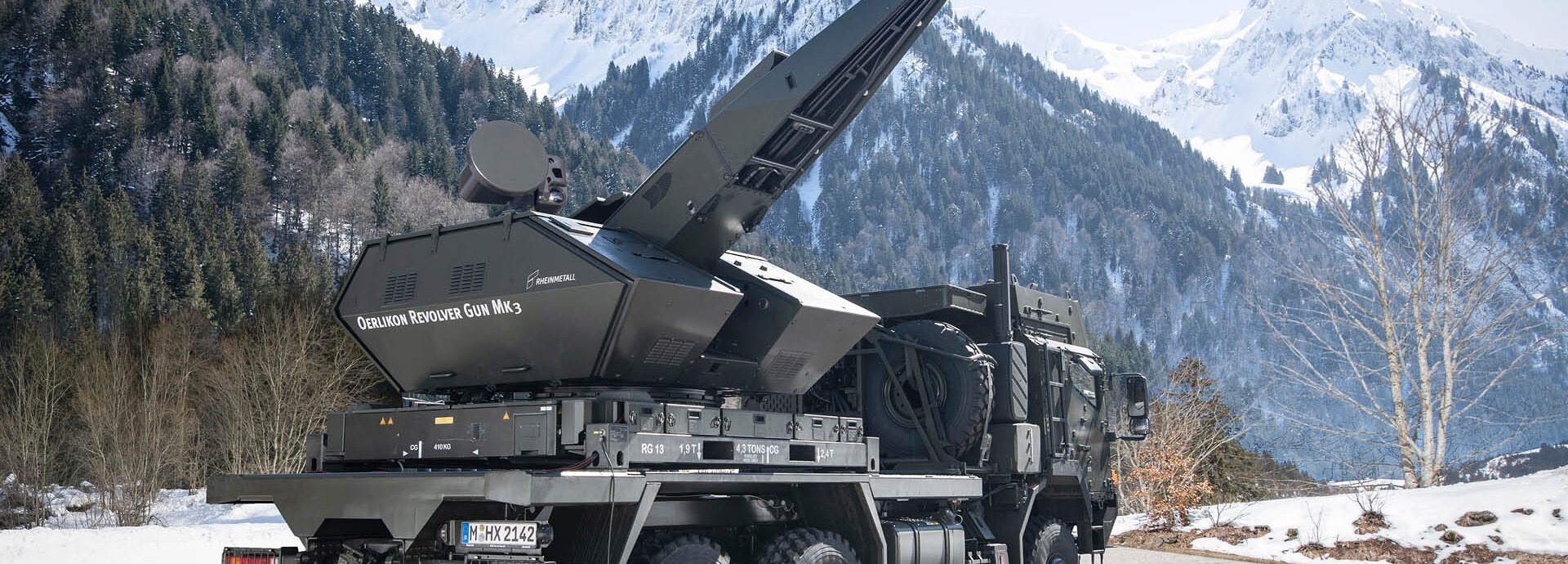
Just a few years ago, the German-made Skynex air defense system was widely promoted as one of the world’s most advanced solutions for countering unmanned aerial vehicles. Its combination of high-rate 35 mm cannons, programmable AHEAD ammunition, automated fire control, and modern radar technology positioned it as one of the most sophisticated gun-based air defense systems currently in service.
However, in the summer of 2026, the system unexpectedly became the center of controversy. German magazine Stern, citing what it described as an internal Ukrainian report, claimed that one combat engagement had exposed significant technical problems and that the system’s real-world performance may have fallen short of the manufacturer’s claims. The report itself has not been released publicly, while Rheinmetall has firmly rejected the allegations.
What the Report Claims
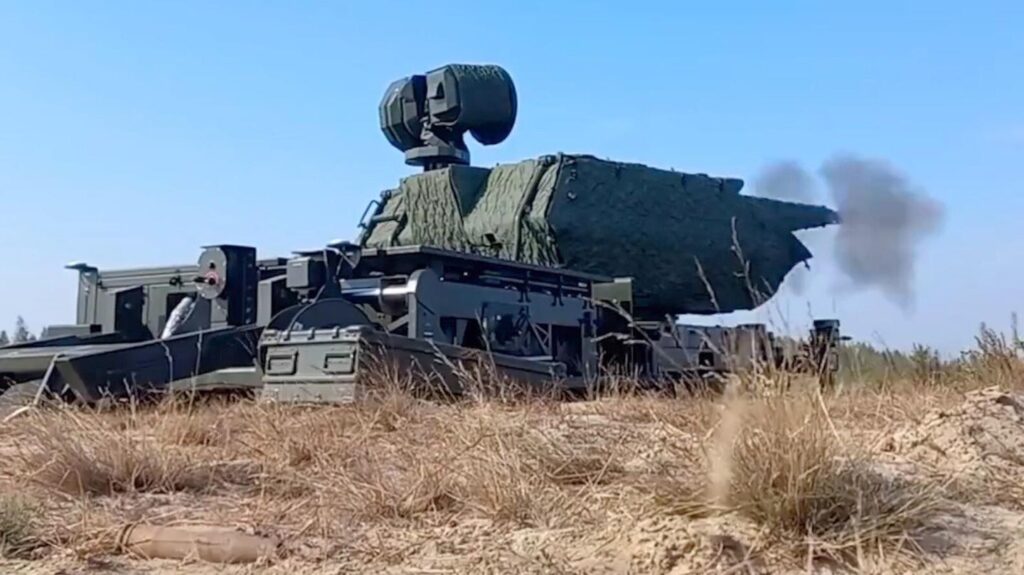
According to Stern, the incident occurred during the defense against a Russian drone attack in the spring of 2026.
The report allegedly describes two Skynex batteries consisting of eight 35 mm gun modules, two radar systems, and two command posts. During the engagement, several technical failures reportedly occurred, including hydraulic malfunctions, radar tracking issues, and ammunition feed problems.
As a result, only part of the battery was reportedly able to engage incoming targets effectively, and at least one drone allegedly reached its intended target.
If these claims accurately reflect what happened, the incident certainly deserves attention. At the same time, it is important to recognize that the allegations concern a single engagement rather than the overall operational history of the entire system.
Rheinmetall Strongly Disagrees
The manufacturer has taken a very different position.
Rheinmetall declined to comment on the specific engagement for security reasons but stated that Skynex has demonstrated “exceptionally high effectiveness and reliability” during operations in Ukraine. According to the company, this assessment has also been reflected in previous feedback received from Ukrainian operators.
German government officials have expressed similar caution. They argue that only four Skynex systems have been delivered so far, making it far too early to draw broad conclusions about the reliability or overall effectiveness of the platform. They also noted that operator error, maintenance practices, or the unique circumstances of a particular engagement could all have influenced the reported outcome.
Why One Engagement Doesn’t Tell the Whole Story
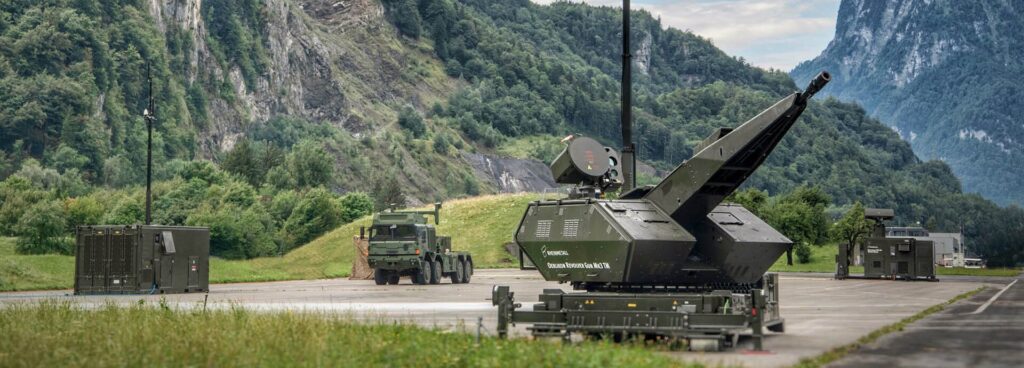
Military history is filled with examples where a single unsuccessful engagement failed to accurately represent the capabilities of a weapon system.
Modern air defense systems consist of numerous interconnected components. Successful interception requires the radar, tracking sensors, command-and-control network, fire-control computers, gun mechanisms, and ammunition to function flawlessly at the same time. Failure of any one element can compromise the entire engagement.
This challenge becomes even greater when defending against modern drones. Their small radar signatures, low-altitude flight profiles, electronic countermeasures, and mass attacks place enormous pressure on even the most advanced air defense systems.
For that reason, even if the reported incident occurred exactly as described, it cannot by itself determine the overall effectiveness of Skynex.
The Questions Are Still Worth Asking
Nevertheless, the report raises legitimate issues.
Skynex was designed specifically as a counter-drone and cruise missile defense system. Defeating precisely these types of threats is its primary mission. If technical reliability or operational readiness becomes an issue under combat conditions, the manufacturer will inevitably need to investigate the causes and implement improvements.
This process is common for virtually every modern weapon system. Real combat often reveals operational challenges that simply cannot be fully replicated during testing.
What Is Skynex?
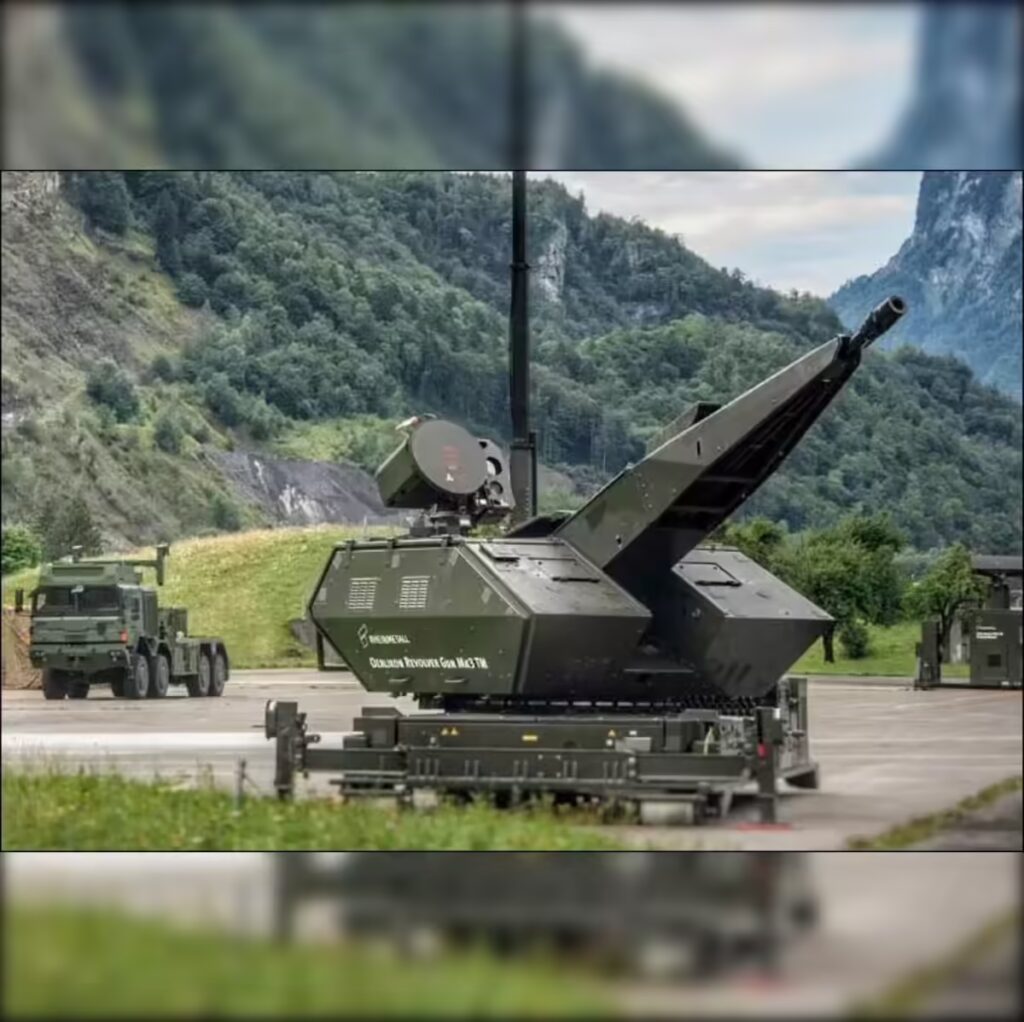
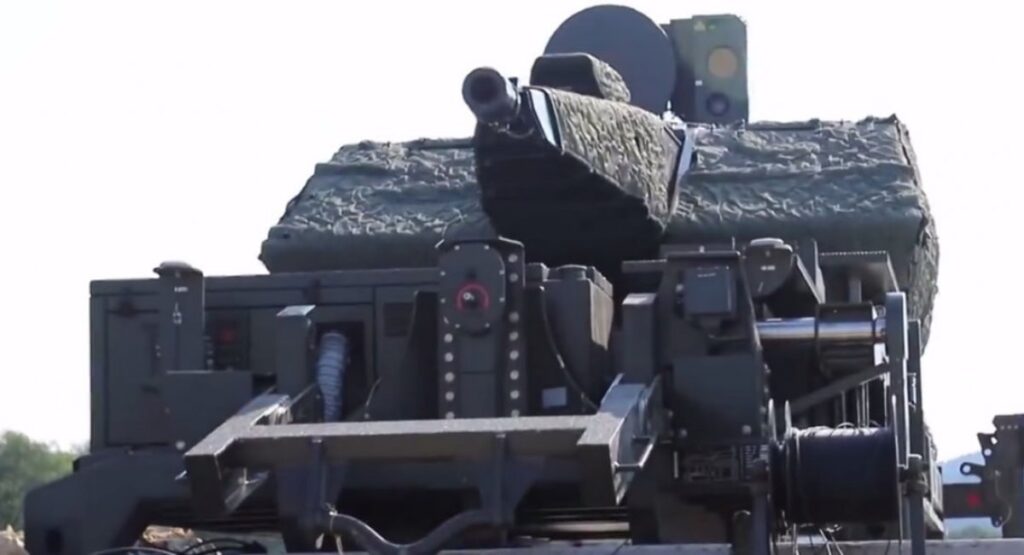
Skynex belongs to a new generation of gun-based short-range air defense systems.
Instead of relying on expensive surface-to-air missiles, it employs the 35 mm Oerlikon Revolver Gun Mk3, firing programmable AHEAD ammunition. Each projectile releases a cloud of tungsten sub-projectiles immediately before reaching the target, significantly increasing the probability of destroying small drones and cruise missiles.
One of the system’s greatest advantages is its cost-effectiveness. Compared to launching expensive interceptor missiles against relatively inexpensive drones, programmable cannon ammunition offers a far more economical solution.
It is also worth noting that Ukrainian sources have previously reported successful operational use of Skynex against both cruise missiles and UAVs, including engagements in which a single battery reportedly destroyed multiple aerial targets during one combat mission.
Technical Specifications
Developer: Rheinmetall
Type: Short-range gun-based air defense system (SHORAD)
Primary weapon: 35 mm Oerlikon Revolver Gun Mk3
Ammunition: Programmable AHEAD airburst rounds
Rate of fire: Up to 1,000 rounds per minute
Primary mission: Countering UAVs, cruise missiles, helicopters, and low-flying aircraft
Conclusion
The debate surrounding the Stern report illustrates how carefully the performance of modern weapon systems should be evaluated.
At present, the controversy is based on reports describing an alleged internal Ukrainian document that has not been publicly released. Rheinmetall categorically disputes the conclusions attributed to the report, while German officials argue that the available operational data remain too limited to support definitive judgments. At the same time, there are also documented reports of successful Skynex combat operations in Ukraine.
Ultimately, the true effectiveness of the system will likely become clear only after a much larger body of operational experience has accumulated. As with any modern air defense system, real combat—not marketing brochures or isolated incidents—will provide the final verdict.






