
North Korea Could Supply Russia with Even More Ballistic Missiles. Why That Would Be Bad News for Ukraine at the Worst Possible Time

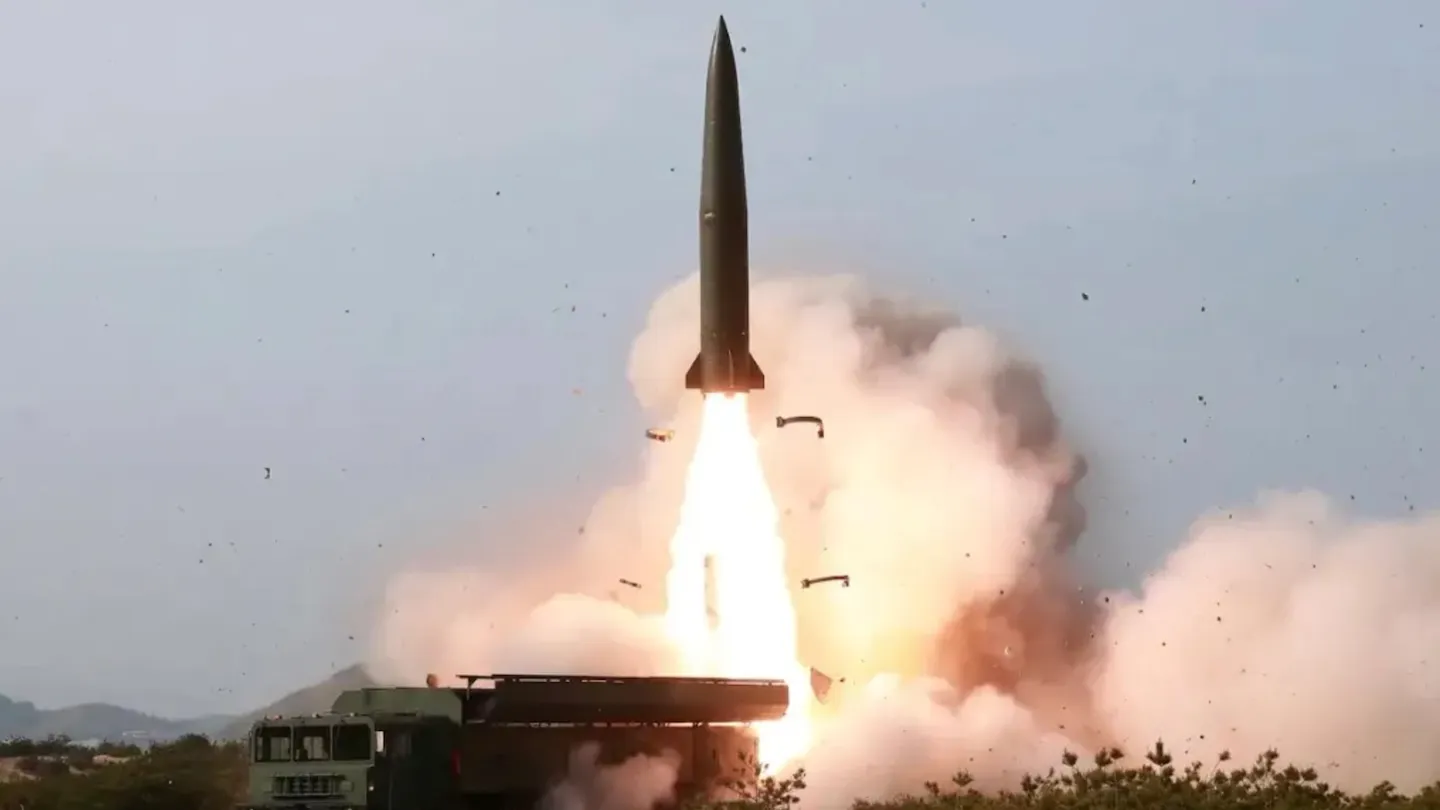
Russia’s Iskander missiles were once considered the primary ballistic threat. That may soon change. If North Korea significantly expands its missile deliveries, the challenge for Ukraine will no longer be just the number of incoming strikes—but also the growing shortage of interceptors capable of stopping them.
Modern warfare is no longer determined solely by technological superiority. Increasingly, victory depends on which side can replenish its arsenals faster and sustain high-volume weapons production over time.
That is why reports suggesting a sharp increase in North Korean ballistic missile deliveries to Russia are far more significant than another headline about military cooperation between Moscow and Pyongyang. If confirmed, this would represent not simply an additional source of missiles, but a meaningful shift in the balance of long-range strike capabilities.
The Real Problem Goes Beyond the Missiles Themselves
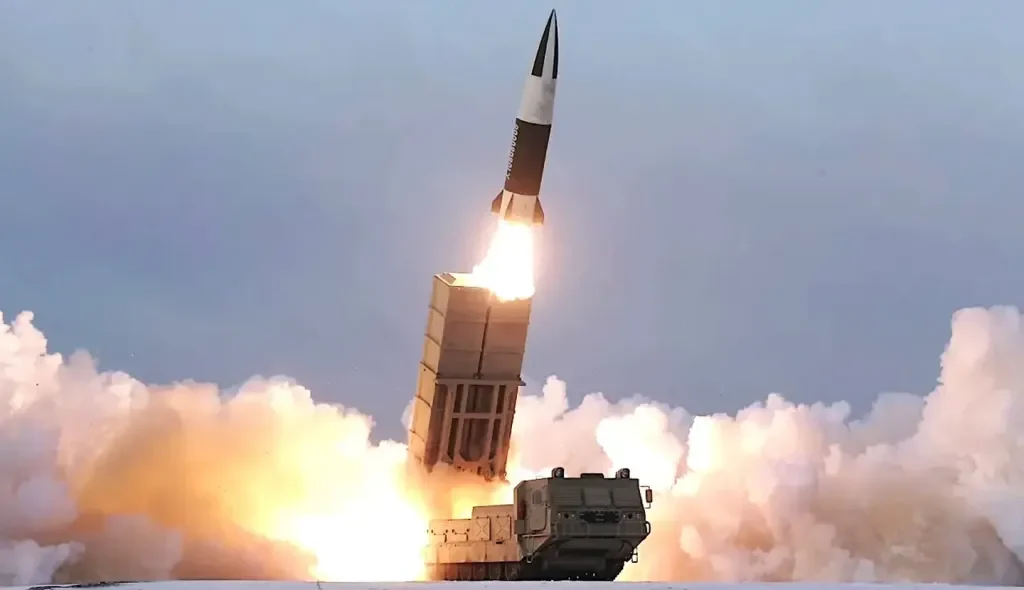
At first glance, Russia would simply be receiving another supply of ballistic weapons.
The real issue is much deeper.
Ballistic missiles remain among the most difficult aerial threats to intercept. Cruise missiles and attack drones can be engaged by a wide variety of short- and medium-range air-defense systems. Modern ballistic missiles are different.
Only a limited number of systems are capable of reliably defeating them.
Today, much of that burden falls on Patriot PAC-3 interceptors, which have repeatedly demonstrated the ability to destroy Russian ballistic and aeroballistic missiles. Every additional ballistic missile entering Russia’s inventory therefore places greater pressure on Ukraine’s already limited missile-defense resources.
What Russia May Receive
According to Ukrainian intelligence, this may involve far more than occasional missile shipments.
Officials claim North Korea could deploy a dedicated missile unit inside Russia equipped with up to six launchers and approximately 120 ballistic missiles.
At the same time, Ukrainian President Volodymyr Zelenskyy stated that Russia could also receive up to 30,000 additional North Korean personnel, indicating a further expansion of military cooperation between the two countries.
Although these claims have not been independently confirmed by Moscow or Pyongyang, they align with the broader trend of increasingly close military ties between Russia and North Korea.
If the reported numbers prove accurate, this would represent the largest reinforcement of Russia’s North Korean ballistic missile inventory since the beginning of the partnership.
North Korea Is No Longer Just an Emergency Supplier
In 2023, reports about North Korean ammunition deliveries were often viewed as isolated incidents.
That perception has changed dramatically.
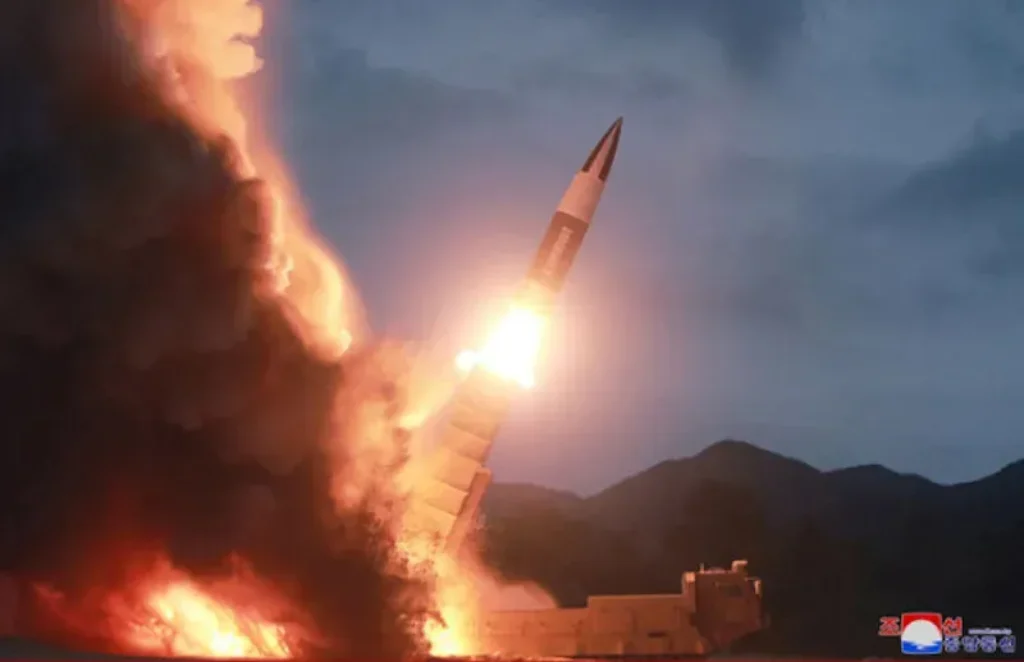
According to Ukrainian officials and several Western assessments, North Korea has already supplied Russia with millions of artillery shells, dozens of launchers, and substantial numbers of KN-23 (Hwasong-11A) and KN-24 ballistic missiles.
Some estimates suggest that more than 150 ballistic missiles have already been transferred.
Military cooperation has clearly evolved beyond simple arms sales. It increasingly resembles a long-term strategic defense partnership.
For Moscow, this provides an opportunity to offset the consumption of precision-guided weapons.
For Pyongyang, it offers economic support, valuable combat experience, and potentially access to advanced military technologies.
Quantity May Matter More Than Quality
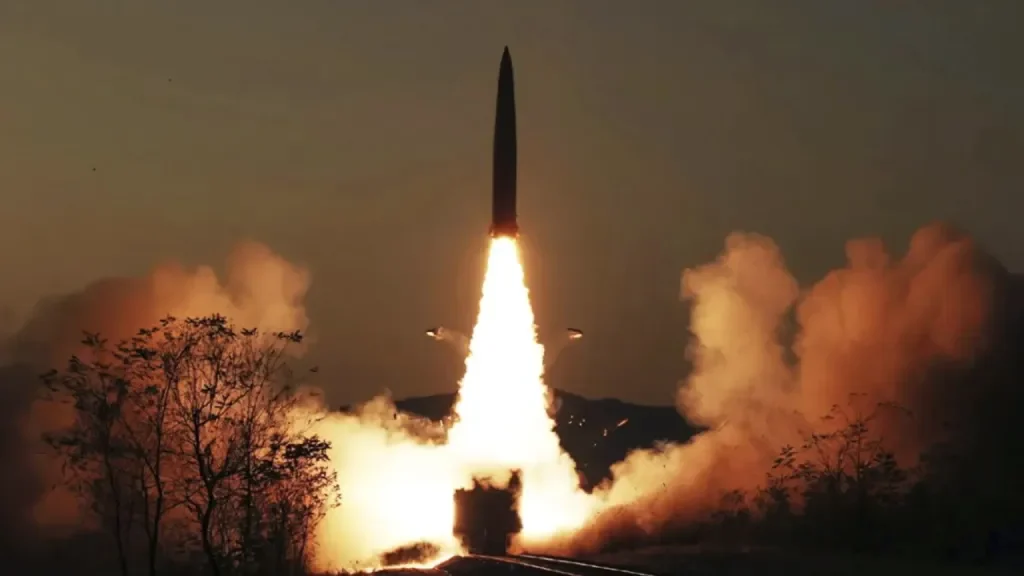
The first North Korean missiles used during the war in Ukraine attracted criticism.
Ukrainian officials reported that some early batches demonstrated relatively poor accuracy, while several missiles reportedly deviated from their intended trajectories or even broke apart during flight.
Yet even a missile that performs below the level of Russia’s Iskander remains a serious threat.
Modern air-defense systems cannot simply ignore a ballistic launch.
Every incoming missile demands an interceptor regardless of where it was manufactured.
For that reason, large-scale deliveries could have a greater operational impact than introducing a smaller number of more advanced weapons.
Why This Matters Right Now
The timing of these reports is particularly significant.
Over recent months, the shortage of Patriot PAC-3 interceptors has become one of the most widely discussed issues in Western defense circles.
Production continues to increase, but global demand is expanding even faster.
Recent fighting in the Middle East has also consumed significant numbers of Patriot interceptors, reducing available stockpiles among the United States and several allied countries.
If Russia receives a fresh stream of North Korean ballistic missiles during this period, Ukraine’s missile-defense network could face growing pressure precisely when replacing expended interceptors is becoming increasingly difficult.
The Economics of Missile Warfare Are Changing
The North Korean missile story illustrates a much broader trend.
Not long ago, large-scale production of precision-guided weapons was considered the exclusive domain of a handful of major military powers.
That assumption is beginning to change.
Regional defense industries are becoming increasingly important suppliers capable of sustaining high-intensity conflicts.
If one country can continuously provide hundreds of ballistic missiles to an ally, it allows that ally to maintain a high operational tempo without dramatically expanding its own manufacturing capacity.
Modern warfare is therefore becoming increasingly dependent not only on national defense industries but also on international military supply networks.
Conclusion
Even if some of the latest reports still require independent verification, the overall direction is becoming increasingly clear.
Military cooperation between Russia and North Korea continues to deepen, and ballistic missiles are emerging as one of the partnership’s most significant components.
For Ukraine, the primary concern is not simply the possibility of more missile strikes.
The larger issue is that every additional ballistic missile requires another expensive interceptor, while the world’s capacity to manufacture modern missile-defense weapons remains limited.
That is why the growing flow of North Korean missiles matters far beyond the battlefield.
It highlights a defining reality of modern warfare: conflicts are increasingly decided not only by the sophistication of weapons, but also by the industrial capacity and international partnerships that keep those weapons flowing.






