History usually remembers generals. Napoleon, Suvorov, Wellington, Kutuzov—the men whose decisions changed the fate of nations, redrew the map of Europe, and determined the outcomes of campaigns. Yet sometimes history is shaped by people who never commanded armies and never won battles.
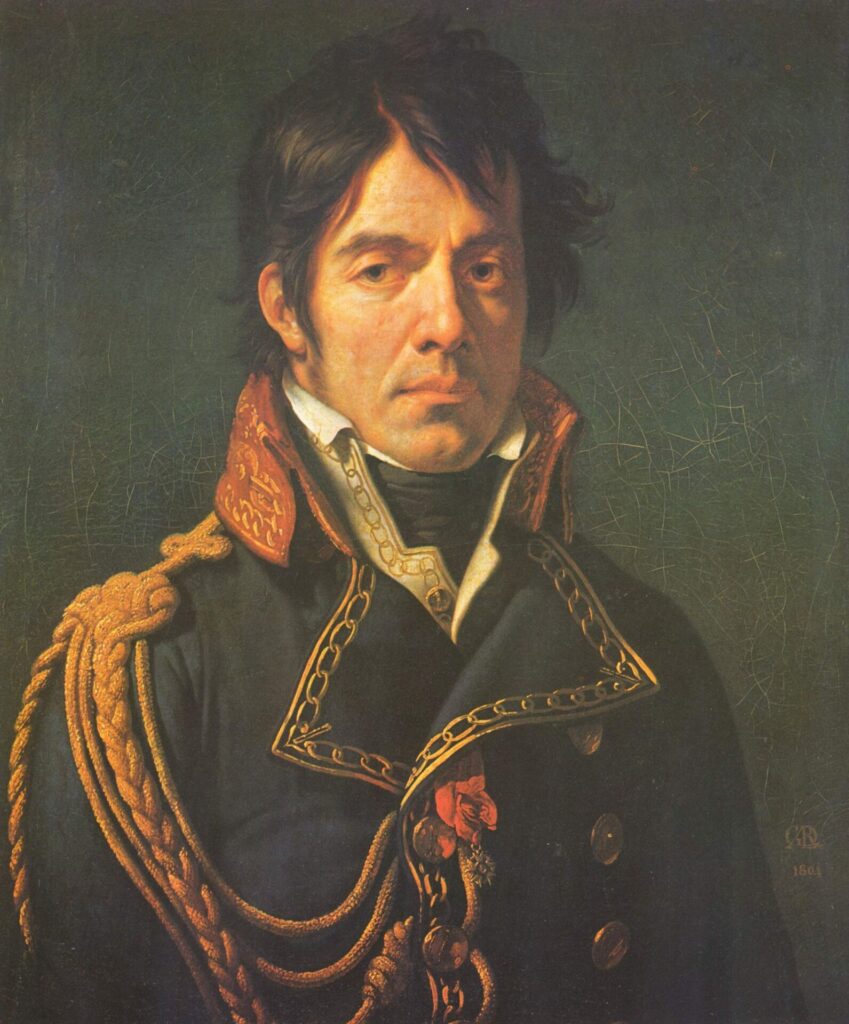
One of those men was Dominique Jean Larrey.
Today, his name is mostly familiar to historians of medicine, but it was Larrey who created a system without which no modern army, emergency service, or disaster-response team can function. Every time doctors sort casualties after a major accident, terrorist attack, or natural disaster, they are essentially applying principles developed by a French surgeon more than two centuries ago.
Ironically, one of the most important breakthroughs in medical history was not born in a university lecture hall or a laboratory.
It was born amid mud, blood, and the cries of the dying on the battlefields of the Napoleonic Wars.
When a Wound Was Almost a Death Sentence
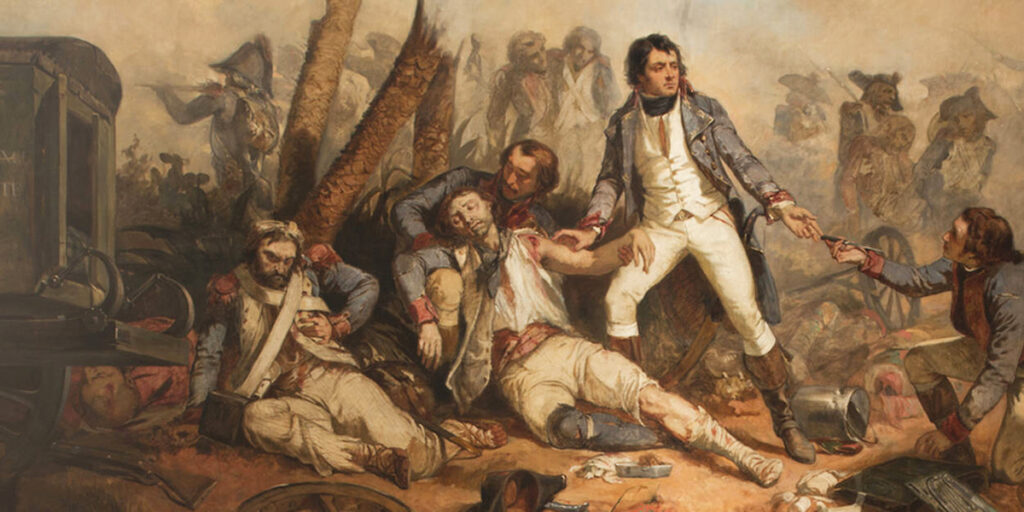
For a modern person, it is difficult to imagine just how terrifying a battlefield wound was at the end of the eighteenth century.
The problem was not the bullets themselves.
Nor was it the saber cuts.
The true killer was infection.
A soldier could survive a musket ball, endure an amputation, and even leave the battlefield alive. Days later, however, he might die from gangrene, sepsis, or fever.
In many European armies, mortality among seriously wounded soldiers reached horrifying levels.
Medical care existed, but it was poorly organized. Surgeons often reached the battlefield only after the fighting had ended. Wounded men could lie among the dead for hours, losing blood and strength.
The situation became even worse after major engagements.
Thousands of casualties might be scattered across the battlefield.
Doctors simply did not know whom to treat first.
Whom to operate on.
Whom to evacuate.
Whom to bandage.
As a result, precious time was wasted on hopeless cases while soldiers with survivable wounds died nearby.
Larrey recognized this problem earlier than most of his contemporaries.
And he concluded that military medicine needed an entirely new approach.
Egypt, Plague, and the Birth of a New Idea
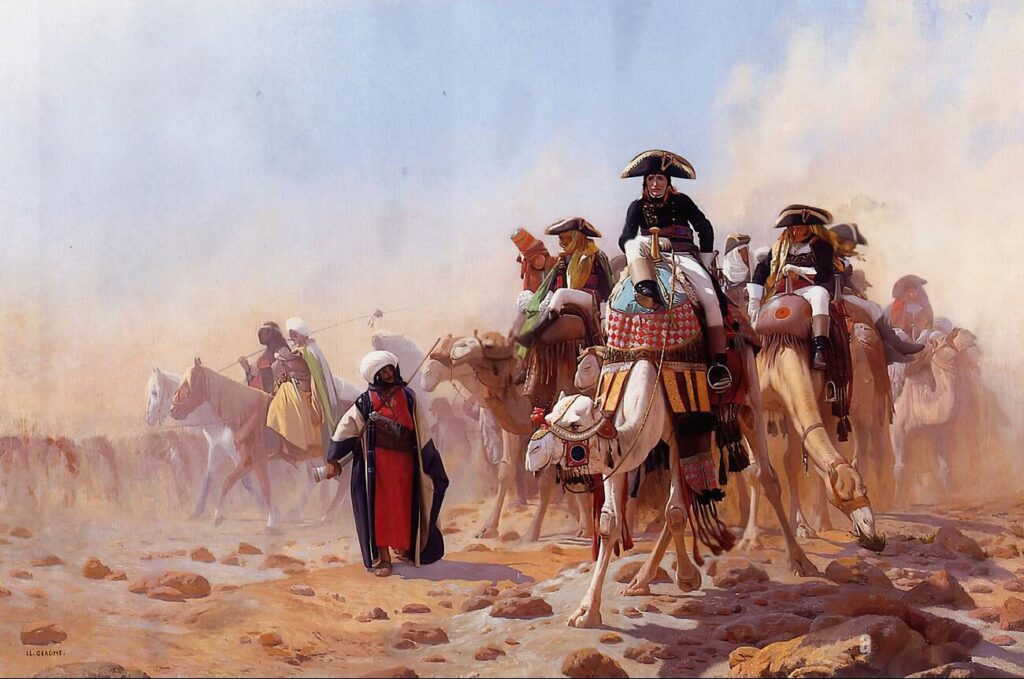
By the time Napoleon launched his Egyptian campaign, Larrey was already regarded as a gifted military surgeon.
Yet North Africa became his true classroom.
Bonaparte’s army faced more than an enemy.
Its greatest opponents were disease.
Plague.
Dysentery.
Typhus.
Heat.
A lack of clean water.
Thousands of soldiers died before ever seeing a battlefield.
Watching the chaos unfold, Larrey arrived at a simple conclusion.
The problem was not merely treatment.
The problem was organization.
A doctor cannot save everyone at once.
Therefore, someone must decide who needs help first.
This realization gave birth to the system the world now knows as triage.
The word comes from the French trier—to sort.
At first glance, the concept seemed cruel.
Larrey proposed dividing the wounded into categories.
Those who could wait.
Those who required immediate intervention.
And those whose injuries were beyond medical help.
Yet this cold logic ultimately saved the greatest number of lives.
The Man Who Abolished Privilege on the Battlefield
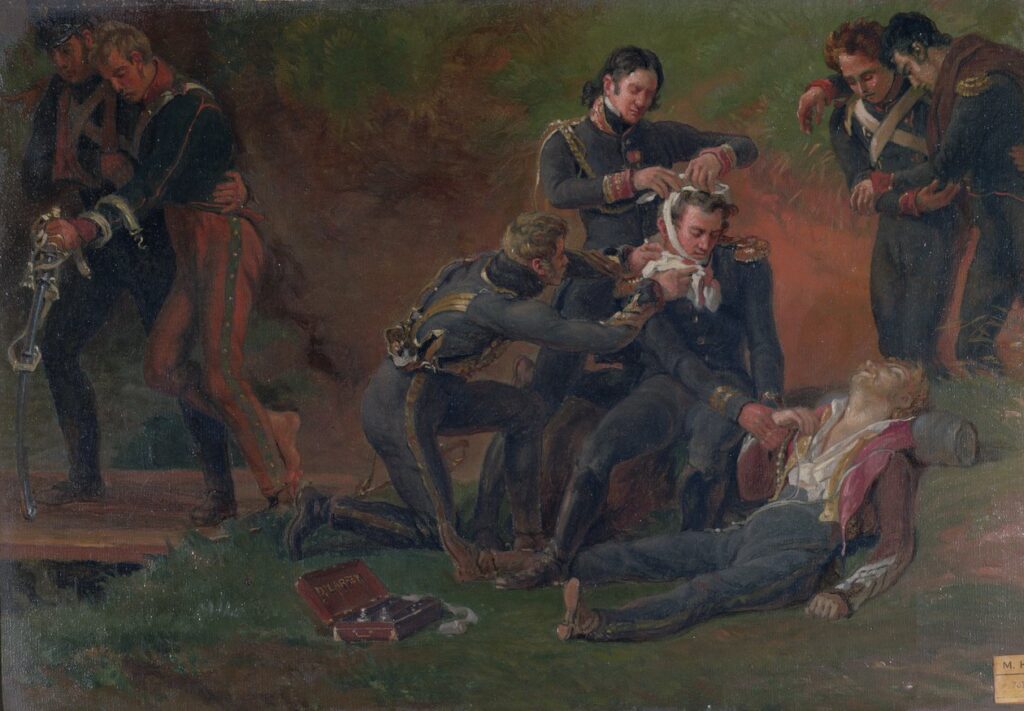
One of Larrey’s most revolutionary ideas seems obvious today.
The wounded should be treated according to the severity of their injuries—not their rank.
Before Larrey, military medicine worked very differently.
Officers received treatment before common soldiers.
Generals before captains.
Aristocrats before peasants.
For eighteenth-century Europe, this hierarchy was considered entirely natural.
Larrey challenged the entire system.
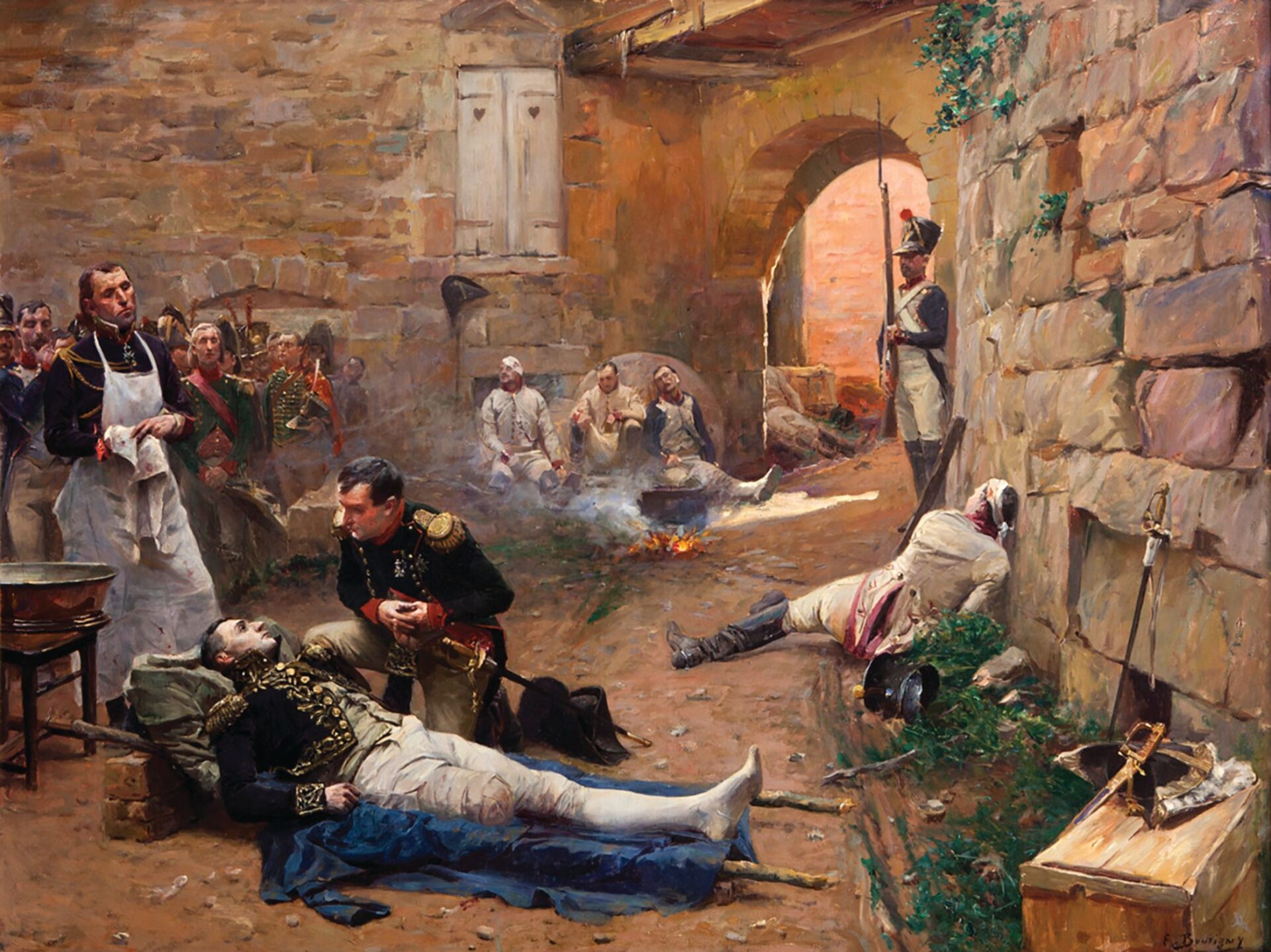
At his aid stations, the first patients to reach the operating table were those closest to death, regardless of social status.
In an age defined by rigid social classes, this was a radical idea.
Yet the results were so impressive that even critics were forced to acknowledge the effectiveness of his methods.
The Flying Ambulances
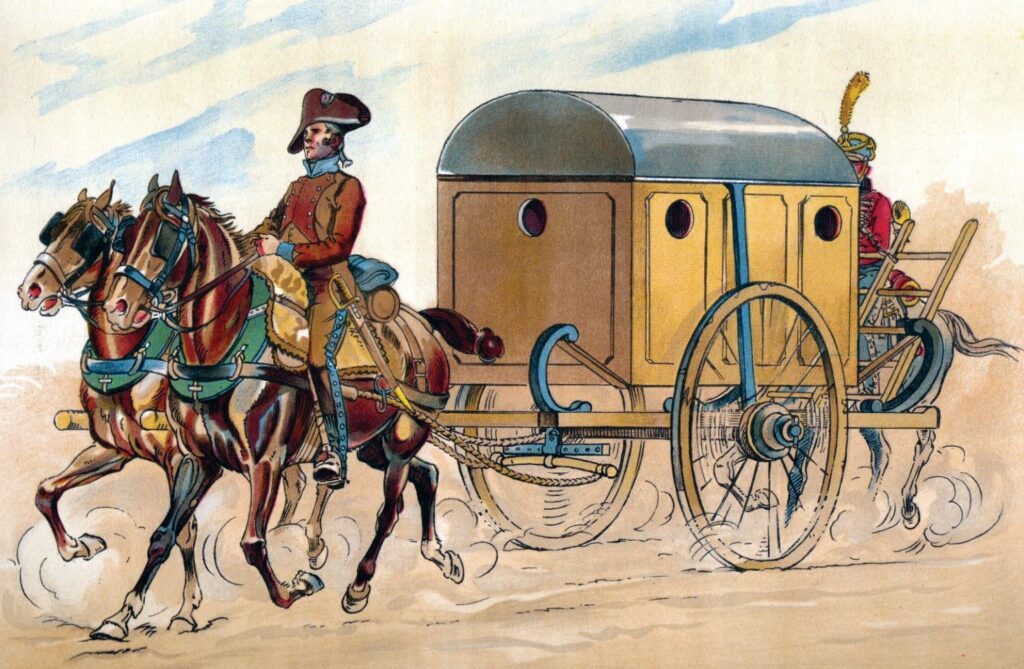
If triage was an intellectual revolution, Larrey’s “flying ambulances” were an organizational one.
Traditionally, medicine waited for the battle to end.
Larrey reversed the equation.
If wounded men could not reach the doctors quickly enough, then doctors would go to the wounded.
He designed lightweight horse-drawn wagons carrying surgeons, instruments, bandages, and medical supplies.
These vehicles followed closely behind the advancing army and entered the battlefield almost immediately after fighting began.
Today, such an idea seems obvious.
In the late eighteenth century, it was revolutionary.
Larrey had effectively created the first modern battlefield evacuation system.
The time between injury and treatment was reduced from hours to mere minutes.
For countless soldiers, that difference meant survival.
Borodino and the Most Terrible Day of His Career
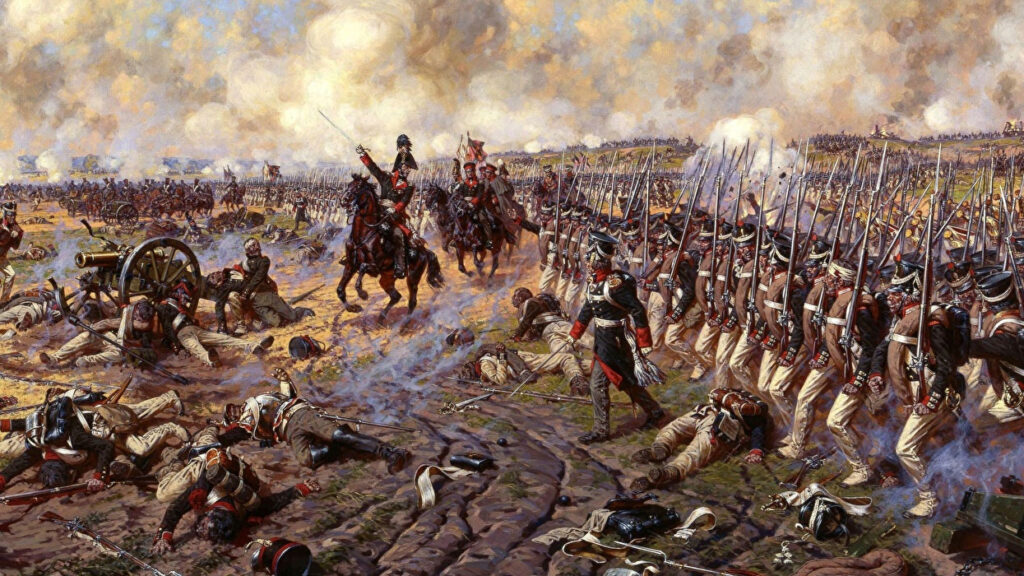
Larrey’s most famous service came during Napoleon’s invasion of Russia in 1812.
There he faced what would today be described as a medical catastrophe.
The Battle of Borodino became one of the bloodiest single-day engagements of the nineteenth century.
Tens of thousands of men were killed or wounded.
The flow of casualties never stopped.
There were not enough hands.
Not enough instruments.
Not enough time.
Later, Larrey recalled that his surgeons worked almost without rest.
Operations continued day and night.
Amputations followed one after another.
Sometimes the difference between life and death was measured in minutes.
Modern readers may find these numbers shocking.
Some procedures lasted only a few minutes.
An amputation could be completed in less than a minute.
Not because surgeons were heartless.
But because anesthesia did not yet exist, and hundreds of wounded men were still waiting their turn.
Why Napoleon Called Him the Most Virtuous Man in the Army
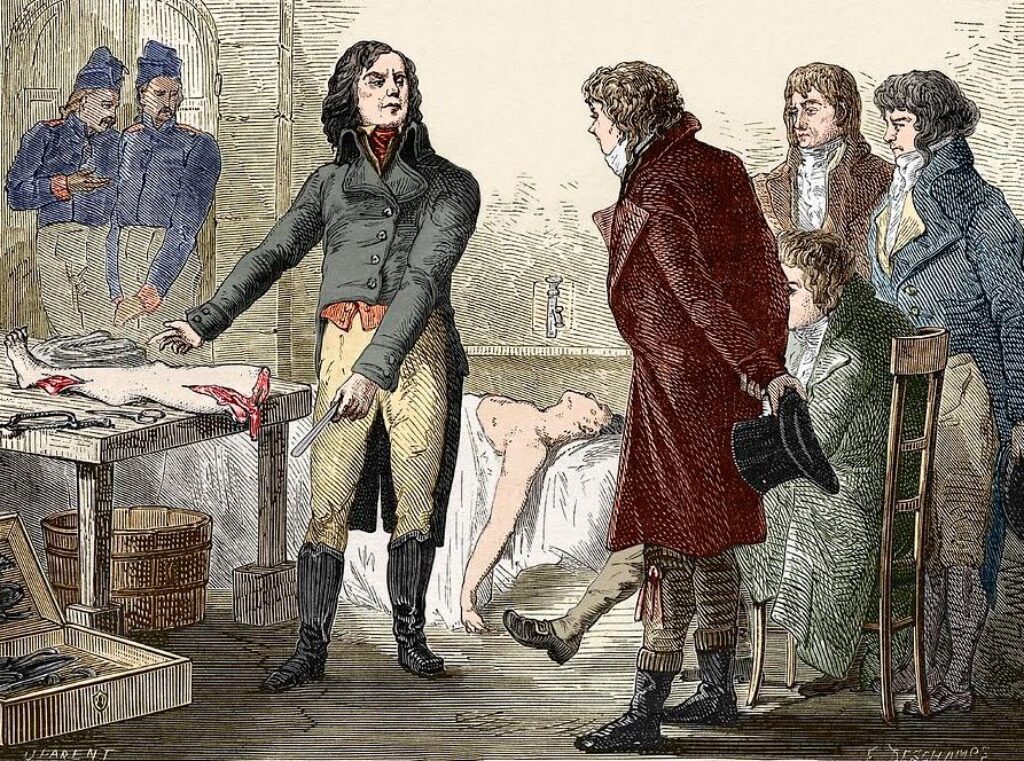
Larrey enjoyed extraordinary respect among ordinary soldiers.
The reason was simple.
He did not distinguish between friend and foe.
Throughout his campaigns, he treated not only French soldiers but also Austrians, Prussians, Russians, and Spaniards.
To Larrey, they were all wounded human beings.
After Waterloo, that reputation may have saved his life.
Captured by the victorious coalition, Larrey was already known throughout Europe.
According to a widely repeated story, the Duke of Wellington ordered his release, declaring that a man who had saved so many lives deserved respect regardless of the flag under which he served.
Historians still debate some details of the account.
What is beyond dispute is the immense respect Larrey commanded—even among his former enemies.
A Legacy That Outlived Napoleon
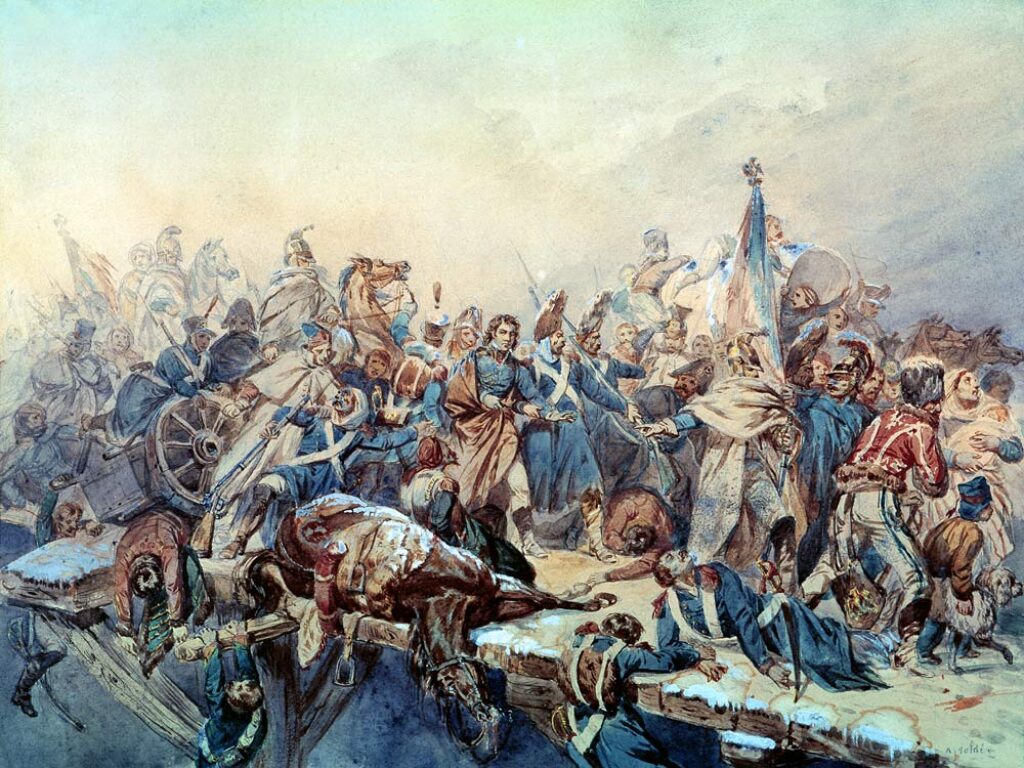
Perhaps the most remarkable thing about Larrey’s work is that it survived not only the Napoleonic Wars but the entire age of muskets.
His triage system became the foundation of modern disaster medicine.
His methods of casualty evacuation became the basis of military medical services worldwide.
His principles continue to guide battlefield medicine today.
Modern doctors possess antibiotics, anesthesia, advanced imaging technologies, and robotic surgery.
Yet when emergency responders arrive at the scene of a disaster and begin deciding who must be treated first, they are still following principles first articulated by a French surgeon more than two hundred years ago.
That is why Dominique Larrey deserves a place among the great reformers of military history.
He never commanded armies.
He never won battles.
He never conquered capitals.
Yet because of his ideas, hundreds of thousands of soldiers were given a chance to return home alive.
And for a physician, that may be the greatest victory of all.