
China Phases Out Russian Engines as New Y-20B Airlifters Enter Service with Indigenous WS-20 Powerplants

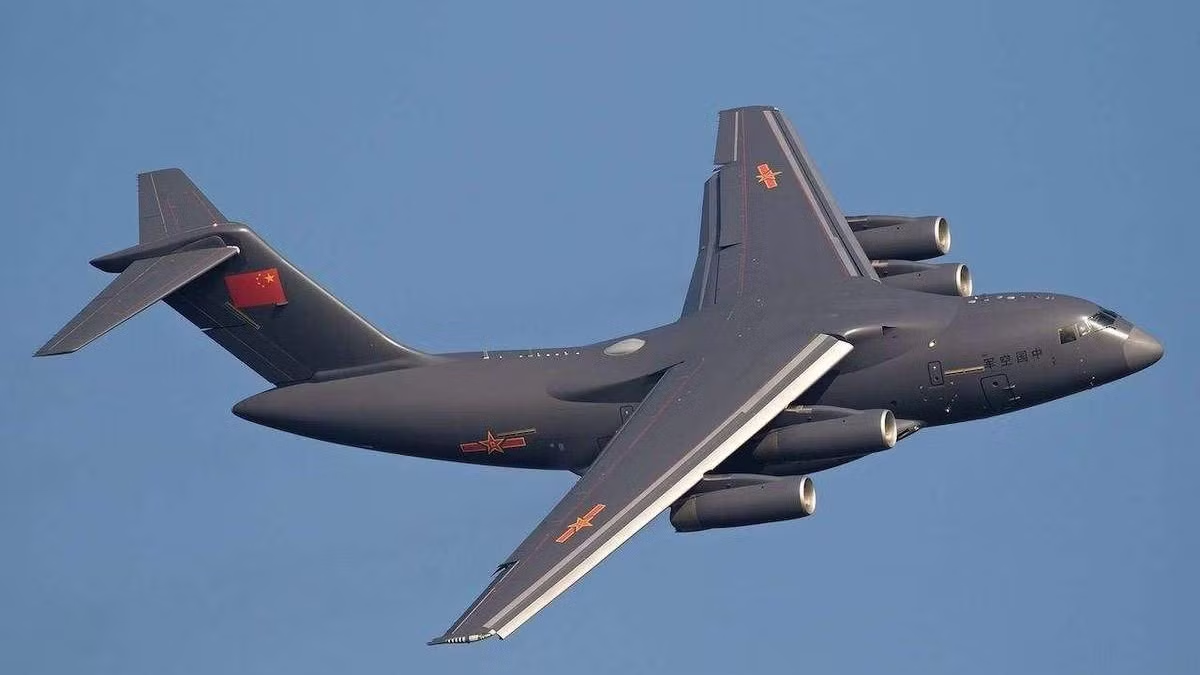
China continues expanding its fleet of Y-20B strategic transport aircraft powered entirely by domestically developed WS-20 turbofan engines. Newly released footage from China’s aviation industry indicates that the number of these aircraft in service with the People’s Liberation Army Air Force (PLAAF) is steadily increasing, marking another major step toward eliminating the program’s dependence on Russian D-30 engines.
A Homegrown Engine Marks a Strategic Milestone
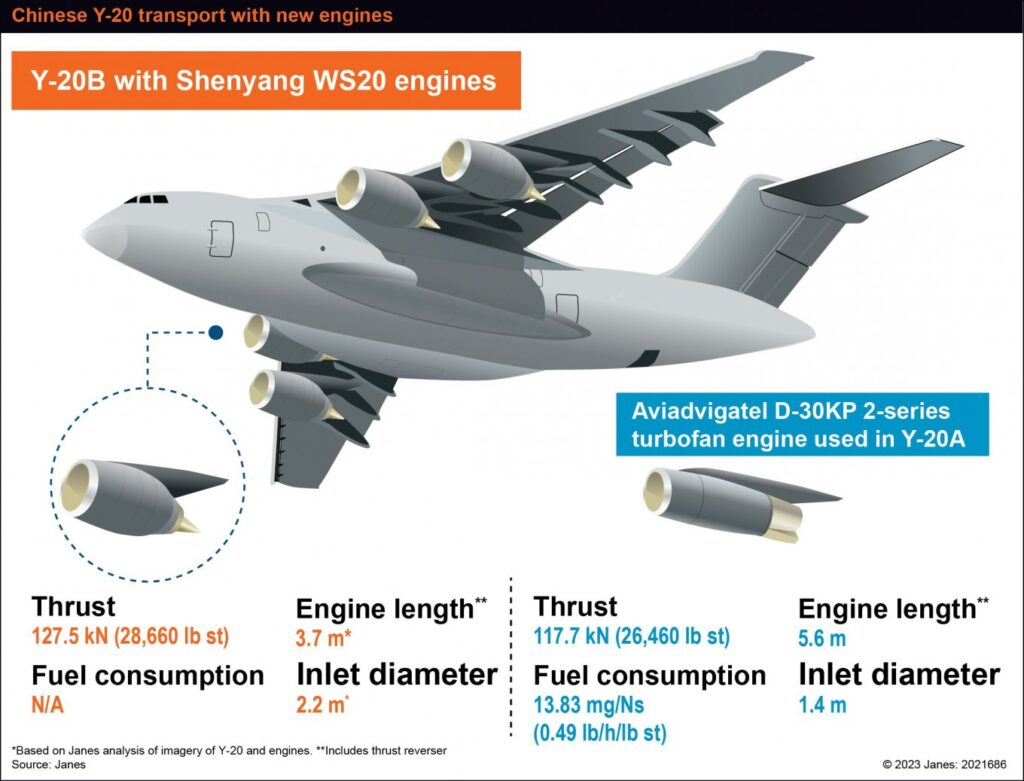
The Y-20 has long been regarded as China’s answer to the Russian Il-76. However, for years the aircraft’s development relied heavily on imported Russian D-30KP-2 turbofan engines, which powered the first production batches.
The introduction of the WS-20 represents one of the most significant milestones in the entire Y-20 program. Developed by the Aero Engine Corporation of China (AECC), the WS-20 is a modern high-bypass turbofan producing an estimated 127–138 kN of thrust, depending on the assessment. This gives it a noticeable performance advantage over the older Russian D-30KP-2.
The additional thrust allows the aircraft to operate more efficiently at maximum payload, improves takeoff performance, and enhances fuel efficiency during long-range missions.
The Y-20B Fleet Is Growing Rapidly
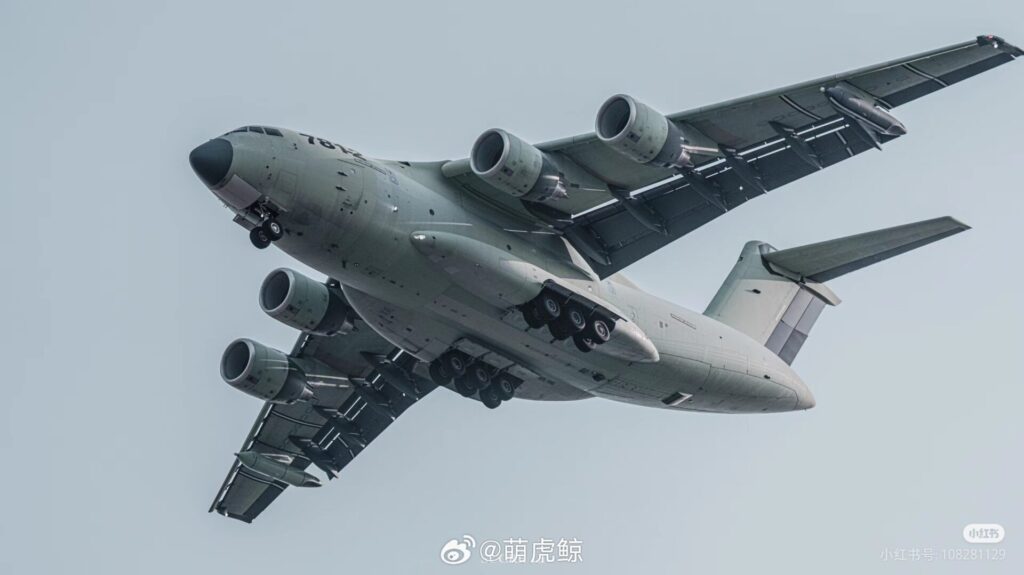
The latest evidence comes from promotional footage released by the Aviation Industry Corporation of China (AVIC) to celebrate the tenth anniversary of the Y-20 program.
The video shows at least ten Y-20B transport aircraft equipped with WS-20 engines. This represents a significant increase compared to late 2024, when satellite imagery identified only about five aircraft of this configuration at Kaifeng Air Base. The first three production aircraft were officially unveiled only in September 2025.
The rapid increase suggests that production of the WS-20-powered variant is now reaching a stable serial manufacturing rate.
More Than Just a Cargo Aircraft
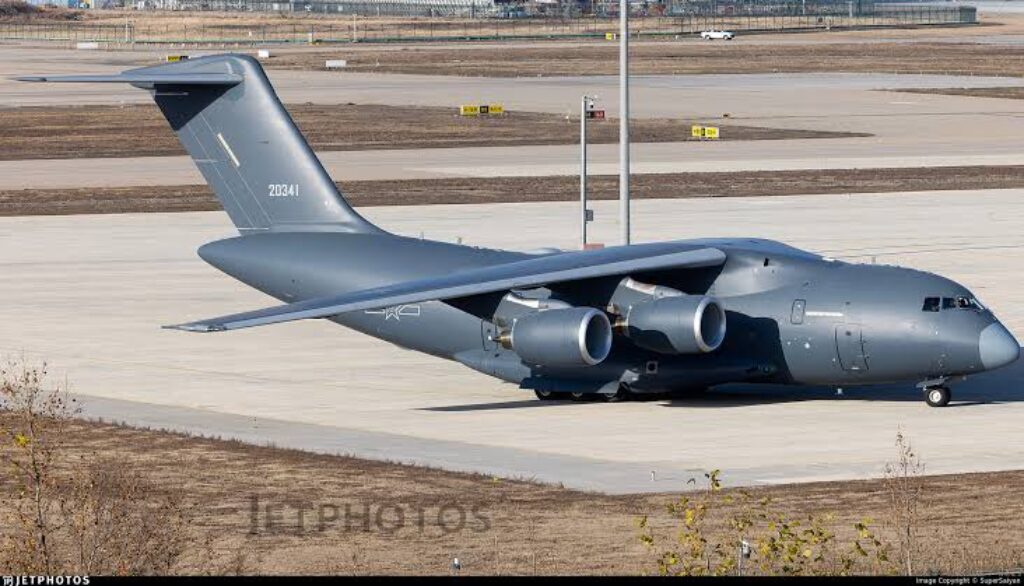
The Y-20 is capable of carrying payloads of up to approximately 60 tons, placing it in the same category as the Russian Il-76MD-90A. The aircraft is designed to transport heavy armored vehicles, military personnel, engineering equipment, and humanitarian cargo over intercontinental distances.
Its importance, however, extends well beyond strategic airlift.
The Y-20 platform has already been adapted into the YY-20 aerial refueling tanker, significantly expanding the operational range of Chinese combat aircraft. The same airframe is also expected to serve as the foundation for future airborne early warning aircraft, airborne command posts, and other specialized military platforms.
China Is Eliminating One of Its Last Critical Dependencies
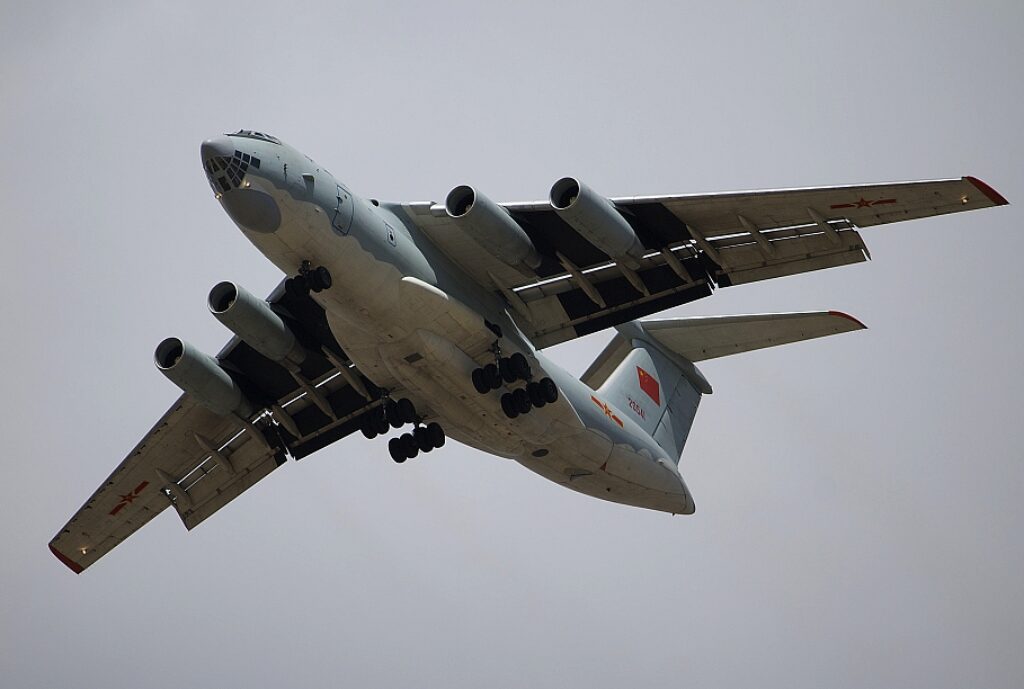
Aircraft engine development has historically been one of the most challenging areas of China’s aerospace industry. Despite major advances in aircraft design and manufacturing, Beijing remained dependent on Russian powerplants for several key military aviation programs for decades.
That situation is steadily changing.
Over the past several years, China has been replacing foreign engines with indigenous designs across multiple aircraft categories, including fighters, carrier-based aircraft, and heavy transport platforms. The transition of the Y-20B to the WS-20 represents another important milestone in this broader strategy, enabling serial production without relying on imported propulsion systems.
Strengthening China’s Global Airlift Capability
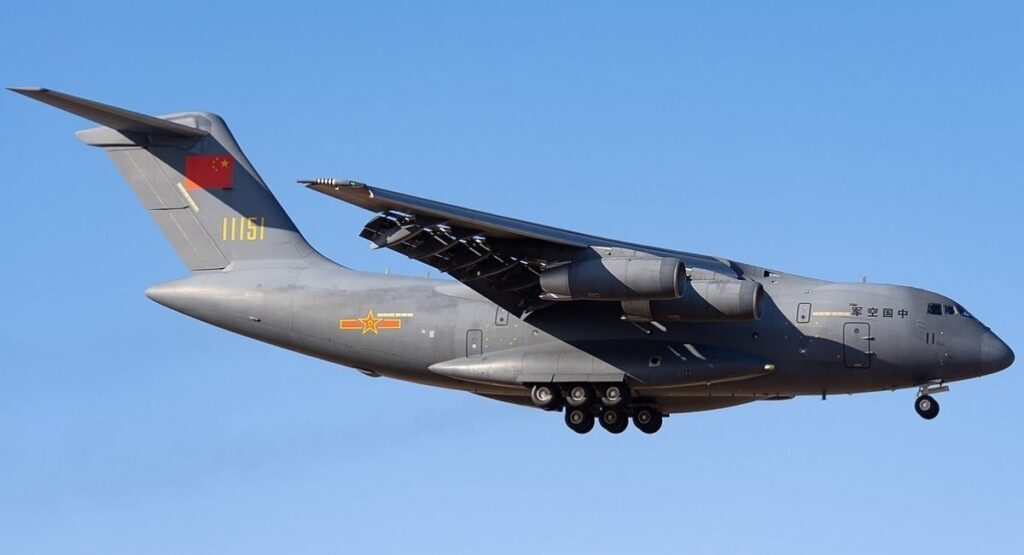
The growing fleet of WS-20-powered Y-20B aircraft represents far more than the introduction of another military transport.
Strategic airlifters are essential tools for global military logistics, allowing armed forces to rapidly deploy troops, armored vehicles, air-defense systems, and humanitarian aid thousands of kilometers from home territory.
By replacing imported engines with domestically produced powerplants, China gains greater control over production schedules while reducing vulnerability to foreign suppliers. If current manufacturing rates continue, the Y-20B is poised to become the backbone of China’s strategic airlift fleet for decades, while also serving as the platform for an expanding family of specialized military aircraft.






