
The War of Assembly Lines: How Lockheed Martin Plans to Mass-Produce Missiles at Unprecedented Speed

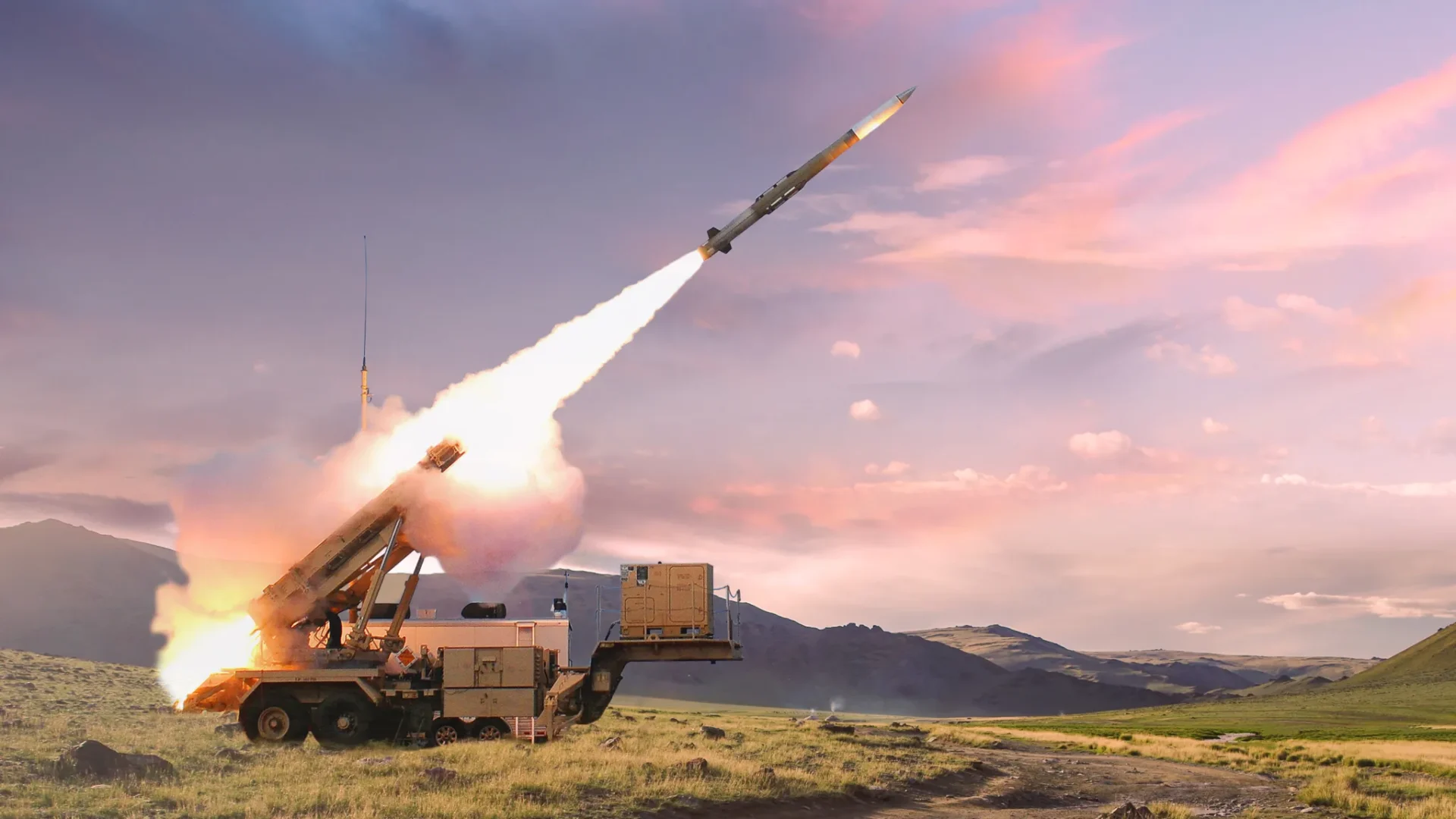
Recent conflicts have exposed an unexpected weakness in modern defense industries. Designing a sophisticated precision-guided missile is often easier than manufacturing thousands of them quickly.
The wars in Ukraine, the Middle East, and growing tensions across the Indo-Pacific have dramatically increased global demand for advanced munitions. Stockpiles that were built over decades have begun to shrink, while production lines originally designed for peacetime procurement have struggled to keep pace with wartime consumption.
To address this challenge, Lockheed Martin has launched one of the most ambitious industrial modernization programs in its history. The company’s objective is straightforward: produce more missiles, deliver them faster, and lower production costs without sacrificing quality.
A New Philosophy for the Defense Industry
For decades, Western defense manufacturers prioritized technological superiority over production volume.
Precision-guided missiles costing millions of dollars each were manufactured in relatively small batches, a model that worked well during limited military operations where munition expenditures remained manageable.
Recent conflicts have fundamentally changed that assumption.
Military planners now recognize that even the world’s largest armed forces can rapidly deplete their missile inventories during high-intensity warfare.
As a result, the U.S. Department of Defense is no longer focused solely on developing next-generation weapons. It also expects manufacturers to dramatically increase production capacity for existing systems.
Billions of Dollars in Industrial Investment
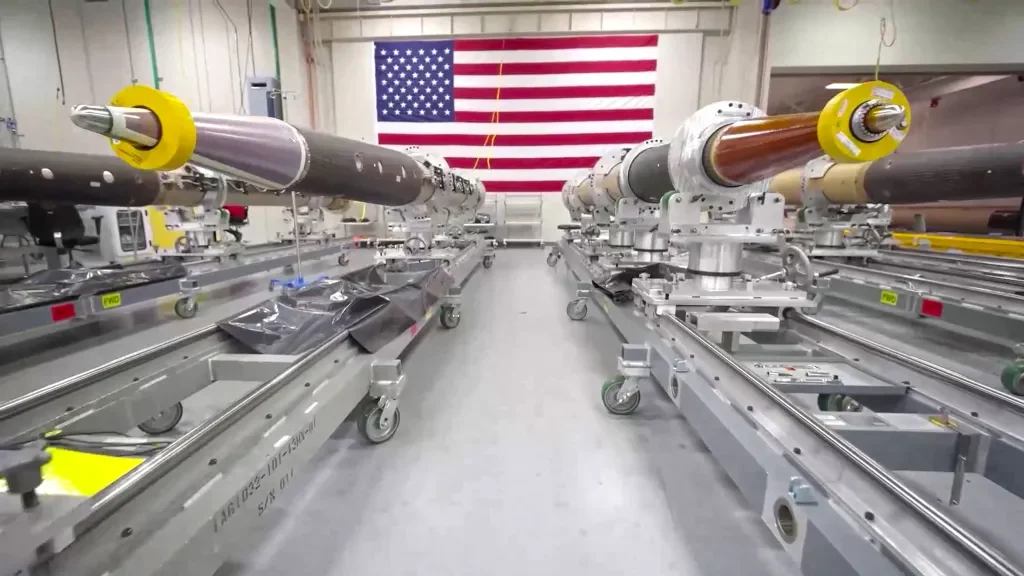
To meet this demand, Lockheed Martin plans to invest between $8 billion and $9 billion in expanding its manufacturing capabilities before the end of the decade.
The investment will fund:
- construction of new production facilities;
- modernization of existing factories;
- advanced manufacturing equipment;
- expansion of supplier networks;
- improvements across the entire defense industrial base.
According to the company, more than twenty production sites across the United States are involved in the initiative.
At the same time, Lockheed Martin is working to diversify its supplier base in order to reduce dependence on individual manufacturers and strengthen supply chain resilience.
Manufacturing More Missiles Means Rebuilding the Entire System
Increasing missile production is far more complicated than simply adding additional assembly lines.
A modern guided missile contains thousands of individual components produced by hundreds of different suppliers.
If even one manufacturer cannot increase output, the entire production chain slows down.
That is why Lockheed Martin’s strategy extends far beyond its own factories.
The company is focusing on:
- expanding supplier networks;
- creating secondary sources for critical components;
- increasing factory automation;
- digitalizing supply chain management;
- modernizing testing facilities;
- reducing production and delivery timelines.
The goal is not simply to build missiles faster—it is to redesign the entire industrial ecosystem that supports them.
Which Weapons Are the Priority?
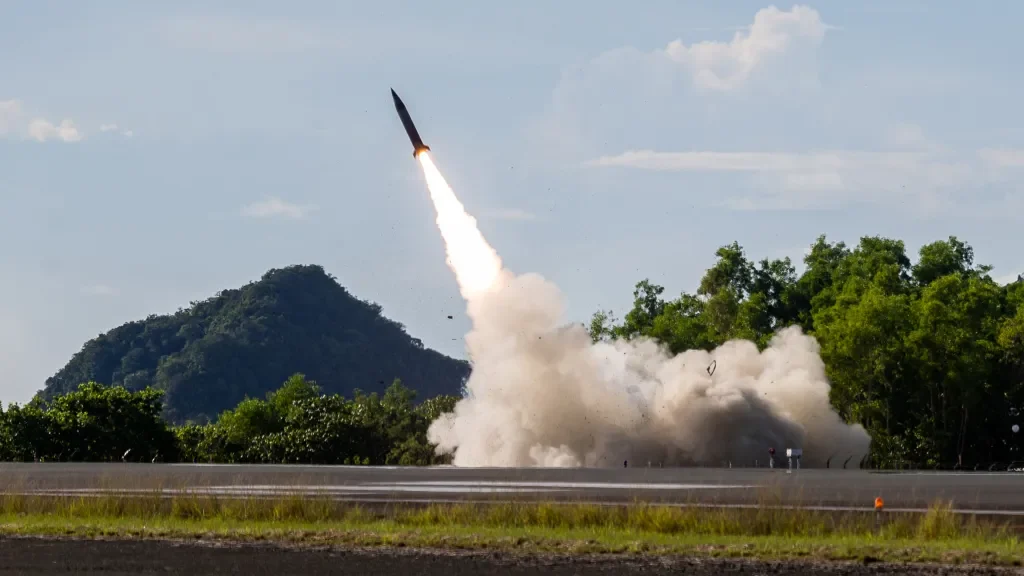
The largest production increases are expected for systems currently in highest demand by the U.S. military and allied nations.
These include:
- PAC-3 MSE interceptors for the Patriot air defense system;
- THAAD missile defense interceptors;
- Precision Strike Missile (PrSM);
- Joint Air-to-Ground Missile (JAGM);
- and other advanced precision-guided weapons manufactured by Lockheed Martin.
Particular emphasis is being placed on air and missile defense interceptors, whose demand has surged dramatically following recent conflicts.
Patriot Is Becoming the Model
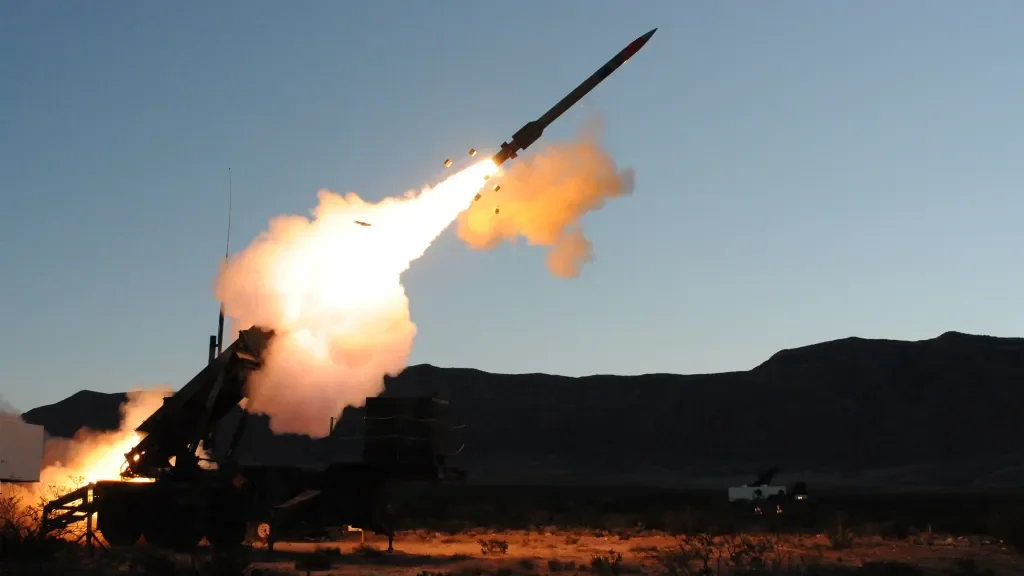
The PAC-3 MSE program illustrates the new production strategy particularly well.
Lockheed Martin has already secured multi-year contracts worth tens of billions of dollars for Patriot interceptor production.
Working alongside the U.S. Department of Defense, the company is simultaneously expanding production of rocket motors, guidance systems, and other critical components while establishing additional suppliers to eliminate bottlenecks across the manufacturing process.
Rather than increasing output at a single factory, the objective is to strengthen every stage of production.
Manufacturing Is Becoming as Important as Technology
A decade ago, technological innovation alone was often considered the greatest competitive advantage for defense companies.
Today, that is no longer enough.
Modern warfare has demonstrated that even the world’s most advanced missile provides limited strategic value if it cannot be replaced quickly after launch.
As a result, defense manufacturers are increasingly competing not only in research and development but also in industrial capacity.
Production speed is becoming a strategic capability in its own right.
In many respects, the factory is becoming just as important as the weapon it produces.
A New Phase of the Global Arms Race
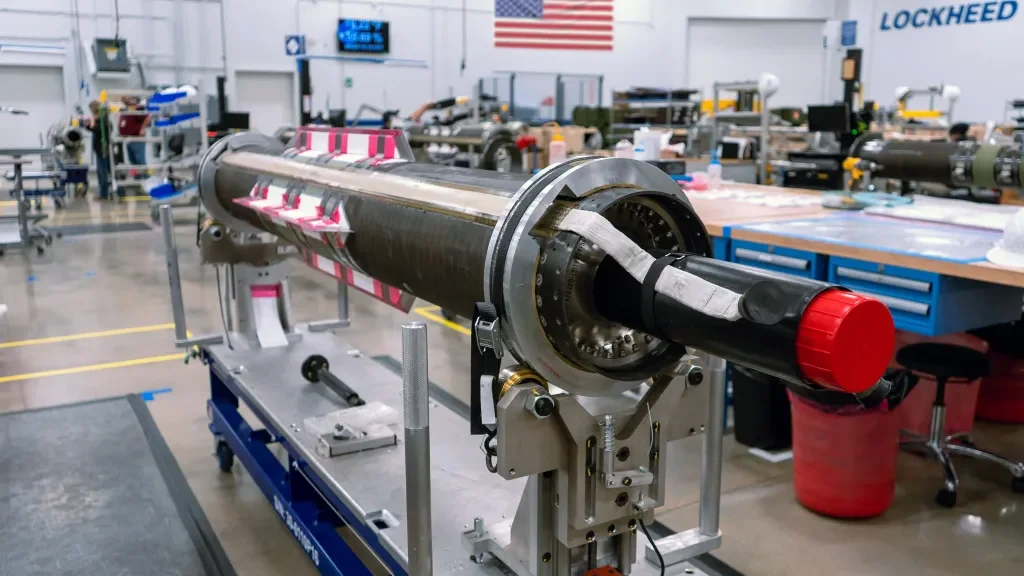
Lockheed Martin is far from alone.
Across the American defense industry, manufacturers are investing heavily to expand production capacity.
RTX continues increasing Tomahawk cruise missile production, Northrop Grumman is expanding output for missile defense components, while the U.S. government is signing long-term procurement agreements that give manufacturers the confidence to invest billions in new facilities.
The global arms race is increasingly shifting away from design offices and toward production lines.
The decisive advantage may no longer belong to the country that develops the next revolutionary missile first—but to the one capable of manufacturing thousands of them quickly.
More Than Missiles—An Industrial Revolution
At first glance, Lockheed Martin’s initiative may appear to be little more than a factory expansion program.
In reality, it represents something much larger.
The company is reshaping nearly every aspect of modern defense manufacturing—from raw material procurement and supplier management to automated production and final delivery.
Factory automation, redundant supplier networks, digital manufacturing systems, and long-term government contracts are becoming the foundation of a new industrial model.
If the strategy succeeds, America’s greatest advantage may not simply be superior military technology, but the ability to manufacture advanced precision weapons at a speed and scale unmatched by any competitor.
In the era of prolonged, high-intensity warfare, industrial capacity could prove just as decisive as battlefield innovation itself.






