NATO 3.0: Why Europe May Soon Have to Defend Itself Without a Large U.S. Military Presence

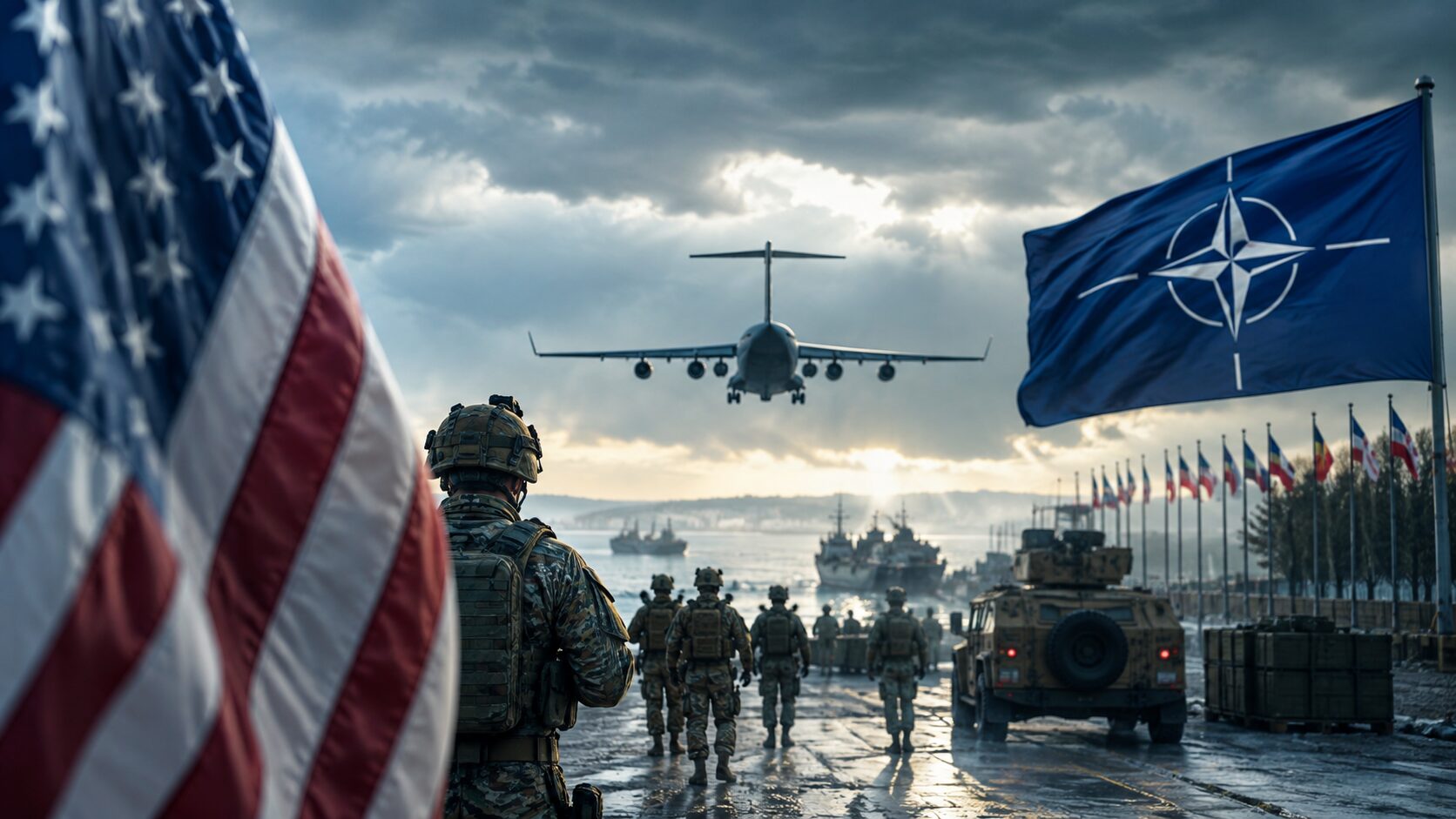
For decades after the Cold War, European security rested on one fundamental pillar—the extensive military presence of the United States. American bases, airpower, logistics hubs, and tens of thousands of troops formed the backbone of NATO’s collective defense.
Today, however, Washington’s strategic priorities are shifting. The United States increasingly views China as its primary long-term competitor, while expecting European allies to assume greater responsibility for defending their own continent. This changing approach is reflected in the Pentagon’s ongoing Europe Posture Review, a comprehensive assessment of the U.S. military presence in Europe that is expected to conclude within the next six months.
If the review aligns with recent statements from senior U.S. officials, NATO could soon enter an entirely new phase of its history.
What Is the Europe Posture Review?
Officially, the Europe Posture Review is a comprehensive evaluation of the size, structure, and mission of U.S. forces stationed across Europe.
Many defense analysts, however, believe the overall direction has already been signaled.
U.S. Under Secretary of Defense for Policy Elbridge Colby has repeatedly argued that European allies should assume primary responsibility for the continent’s conventional defense, allowing the United States to redirect more military resources toward the Indo-Pacific region.
In other words, Washington is not discussing leaving NATO.
Instead, it is redefining how responsibilities should be shared within the alliance.
The Emergence of “NATO 3.0”
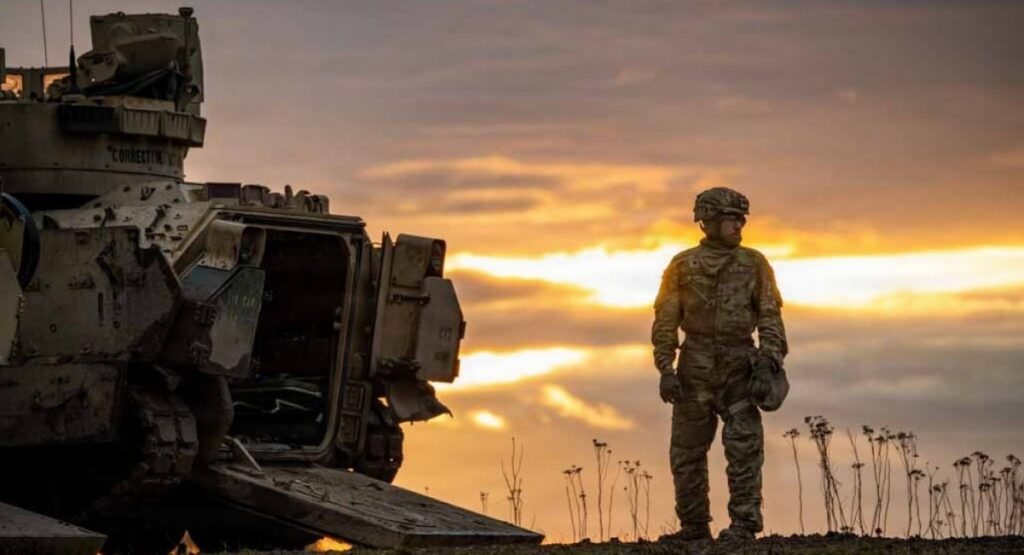
Defense experts have increasingly begun using the unofficial term “NATO 3.0.”
The concept divides the alliance’s history into three distinct eras.
The first was the Cold War, when NATO’s central mission was deterring the Soviet Union.
The second began after the collapse of the USSR, focusing on alliance enlargement, peacekeeping operations, and counterterrorism missions.
According to many American strategists, a third phase is now emerging.
Its central idea is straightforward: Europe should take primary responsibility for its own conventional defense, while the United States concentrates on global competition with China.
Why Washington Is Looking Toward Asia
Recent U.S. national security strategies consistently identify China as America’s most significant long-term strategic challenge.
Russia, while still viewed as a serious military threat, is generally considered a regional power rather than a global competitor capable of dominating Europe.
As a result, Pentagon planners are increasingly seeking ways to shift military resources toward the Indo-Pacific theater.
This could eventually involve not only naval and air assets, but also portions of the U.S. ground forces currently stationed in Europe.
What Could Happen to U.S. Forces in Europe?
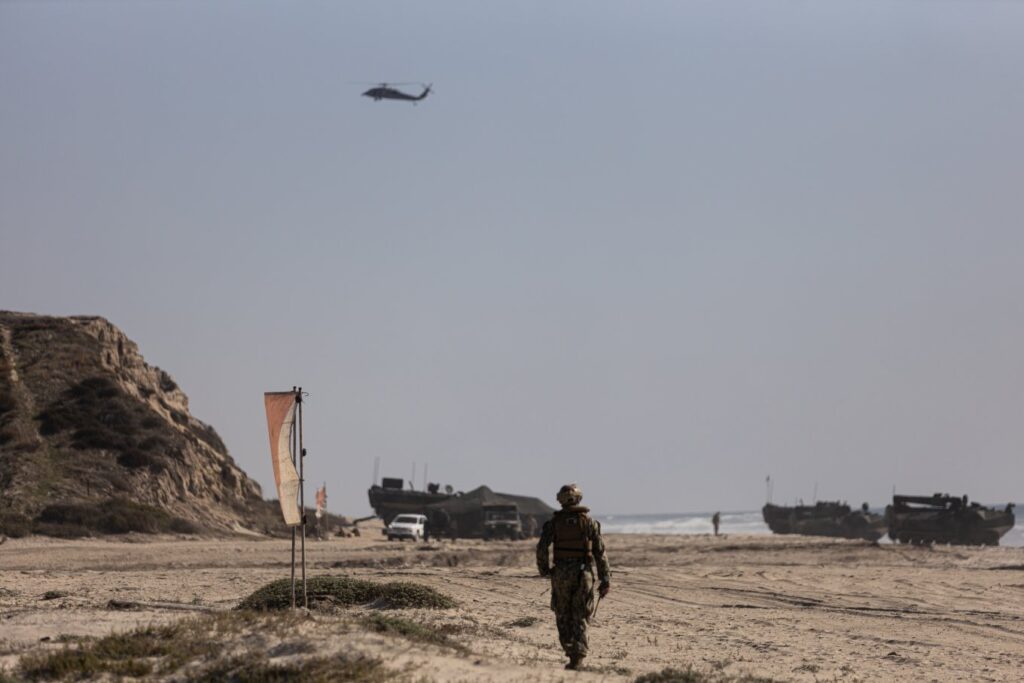
Approximately 80,000 American troops are currently deployed across Europe.
No official proposal calls for a complete withdrawal.
Instead, discussions focus on restructuring the force.
The most likely scenario would preserve units responsible for strategic deterrence, including missile defense, intelligence, logistics, long-range aviation support, and nuclear-related capabilities.
Meanwhile, portions of the Army and tactical aviation units could eventually be reduced or reassigned to other regions.
Can Europe Replace the United States?
This remains the central question.
From an economic perspective, the combined economies of NATO’s European members significantly exceed Russia’s economic output.
In theory, Europe possesses sufficient financial resources to sustain much larger armed forces than it currently maintains.
Military capability, however, is about far more than defense spending.
For decades, European militaries have relied heavily on the United States for critical capabilities such as:
- Strategic airlift
- Aerial refueling
- Space-based intelligence
- Missile defense
- Long-range precision strike systems
- Large-scale logistics
- Integrated command and control
Developing comparable capabilities independently would require not only substantial investment but also many years of sustained industrial and military development.
Six Months Does Not Mean Immediate Withdrawal
Some headlines suggest Europe has “only six months” before American troops leave.
That interpretation is misleading.
The six-month period refers to the completion of the Europe Posture Review, not to any deadline for troop withdrawals.
Even if Washington decides to significantly reshape its military presence, implementing such changes would almost certainly take years rather than months.
Nevertheless, the conclusions of the review may define NATO’s strategic direction well into the next decade.
Europe Is Already Preparing
In many respects, the transition has already begun.
Since the outbreak of the war in Ukraine, most European NATO members have significantly increased their defense budgets.
Governments are investing in expanded production of ammunition, armored vehicles, air-defense systems, missiles, and other military equipment.
At the same time, European leaders continue discussing greater defense-industrial independence and stronger indigenous military capabilities.
These efforts align closely with the broader expectation that Europe will gradually assume greater responsibility for its own security.
Conclusion
The Europe Posture Review is still underway, and no final decisions have yet been announced.
However, the review itself reflects an undeniable shift in American strategic thinking. Washington increasingly views the Indo-Pacific as its primary theater of competition and expects European allies to shoulder a much larger share of NATO’s conventional defense responsibilities.
This does not necessarily mean the United States will abandon Europe or withdraw from NATO.
Instead, it points toward a gradual redistribution of responsibilities within the alliance.
If the concept informally known as “NATO 3.0” ultimately shapes future U.S. policy, European nations will likely need to accelerate military modernization, strengthen their defense industries, and prepare for a future in which American military support remains significant—but is no longer as dominant as it has been for the past three decades.