
Russia’s Banderol Enters a New Phase: Why the New Cruise Missile Is Likely Being Launched from Ground-Based Launchers

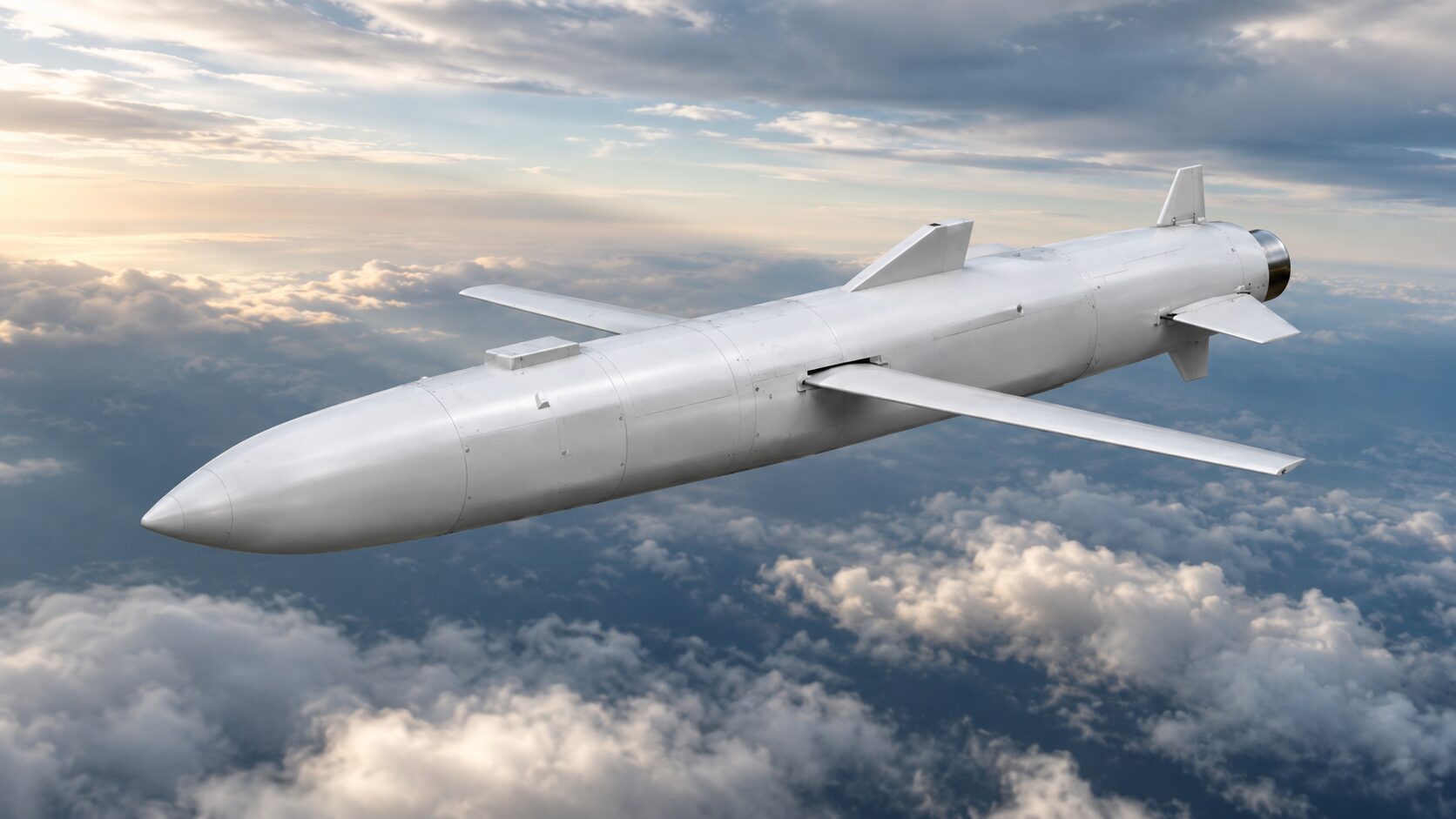
Until recently, Russia’s S8000 Banderol cruise missile was considered a relatively niche weapon, believed to be launched exclusively from Orion strike-reconnaissance drones. However, recent missile attacks against Ukraine have prompted defense analysts to reconsider that assumption.
According to Ukrainian military assessments and analyses of recent strike patterns, there are growing indications that Russia has already begun deploying ground-based launchers for the Banderol missile. If confirmed, this would represent far more than simply a new launch method—it would significantly increase Russia’s ability to conduct large-scale missile strikes.
Why Analysts Began Questioning the Launch Method
The discussion began after a recent large-scale attack against Ukraine’s Odesa region.
According to Ukrainian officials, nine S8000 Banderol missiles were launched during a single strike package, with all of them reportedly intercepted over the Black Sea.
That immediately raised an obvious question.
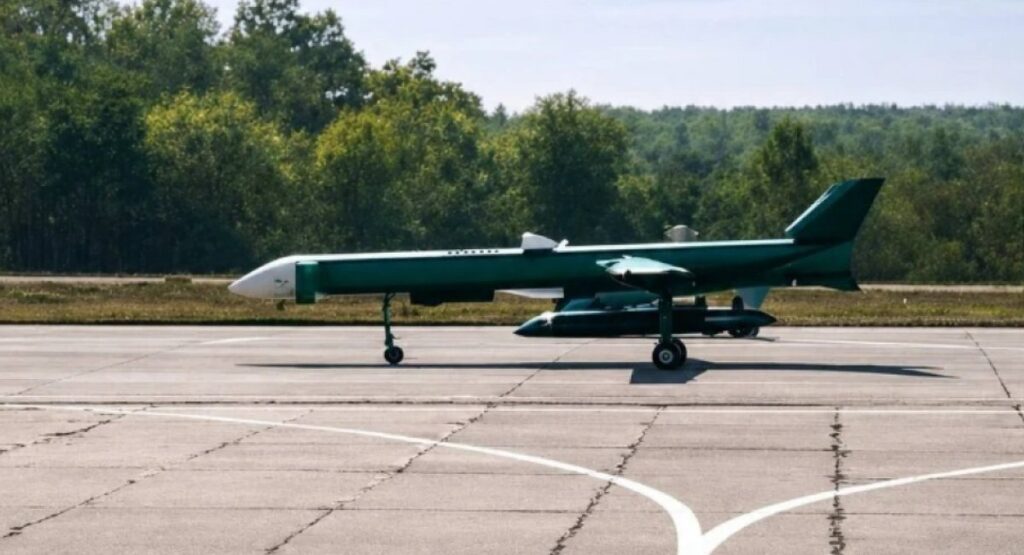
Until now, the missile’s primary launch platform had been identified as the Orion UAV, which is believed to carry only one Banderol missile at a time.
Launching nine missiles simultaneously would therefore require at least nine Orion drones operating in the same mission.
Given the known production numbers of the Orion fleet, such a scenario appears unlikely.
As a result, an increasing number of analysts now believe the missiles were instead launched from newly developed ground-based launchers.
The Launcher Was Revealed Long Before
Interestingly, the launcher itself is not entirely new.
Images of the system first appeared in late 2025 but attracted little attention at the time.
The photographs showed a compact mobile launcher carrying multiple transport-launch canisters designed for the S8000 missile.
Back then, many observers assumed it was either a prototype or a concept vehicle.
Now, however, it increasingly appears that the system has completed testing and may already be entering operational service.
Why Ground Launchers Matter
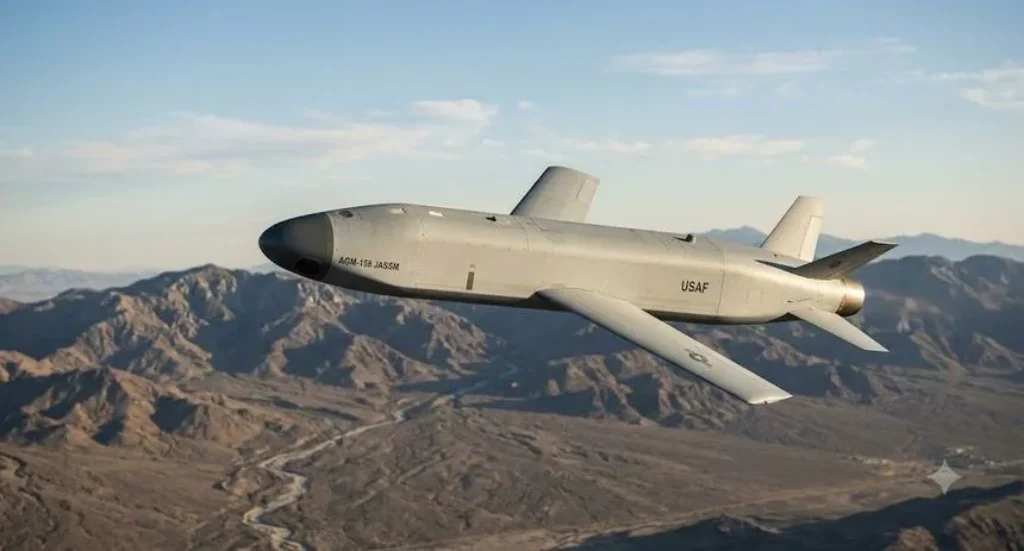
The main limitation of the original Banderol concept was never the missile itself.
It was the launch platform.
Orion drones are produced in relatively limited numbers and must simultaneously perform reconnaissance, surveillance, target acquisition, and strike missions.
Each aircraft can carry only a single missile.
A ground-based launcher removes that restriction.
Such a system allows operators to:
- Launch multiple missiles in rapid succession
- Reload and prepare additional salvos more quickly
- Eliminate dependence on available UAVs
- Deploy launchers close to the front line or at pre-prepared firing positions
In effect, this transforms the Banderol from an air-launched precision weapon into a fully fledged ground-launched tactical cruise missile.
What Is the Banderol Missile?
The S8000 Banderol first entered the public spotlight during 2025.
According to available information, it is a relatively compact cruise missile developed by the Russian company Kronshtadt.
Open-source estimates suggest the missile features:
- Range of up to 500 kilometers
- Speed of approximately 550–700 km/h
- Warhead weighing around 150 kilograms
- Combined inertial and satellite navigation
- A compact turbojet engine
Compared to larger cruise missiles such as the Kalibr, the Banderol is believed to be cheaper, lighter, and potentially easier to manufacture in large numbers.
Production Appears to Be Increasing
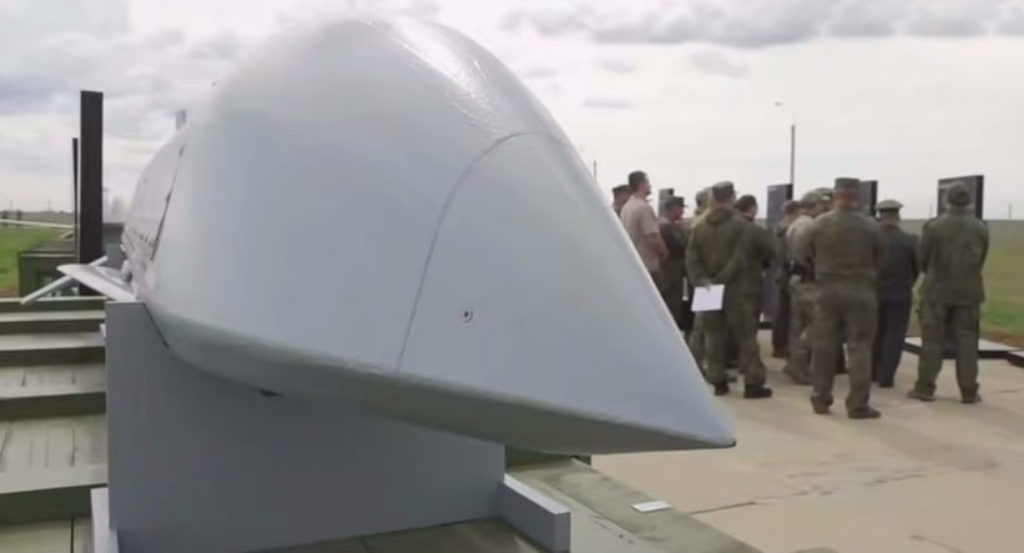
Reports also suggest that Russia has begun expanding production of the missile.
Representatives of Ukrainian military intelligence have previously stated that the Banderol has completed state acceptance trials and entered serial production.
At the same time, engineers reportedly continue refining individual components while production is already underway.
This reflects a broader trend in modern weapons development.
Instead of waiting years to perfect a design before mass production, manufacturers increasingly begin serial production early and introduce improvements through successive production batches.
What Could Change
If the reports about ground launchers are confirmed, Russia would gain a considerably more flexible strike capability.
The number of available launches would no longer depend solely on the availability of Orion drones.
Mobile launchers could also be dispersed more easily, rapidly relocated, and concealed more effectively from enemy reconnaissance.
Taken together, these factors could substantially increase both the frequency of missile launches and the scale of coordinated strike packages.
Conclusion
Russia has not officially confirmed that the S8000 Banderol is being launched from ground-based systems.
However, the combination of several indicators—including larger-than-expected missile salvos, previously revealed launcher designs, and assessments by Ukrainian defense analysts—makes that possibility increasingly plausible.
If these assessments prove accurate, the Banderol will evolve from a specialized air-launched missile into another element of Russia’s growing inventory of ground-launched precision strike weapons.
For Ukraine’s air defense network, that would mean preparing not only for missiles launched from aircraft and drones, but also for the emergence of an entirely new class of mobile cruise missile launchers.






