When the Most Powerful Tool Isn’t a Rifle
Modern armies rely on satellites, drones, thermal imaging, and advanced electronic intelligence. Yet even today, there are situations where no piece of technology can replace a skilled tracker capable of literally “reading the ground.” Combat tracking has survived the technological revolution because it fills a gap that sensors alone cannot always cover.
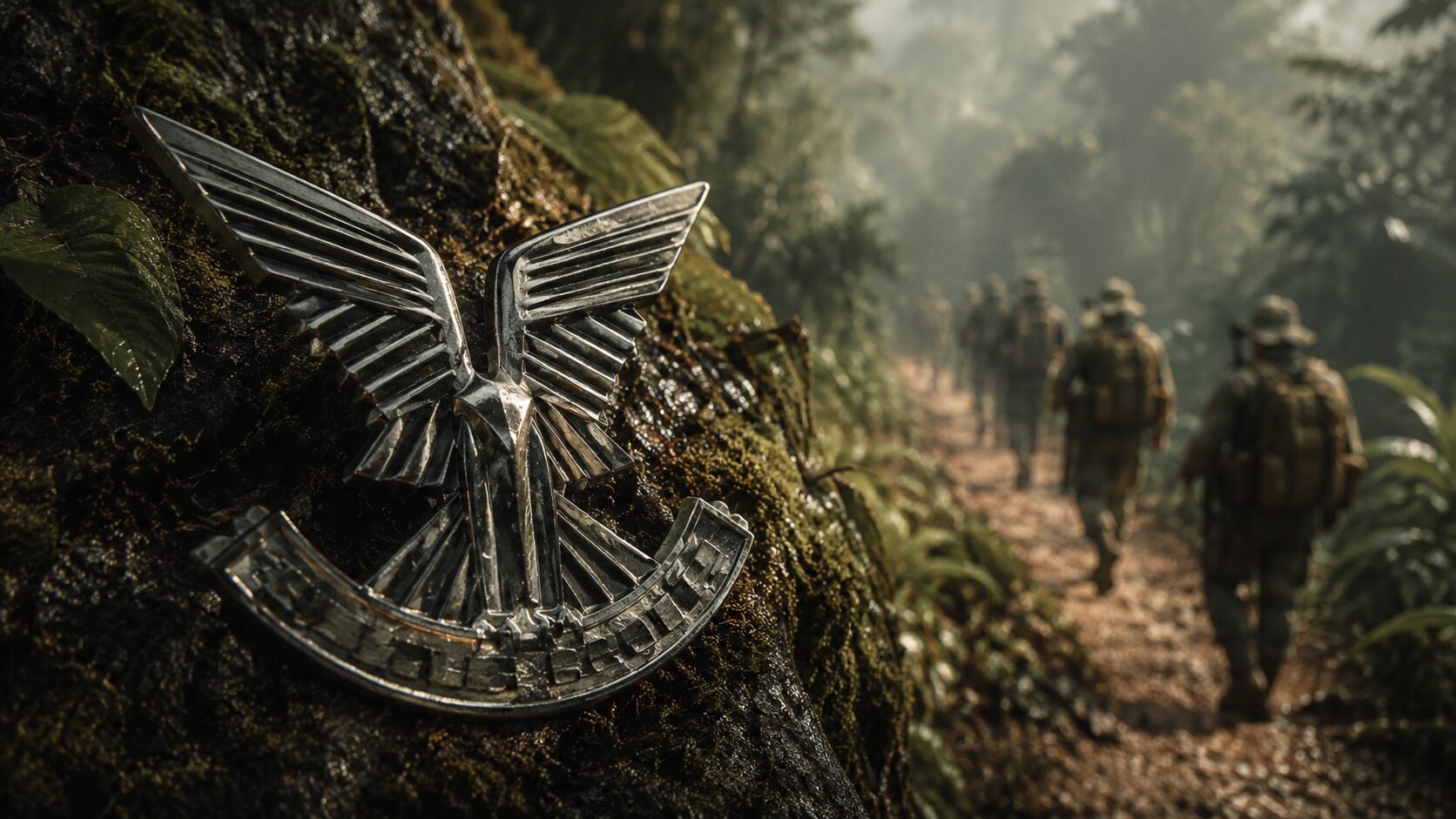
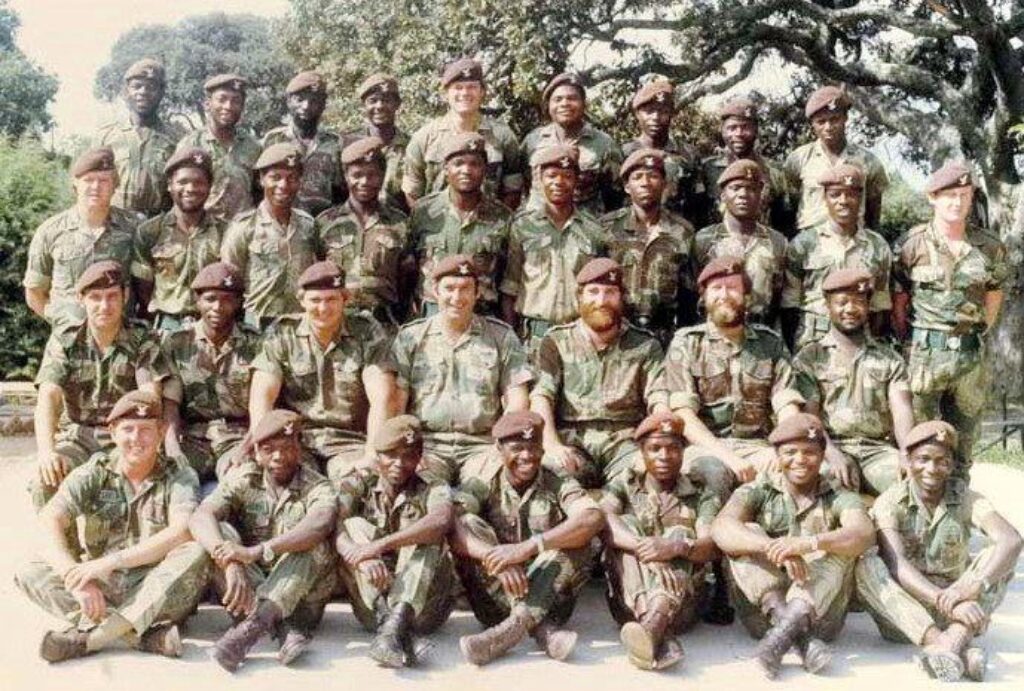
Few countries developed this skill as extensively as Rhodesia during the Bush War of the 1960s and 1970s. Facing highly mobile guerrilla forces that avoided conventional battles, Rhodesian security forces elevated tracking from a traditional bushcraft skill into a disciplined military science. Drawing on earlier British experience in Kenya and Malaya, they refined these methods for the harsh conditions of southern Africa.
Many of the principles developed during that conflict continue to influence modern counterinsurgency training.
Why Tracking Became a Force Multiplier
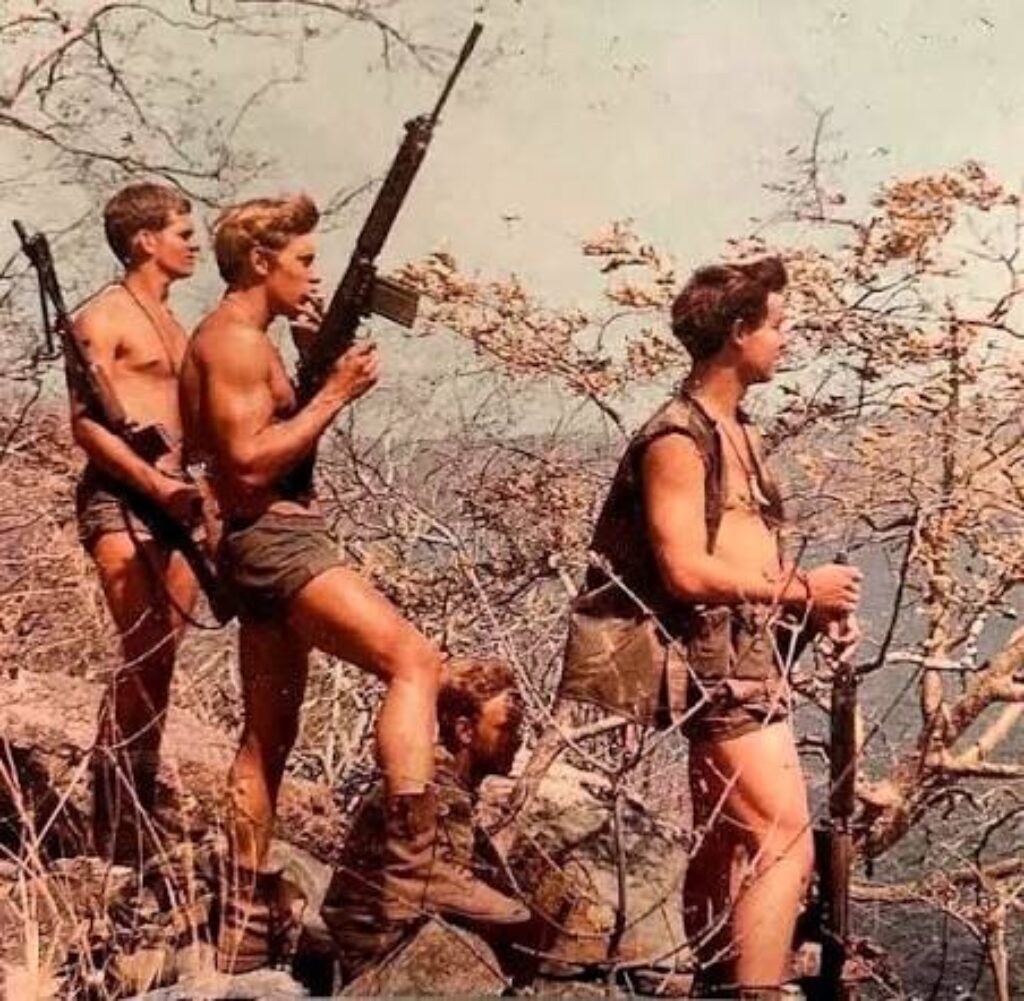
Guerrilla warfare rarely resembles a conventional battlefield.
Small insurgent units strike quickly and disappear into forests, mountains, or villages before security forces can organize an effective response. The greatest challenge is often not defeating the enemy—but finding them in the first place.
This is where combat trackers became indispensable.
Experienced Rhodesian trackers could determine a patrol’s direction, estimate its size, judge how long ago it had passed, and even assess the physical condition of its members simply by studying subtle changes in the terrain.
Mastering these skills required far more than familiarity with the local environment.
It demanded years of experience, exceptional observation, and an almost instinctive ability to recognize patterns invisible to most people.
Many instructors believed that while training could refine a tracker’s abilities, true tracking talent was something a person was largely born with.
A Tracker Never Works Alone
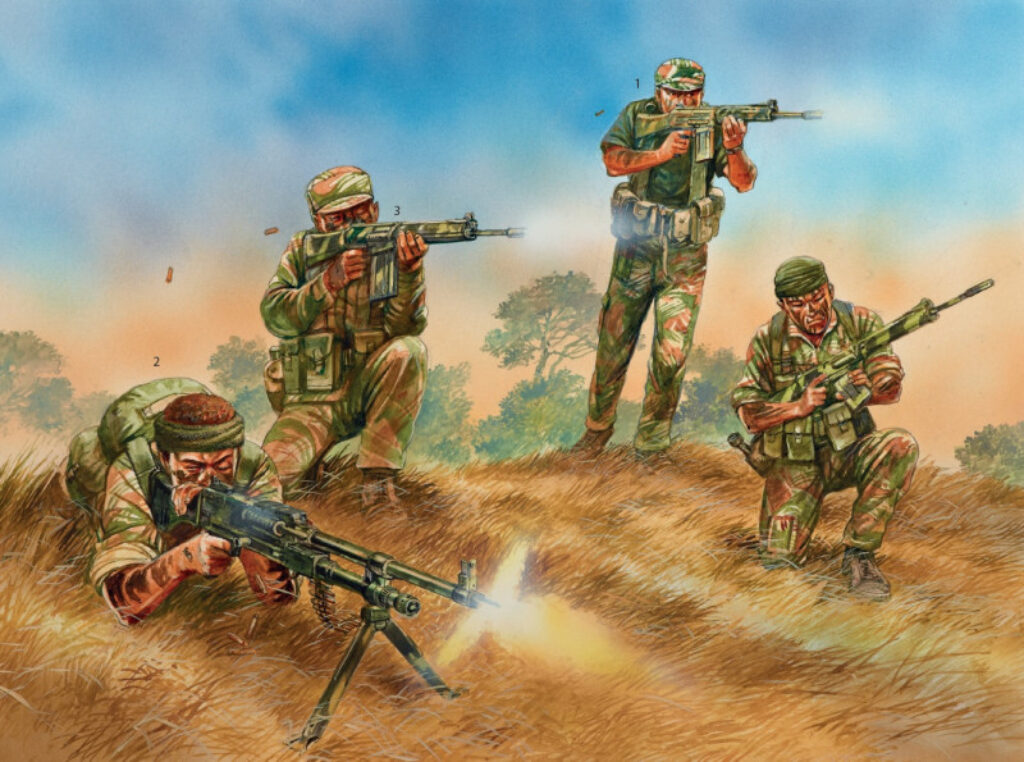
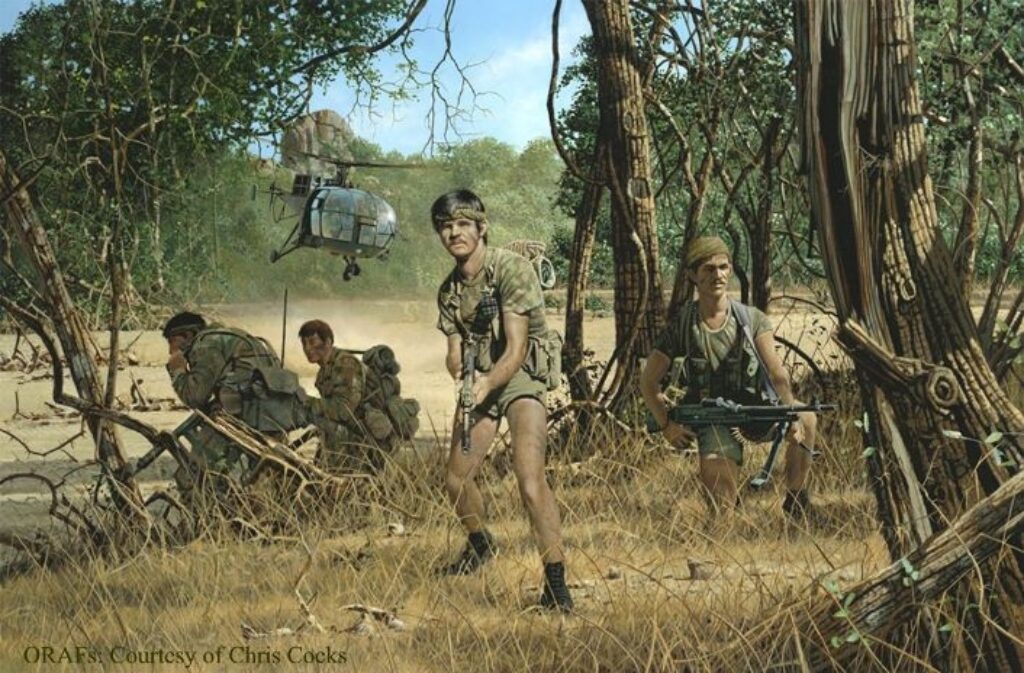
Despite their remarkable abilities, Rhodesian trackers almost never operated independently.
A standard tracking team consisted of several trackers accompanied by armed security personnel.
The reason was straightforward.
While following tracks, the lead tracker focused almost entirely on the ground beneath his feet. His attention to footprints, broken vegetation, and disturbed soil left little opportunity to scan for ambushes.
For that reason, an armed scout usually walked immediately behind the lead tracker, providing security and watching the surrounding terrain.
Additional trackers monitored the flanks, searching for signs that the fugitives had split up, altered direction, or attempted to conceal their trail.
This teamwork allowed the specialists to concentrate on tracking while remaining protected in hostile territory.
Learning to Read the Ground
Tracking involved far more than identifying footprints.
An experienced tracker examined countless subtle indicators left behind by human movement.
Flattened grass, snapped twigs, overturned leaves, broken spider webs, and mud carried from a stream onto a trail could all reveal valuable information.
Morning dew was another important clue.
If dew remained undisturbed on one section of grass but had been brushed away elsewhere, it often indicated recent movement.
Trackers also relied heavily on natural processes.
Freshly broken branches retain their green color, gradually turning brown as they dry. Rain or morning mist could reveal whether footprints had been made before or after changing weather conditions.
Even wildlife contributed information.
If human footprints were covered by the tracks of nocturnal animals, trackers knew the people had passed through at least the previous night.
Every Trail Tells a Story
Not all paths were equally useful.
Experienced trackers understood that the route chosen by a guerrilla group often revealed its intentions.
Ridgeline trails offered the fastest travel across long distances but left travelers exposed and were therefore used sparingly by insurgents.
Contour paths that followed hillsides provided greater concealment and became far more common.
Even more valuable were faint tracks descending into ravines, dense vegetation, or hidden valleys. These routes frequently led to temporary camps, supply caches, or safe areas.
For skilled trackers, understanding why an enemy selected a particular route was often just as important as following the footprints themselves.
How Guerrillas Tried to Hide Their Trail
Insurgents were well aware that security forces employed expert trackers.
As a result, they developed numerous methods to confuse pursuit.
One common technique involved walking backward in an attempt to create the illusion of movement in the opposite direction. Experienced trackers, however, could usually identify this deception by studying heel impressions, soil displacement, and stride length.
Another popular method was walking in single file, with each member placing his feet inside the footprints of the person ahead. This made a large group appear to consist of only one individual.
Streams, rocky terrain, and dense vegetation were also used whenever possible because they left fewer visible signs of passage.
Even crossings over established trails were carefully concealed using bent bamboo or specially prepared access routes.
The Hidden Language of the Bush
Guerrilla units often communicated through discreet field signs rather than written messages.
A bent stalk of bamboo, carefully arranged leaves, shallow holes in the ground, or a small mark cut into tree bark could all indicate direction, hidden supply caches, or temporary camps.
To an untrained observer, these marks appeared completely natural.
To experienced trackers, however, they formed an organized navigation system capable of revealing an entire support network.
For this reason, Rhodesian trackers paid as much attention to surrounding vegetation as they did to footprints.
Sometimes the smallest broken branch proved more valuable than the clearest boot print.
Finding Camps Designed to Remain Invisible
Locating guerrilla camps represented one of the most difficult tasks.
These bases were deliberately established in places unlikely to be discovered by chance.
Natural caves, spaces beneath massive tree roots, areas hidden behind waterfalls, dense vegetation, and even concealed compartments beneath village huts were all used as temporary shelters.
Every approach was carefully disguised, and every effort was made to erase signs of human activity.
As a result, finding such camps usually required days of patient tracking rather than a single fortunate discovery.
The Rhodesian Lesson
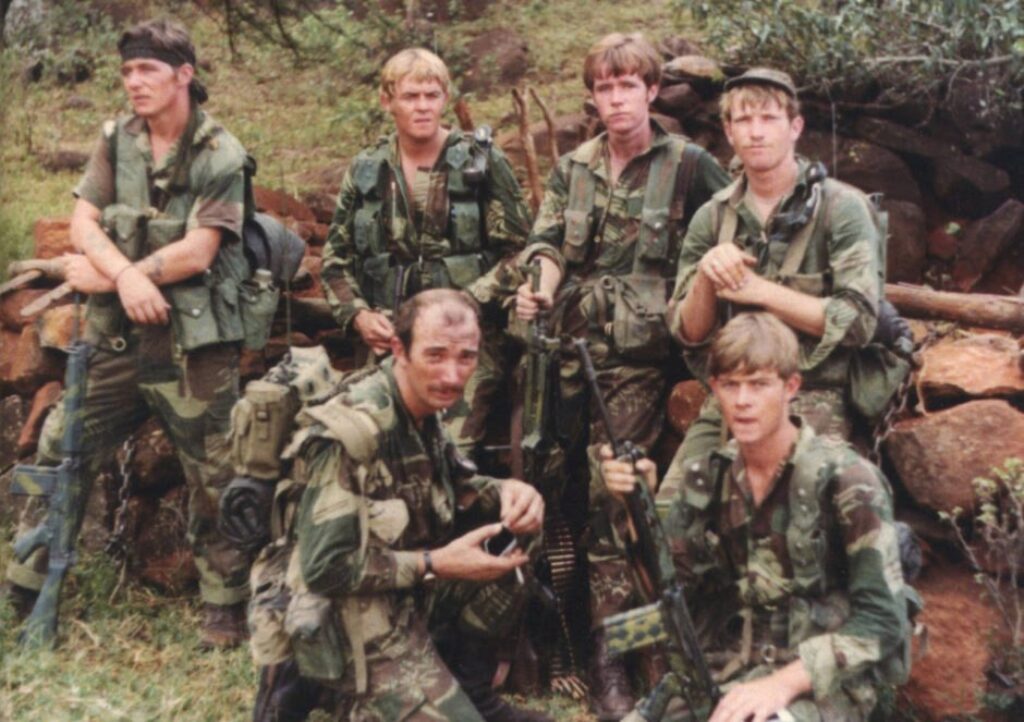
The Rhodesian experience demonstrated that even the most gifted tracker could not achieve maximum effectiveness without competent leadership.
A patrol commander did not need to possess the same extraordinary tracking abilities as his specialists, but he had to understand the principles behind their work, evaluate their observations, and make informed tactical decisions whenever opinions differed.
Mutual trust, professional respect, and constant field experience proved just as important as individual talent.
Ultimately, Rhodesia’s tracking doctrine showed that success in counterinsurgency warfare depends not only on superior weapons or technology but also on the ability to understand the terrain, anticipate the enemy’s movements, and transform small details into actionable intelligence.
More than half a century later, these principles remain relevant wherever soldiers are required to hunt an elusive opponent across difficult terrain.