For decades, assembling a jet engine has been regarded as one of the most demanding tasks in modern manufacturing. Thousands of precision components, microscopic tolerances, and countless hours of skilled manual labor have made aircraft engine production as much an art as an engineering discipline.
That era is beginning to change.
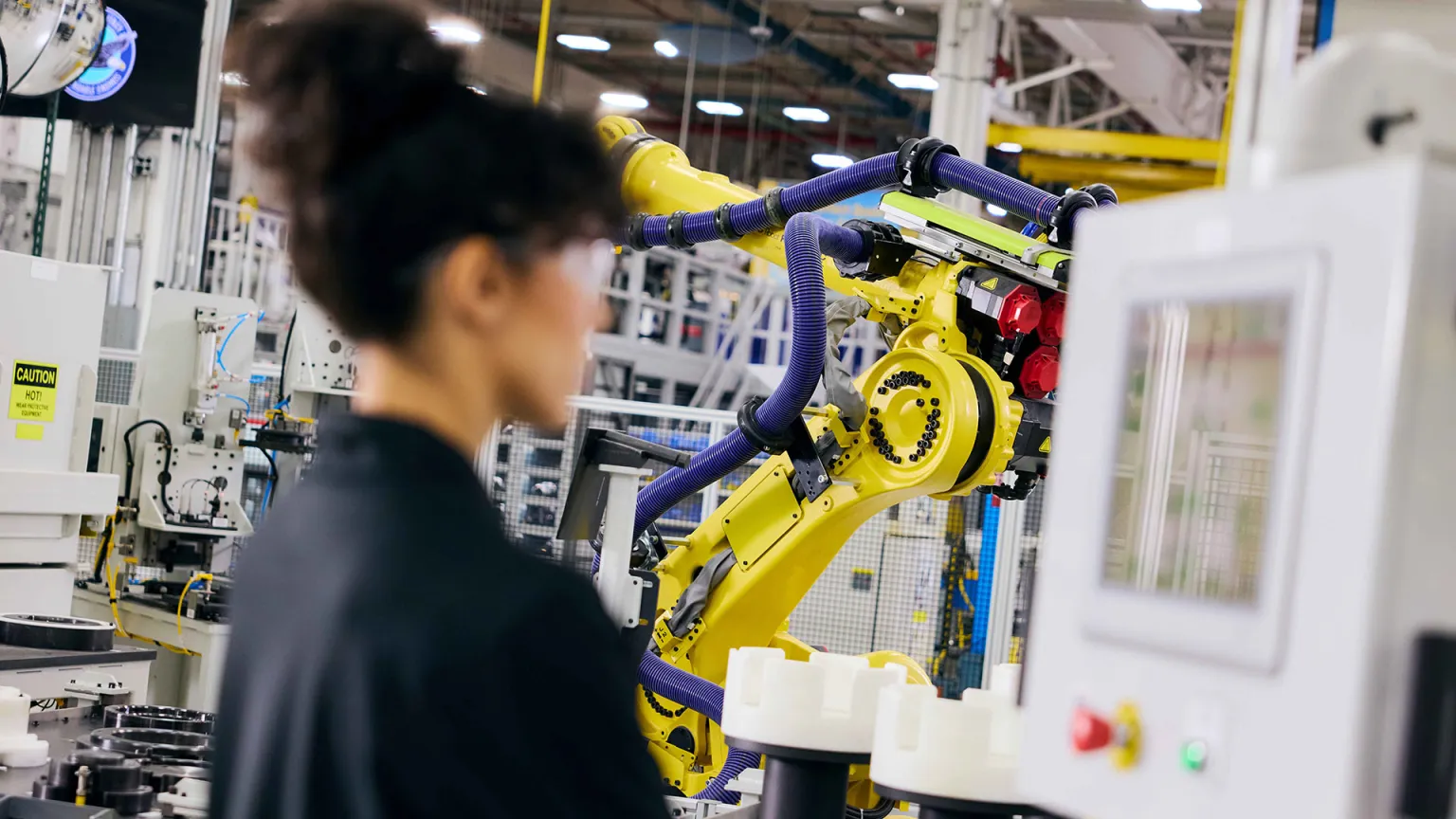
GE Aerospace has introduced BARB (Blade Assembly Robot), an advanced robotic system designed to automate one of the most complex stages of jet engine production—the installation of compressor blades. While the robot currently serves as an advanced manufacturing assistant rather than a fully autonomous production line, it offers a glimpse into what aircraft engine factories may look like over the next two decades.
Why Jet Engine Assembly Is So Challenging
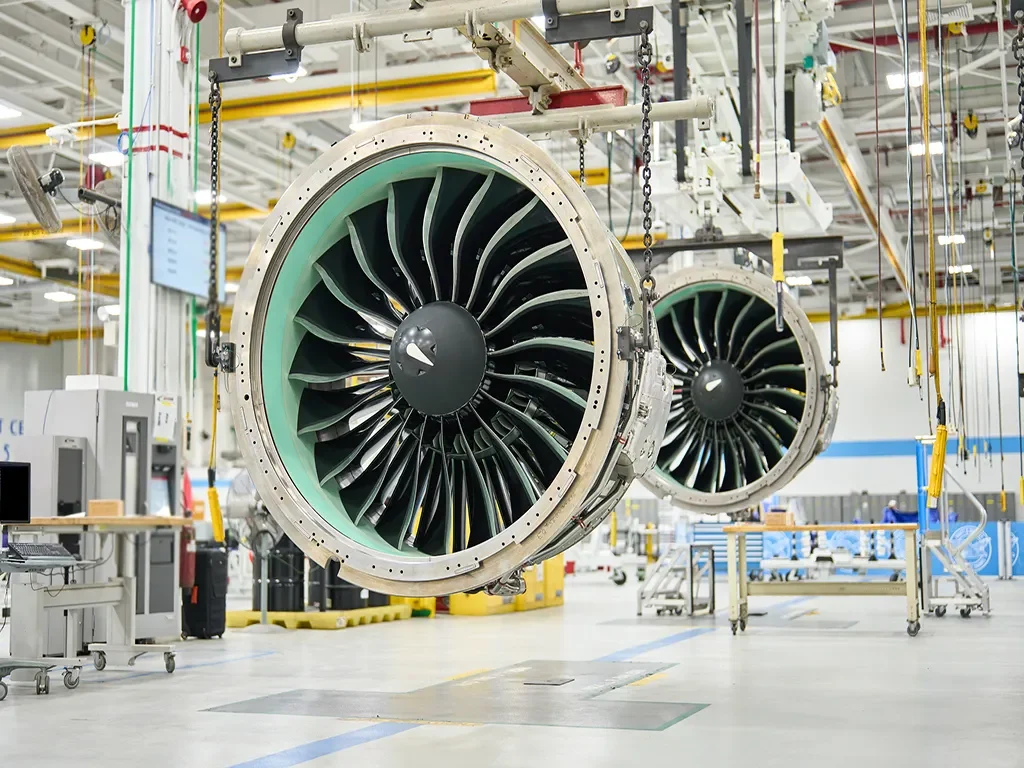
A modern turbofan engine contains tens of thousands of individual parts.
Among its most demanding components is the high-pressure compressor, where hundreds of titanium or nickel-alloy blades must be installed into rotating disks with extraordinary precision.
Every single blade has a designated position.
Even the slightest installation error can affect rotor balance, increase vibration levels, reduce efficiency, or shorten the engine’s service life.
For decades, this delicate process has relied almost entirely on highly trained technicians. Each blade is carefully inserted, checked, adjusted, and inspected to ensure that it meets strict engineering tolerances.
On today’s advanced engines, this translates into thousands of repetitive operations requiring exceptional accuracy.
What Exactly Is BARB?
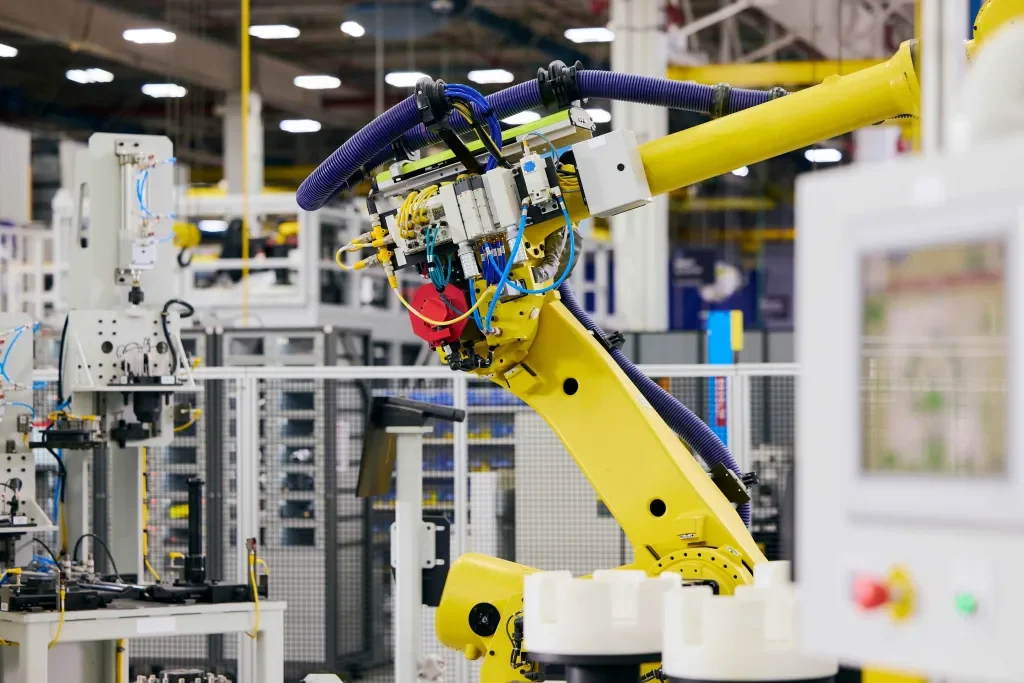
BARB stands for Blade Assembly Robot.
Rather than simply acting as an industrial robotic arm, it combines machine vision, force-sensitive sensors, precision motion control, and intelligent software into a highly specialized assembly platform.
Before installing a blade, BARB scans the compressor disk, verifies the geometry of both the disk slot and the blade itself, and determines the optimal insertion path.
Throughout the installation process, sensors continuously monitor insertion forces and alignment. If any parameter deviates from its programmed limits, the robot immediately compensates or alerts operators.
In many ways, BARB functions like a master technician who never becomes tired, distracted, or inconsistent.
Why the Aerospace Industry Needs Robots Like BARB
At first glance, automation may appear to be primarily about reducing labor costs.
In reality, the motivation is far more strategic.
Global demand for aircraft engines has risen sharply as commercial aviation continues to recover, airlines expand their fleets, and military modernization programs accelerate around the world.
At the same time, manufacturers face an increasing shortage of highly skilled aerospace technicians.
Training an experienced engine assembler takes years.
By automating repetitive precision tasks, manufacturers can reduce dependence on scarce labor while maintaining consistently high production quality.
Unlike human workers, robotic systems can also operate around the clock with identical precision from the first engine of the day to the last.
Humans Are Still Essential
Despite its impressive capabilities, BARB is not replacing aerospace engineers or assembly specialists.
The robot performs only one highly specialized portion of the manufacturing process.
Quality assurance, engineering inspections, system calibration, programming, maintenance, and final certification remain firmly in human hands.
Instead of eliminating jobs, robots like BARB are designed to remove repetitive, physically demanding, and extremely precise tasks, allowing engineers to focus on supervision, optimization, and problem-solving.
This collaborative approach has become the defining trend of modern aerospace manufacturing.
Preparing for the Next Generation of Engines
BARB arrives at an important moment for GE Aerospace.
The company is increasing production of advanced engines such as the GE9X while simultaneously developing future propulsion technologies through the CFM RISE program.
Each new generation of engines operates at higher temperatures, greater pressures, and faster rotational speeds than its predecessor.
As performance increases, manufacturing tolerances become even tighter.
Processes that once depended on the experience of skilled technicians increasingly require the repeatability and consistency that robotic systems can deliver.
BARB represents one of the first building blocks of a fully digital production environment, where every installed component is measured, verified, and permanently recorded in the engine’s digital manufacturing history.
Beyond Aviation
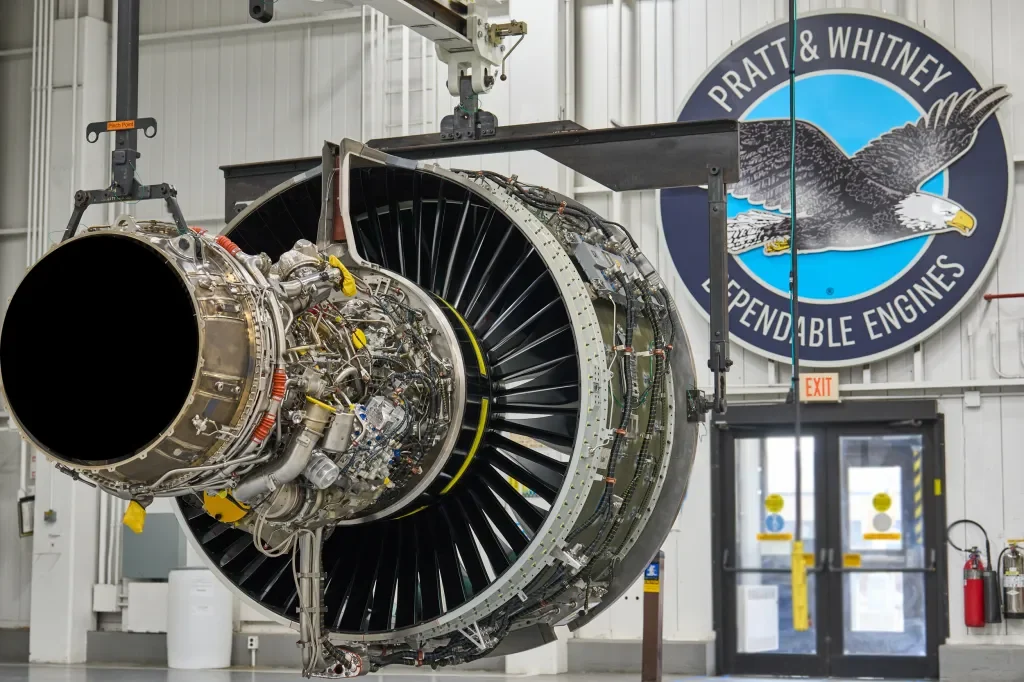
The technologies pioneered inside aircraft engine factories rarely stay there for long.
Precision robotic assembly systems like BARB could eventually be adapted for manufacturing industrial gas turbines, marine propulsion systems, spacecraft engines, and even equipment used in nuclear power generation.
Any industry requiring the installation of large numbers of high-precision components under extremely tight tolerances could benefit from similar automation.
That is why BARB represents more than an aerospace innovation—it may signal the future direction of advanced manufacturing as a whole.
Conclusion
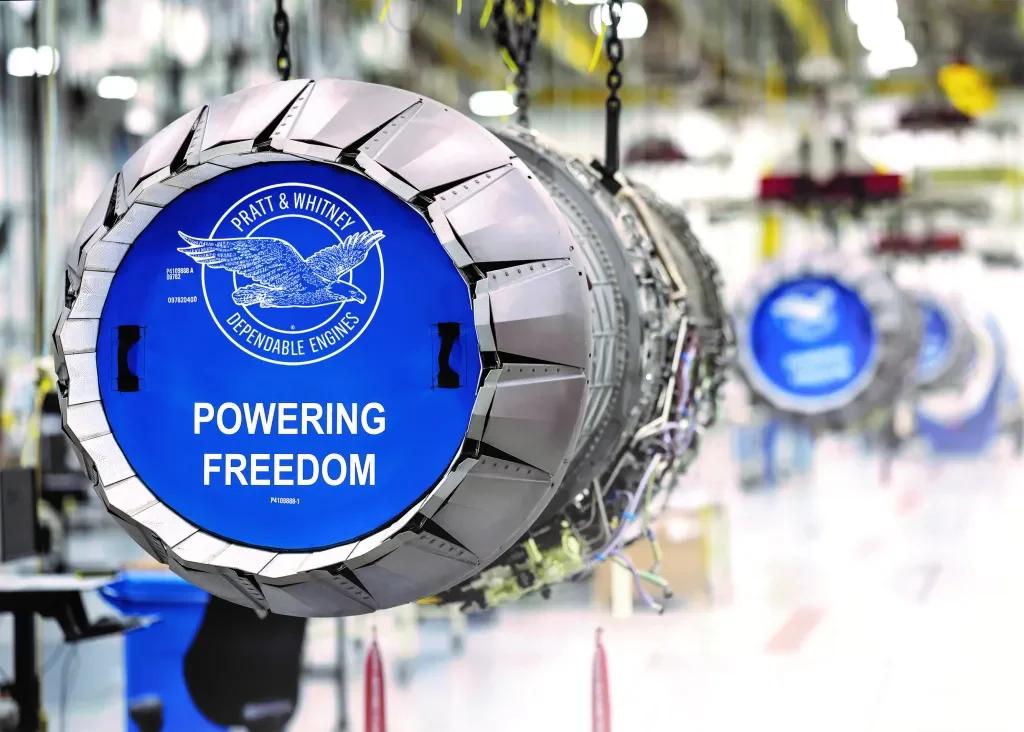
For generations, aircraft engines have remained one of the last strongholds of highly skilled manual assembly.
BARB demonstrates that even the most intricate manufacturing processes are gradually becoming part of the era of intelligent automation.
The robot is not replacing engineers—it is giving them a new level of precision, consistency, and productivity.
As aerospace manufacturers continue to push the limits of engine performance, robotic systems like BARB will likely become an integral part of future production lines, where humans oversee engineering decisions while machines perform repetitive precision work measured in microns.
The future of jet engine manufacturing is no longer just about designing better engines—it is also about building them smarter.
source https://www.twz.com/air/meet-barb-the-robot-thats-a-glimpse-future-jet-engine-assembly