What Could the U.S. Military Lose in a Conflict With Spain? The Bases Washington Cannot Easily Replace

The trade dispute between Washington and Madrid has unexpectedly moved far beyond economics. After President Donald Trump spoke about possibly cutting off trade with Spain amid disagreements inside NATO, analysts quickly turned to another question: how dependent is the U.S. military on Spanish infrastructure?
At first glance, Spain rarely sits at the center of global security debates. Yet two key American military facilities are located there, supporting U.S. operations across Europe, the Mediterranean, Africa, and the Middle East. Losing access to them would create a far more serious problem for the Pentagon than any trade restrictions.
Spain as a Strategic Bridge Between the Atlantic and the Mediterranean
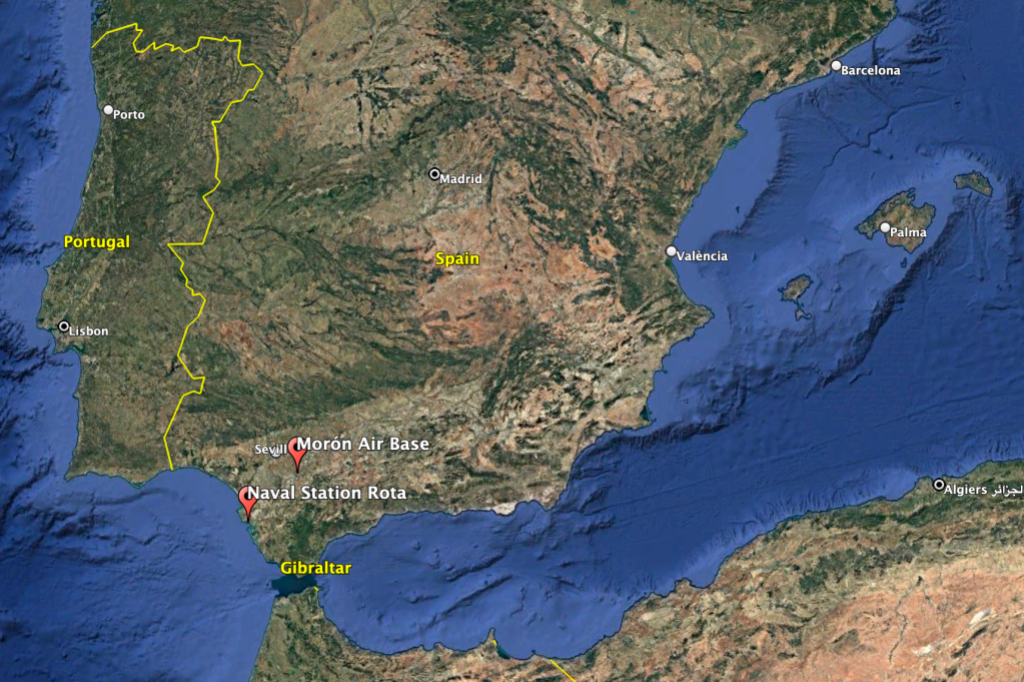
Geography remains one of the most important factors in military strategy.
Spain controls the western entrance to the Mediterranean through the Strait of Gibraltar and sits at a convenient distance from both North Africa and the Middle East.
That is why the United States began building up military infrastructure there during the Cold War.
Today, the two most important facilities are Naval Station Rota and Morón Air Base.
Both are used jointly by American and Spanish forces and rank among the most important U.S. logistics hubs outside American territory.
Rota: A Key U.S. Navy Hub in Europe
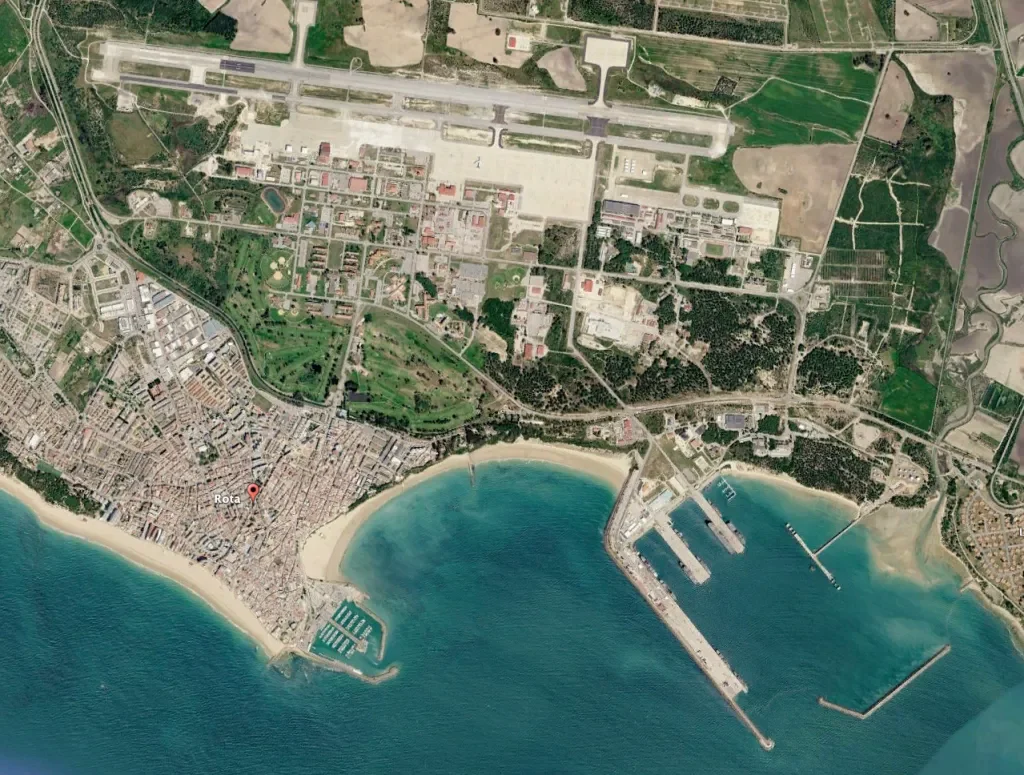
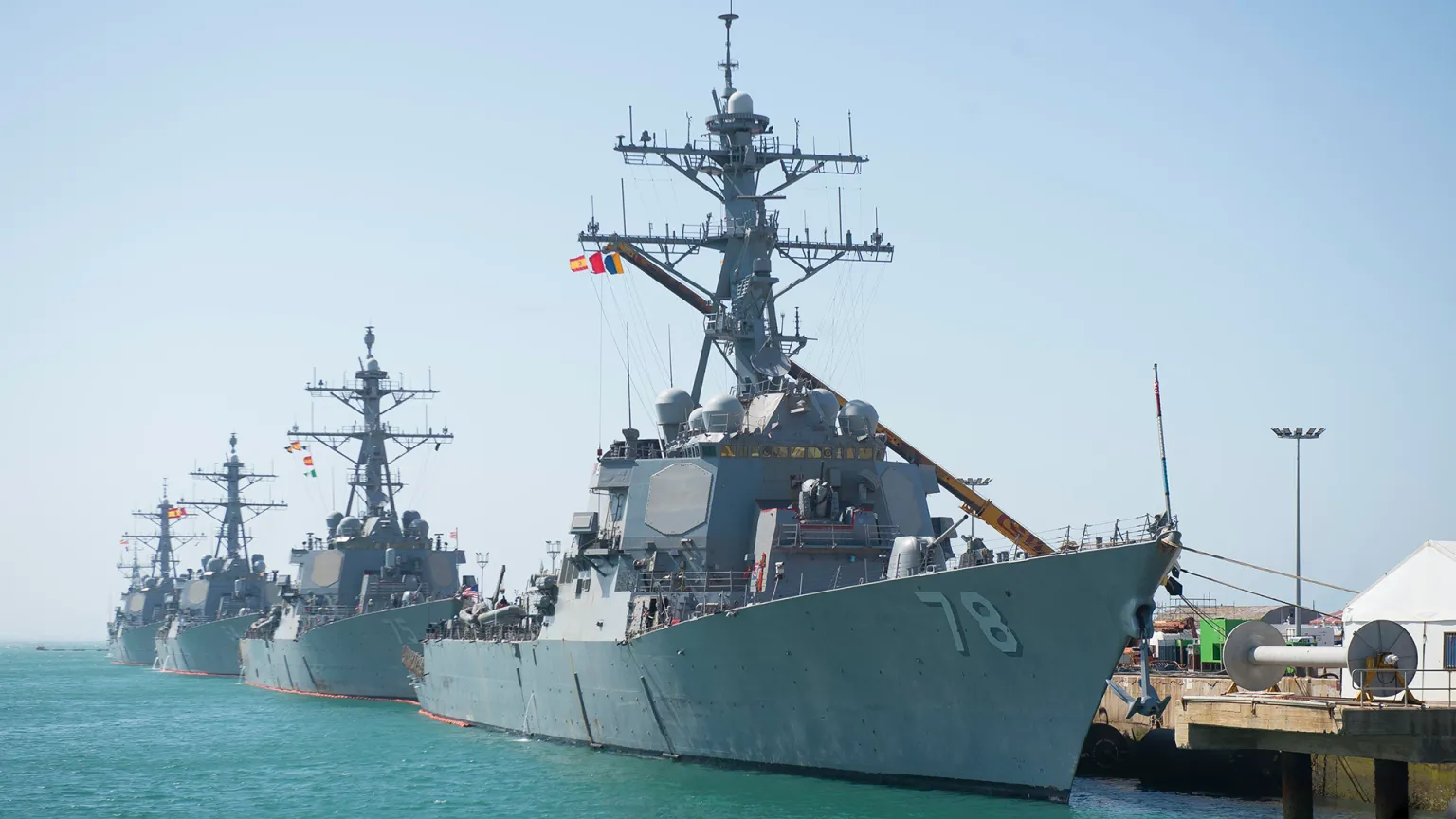
Naval Station Rota is located in southern Spain, close to the Strait of Gibraltar.
It is home to U.S. Navy destroyers equipped with the Aegis missile defense system, which form part of NATO’s European missile defense architecture.
The base also regularly supports:
- U.S. nuclear-powered submarines;
- Aircraft carrier strike groups;
- Amphibious ships;
- Replenishment vessels;
- Naval aviation aircraft.
Rota also serves as one of the U.S. Navy’s most important logistics and sustainment centers in Europe.
Without it, American warships would have to rely more heavily on ports in the United Kingdom, Italy, or Greece, increasing deployment times and complicating logistics.
Morón: America’s Air Gateway
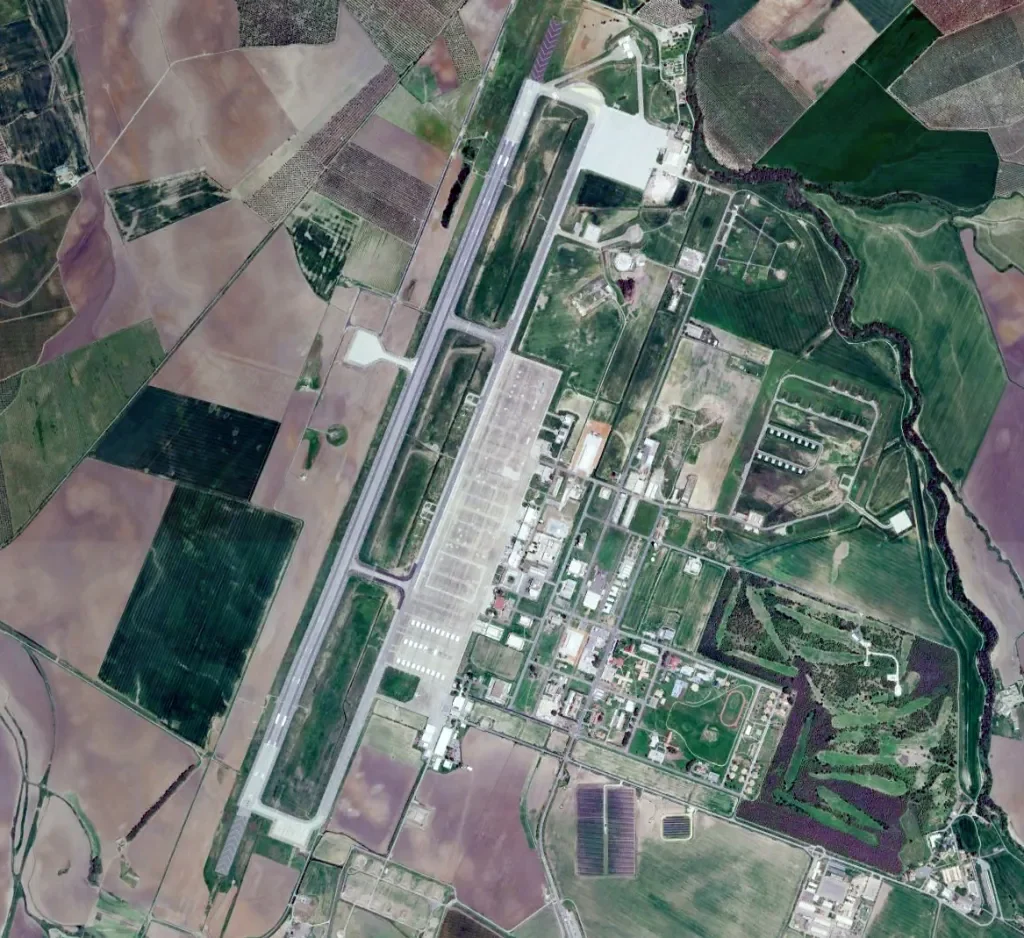
Morón Air Base is no less important.
From there, U.S. transport aircraft and aerial refueling tankers regularly fly missions toward Africa, the Middle East, and the eastern Mediterranean.
The base has long served as a major transit point for moving troops and equipment.
It also hosts U.S. Marine Corps crisis-response forces intended for rapid deployment to North Africa and areas under U.S. Africa Command.
During numerous evacuation and contingency operations, Morón has served as one of the main launch points for American rapid-reaction forces.
Why Replacing Spanish Bases Would Be Difficult
In theory, alternatives exist.
U.S. forces could rely more heavily on bases in Italy, the United Kingdom, Germany, or Greece.
But each option has limitations.
Some are significantly farther from likely areas of operation.
Others already operate close to the limits of their infrastructure.
Most importantly, none combines such a favorable position between the Atlantic Ocean, the Mediterranean Sea, and North Africa.
That is why many military analysts view Rota and Morón as unique elements of America’s global logistics network.
Spain Matters More Than It Seems
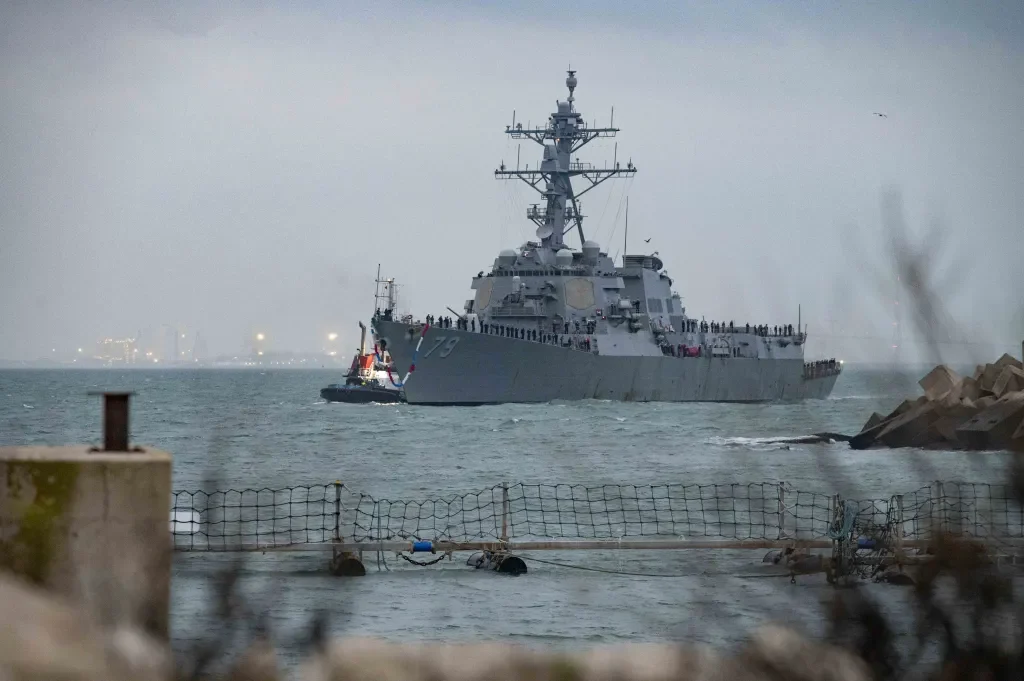
Outside military circles, Spain is not always seen as a central pillar of U.S. strategy.
But equipment, fuel, ammunition, and personnel regularly move through Spanish territory.
Transport aircraft stop there, warships are serviced there, and rapid-response forces deploy from there.
In practice, Spain functions as one of the key American logistics hubs linking Europe, Africa, and the Middle East.
That is why any political friction between Washington and Madrid immediately becomes not only a diplomatic issue but also a military one.
What Could Change
For now, the dispute remains at the level of political statements and possible economic measures.
No official decision has been made to revise the status of U.S. military facilities in Spain.
Still, the debate has revealed how tightly economics, diplomacy, and military infrastructure are connected.
Even a trade dispute can raise questions about the future of facilities that have underpinned U.S. strategy in Europe for decades.
A Long History of Cooperation
The U.S. military presence in Spain dates back more than seventy years.
During that time, Rota and Morón have supported operations through the end of the Cold War, the Balkan wars, campaigns in Afghanistan and Iraq, counterterrorism missions, and numerous humanitarian operations.
That is why most experts believe Washington and Madrid will try to preserve security cooperation even during serious political disagreements.
Too much of NATO’s current architecture depends on these facilities.