CFL-120 Karpat: Czech, Turkish, and Italian Companies Unveil a New Generation of Medium Tank

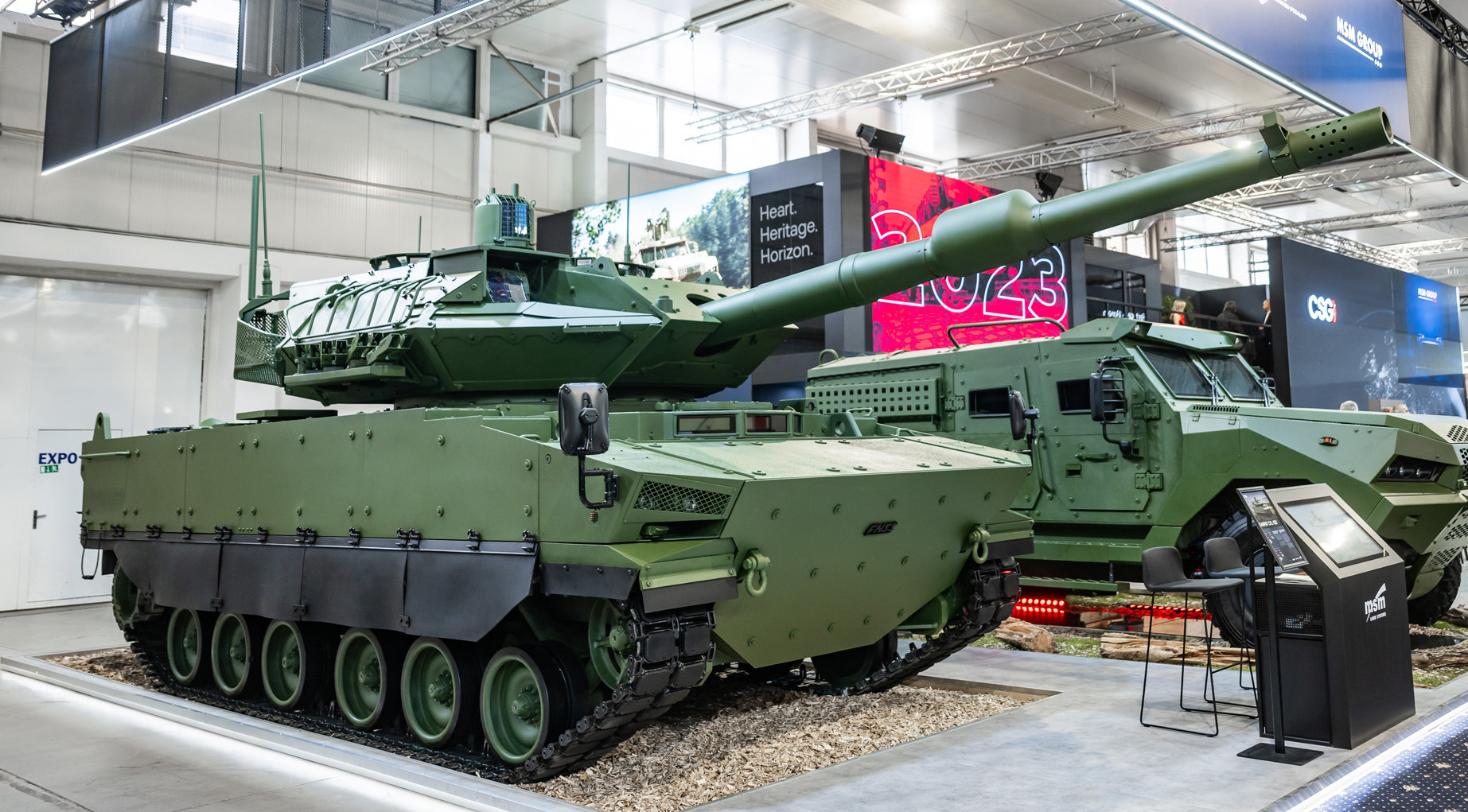
At the IDEB 2026 defense exhibition in Bratislava, Czech defense group CSG and Turkish armored vehicle manufacturer FNSS introduced the CFL-120 Karpat, a new medium tank designed to deliver main battle tank firepower while weighing nearly half as much as today’s heavyweight armored vehicles.
Built on the combat-proven Kaplan MT tracked platform already in service with the Indonesian Army, the Karpat reflects a growing trend toward lighter, more deployable armored vehicles capable of operating in environments where conventional main battle tanks face serious mobility limitations.
Technical Specifications
Armament
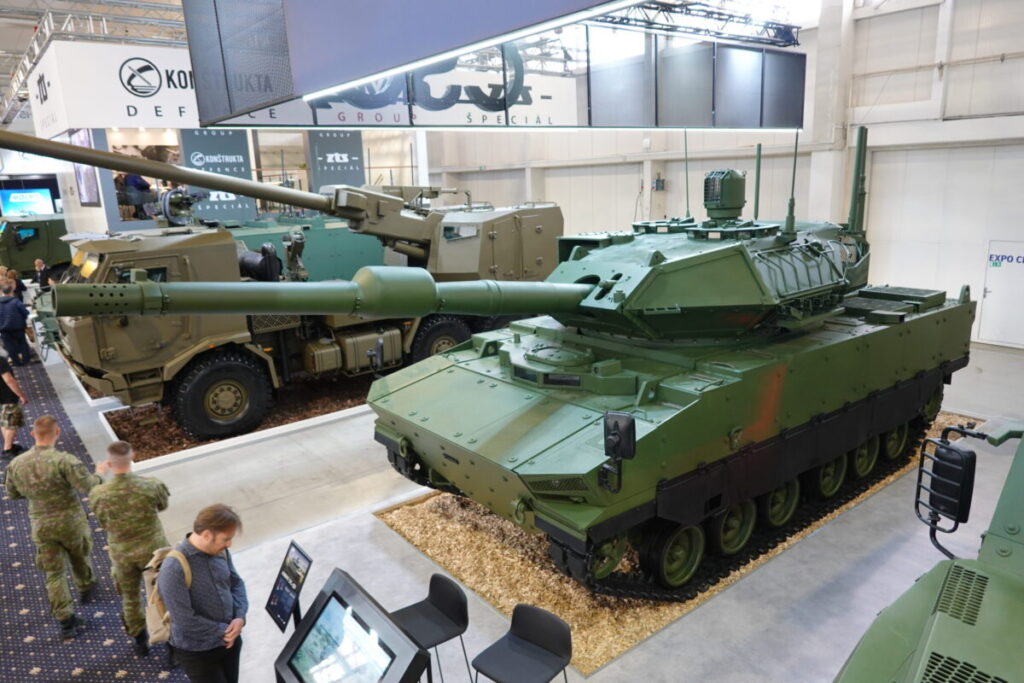
The CFL-120 Karpat is equipped with the Leonardo HITFACT® MkII turret armed with a 120 mm NATO-standard smoothbore gun, fully compatible with existing NATO ammunition.
Secondary armament includes:
- 7.62 mm coaxial machine gun
- Optional remotely operated weapon station carrying either a 7.62 mm or 12.7 mm machine gun or a 40 mm automatic grenade launcher
- Optional version equipped with a 105 mm main gun
The vehicle is available with either manual loading or an optional autoloader, while ammunition is stored outside the crew compartment to improve battlefield survivability.
Mobility
One of the tank’s greatest advantages is its relatively low combat weight.
Combat weight: up to 34 tons
Maximum speed: 70 km/h
Operational range: approximately 450 km
Powered by a rear-mounted diesel engine coupled to a fully automatic transmission, the Karpat has been designed for rapid deployment and high operational mobility.
Unlike 60–70-ton main battle tanks, it can cross lighter bridges, travel on roads with weight restrictions, and be transported more easily by rail, heavy trucks, or tactical transport aircraft.
Protection and Battlefield Systems
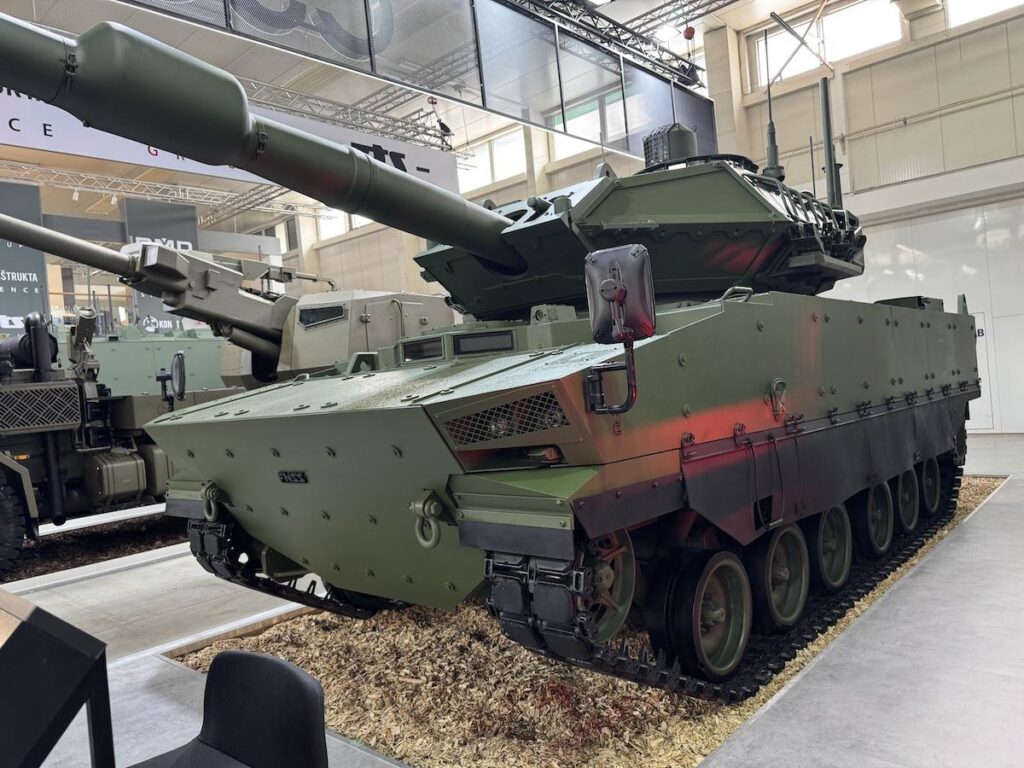
The Karpat incorporates numerous modern survivability features.
Its modular armor package complies with STANAG 4569 protection standards and can be upgraded depending on mission requirements.
The platform is prepared for the installation of Active Protection Systems (APS) capable of intercepting anti-tank guided missiles, RPGs, and loitering munitions.
Additional systems include:
- Nuclear, Biological and Chemical (NBC) protection
- Automatic fire suppression system
- Integrated heating and air conditioning
- Fully digital battlefield management architecture
The vehicle also features advanced thermal imaging sights, laser rangefinders, and both Hunter-Killer and Killer-Killer target engagement modes, allowing rapid detection and engagement of multiple threats.
Design Philosophy
The CFL-120 Karpat is not intended to replace heavy main battle tanks in direct armored engagements.
Instead, it has been designed for expeditionary operations, rapid reaction forces, peace support missions, and reinforcing NATO’s eastern flank, where strategic mobility is often just as important as armor protection.
Its design philosophy combines MBT-level firepower with significantly lower weight, reduced operating costs, and far greater operational flexibility.
Advantages Over Heavy Main Battle Tanks
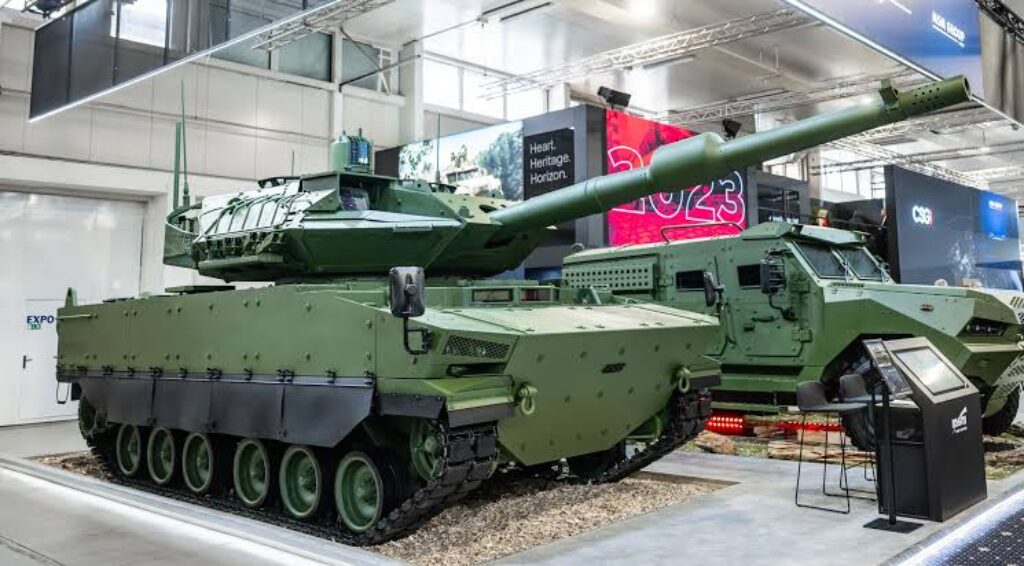
Compared with platforms such as the Leopard 2 and M1A2 Abrams, the Karpat offers several important advantages:
- Greater strategic mobility
- Lower transportation requirements
- Ability to operate on lighter bridges and roads
- Reduced fuel consumption
- Lower maintenance costs
- Significantly lower acquisition price
- Easier deployment by rail and military transport aircraft
According to FNSS CEO Selim Baybaş, the vehicle responds directly to the changing realities of modern warfare by combining mobility, survivability, firepower, and operational adaptability in a single platform.
International Cooperation
The CFL-120 Karpat represents a rare example of multinational European defense cooperation.
The project combines expertise from three countries:
- Turkey (FNSS): tracked chassis and vehicle platform
- Italy (Leonardo): HITFACT MkII turret and weapon system
- Czech Republic (CSG): systems integration and production
Manufacturing of the vehicle will be carried out in the Czech Republic.
Market Position
Rather than competing directly with the world’s heaviest main battle tanks, the CFL-120 Karpat is positioned as a more affordable, highly mobile alternative for NATO members and export customers seeking a balance between firepower, mobility, and lifecycle cost.
As military planners increasingly recognize the logistical challenges posed by 60–70-ton armored vehicles, medium tanks like the Karpat may become an increasingly attractive option for armies that require rapid deployment without sacrificing battlefield effectiveness.