

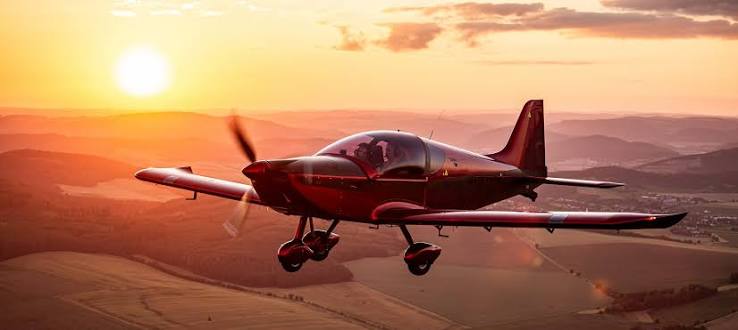
When people think about military pilot training, they usually picture advanced jet trainers such as the Yak-130, M-346 Master, or T-7A Red Hawk. In reality, however, the journey to the cockpit of a modern fighter begins much earlier—and on a far simpler aircraft.
That is precisely where the Czech-built ALTO NG comes in. The aircraft recently attracted international attention after a batch was delivered to Ukraine. At first glance, it is a compact two-seat airplane with a maximum takeoff weight of just 600 kilograms. Yet aircraft like the ALTO NG form the foundation of military flight training, allowing future pilots to master the fundamentals of aviation long before they transition to turboprop and jet-powered trainers.
A Simple Aircraft with a Complex Mission
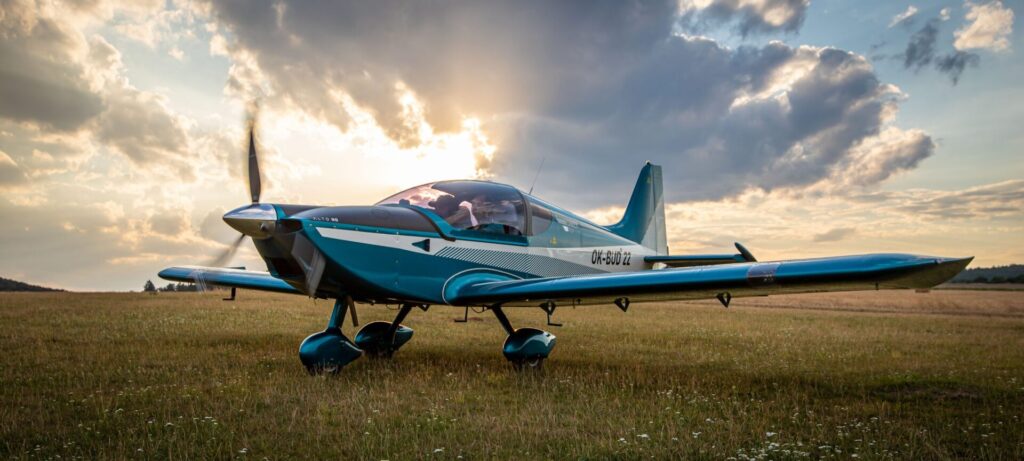
The ALTO NG was developed by the Czech company Direct Fly as a next-generation primary trainer. Serial production of the upgraded version began in 2022, replacing the earlier ALTO 912 TG. Engineers redesigned the aircraft’s structural frame, strengthened the flight control system, and improved overall rigidity while maintaining ease of operation and low operating costs.
The aircraft belongs to the ultralight category.
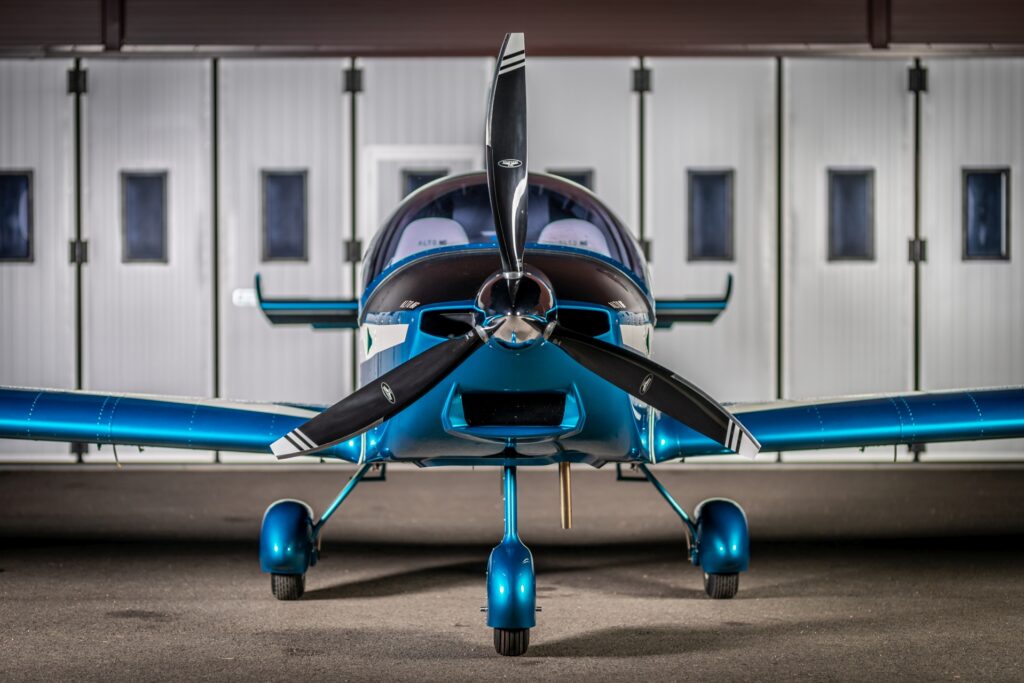
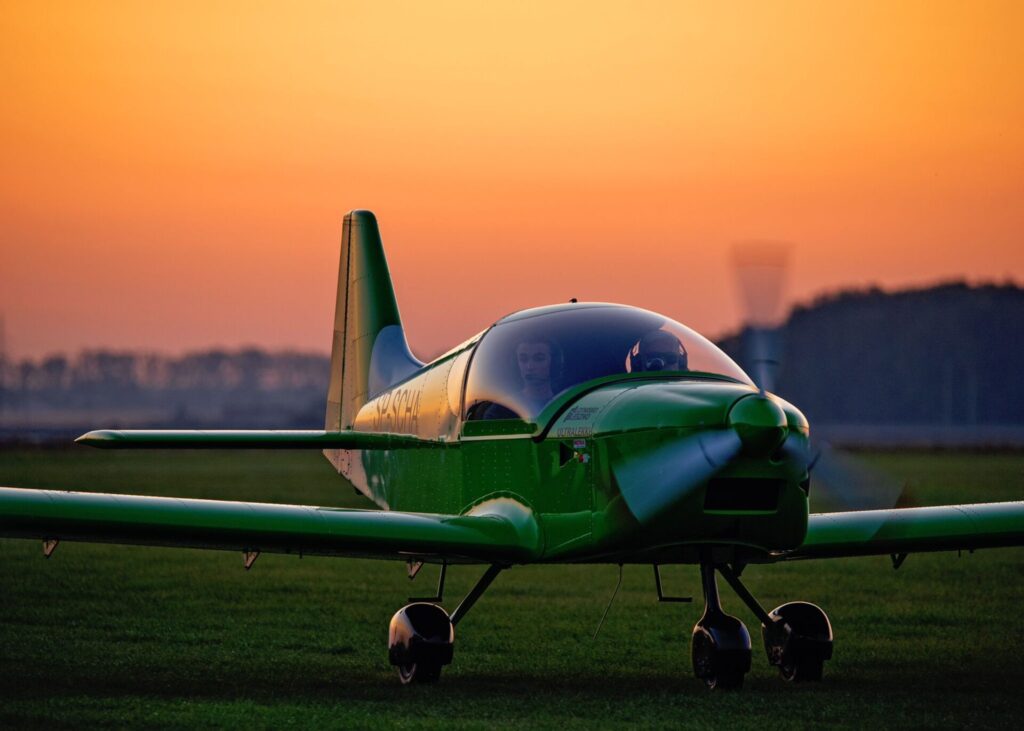
It has a maximum takeoff weight of 600 kilograms, measures 6.3 meters in length, and has a wingspan of 8.2 meters. Despite its compact dimensions, the cockpit is approximately 1.1 meters wide, providing sufficient space for both instructor and student. The large canopy offers excellent all-around visibility—an important advantage during the earliest stages of flight training.
Why the Rotax Engine?
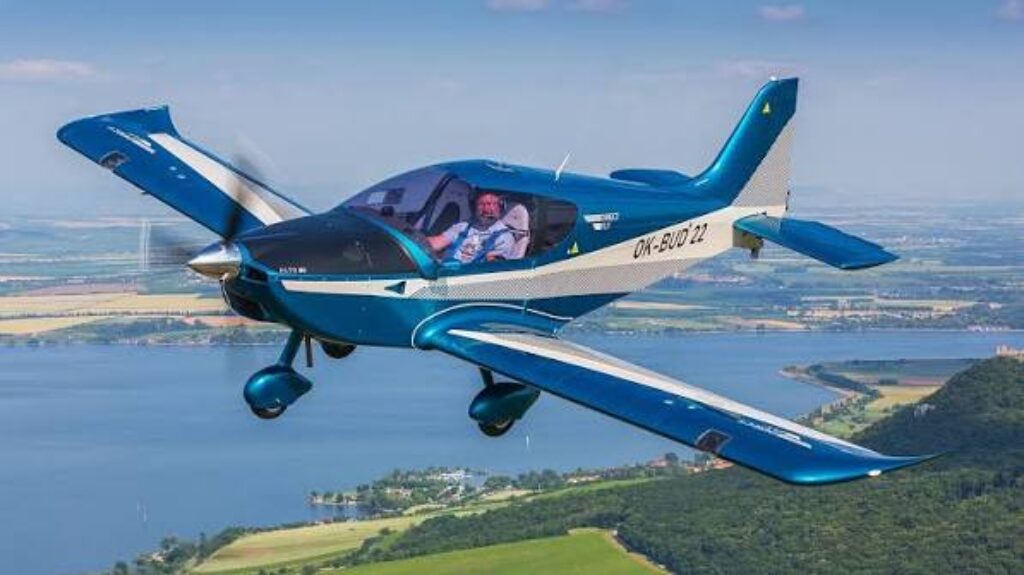
Powering the ALTO NG is the well-known Rotax 912 ULS four-cylinder engine.
The Austrian company Rotax has long been recognized as one of the world’s leading manufacturers of engines for light aircraft. Its engines are known for low fuel consumption, high reliability, and relatively inexpensive maintenance.
Those qualities are particularly important for a training aircraft.
Every additional flight hour costs significantly less than it would on a turboprop or jet trainer. That economic advantage explains why Rotax engines have become standard equipment in flight schools around the world.
A True Flying Classroom
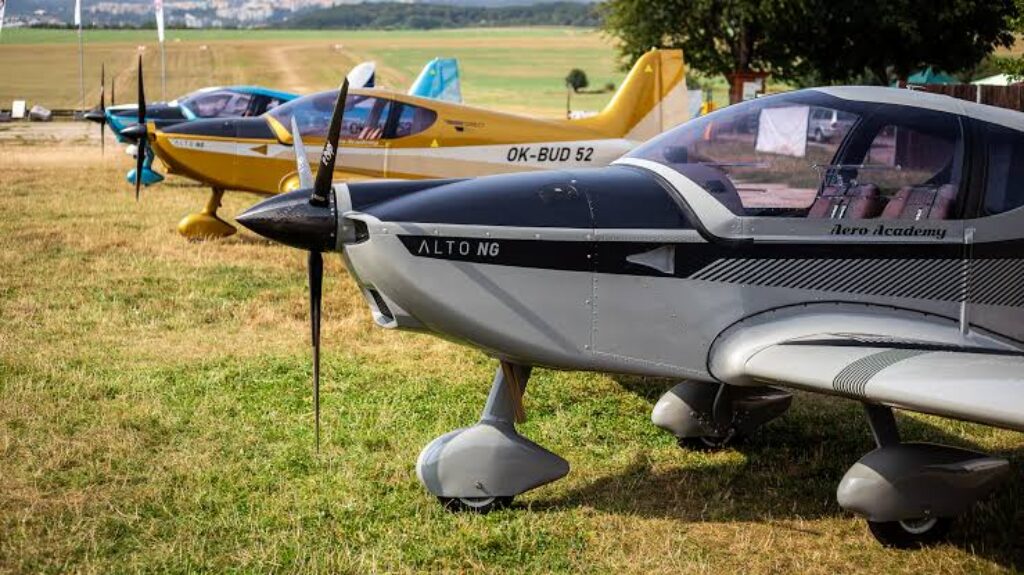
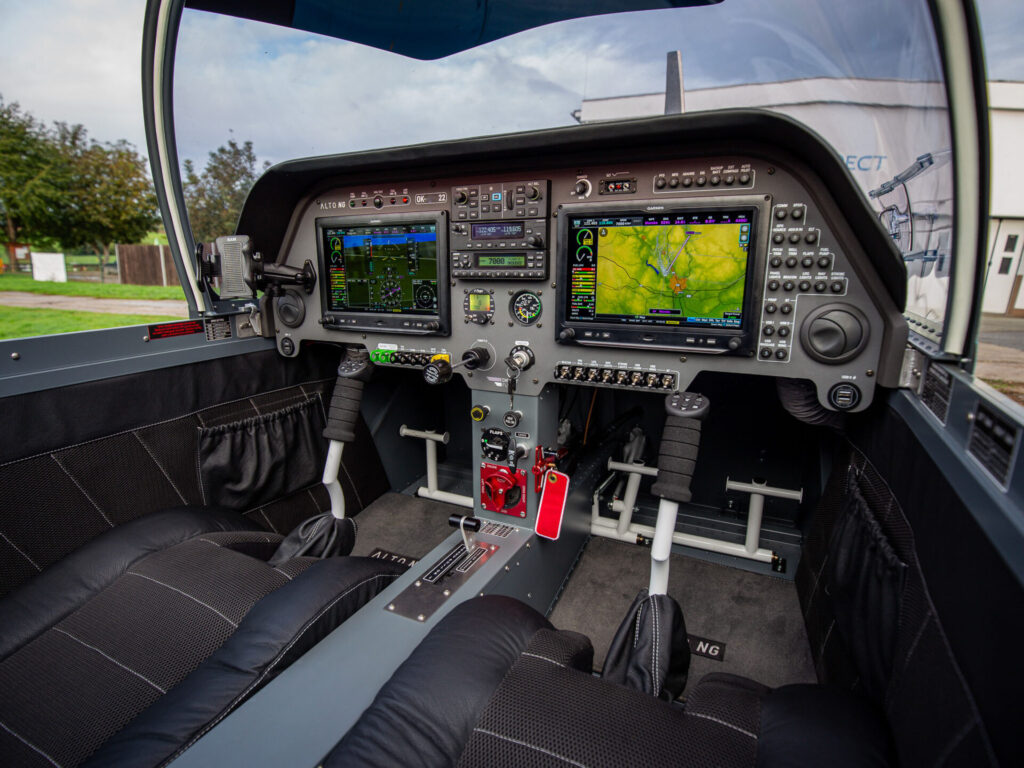
Despite its modest appearance, the ALTO NG is equipped with modern avionics.
The aircraft features a digital glass cockpit, introducing student pilots to the same operational concepts found in today’s military aircraft. From their very first flights, trainees become familiar not only with traditional analog instruments but also with digital displays, satellite navigation systems, and modern flight management technologies.
The aircraft can also be equipped with the Galaxy GRS ballistic recovery system, a whole-aircraft parachute capable of lowering both aircraft and crew safely to the ground during certain emergency situations.
Such systems are becoming increasingly common in modern training aviation and significantly enhance flight safety.
Why a Light Aircraft Is More Important Than a Jet
It may seem surprising, but fighter pilot training does not begin with sophisticated combat aircraft.
The first objective is much more fundamental: learning to truly understand how an airplane flies.
Takeoffs.
Landings.
Maintaining heading.
Aircraft control.
Navigation.
Radio communication.
Emergency procedures.
All of these essential skills can be learned far more safely—and at a fraction of the cost—on a light piston-powered aircraft.
Only after accumulating hundreds of hours of experience at this level do pilots advance to more powerful turboprop trainers, followed by jet trainers, before eventually qualifying to fly frontline combat aircraft.
This progression explains why the cost per flight hour is one of the most important factors in military flight training. Operating a light trainer costs only a small fraction of what is required for a turboprop aircraft, let alone a modern fighter jet.
Not a Combat Aircraft—But a Vital Military Asset
Following the delivery of ten ALTO NG aircraft to Ukraine, some observers questioned whether they could be adapted for counter-drone missions.
In theory, the aircraft’s maximum speed of approximately 260 km/h would allow it to intercept some slower propeller-driven drones.
In practice, however, that is not its purpose.
The ALTO NG lacks target detection systems, fire-control equipment, weapon stations, and weapons integration. It was designed exclusively as a training aircraft, and it performs that mission exceptionally well.
A Small Airplane That Builds Future Air Forces
The story of the ALTO NG demonstrates that modern military aviation does not begin with expensive fifth-generation fighters.
It begins with a modest two-seat aircraft that teaches future pilots the most important lessons of all: how to understand an airplane, how to fly confidently, and how to make sound decisions in the air.
That is why aircraft like the ALTO NG rarely dominate newspaper headlines. They carry no missiles, set no speed records, and never engage in aerial combat.
Yet without these flying classrooms, no air force could train the next generation of military pilots.
In many ways, they represent the first—and perhaps the most important—link in the long chain that ultimately leads a young cadet into the cockpit of a modern combat aircraft.






