
Underwater War Begins: Why Poland Is Testing the “Piranha” Drone in the Baltic Sea

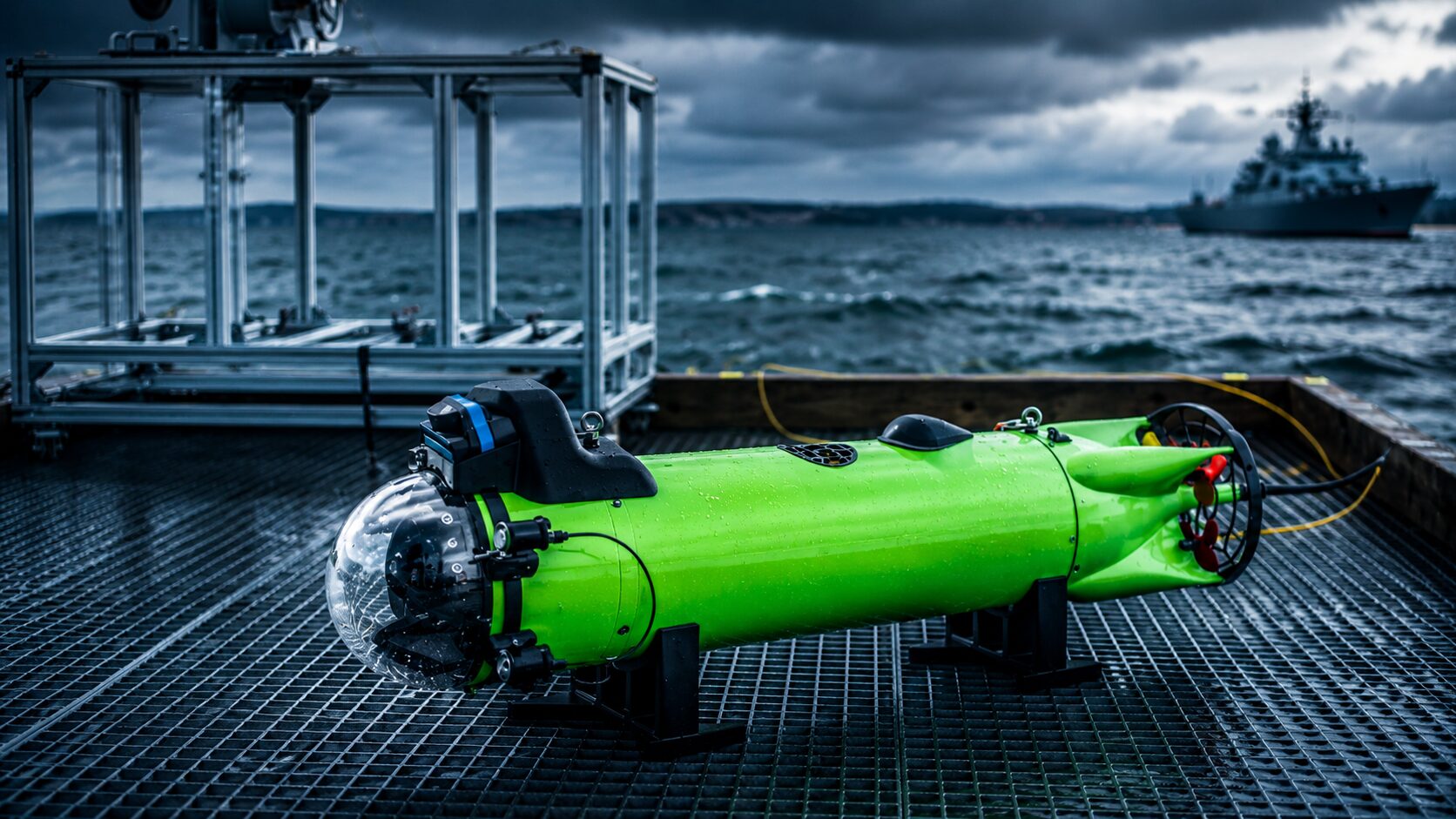
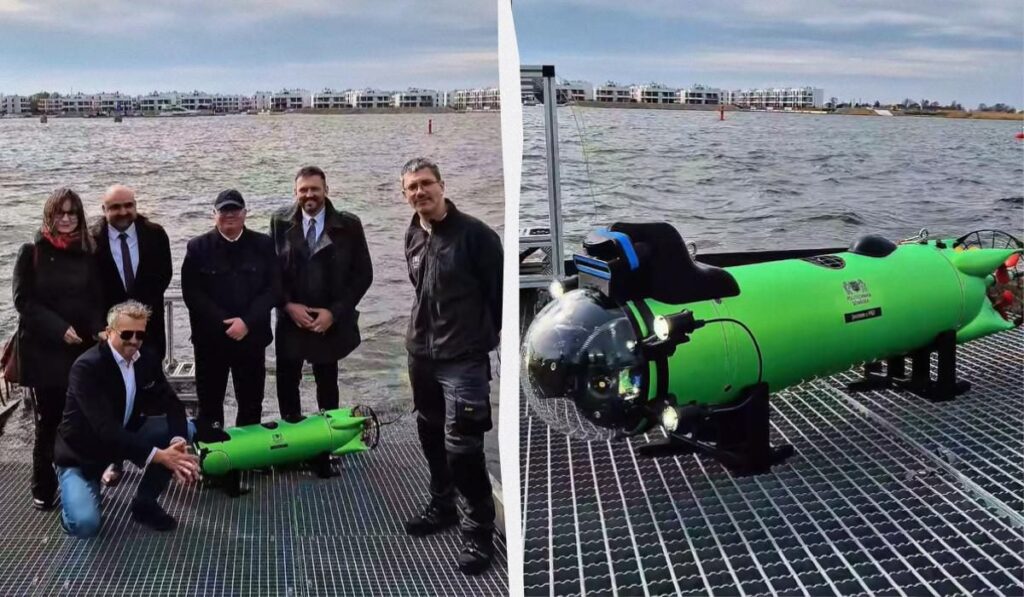
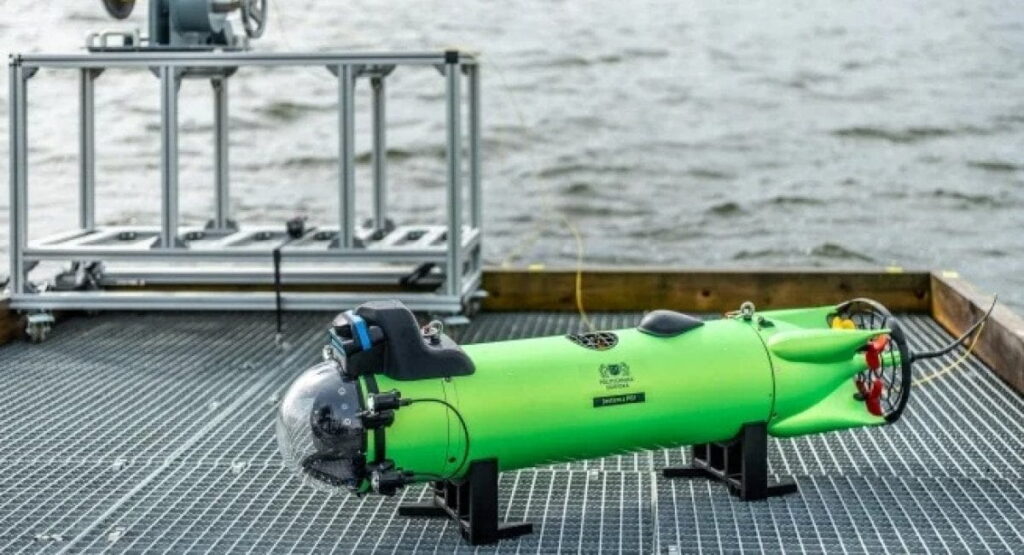
News that the Polish underwater drone “Piranha” has successfully completed its first trials in the Baltic Sea may, at first glance, look like just another small story from the world of military technology. Another experimental vehicle, another naval drone, another round of testing. But in reality, projects like this are becoming part of a much larger transformation — the gradual shift of naval warfare toward autonomous systems.
Over the past two years the world has become accustomed to FPV drones and unmanned surface boats. The next step is now becoming clear: underwater robotic warfare. And the Baltic Sea is rapidly turning into one of the ideal proving grounds for this new era.
After the sabotage of gas pipelines, repeated damage to underwater communication cables, and the growing tension between NATO and Russia, the Baltic unexpectedly became one of the most sensitive regions on the planet. Beneath its waters lies Europe’s critical infrastructure: internet backbones, communication lines, energy connections, and pipelines. That means any vehicle capable of operating covertly underwater instantly becomes more than just a reconnaissance tool — it becomes a potentially strategic weapon.
Why Navies Are Suddenly Moving Toward Drones
For decades, naval power was associated with extremely expensive warfare. Massive destroyers, nuclear submarines, aircraft carriers — all of them required enormous budgets and thousands of crew members. But the war around Ukraine exposed an uncomfortable reality: even very expensive warships are vulnerable to relatively cheap unmanned systems.
Ukrainian naval drones effectively opened a new chapter in maritime warfare. It turned out that comparatively small unmanned boats could threaten ships worth hundreds of millions of dollars. And the problem is not limited to direct attacks. Such systems create constant operational and psychological pressure, forcing navies to spend enormous resources on defense.
Underwater drones are becoming the logical continuation of this revolution.
A surface drone can still be spotted visually, by radar, or by thermal imaging systems. Underwater, however, the situation becomes dramatically more complicated. The maritime environment itself is extremely difficult for surveillance. Radio communication barely works underwater, sonar performance depends on temperature, salinity, and depth, while civilian shipping creates massive background noise.
That is why compact autonomous vehicles can become exceptionally dangerous opponents.
What a New-Generation Underwater Drone Actually Is
Based on the available information, the Polish “Piranha” belongs to the class of autonomous Unmanned Underwater Vehicles — UUVs.
In essence, this is not a miniature submarine in the traditional sense, but a robotic platform capable of operating for extended periods without a crew onboard. Such systems can perform multiple roles simultaneously.
The first is reconnaissance. An underwater drone can covertly monitor ships, inspect ports, track maritime routes, and survey infrastructure on the seabed.
The second is mine countermeasure operations. Naval mines remain one of the deadliest maritime weapons, and unmanned systems allow navies to clear them without risking crews.
The third is sabotage missions. This is the aspect currently causing the greatest concern among military analysts. A compact underwater drone can quietly approach a cable, pipeline, or vessel and place explosive charges.
In many ways, this marks the beginning of a new “war for the seabed.”
The Baltic Sea as the Perfect Theater for Underwater Warfare
The Baltic Sea itself is a highly unusual military theater. It is relatively shallow, heavily saturated with civilian shipping, and densely packed with infrastructure.
For large nuclear submarines, such an environment is often restrictive. Compact autonomous systems, however, are far more comfortable operating there.
In addition, the Baltic region has one of the highest concentrations of NATO countries and military activity in Europe. Poland, Germany, Sweden, Finland, and the Baltic states are all rapidly expanding their naval programs — and almost everywhere unmanned systems are becoming one of the main areas of development.
In practice, a new naval arms race is already underway. But instead of battleships and cruisers, nations are now competing in autonomous systems, AI navigation, sonar technology, and maritime robotics.
Underwater Drones Could Change the Entire Philosophy of Naval Warfare
The most interesting aspect of these projects is not the drones themselves, but the transformation of military thinking behind them.
Throughout the 20th century, navies were built around large platforms: battleships, aircraft carriers, missile cruisers, and nuclear submarines. Modern technology is now beginning to undermine this entire concept.
It is becoming increasingly less practical to concentrate massive combat power inside a single extraordinarily expensive ship. Cheap unmanned systems are creating asymmetric threats that even technologically advanced navies struggle to counter efficiently.
That is why many countries are moving toward the concept of distributed warfare — replacing a handful of giant platforms with dozens or even hundreds of autonomous systems.
Underwater drones fit perfectly into this philosophy. They are cheaper than submarines, require no crew, can operate covertly, and are suitable for mass production.
Which means the trials of Poland’s “Piranha” are not simply another local story about a new drone. They are one more sign of how the very nature of naval warfare is beginning to change right now.






