The Man Who Created Rome’s War Machine: How the Reforms of Gaius Marius Changed World History

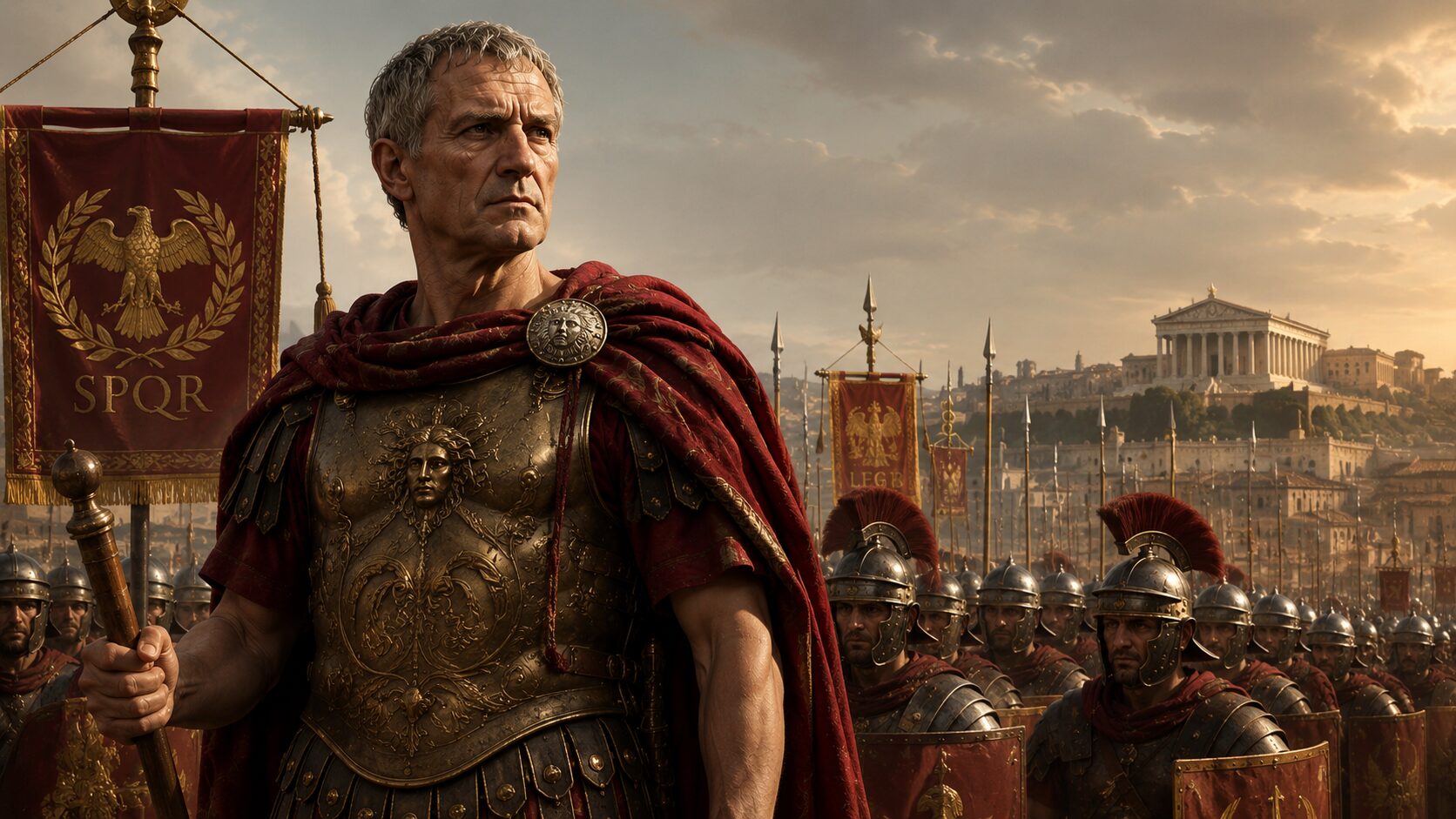
In the history of Ancient Rome, there were many great commanders. Julius Caesar conquered Gaul. Scipio Africanus destroyed Carthage. Augustus transformed the republic into an empire. But if one tries to identify the man who truly changed the very foundation of Rome’s military system, the answer almost inevitably leads to Gaius Marius.
Paradoxically, most people today barely remember his name. Yet it was Marius’s reforms that effectively created the Roman military machine that would later conquer much of the known world.
And at the same time, those same reforms would trigger processes that ultimately helped destroy the Roman Republic itself.
Rome on the Edge of Disaster
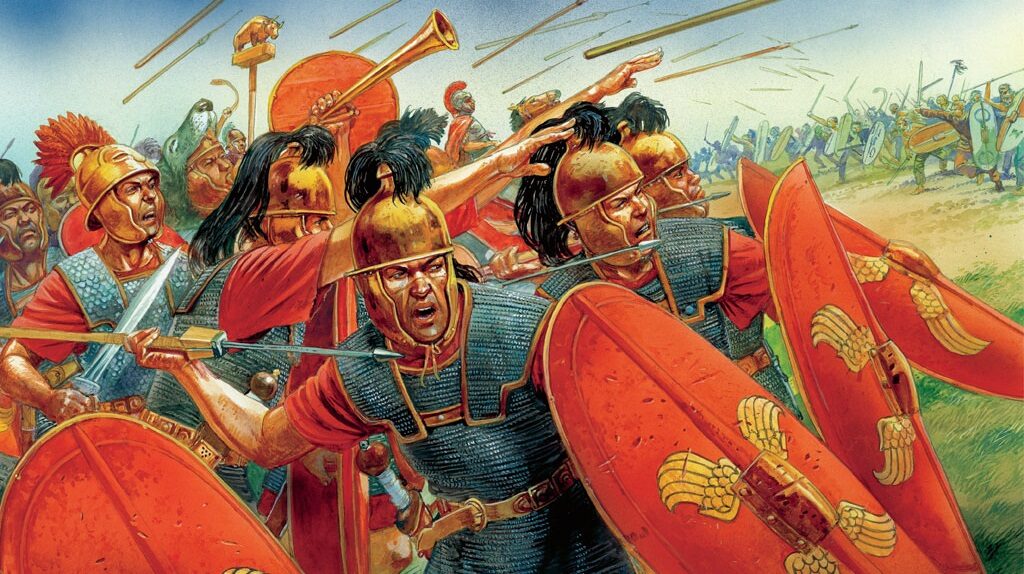
By the late second century BC, Rome was already an enormous power. Carthage had been destroyed, Macedonia subdued, and the Greek world brought under Roman influence. From the outside, the republic appeared to be experiencing a golden age.
But internally, the system was beginning to crack.
The main problem lay within the Roman army itself. Traditionally, Roman legions were formed from property-owning citizens. The belief was simple: a man who owned land would fight harder to defend the state. He purchased his own weapons and armor and, after the war, returned home to his farm.
This system worked well while Rome remained a relatively small republic. But by the second century BC, endless wars were slowly destroying the Roman peasantry. Small landowners were ruined, wealthy aristocrats absorbed their land, and thousands of veterans returned home only to discover they had nothing left.
As a result, Rome faced an unexpected crisis: it was running out of citizens who even qualified for military service.
And it was at this moment that Gaius Marius emerged.
A Man Outside the Elite
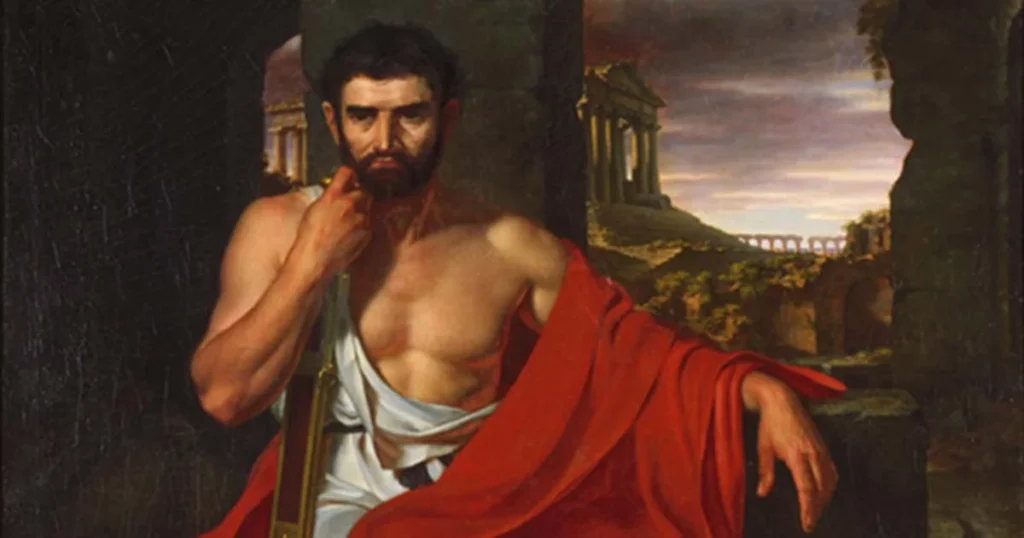
To the Roman aristocracy, Marius was almost an outsider. He did not come from an ancient senatorial family but from a relatively modest background in the town of Arpinum. In Roman political culture, such men were called novus homo — a “new man.” Someone who rose through talent and ambition rather than noble ancestry.
For Rome’s elite, this alone made him suspicious.
But Marius proved to be an exceptionally talented soldier and politician. During the war against the Numidian king Jugurtha, he quickly gained a reputation as a harsh but highly effective commander. Soon afterward, Rome faced a threat that pushed the republic into near panic.
Germanic tribes — the Cimbri and Teutones — were moving southward.
When Rome Began to Fear the Barbarians
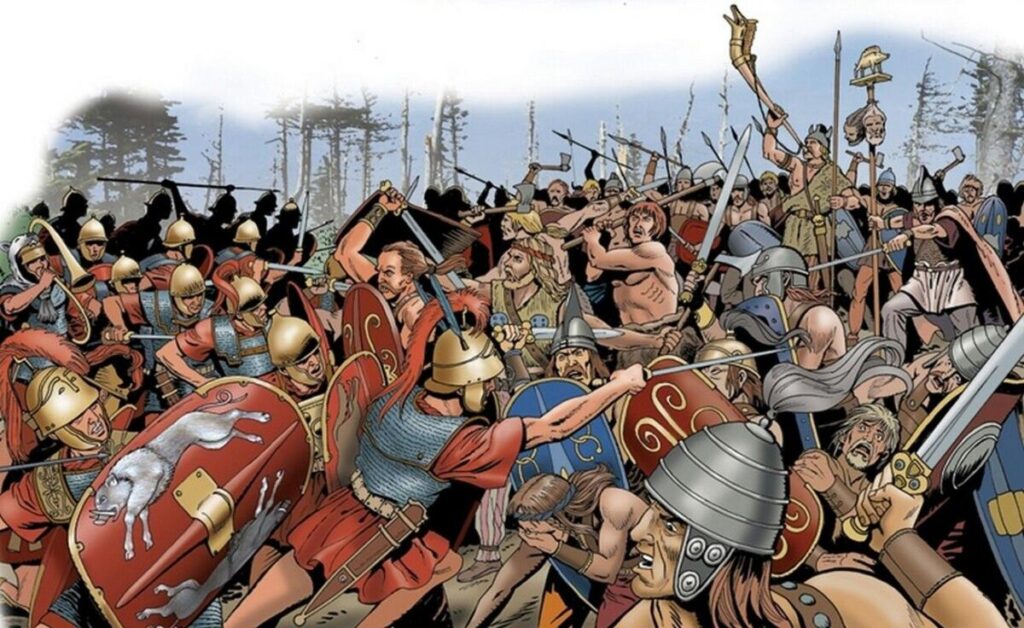
Today, the Cimbri and Teutones are remembered mostly by historians, but for Romans of the late second century BC they were almost creatures from nightmares.
Massive migrating tribal groups swept across Europe, destroying armies sent to stop them. In 105 BC, Rome suffered a catastrophic defeat at Arausio — one of the worst military disasters in the history of the republic.
Panic spread through Rome.
It suddenly seemed possible that barbarian armies would invade Italy itself.
And it was precisely at this moment that the republic granted extraordinary powers to Marius.
The Reforms That Changed Everything
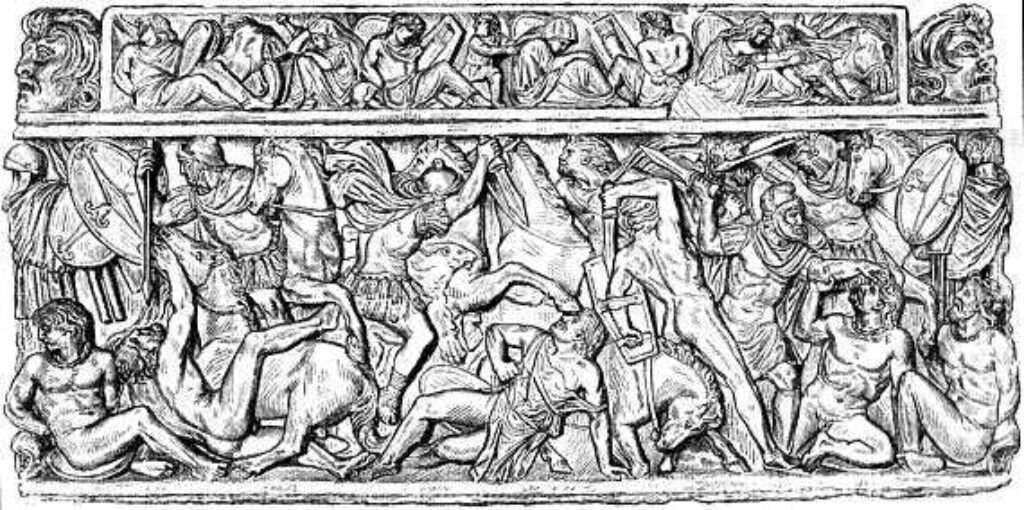
What Marius did next looked almost revolutionary.
He began recruiting the poor.
Previously, men without property were effectively considered unfit for military service. Now, the legions began accepting almost any Roman citizen. The state itself provided weapons and equipment, while military service gradually became a full-time profession.
For thousands of poor citizens, the army suddenly became a path toward a new life.
Military service now offered:
— regular pay;
— war booty;
— land after service;
— social status;
— opportunities for advancement.
In effect, Marius created a new kind of professional army.
And the consequences were enormous.
The Birth of the Legendary Legion
At the same time, the structure of the Roman army itself was changing.
Before Marius, Roman legions still relied on the older manipular system inherited from the early republic. Marius gradually shifted toward the more flexible and efficient cohort system.
It was this cohort structure that would later become the symbol of the Roman armies of Caesar and the Empire.
Marius also standardized equipment and training on a much larger scale. Soldiers underwent far harsher discipline and extensive marching drills. Roman legionaries even earned the nickname “Marius’s mules” because of the enormous amount of equipment they were required to carry themselves.
But this harshness made the army extraordinarily mobile.
The Roman legion was slowly transforming from a temporary citizen militia into a professional military machine.
The Man Who Saved Rome
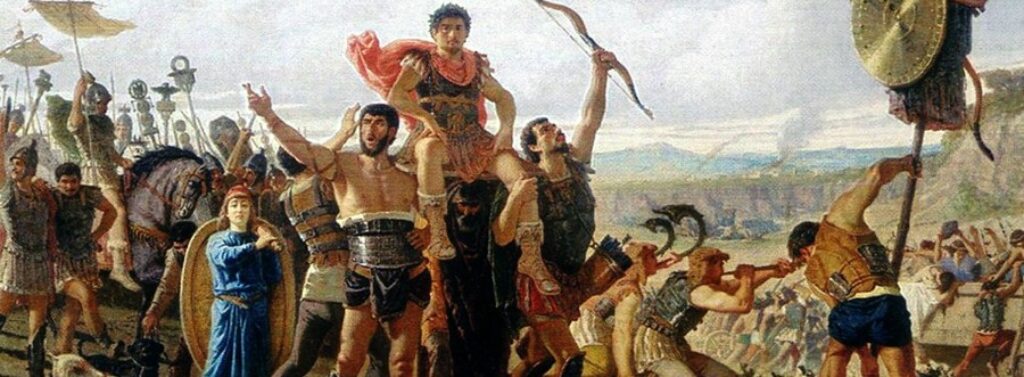
The results of the reforms appeared quickly.
In 102 BC, Marius crushed the Teutones at Aquae Sextiae, and a year later he destroyed the Cimbri at the Battle of Vercellae.
The threat of invasion was eliminated.
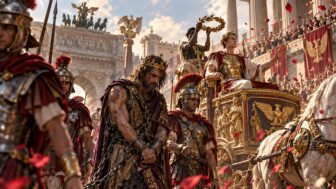
Rome celebrated Marius almost as the savior of the republic. He was elected consul again and again — something that already appeared dangerously abnormal within the traditional Roman political system.
And this was where the deeper problem emerged.
The Reforms That Killed the Republic
Marius created a professional army in order to save Rome.
But in doing so, he changed the very nature of power.
Previously, a legionary had been primarily loyal to the republic itself. Now, soldiers increasingly depended on their generals. It was the commander who provided loot, land, and security after military service ended.
The loyalty of the army slowly shifted away from the state and toward individual commanders.
And this proved catastrophically dangerous.
Within only a few decades, Roman armies would begin fighting each other.
Figures such as Lucius Cornelius Sulla, Caesar, and Pompey would rely on the personal devotion of their legions. The republic would gradually descend into a series of civil wars.
In many ways, Marius created the system that allowed Rome to become the greatest military power of the ancient world.
And at the same time, he created the conditions that would ultimately destroy the republican order itself.
Why Gaius Marius Changed History
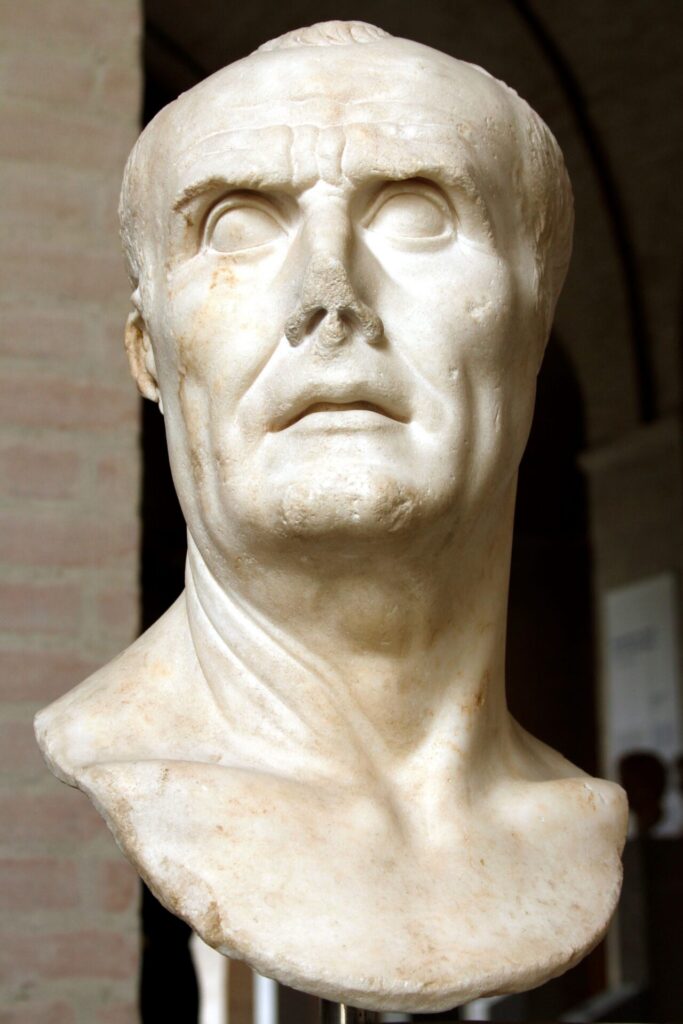
The story of Marius matters because it reveals one of history’s great paradoxes.
Sometimes the reforms that save a state in the short term also lay the foundations for its future crisis.
Without Marius, there would have been no Roman legions capable of conquering Gaul, Britain, and the Near East. No professional imperial army. Perhaps even no Roman “golden age.”
But without Marius, the republic itself might have survived far longer.
And that is the irony of his legacy.
The man who saved Rome from the barbarians also became one of the figures who unintentionally prepared the end of the old republican world.