A War That Began With Knights — and Ended With Cannons
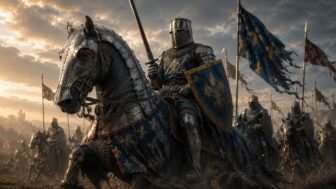
The Hundred Years’ War is usually remembered as the age of knights, longbows, and cavalry charges.
Crécy, Poitiers, Agincourt — the most famous battles of the conflict became symbols of the decline of feudal chivalry. For decades, England seemed almost unstoppable. French armies repeatedly suffered humiliating defeats, while the English longbow gained near-legendary status.
But by the middle of the 15th century, the war began to change.
And at the center of this transformation stood artillery.
France Learns From Defeat

For much of the war, France struggled not only against England, but against its own military system.
Feudal levies were unreliable, noble commanders often acted independently, and armies lacked consistency. England, by contrast, relied on more disciplined forces and effective battlefield tactics.
The turning point came after decades of disaster.
French rulers gradually realized that victory would require not simply more knights, but an entirely new military structure — centralized, professional, and technologically modern. (britannica.com)
Artillery became one of the key instruments of this transformation.
The Bureau Brothers and the Rise of French Artillery
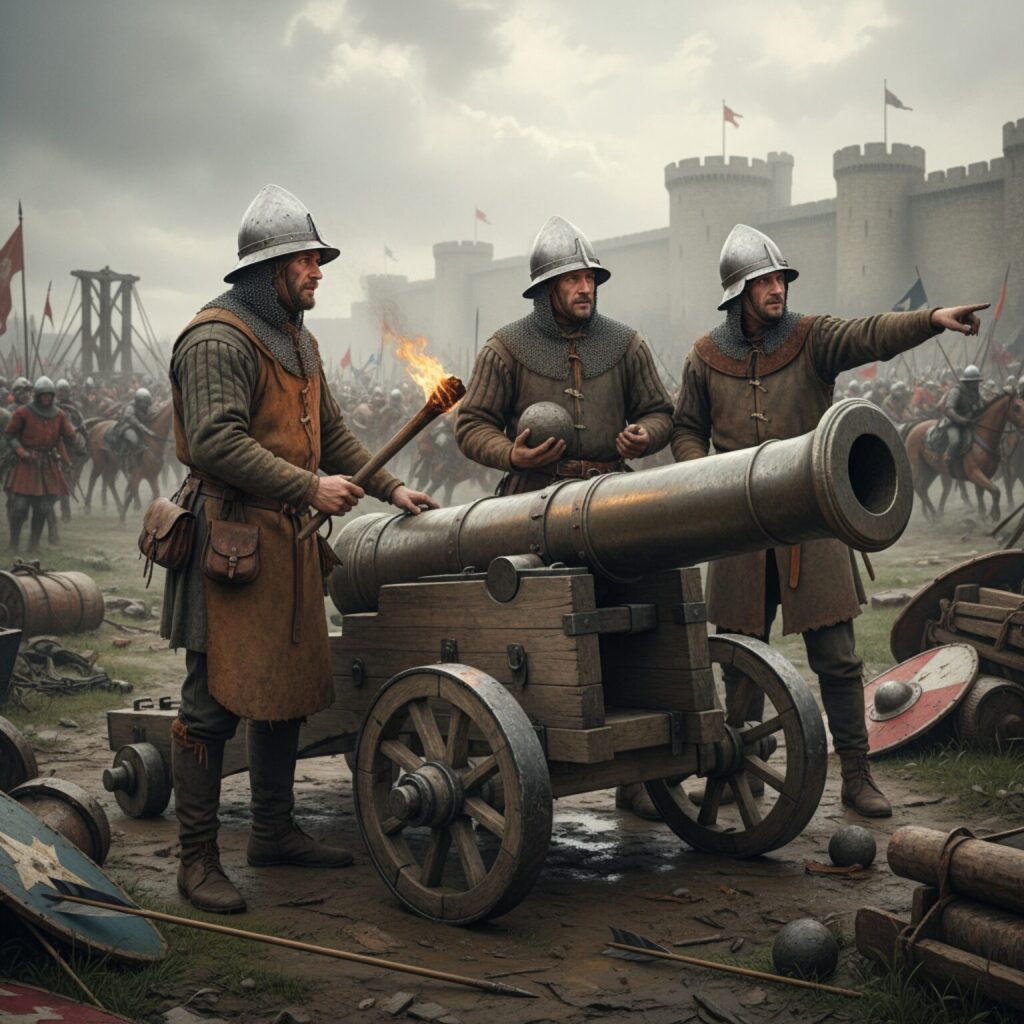
The central figures in this artillery revolution were the Bureau brothers — Jean and Gaspard Bureau.
Originally administrators and financial officials rather than traditional warriors, they became the architects of a new French military system. Under Charles VII, they organized one of the most advanced artillery forces in Europe. (en.wikipedia.org)
French artillery was no longer treated as a secondary siege tool.
It became an operational weapon.
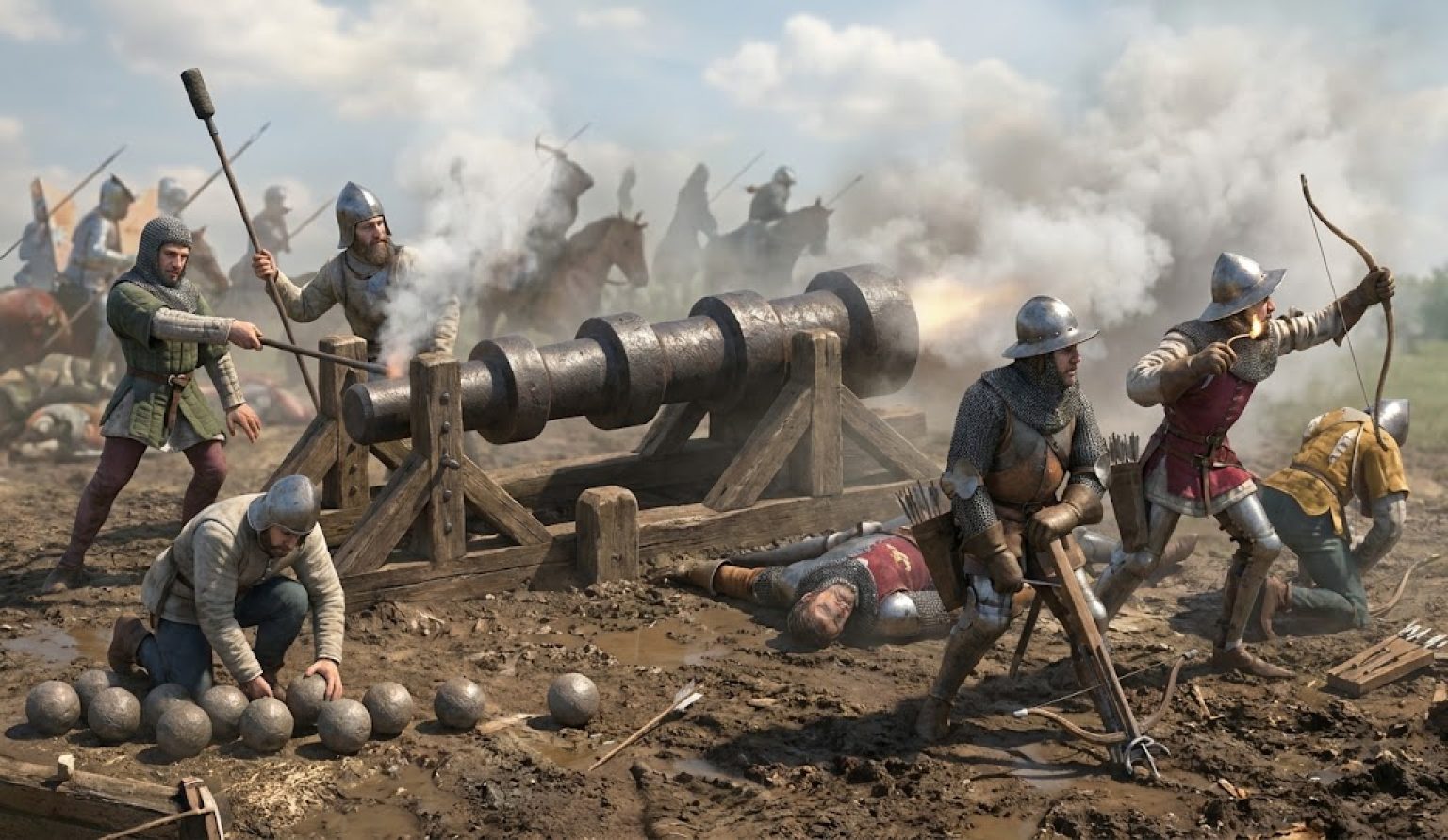
Cannons were standardized, logistics improved, gunpowder production expanded, and crews became increasingly professional. For one of the first times in European history, artillery began functioning as an integrated military branch rather than a collection of experimental machines.
Cannons Against Castles
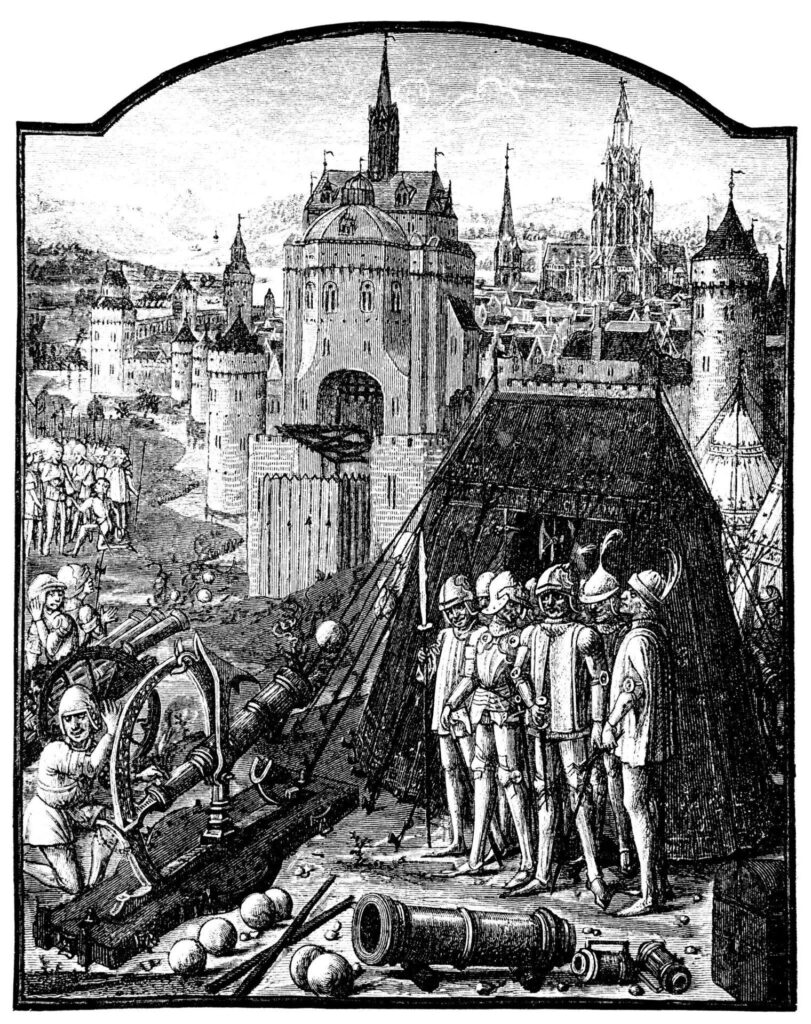
One of the greatest impacts of artillery was psychological.
For centuries, castles and fortified walls had dominated medieval warfare. Stone fortifications represented security, power, and political control. Sieges could last months or even years.
Cannons changed this balance dramatically.
Early bombards were crude and unreliable, but by the 15th century artillery had improved enough to systematically destroy walls that previously seemed nearly invulnerable. (history.com)
This transformed not only warfare, but politics itself.
The feudal castle was losing its supremacy.
Castillon: The Battle That Changed Everything
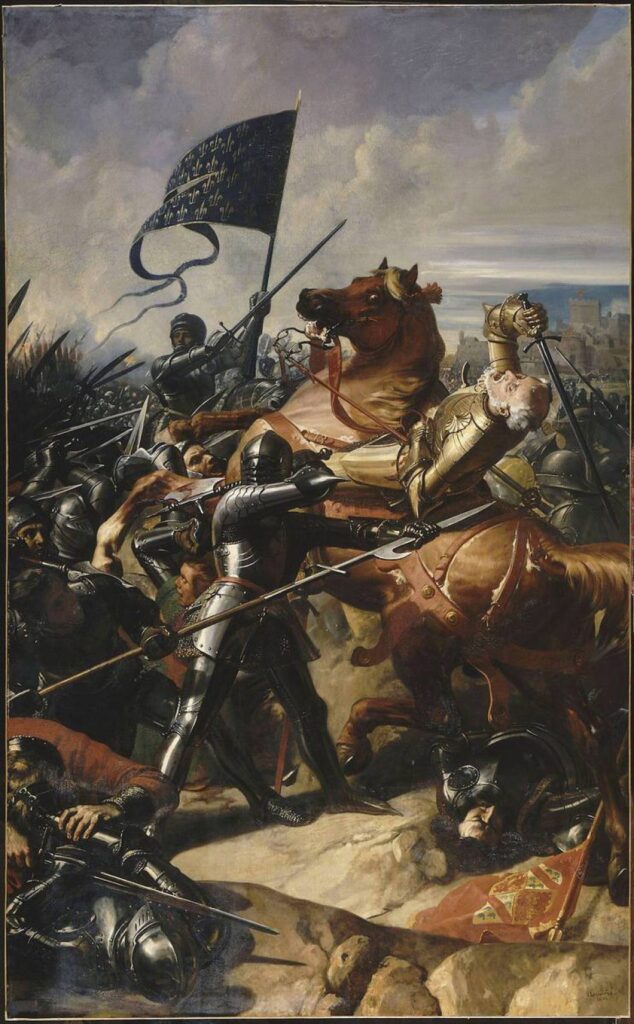
The clearest demonstration of French artillery power came at the Battle of Castillon in 1453.
Often considered the final major battle of the Hundred Years’ War, Castillon revealed how completely warfare had changed. (britannica.com)
The English forces, led by the famous commander John Talbot, attacked what they believed was a vulnerable French position.
Instead, they encountered a prepared artillery camp.
French cannons devastated the attacking forces. The battle ended in a crushing English defeat, and Talbot himself was killed. (en.wikipedia.org)
In many ways, Castillon symbolized the end of one military era and the beginning of another.
The End of the Knightly Battlefield
Artillery did not immediately eliminate knights or cavalry.
But it fundamentally changed the logic of war.
Fortifications became vulnerable. Dense formations became dangerous. Discipline, logistics, and firepower began to matter more than noble lineage and personal valor.
The medieval battlefield, dominated for centuries by aristocratic warfare, was slowly giving way to the early modern state army.
France adapted to this transformation faster than England did.
And that adaptation became one of the decisive reasons for French victory.
More Than Just Weapons
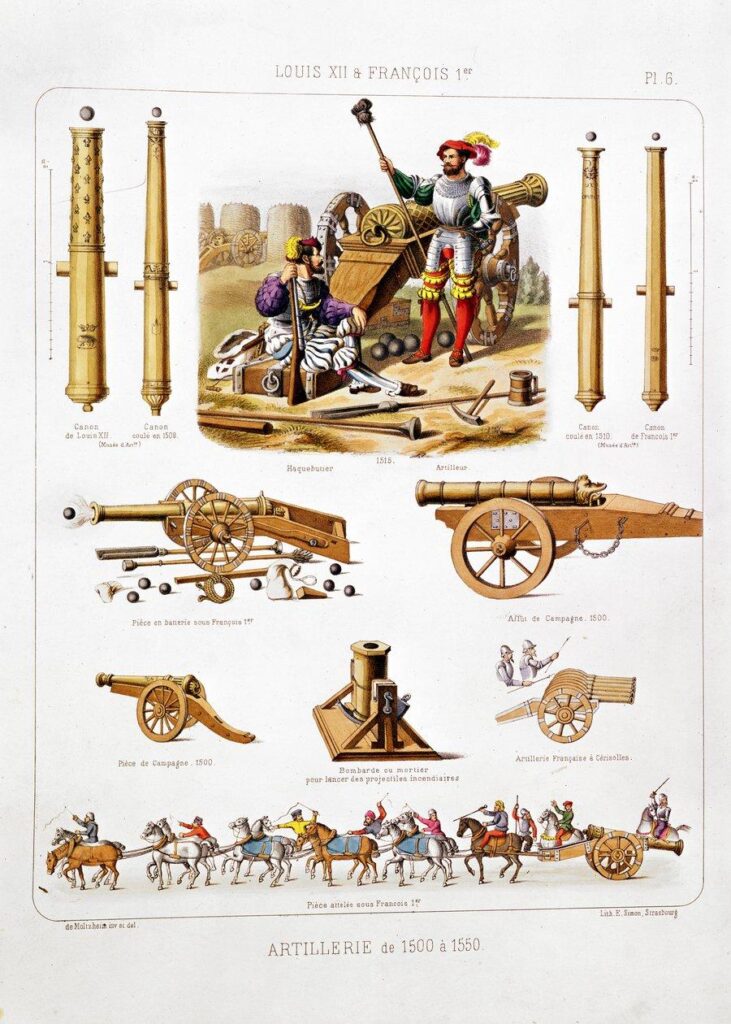
The success of Valois artillery was not simply about better cannons.
It reflected something much larger: the rise of centralized monarchy.
Only a stronger royal state could finance artillery production, maintain specialists, organize logistics, and sustain permanent military structures. Cannons were expensive, technically demanding, and impossible to manage through purely feudal methods.
In this sense, French artillery was not merely a military innovation.
It was a political one.
The Weapon That Helped France Survive
By the end of the Hundred Years’ War, France emerged battered but victorious.
Large parts of the country had been devastated, entire generations shaped by conflict, and political instability remained. Yet the kingdom survived — and even strengthened.
Artillery played a crucial role in that survival.
The cannons of the Valois dynasty did not win the war alone. But they became one of the clearest signs that Europe was entering a new age — an age where gunpowder, centralized states, and professional armies would gradually replace the medieval world of castles and knights.
And at Castillon, that future announced itself with cannon fire.