
Experimental High-Altitude Fighter Tachikawa Ki-94-II — The Aircraft That Arrived Too Late for War

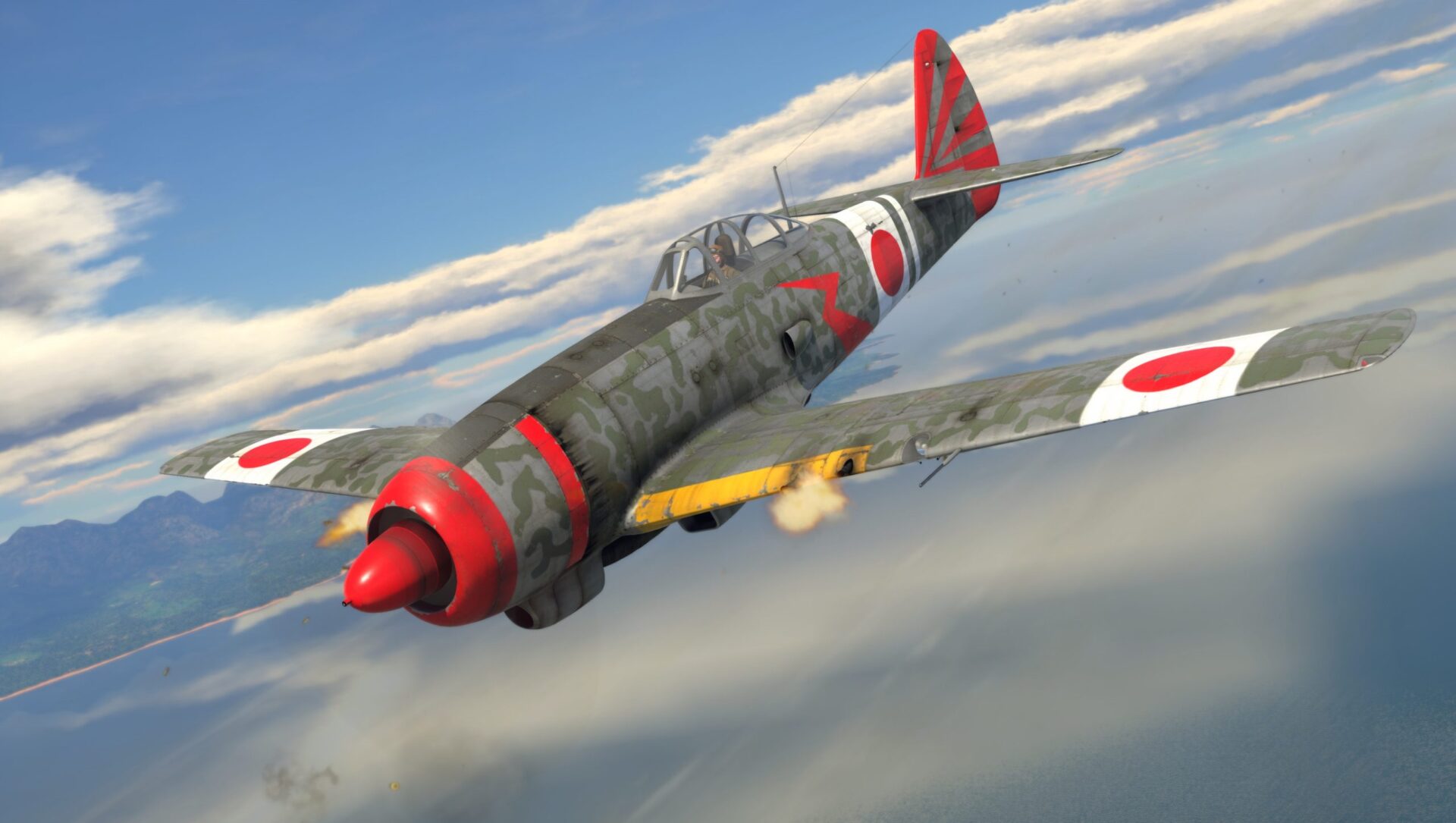
A War That Moved Into the Stratosphere
By the final phase of the Second World War, the air war over Japan had shifted to a new altitude — literally. American B-29 Superfortress bombers operated at heights where most Japanese fighters simply could not reach them effectively.
This was no longer a question of maneuverability or dogfighting skill.
It was a question of altitude, speed, and firepower.
To counter this threat, the Imperial Japanese Army required a fundamentally new class of aircraft — a high-altitude interceptor capable of climbing fast, operating in thin air, and destroying heavily defended bombers.
This requirement gave birth to one of the most ambitious projects of late-war Japanese aviation — the Tachikawa Ki-94-II.
From Complexity to Pragmatism
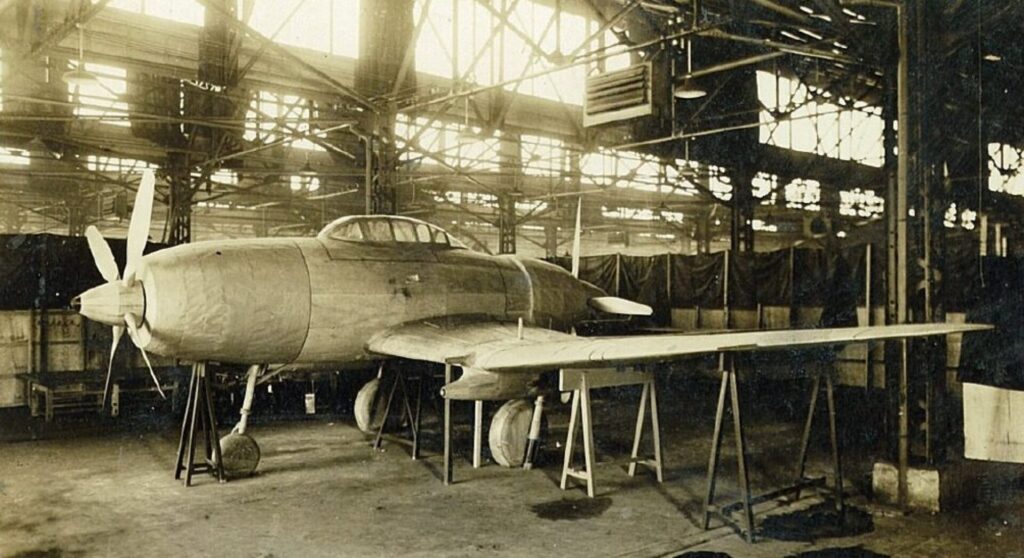
The Ki-94 program initially began with an extremely bold concept.
The first version, later designated Ki-94-I, was a twin-boom, twin-engine interceptor with a push-pull propeller configuration — a design that promised exceptional performance but proved too complex for wartime production.
As a result, Japanese engineers made a crucial decision: simplify.
The Ki-94-II emerged as a more conventional aircraft — a single-seat, single-engine monoplane. But this simplification did not mean a reduction in ambition. On the contrary, the aircraft was designed to meet the same demanding requirements as before.
It remained a machine built for one purpose: destroying high-altitude bombers.
Designed for the Upper Atmosphere
The Ki-94-II was conceived as a specialized interceptor optimized for extreme altitude operations.
It featured a pressurized cockpit — a rare and technologically demanding solution for Japanese aircraft of the time. This allowed the pilot to operate effectively at heights exceeding 10,000 meters, where oxygen levels were critically low.
At its heart was a powerful Nakajima Ha-44 radial engine equipped with a turbo-supercharger, capable of producing around 2,400 horsepower. This engine was intended to maintain performance even in thin air, where conventional engines rapidly lost power.
The aircraft also employed a laminar-flow wing — an advanced aerodynamic feature aimed at reducing drag and increasing speed at altitude.
In terms of firepower, the Ki-94-II was anything but modest: two 30 mm Ho-155 cannons and two 20 mm Ho-5 cannons were planned, giving it the ability to quickly destroy even heavily armored bombers.
Numbers That Promised More Than Reality
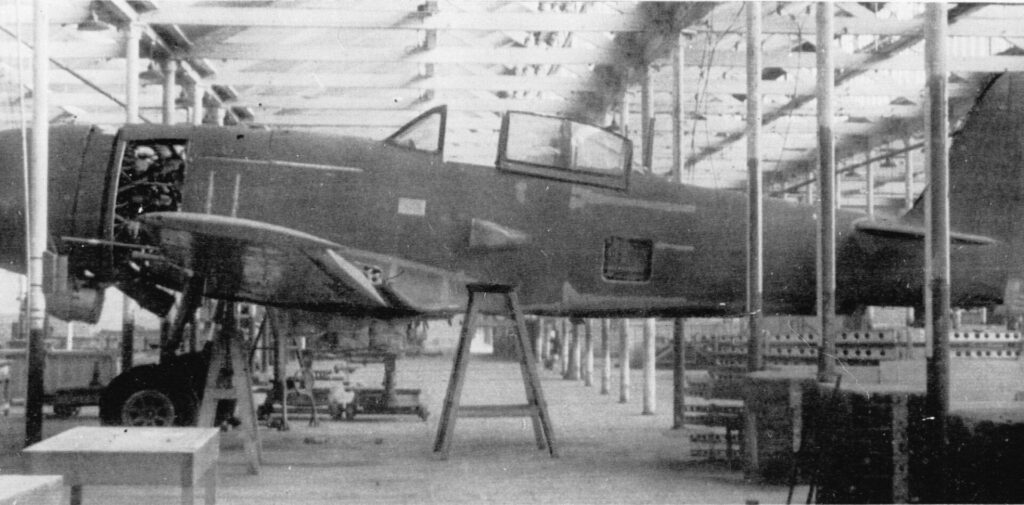
On paper, the Ki-94-II looked formidable.
Projected performance included a top speed of around 700–720 km/h, a service ceiling above 14,000 meters, and a range exceeding 2,000 kilometers. These figures placed it among the most advanced piston-engine fighters of its era — comparable in concept to late-war high-altitude interceptors developed in Germany.
But there was a critical difference.
Unlike its counterparts, the Ki-94-II never had the chance to prove these numbers in the air.
A Project Frozen at the Edge of Flight
The Japanese Army approved the design and placed orders for prototypes and pre-production aircraft.
However, reality intervened.
Industrial limitations, resource shortages, and the deteriorating military situation slowed development. By the summer of 1945, only two prototypes had been built, and even the first of them had not yet completed its maiden flight.
The end of the war brought the program to an abrupt halt.
The Ki-94-II never took to the sky.
An Interceptor for a War Already Lost
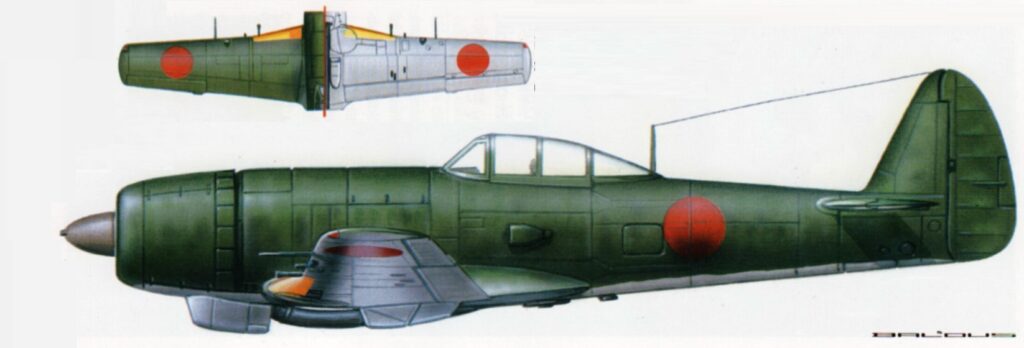
In many ways, the Ki-94-II embodies the paradox of late-war Japanese aviation.
It was technologically advanced, carefully designed, and tailored to meet a very real strategic threat. It addressed the exact problem Japan faced — the inability to counter high-altitude bombing.
And yet, it arrived too late.
By 1944–1945, the balance of power in the Pacific had already shifted irreversibly. Even if the Ki-94-II had entered production, it is unlikely that it could have changed the outcome of the war.
But it might have made the air war far more costly.
A Shadow of What Might Have Been
The Tachikawa Ki-94-II remains one of those aircraft that exist on the boundary between reality and possibility.
It never flew. It never entered service. It never fired its guns in combat.
And yet, it represents a clear glimpse into what Japanese aviation was capable of — and what it was striving to become in its final years.
A high-altitude hunter, designed for a sky it never reached.






