Defense Order 2027: What Kalashnikov Will Produce and What It Reveals About the Future of Modern Warfare

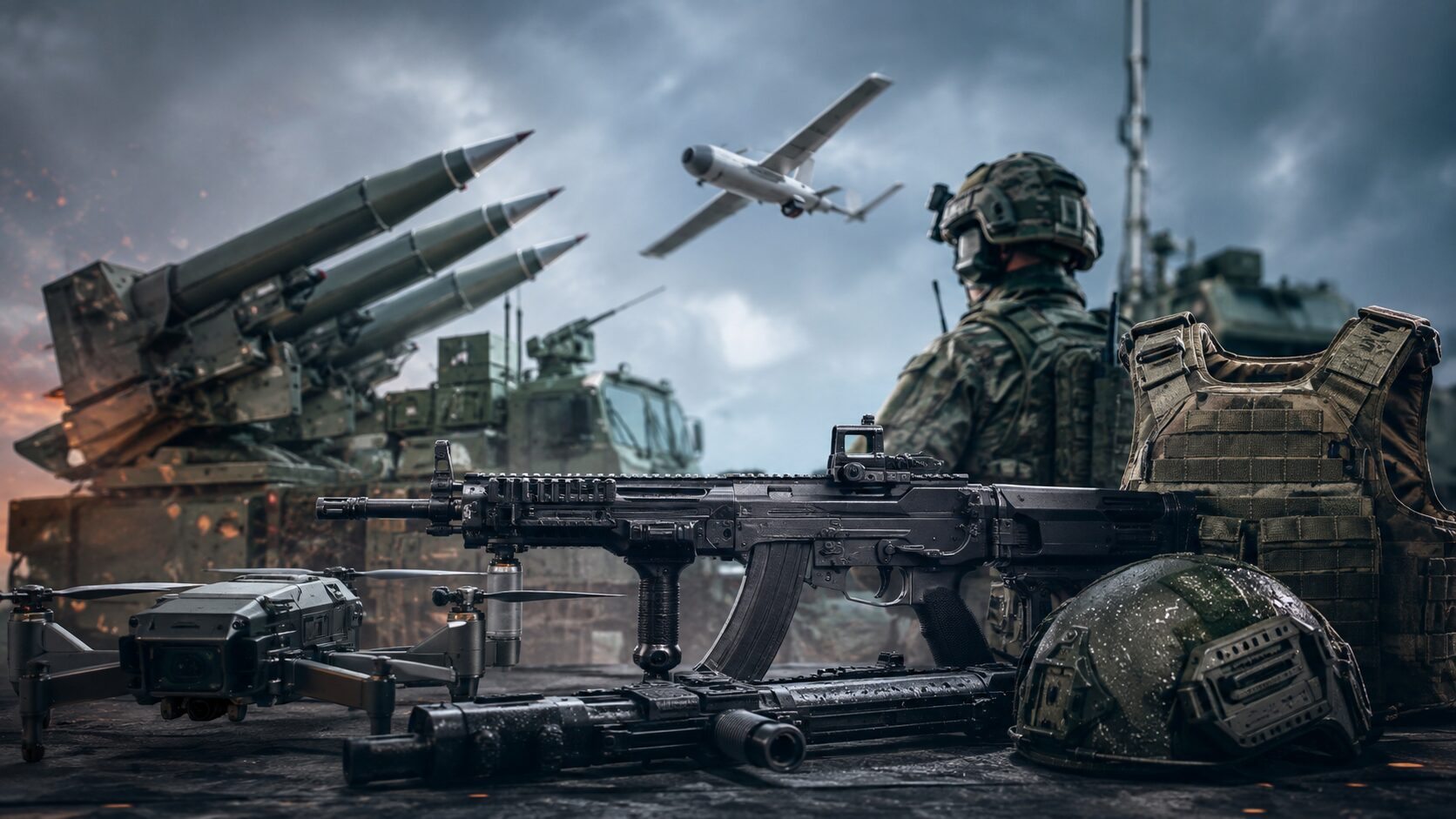
Kalashnikov Concern has begun assembling its production program for 2027. At first glance, this looks like an ordinary corporate announcement. But a closer look at the list of products included in the new state defense order reveals something much more interesting. It offers a glimpse into which types of weapons are now considered most important—and where the Russian defense industry believes the battlefield of the future is heading.
For decades, the name Kalashnikov was almost synonymous with one weapon: the AK assault rifle. That image became deeply rooted both in Russia and around the world.
Today, however, the 2027 production program tells a very different story.
The company is no longer focused solely on assault rifles and sniper weapons. The defense order now includes precision-guided missiles, loitering munitions, guided artillery projectiles, personal protection equipment, and advanced combat gear.
In other words, Kalashnikov has gradually evolved from a traditional firearms manufacturer into a diversified high-technology defense company.
Not Long Ago, Assault Rifles Were the Company’s Main Product
Historically, Kalashnikov’s success was built around one family of weapons.
After the AK entered service in 1949, successive generations—including the AKM, AK-74, AK-74M, AK-100 series, AK-12, and the AK-200 family—became the hallmark of the Izhevsk manufacturer.
More than 100 million AK-pattern rifles are estimated to have been produced worldwide, making it the most widely manufactured military rifle in history.
For decades, assault rifles defined the company.
Modern defense procurement shows that this is no longer the case.
The Most Interesting Shift: The Assault Rifle Is No Longer the Main Story
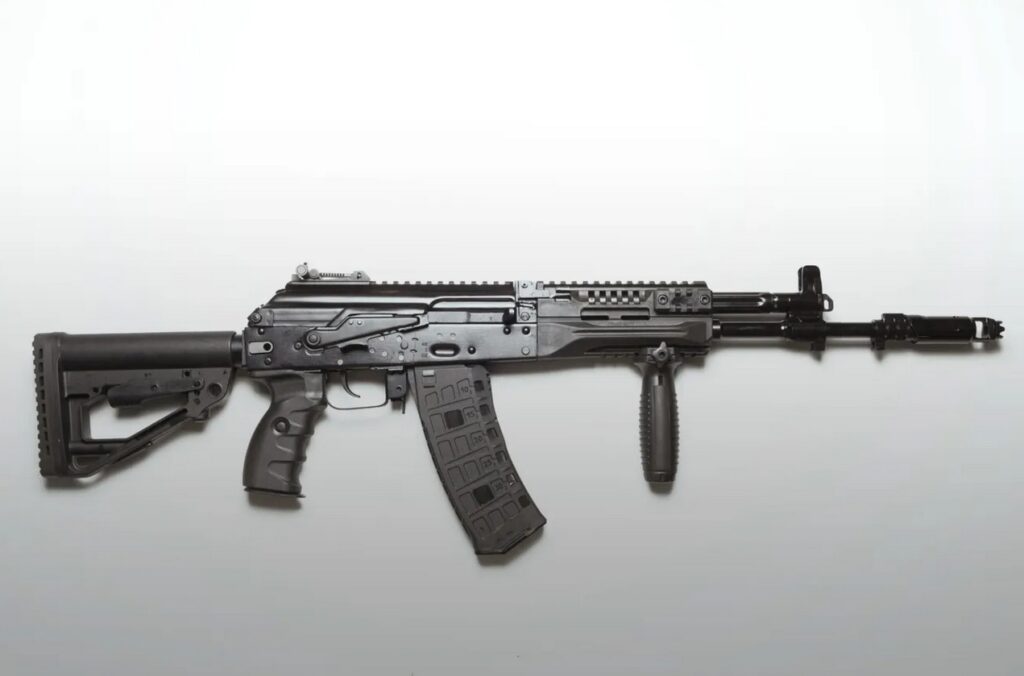
The AK has not disappeared.
It remains one of the world’s most recognizable infantry weapons.
But today, Kalashnikov’s most technologically sophisticated products are found in entirely different categories.
The 2027 production portfolio includes:
- precision-guided surface-to-air missiles;
- Vikhr-1 anti-tank guided missiles;
- Kitolov-2M guided artillery munitions;
- Kub family loitering munitions;
- modern body armor;
- advanced soldier equipment.
Twenty years ago, the company’s greatest strengths lay in metallurgy, machining, and reliable mechanical engineering.
Today, increasing value comes from electronics, software, guidance systems, sensors, and digital technologies.
A company once known primarily for rifles is steadily becoming a producer of precision-guided weapon systems.
The Biggest Surprise Is the Rise of Drones
Just a few years ago, very few people associated Kalashnikov with unmanned systems.
That has changed dramatically.
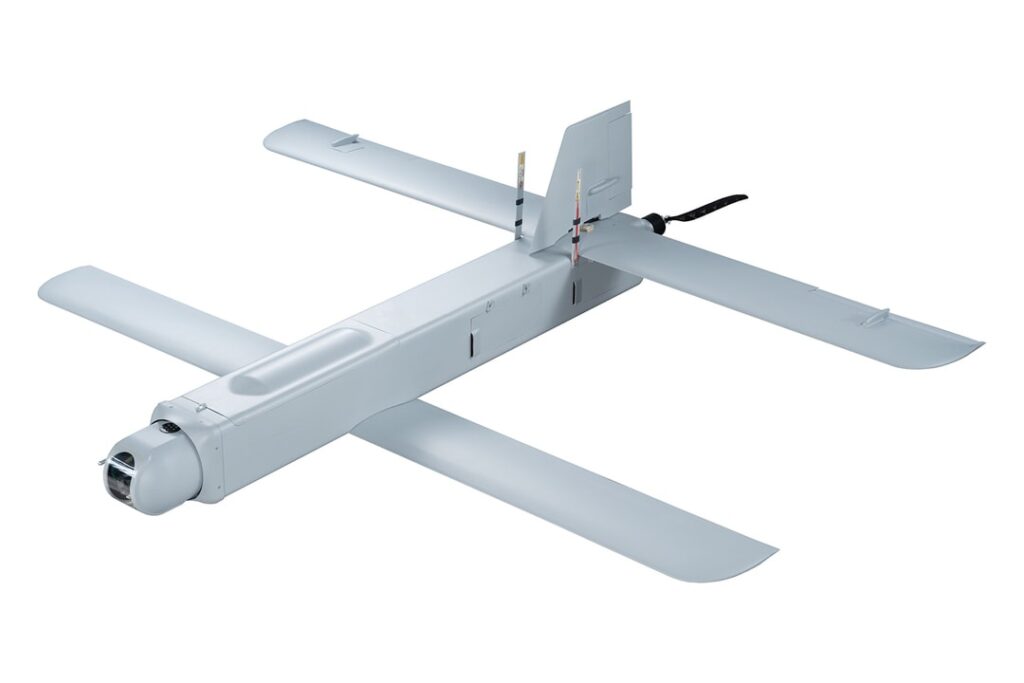
According to company leadership, production of the Kub family of loitering munitions has increased almost tenfold.
The export-certified Kub-2E and Kub-10E are already available for international customers, while a new long-range variant is currently undergoing testing.
The fact that loitering munitions now occupy such an important place in the defense order illustrates how profoundly modern warfare has evolved.
A decade ago, these systems were viewed as promising experimental technologies.
Today, they have become one of the primary tactical precision-strike tools on the battlefield.
Precision Weapons Are Becoming the New Standard
Not long ago, guided munitions were considered expensive niche weapons reserved for specialized missions.
That perception is changing.
Kalashnikov’s production program now includes several categories of precision-guided weapons:
- anti-tank missiles;
- surface-to-air missiles;
- guided artillery shells;
- loitering munitions.
This diversification reflects a broader shift away from simply increasing the volume of fire toward maximizing precision and efficiency.
The trend is not unique to Russia.
Military forces worldwide increasingly seek to destroy targets more accurately while reducing ammunition expenditure and shortening the time between detection and engagement.
Even Older Systems Continue to Evolve
One particularly interesting aspect of the new production plan is that modernization is not limited to newly developed systems.
Established weapons are also receiving major upgrades.
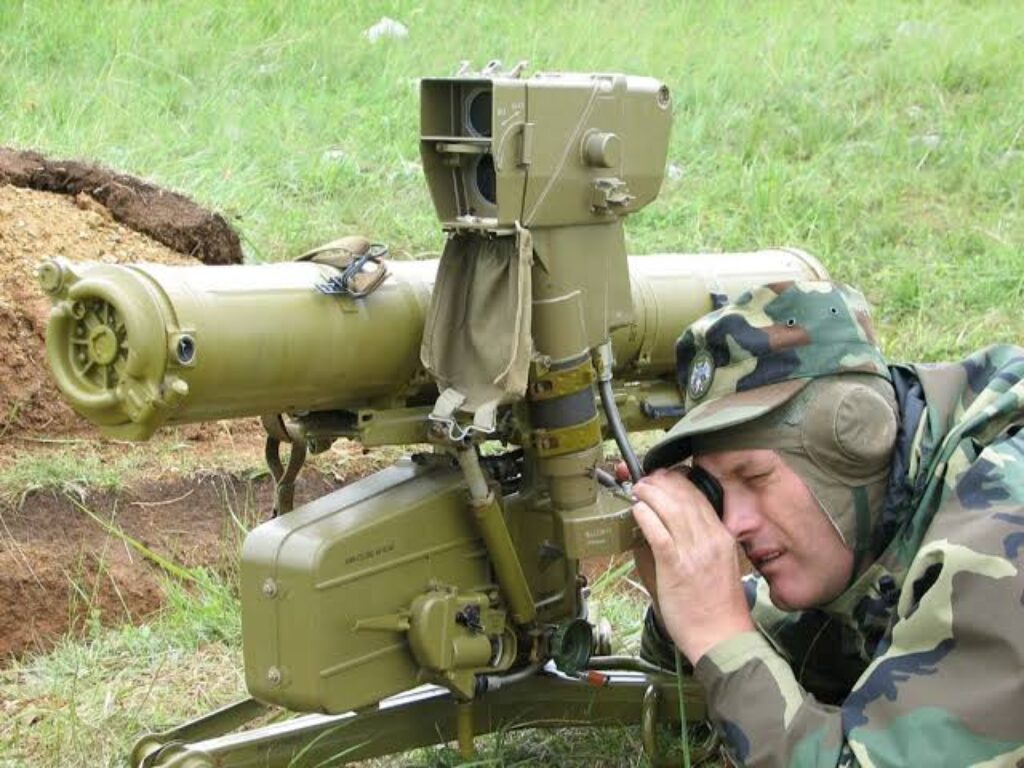
A good example is the Konkurs-M anti-tank missile system.
Although the missile itself was designed decades ago, Kalashnikov has introduced serial production of a remote wired firing system.
This allows the operator to launch the missile from approximately 100 meters away from the launcher.
At first glance, the improvement may appear modest.
In reality, it significantly enhances crew survivability by allowing operators to fire from cover while reducing exposure to return fire.
This reflects another global trend.
Instead of replacing proven systems entirely, manufacturers increasingly extend their service life through carefully targeted modernization.
Soldier Protection Is Becoming Just as Important
Another notable feature of the 2027 defense program is its growing emphasis on individual protection.
Kalashnikov continues producing modern body armor, combat equipment, and protective gear while working on improved materials offering greater durability, enhanced fragmentation protection, and specialized infrared signature reduction.
If equipment was once viewed as merely supporting the soldier’s weapon, it is now becoming an integral part of the overall combat system.
Today’s infantryman is expected to combine firepower with communications, sensors, personal protection, and digital battlefield connectivity.
What the 2027 Defense Order Really Tells Us
The most interesting conclusion has little to do with the exact number of rifles or missiles being produced.
The broader picture is much more revealing.
Looking at the entire production portfolio, it becomes clear that Russian defense priorities are steadily shifting toward:
- precision-guided munitions;
- unmanned systems;
- advanced personal protection;
- modernization of proven platforms;
- digital technologies.
The assault rifle remains the foundation of infantry firepower.
But it is no longer the company’s most technologically advanced product.
Increasingly, the greatest value lies in systems capable of detecting, processing, communicating, and striking targets with high precision.
This reflects a broader transformation in modern warfare.
Technology is becoming just as important as firepower.
Conclusion
The 2027 state defense order is interesting not because of the contracts themselves.
Its real significance lies elsewhere.
It provides a snapshot of how the Russian defense industry envisions the battlefield of the late 2020s.
Judging by Kalashnikov’s priorities, the future will rely not only on mass-produced small arms, but increasingly on precision-guided weapons, unmanned systems, advanced protective equipment, digital technologies, and continuous modernization of proven platforms.
That combination is likely to define the next generation of military equipment far more than any single weapon ever could.