
India Closes the Door on the Su-57. But Has Russia Really Lost Its Biggest Fighter Market?

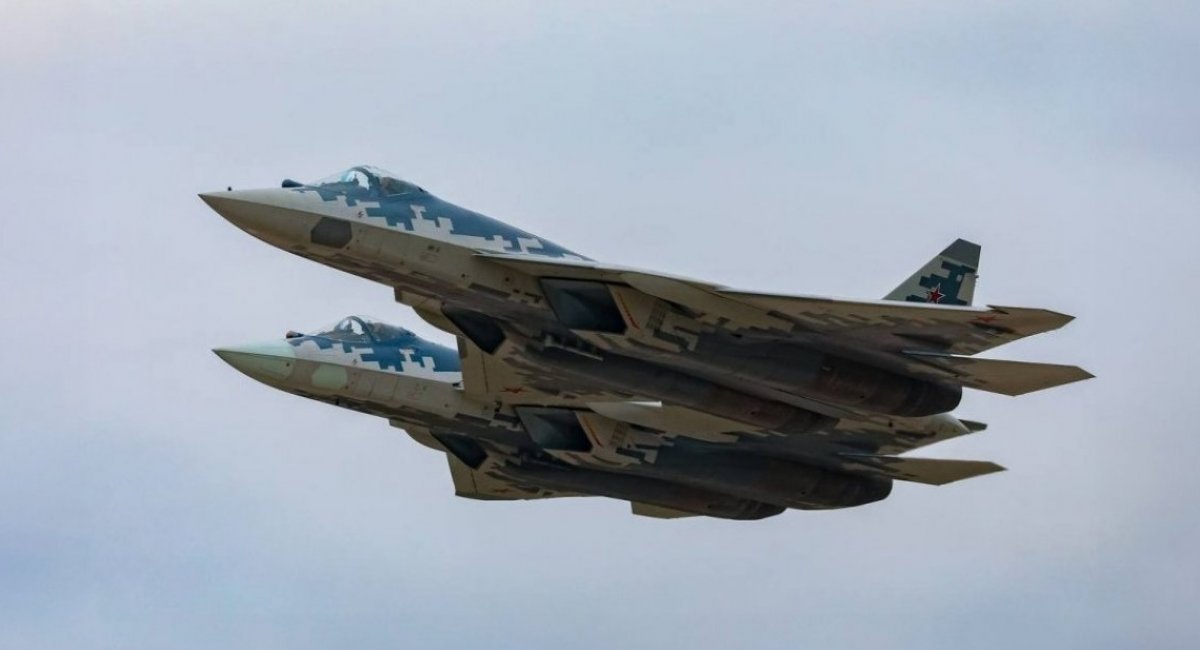
New Delhi’s decision to reject Russia’s fifth-generation fighter is a major setback for Moscow’s aerospace industry. Yet delays in India’s own AMCA program could still reopen the door for the Su-57.
For decades, India has been the single largest customer for Russian military equipment. Russian-designed aircraft form the backbone of the Indian Air Force, while the licensed production of the Su-30MKI became one of the largest defense-industrial partnerships in Russian history. Against that backdrop, New Delhi’s refusal to purchase the Su-57 is far more than the loss of another export contract—it signals a potential turning point in the global fighter aircraft market.
Yet the story is more complicated than it first appears. India has said “no” to Russia today, but that does not necessarily mean the answer will remain the same ten years from now.
Russia Offered More Than Just Fighter Jets
Moscow attempted to make its proposal as attractive as possible. In addition to supplying completed aircraft, Russia offered technology transfer, local production in India, and a significant degree of industrial participation for Indian companies.
Nevertheless, Indian Defence Minister Rajesh Kumar Singh confirmed that purchasing the Su-57 is not currently part of New Delhi’s plans. Instead, India intends to focus on three parallel priorities:
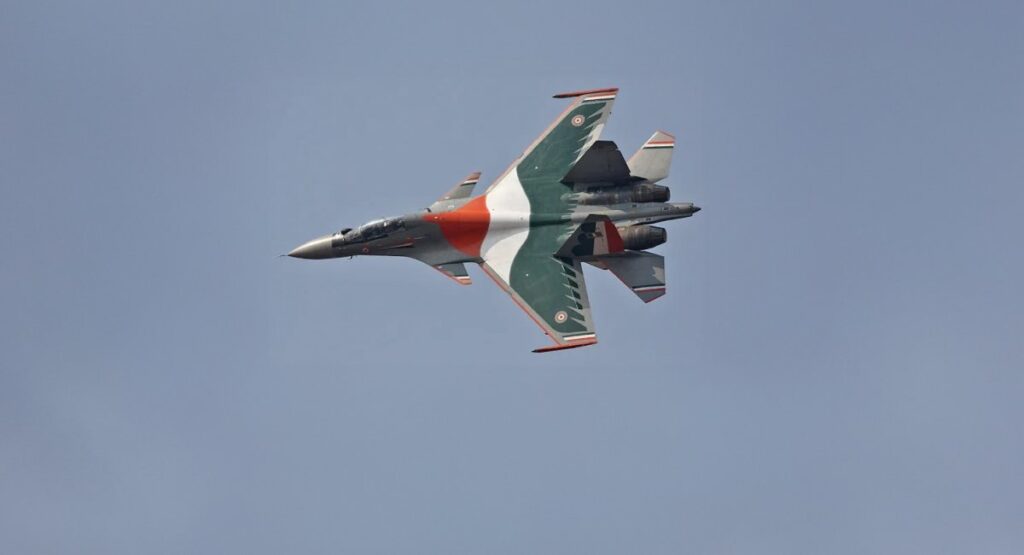
- upgrading approximately 260 Su-30MKI fighters under the Super Sukhoi modernization program;
- expanding its fleet of Dassault Rafale aircraft;
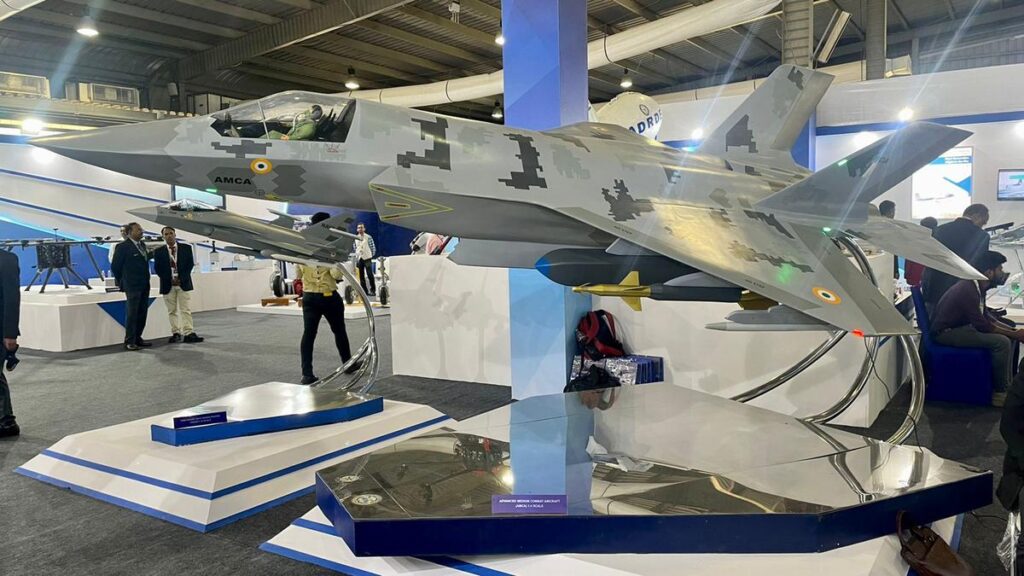
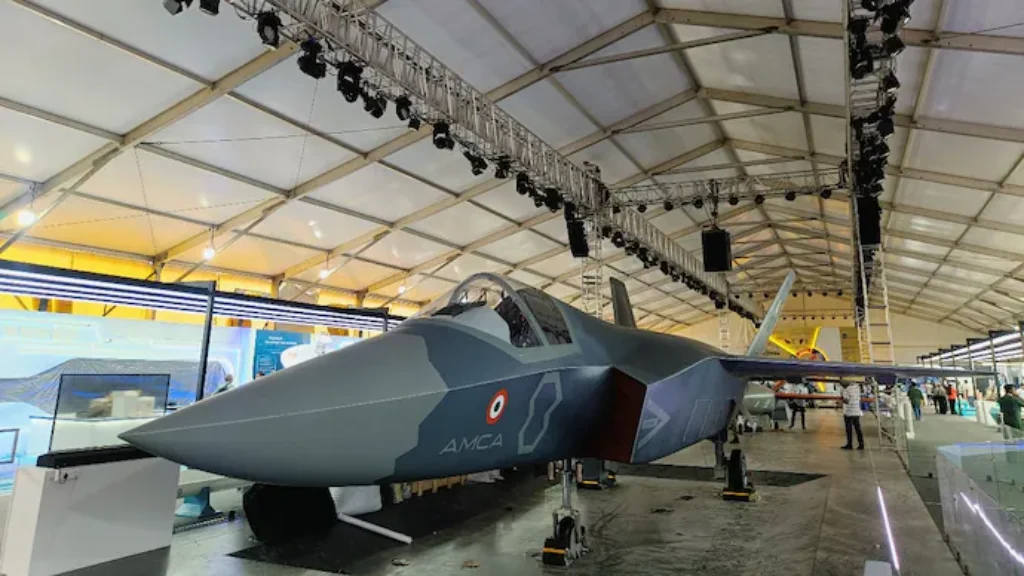
- accelerating development of its indigenous Advanced Medium Combat Aircraft (AMCA) stealth fighter.
For India, the objective is clear: reduce long-term dependence on foreign suppliers while building a domestic aerospace industry capable of competing globally.
Russia Is Losing More Than a Single Contract
At first glance, this appears to be another failed export deal.
In reality, the consequences are much broader.
The Su-57 remains Russia’s most advanced and expensive combat aircraft program. Yet production volumes are still relatively modest. Open-source estimates suggest that only several dozen serial aircraft have been delivered since production began in 2020, with annual output estimated at roughly 10 to 15 fighters per year.
The comparison with the United States is striking. The F-35 Lightning II program has already delivered more than 1,200 aircraft worldwide, while annual production now approaches 150 to 170 fighters.
A large Indian order could have transformed the economics of the Su-57 program by increasing production rates, lowering unit costs through economies of scale, and generating additional funding for future upgrades. Without that contract, Russia loses not only revenue but also one of its few opportunities to expand serial production.
Why India Walked Away
New Delhi’s decision is driven less by politics than by long-term industrial strategy.
India is currently undertaking one of the world’s largest military aviation modernization programs. Its Air Force continues operating around 260 Su-30MKIs, is expanding its Rafale fleet, and is investing heavily in the indigenous AMCA project, which is expected to become the country’s first domestically developed fifth-generation fighter.
For India, this is about much more than replacing aging aircraft. It is about acquiring the technological expertise needed to design, manufacture, and export advanced combat aircraft independently in the future.
Buying another foreign platform—even one as capable as the Su-57—would do little to advance that goal.
But AMCA Faces a Difficult Road Ahead
This is where the situation becomes far less straightforward.
According to current plans, the AMCA prototype is expected to make its maiden flight around 2029, with induction into service projected for 2034 and serial production beginning around 2035.
Those deadlines appear ambitious.
Modern fighter aircraft are among the most complex engineering projects ever undertaken. Virtually every fifth-generation fighter program has experienced significant delays, including the American F-35, Europe’s Eurofighter Typhoon, France’s Rafale, and South Korea’s KF-21.
Even a delay of three to five years could leave the Indian Air Force facing a capability gap at a time when China continues expanding its fleet of J-20 stealth fighters.
Should that happen, New Delhi may once again find itself looking for an off-the-shelf fifth-generation aircraft rather than waiting for a domestic solution.
Has Russia Really Lost India?
For now, probably not.
In the short term, India’s decision represents a significant blow to the export prospects of the Su-57. It also weakens Russia’s ambition to establish the aircraft as a major competitor in the global fifth-generation fighter market.
Over the longer term, however, the picture is less certain.
If the AMCA program remains on schedule, India will almost certainly continue down the path of technological independence.
But if development slips—as so many advanced fighter programs have before—and regional security pressures continue to intensify, New Delhi may once again need a readily available fifth-generation aircraft. Under those circumstances, the Su-57 could re-emerge as one of the available options, even if the political and industrial environment has changed dramatically.
Conclusion
India’s rejection of the Su-57 is about far more than a single lost defense contract.
It reflects a broader transformation in the global arms market. Countries that once focused on importing advanced weapons increasingly want to design, manufacture, and eventually export them themselves.
For Russia, this means future competition will come not only from the United States and Europe but also from former customers that are steadily becoming aerospace competitors in their own right.
The real question is no longer whether India wants the Su-57 today.
It is whether the country can field the AMCA before strategic realities force it to look abroad once again.






