
A Cheaper Patriot? Lockheed Martin Unveils the PAC-3 ACE Low-Cost Interceptor

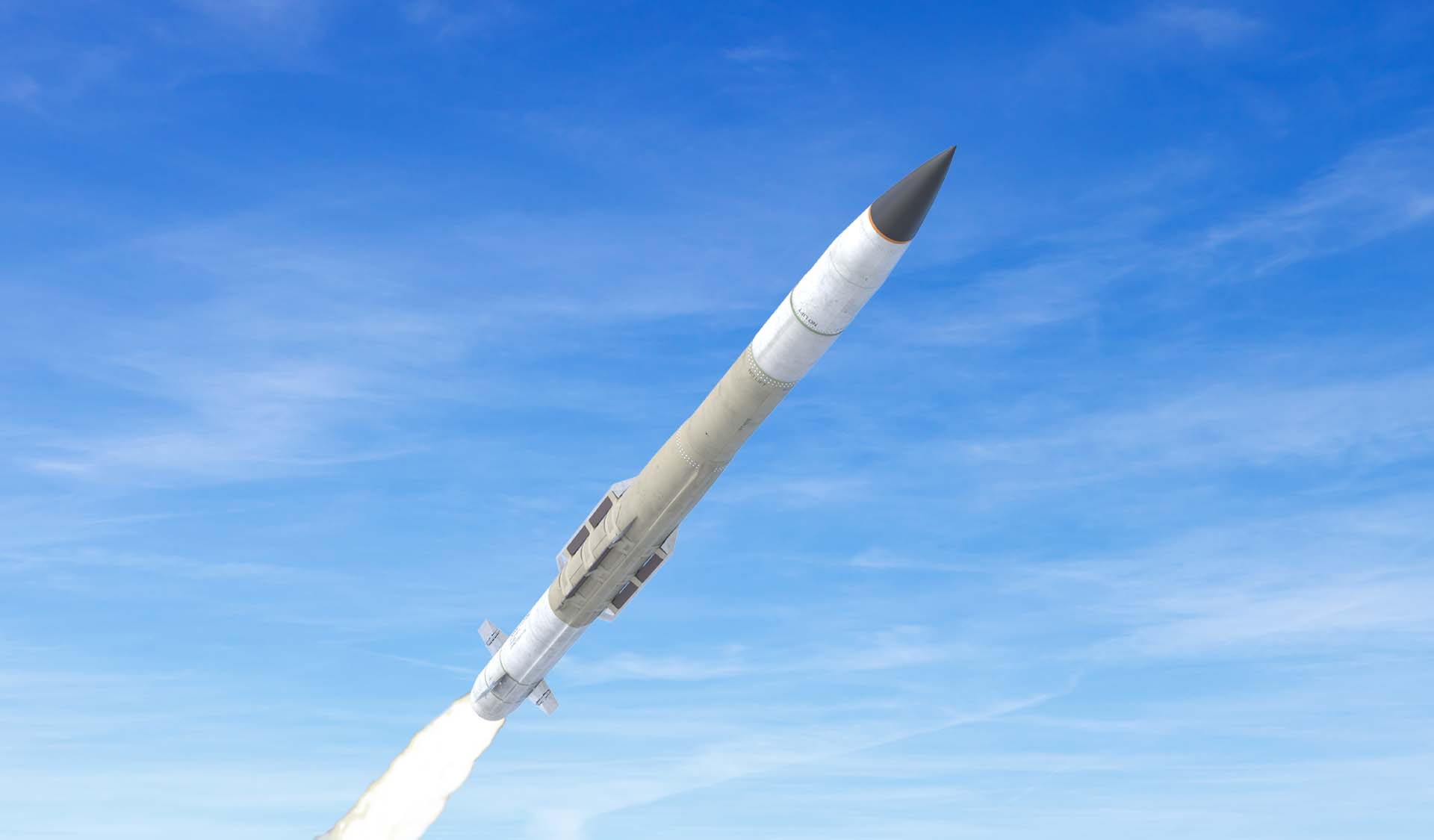
One of the biggest lessons from recent conflicts is that even the most advanced air defense system can become overwhelmed if it is forced to intercept too many threats with extremely expensive missiles. The wars in Ukraine and the Middle East have demonstrated that the cost of interception is becoming almost as important as the interception itself.
That is why Lockheed Martin has introduced the PAC-3 Adapted Capability Effector (ACE), a new lower-cost interceptor designed for the Patriot air defense system. According to the company, the missile will cost less than half the price of the current PAC-3 MSE while retaining the ability to defeat most modern aerial threats.
Why Patriot Needs a More Affordable Missile
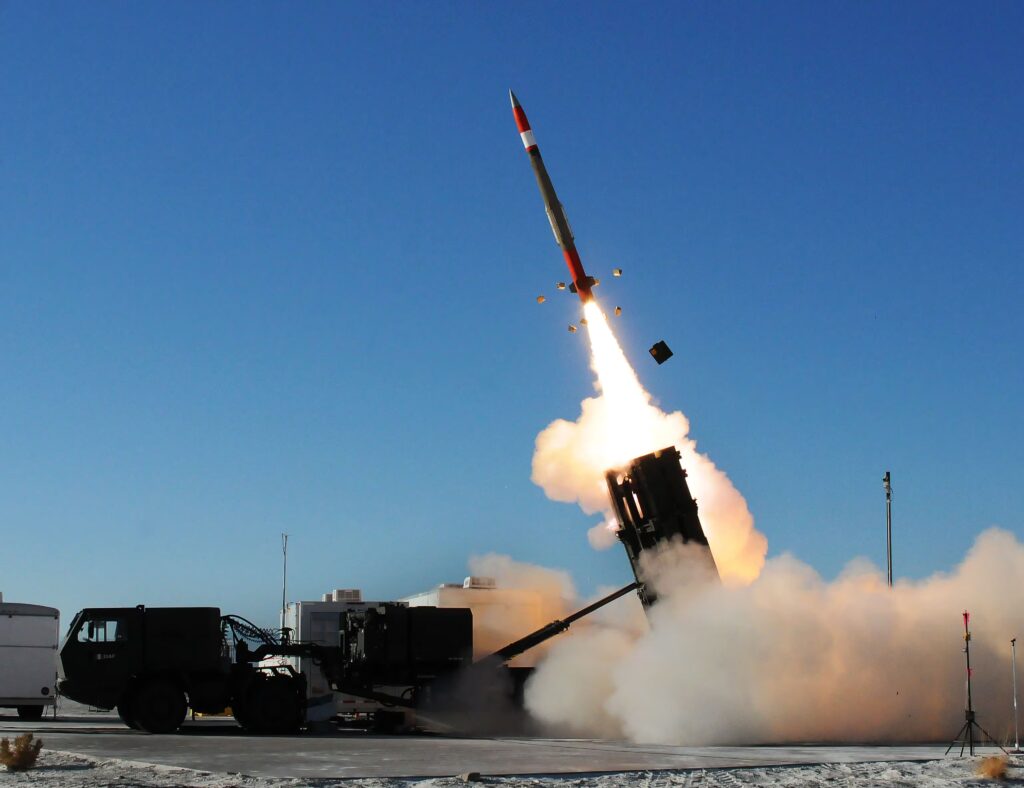
Today, the PAC-3 Missile Segment Enhancement (MSE) is widely regarded as one of the world’s most capable interceptors for defeating ballistic missiles. However, that performance comes at a significant cost.
According to the U.S. Army’s procurement budget, each PAC-3 MSE interceptor costs more than $4 million. Using missiles of that price against mass attacks involving cruise missiles or inexpensive drones is economically unsustainable. This issue—often referred to as the cost exchange ratio, where destroying a target costs far more than the target itself—has become one of the biggest challenges facing modern air defense.
Lockheed Martin says the PAC-3 ACE was designed specifically to solve this problem by significantly increasing Patriot’s available magazine depth without dramatically increasing procurement costs.
What Is the PAC-3 ACE?
Although the new missile closely resembles the PAC-3 MSE, it is not simply a cheaper copy.
Lockheed Martin has released only limited technical information, but the company states that engineers simplified several of the missile’s most expensive components. This reportedly includes a less complex seeker and a simplified propulsion system. Those changes reduce manufacturing costs by more than 50 percent while maintaining full compatibility with existing Patriot launchers.
Importantly, the PAC-3 ACE remains part of the Patriot family and leverages the combat-proven architecture already used throughout the system.
What Targets Will It Engage?
Lockheed Martin presents the PAC-3 ACE as a complement to existing Patriot interceptors rather than a replacement for the PAC-3 MSE.
The new interceptor is expected to engage:
- Combat aircraft
- Cruise missiles
- Conventional aerodynamic targets
- Short-range ballistic missiles
- Medium-range ballistic missiles
Against the most demanding ballistic missile threats, however, the higher-performance PAC-3 MSE will continue to serve as Patriot’s primary interceptor.
Mass Production Becomes the Priority
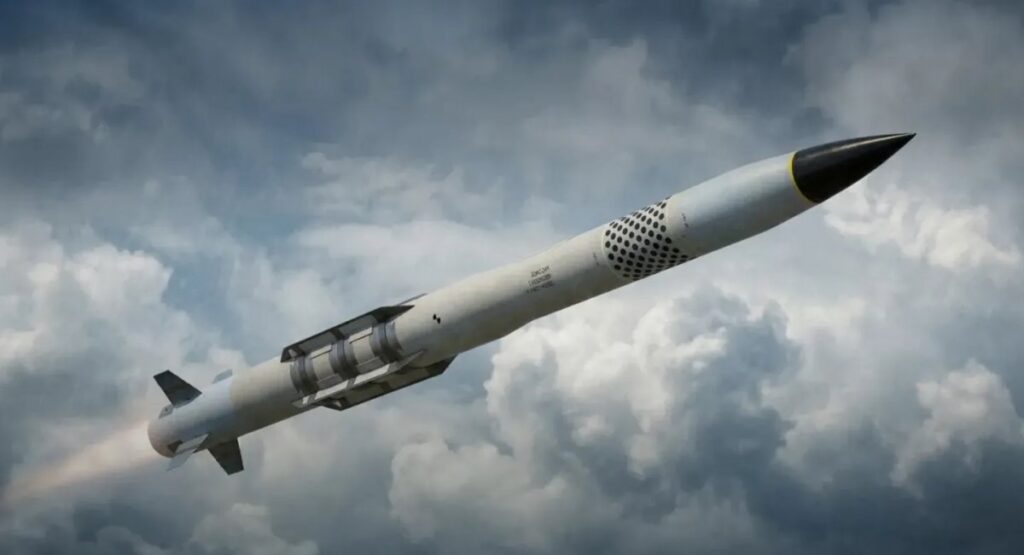
Only a few years ago, missile development focused almost exclusively on achieving the highest possible performance.
Today’s battlefield has changed that philosophy.
Modern conflicts have shown that even highly capable air defense systems can rapidly exhaust their missile inventories, while industrial production often struggles to replenish them quickly enough.
For that reason, Lockheed Martin is pursuing two parallel strategies:
- Expanding production of the existing PAC-3 MSE
- Developing the lower-cost PAC-3 ACE for high-volume procurement
The company also plans to involve European manufacturers in producing components for the new interceptor, increasing manufacturing capacity and reducing pressure on U.S. production lines.
The first flight test of the PAC-3 ACE is currently expected in 2028.
Technical Specifications
Designation: PAC-3 Adapted Capability Effector (ACE)
Developer: Lockheed Martin
Compatible System: Patriot Air Defense System
Type: Surface-to-air interceptor missile
Estimated Cost: Less than 50% of the price of the PAC-3 MSE
Primary Targets:
- Aircraft
- Cruise missiles
- Aerodynamic threats
- Short-range ballistic missiles
- Medium-range ballistic missiles
First Flight Test: Expected in 2028
Conclusion
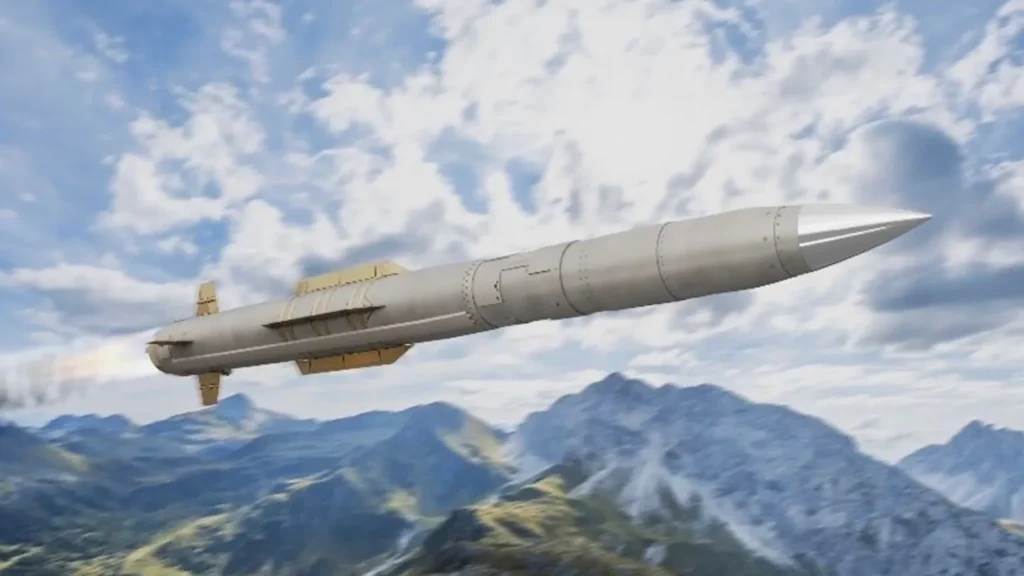
The introduction of the PAC-3 ACE highlights a broader shift in the evolution of modern air defense. Rather than focusing solely on building the most capable interceptor regardless of cost, military planners are increasingly emphasizing affordability, production capacity, and the ability to sustain prolonged combat operations.
The PAC-3 ACE is not intended to replace the PAC-3 MSE, nor is it designed to handle the most challenging ballistic missile threats. Instead, its role is to provide Patriot operators with a far more economical interceptor for routine engagements against aircraft, cruise missiles, and shorter-range ballistic missiles.
In future conflicts, the most effective air defense systems may not rely on a single “perfect” interceptor. Instead, success will likely depend on a layered mix of premium high-performance missiles and more affordable interceptors that can be produced and deployed in much greater numbers.






