
B-21 Raider Will Keep Two Pilots: Why the U.S. Air Force Rejected the Single-Pilot Bomber Concept

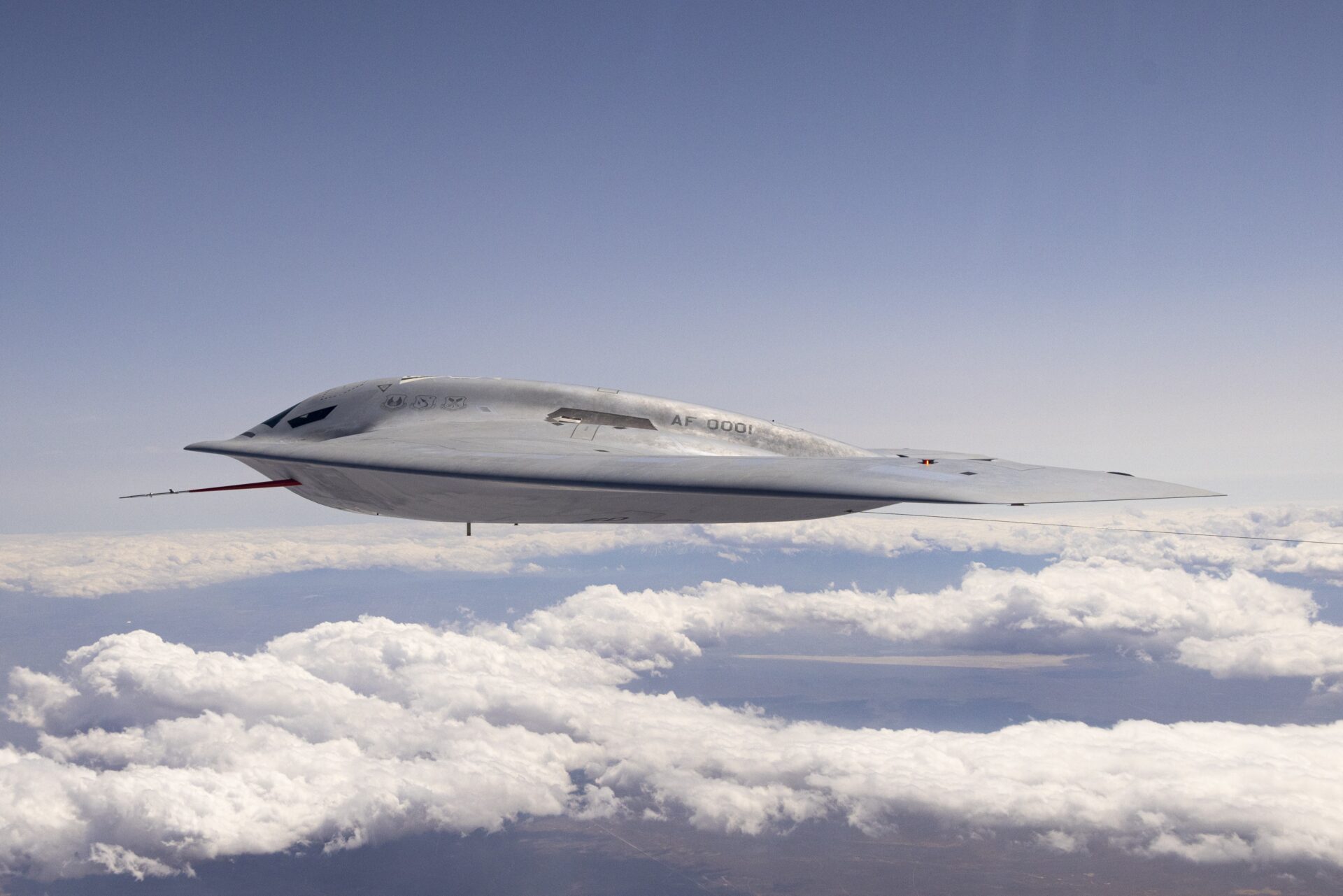
Since the first images of the B-21 Raider were unveiled, one of the most debated aspects of America’s next-generation stealth bomber has been its unprecedented level of automation. With advanced flight-management systems and digital mission software, many analysts speculated that the aircraft would eventually be able to fly combat missions with only one pilot—or even evolve into an optionally manned platform.
The U.S. Air Force has now settled that debate.
The Department of the Air Force has officially confirmed that the B-21 Raider will operate with a crew of two pilots, abandoning the idea of single-pilot operations after evaluating the aircraft’s mission requirements and operational demands.
At first glance, this may appear to be a step backward. In reality, it reflects just how complex modern strategic bombing missions have become.
Why a Single Pilot Was Considered
When the B-21 program was first introduced, Northrop Grumman emphasized the aircraft’s high level of automation.
Its onboard computers are expected to handle much of the workload traditionally performed by the crew, including:
- Flight management;
- Navigation;
- Aircraft health monitoring;
- Coordination between onboard systems;
- Assistance with weapon employment.
Given these capabilities, many observers naturally questioned whether a second pilot was still necessary.
After all, commercial aviation has steadily increased cockpit automation, and military aircraft are following the same trend.
A Strategic Bomber Is Not an Airliner
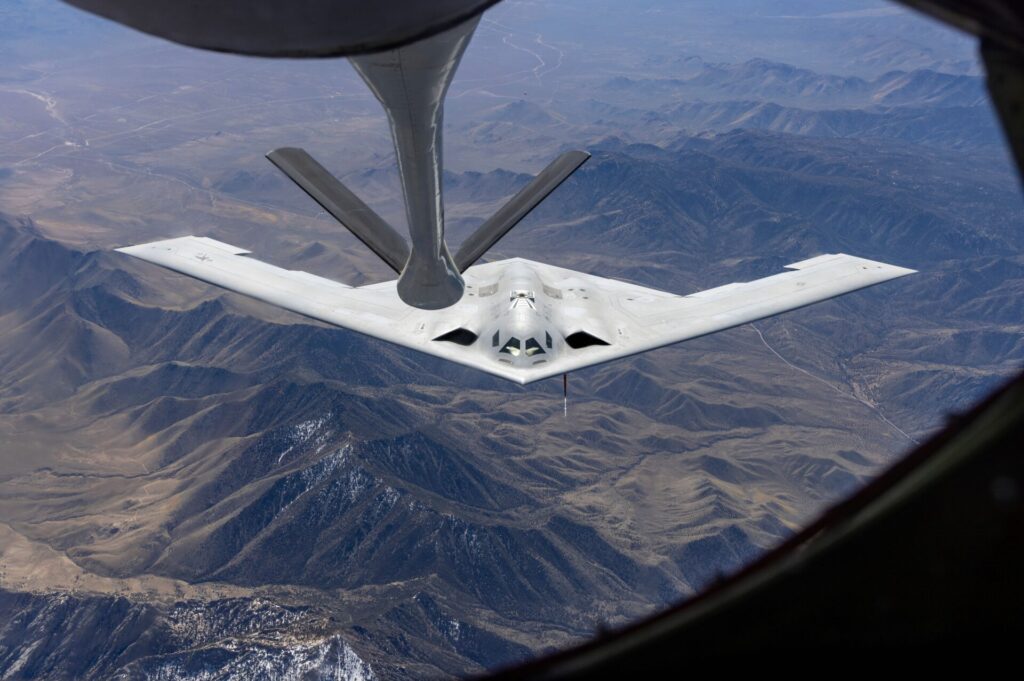
The answer lies in the nature of the B-21’s mission.
The Raider is not simply another bomber.
It is expected to become the backbone of America’s strategic bomber force for decades.
Its missions will include:
- Nuclear deterrence;
- Long-range conventional strikes;
- Penetrating advanced integrated air-defense systems;
- Coordinating operations across multiple domains;
- Working alongside unmanned collaborative aircraft and networked combat systems.
Managing such missions places an enormous cognitive burden on the crew—far beyond simply flying the aircraft.
Two Pilots Do More Than Fly the Airplane
Modern strategic bombers function as airborne command-and-control platforms.
During combat missions, the crew must simultaneously:
- Monitor the tactical situation;
- Adapt flight routes to emerging threats;
- Coordinate with other military assets;
- Process vast amounts of real-time information;
- Make critical decisions under extreme time pressure.
Even with advanced automation, many of these responsibilities cannot safely be delegated entirely to software.
This is especially true during nuclear missions, where decision-making remains firmly under human control.
Human Factors Still Matter
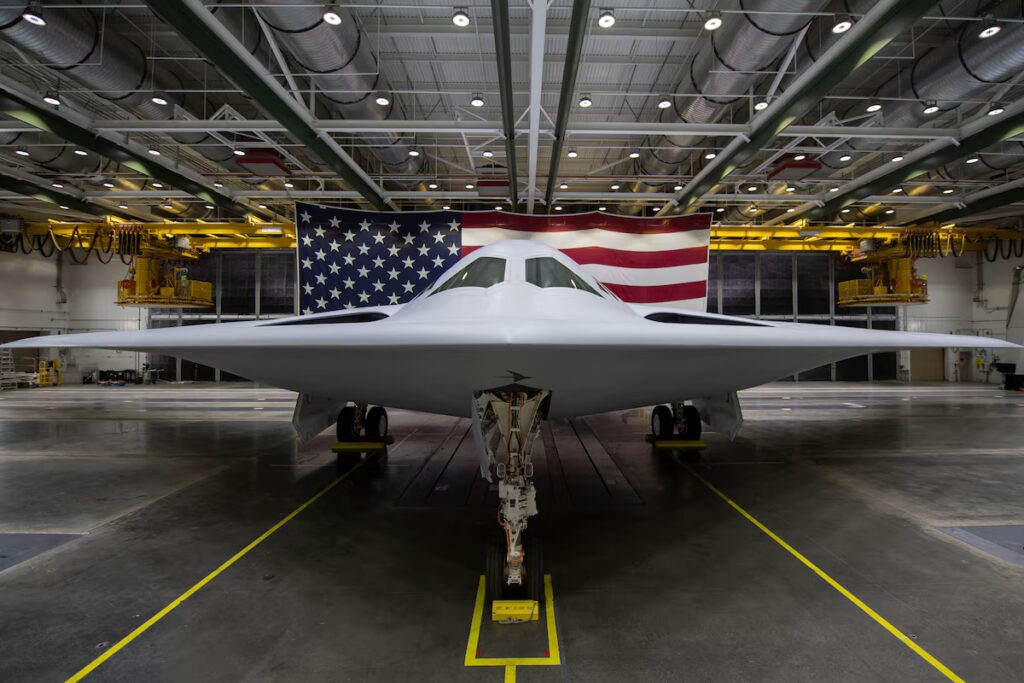
There is another practical consideration.
Strategic bomber missions can last many hours—sometimes more than a full day.
During flights of that duration, fatigue inevitably affects concentration and decision-making.
A second pilot provides several important advantages:
- Sharing the workload;
- Cross-checking critical decisions;
- Reducing the risk of human error;
- Maintaining operational effectiveness throughout extremely long missions.
For precisely these reasons, the B-2 Spirit has operated with a two-person crew for decades.
The Final Decision Was Not the Original Plan
Interestingly, the Air Force had previously explored another option.
Instead of carrying two pilots, planners considered replacing the second pilot with a Weapons Systems Officer (WSO) responsible for mission management and weapons employment.
After further analysis, however, the Air Force rejected that concept as well.
Instead, the B-21 will fly with two fully qualified pilots.
At the same time, the service has launched a transition program allowing current weapons systems officers to retrain as pilots and eventually join B-21 squadrons.
Automation Is Still Central to the Aircraft
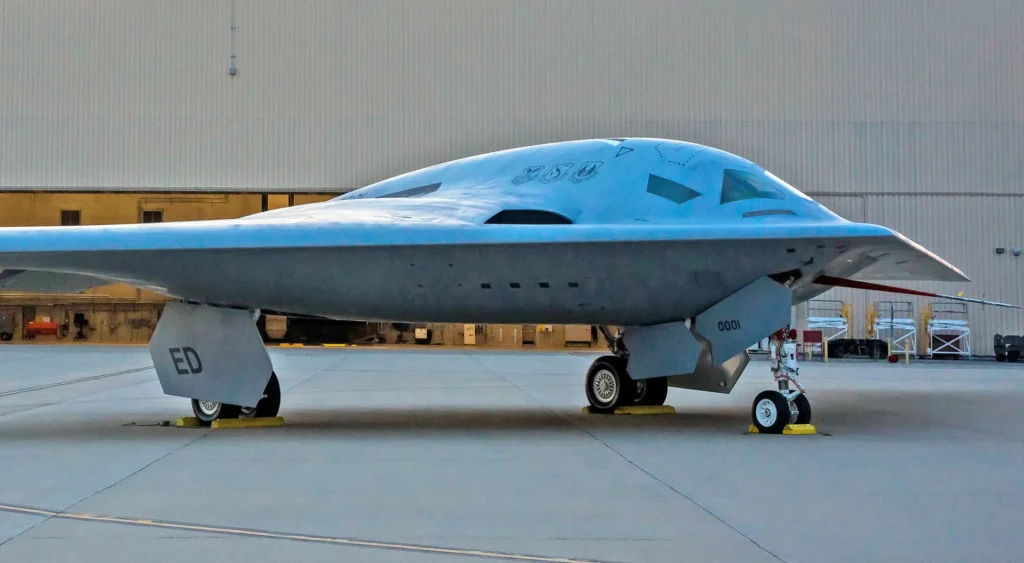
Keeping two pilots does not mean abandoning advanced technology.
Quite the opposite.
The B-21 is expected to become one of the most digitally integrated combat aircraft ever built.
Automation will allow the crew to focus less on flying and more on tactical decision-making.
In many respects, the aircraft’s computers will function as a virtual third crew member, continuously assisting the pilots throughout the mission.
What This Says About the Future of Military Aviation
The B-21 story highlights an important trend in military aviation.
Artificial intelligence and automation are dramatically reducing pilot workload.
But they have not yet reached the point where they can completely replace human judgment during the most demanding missions.
This is particularly true in strategic aviation, where mistakes could have consequences on a global scale.
The Bigger Picture
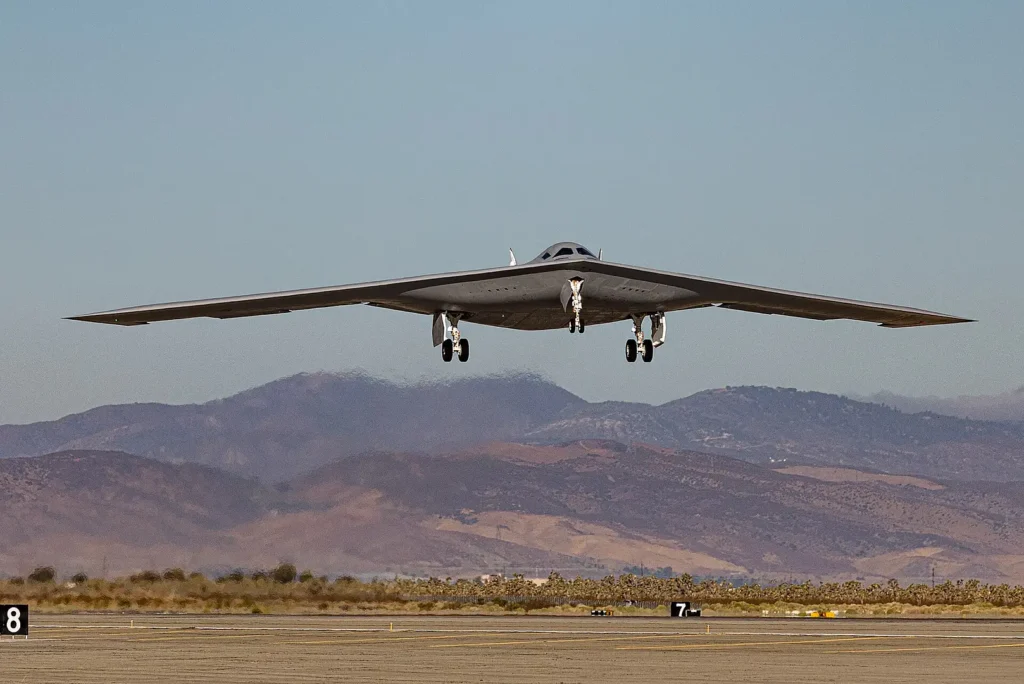
The U.S. Air Force’s decision to retain a two-pilot crew aboard the B-21 Raider demonstrates that advances in artificial intelligence do not automatically eliminate the need for human operators.
In fact, as aircraft become more sophisticated and missions grow increasingly complex, the value of human experience, teamwork, and independent decision-making becomes even greater.
The B-21 may become one of the world’s most automated combat aircraft, but ultimate responsibility for its missions will remain in the hands of two pilots—not algorithms.
B-21 Raider Technical Specifications
Developer: Northrop Grumman
Country: United States
Type: Next-generation stealth strategic bomber
Crew: 2 pilots
Primary Missions:
- Nuclear deterrence;
- Conventional long-range strike;
- Penetration of advanced air-defense networks;
- Strategic global operations.
Planned Weapons:
- B61 nuclear gravity bombs;
- AGM-181 Long-Range Stand Off (LRSO) cruise missile;
- JDAM precision-guided bombs;
- AGM-158 JASSM family of cruise missiles;
- Additional future precision weapons.
Key Features:
- Next-generation stealth technology;
- Open digital architecture;
- Advanced flight automation;
- Network-centric combat integration;
- Designed for continuous software and capability upgrades.






