
Dark Eagle: Why the U.S. Army’s Most Expensive Hypersonic Missile Still Isn’t Operational After Five Years

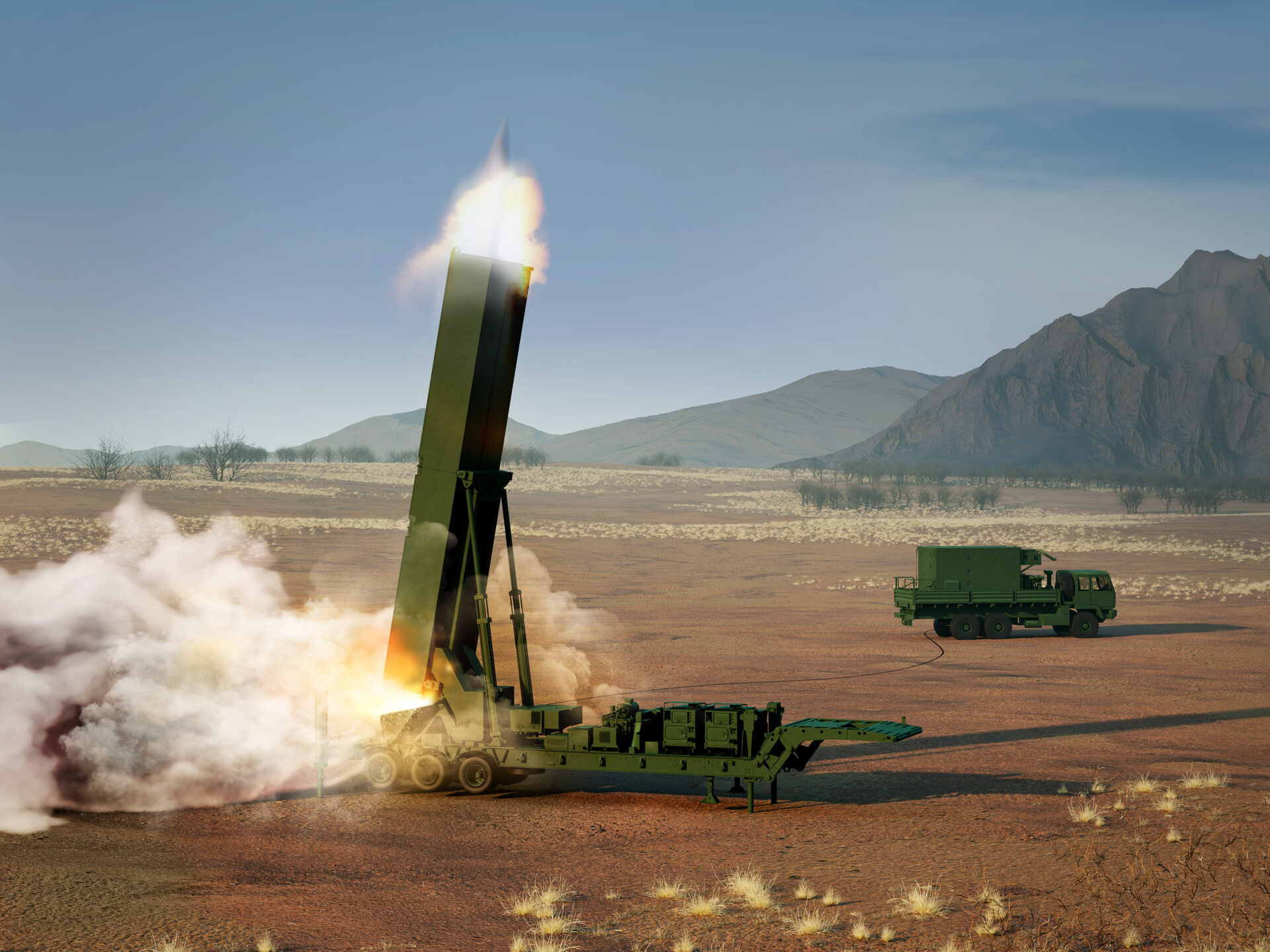
Hypersonic weapons have become one of the defining technologies of the modern arms race. Russia, China, the United States, and several other countries are investing billions of dollars in missiles capable of flying at speeds exceeding Mach 5 while maneuvering to evade modern missile defense systems.
America’s answer to this competition was supposed to be Dark Eagle, officially designated the Long-Range Hypersonic Weapon (LRHW).
Instead, the program has become an example of how difficult it is to transform cutting-edge technology into an operational weapons system.
Although the U.S. Army received its first launchers back in 2021, the system has yet to achieve full operational deployment. According to the latest report from the U.S. Government Accountability Office (GAO), the primary obstacle is no longer flight testing but production itself, with new manufacturing delays continuing to slow the program.
The result is a remarkable situation: the Army already possesses launch vehicles, trained crews, and command systems—but still lacks enough missiles to field the weapon in meaningful numbers.
A New Generation of Long-Range Strike Weapons

Dark Eagle was designed to engage high-value targets at extreme distances.
Unlike conventional ballistic missiles, the system employs a two-stage solid-fuel booster that accelerates the Common Hypersonic Glide Body (C-HGB) to hypersonic speed before releasing it.
Once separated, the glide vehicle continues toward its target without propulsion, maneuvering throughout flight while maintaining speeds greater than Mach 5.
Officially, the system has a range exceeding 2,700 kilometers, while some estimates place its maximum reach at approximately 3,500 kilometers.
This allows it to strike strategic targets far behind enemy lines while remaining beyond the reach of many existing air-defense systems.
For the U.S. Army, Dark Eagle is expected to become a cornerstone of its future Multi-Domain Operations (MDO) doctrine.
Launchers Without Missiles
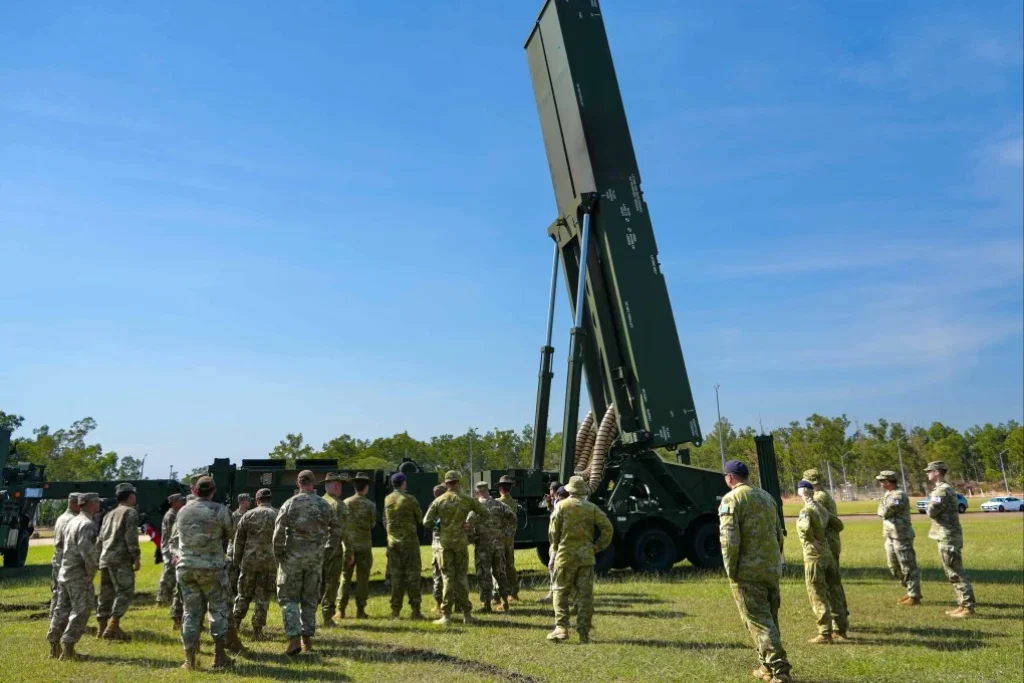
One of the most unusual aspects of the program is that the launchers entered service years before sufficient numbers of missiles became available.
In 2021, the Army’s first Dark Eagle battery received nearly all of its operational equipment, including:
- Mobile launchers;
- Battery Operations Center;
- Command-and-control systems;
- Support vehicles.
Only one critical component was missing—the missiles themselves.
As a result, Army personnel spent several years training with launch equipment that could not perform its intended combat mission.
Testing Took Longer Than Expected
Originally, the Army expected Dark Eagle to enter operational service in 2023.
That timeline quickly slipped.
Several test launches were canceled before liftoff because of technical problems, while others required extensive redesigns.
Only in 2024 did the program finally complete a fully successful end-to-end flight test.
At that point, many observers believed the most difficult phase had ended.
In reality, another challenge was just beginning.
Manufacturing Has Become the Biggest Challenge
According to the latest GAO assessment, the missile’s design is no longer the primary concern.
The major difficulty now lies in transitioning from prototype production to serial manufacturing.
Engineers discovered multiple production issues while preparing assembly lines for larger-scale output.
These problems created what officials describe as a manufacturing bottleneck.
Prime contractors have reportedly brought in outside specialists to identify weaknesses in the production process.
The report also highlights inconsistent manufacturing standards and the need to revise portions of the technical documentation before large-scale production can begin.
The situation illustrates a common reality in defense programs:
Building a working prototype is often much easier than manufacturing dozens of identical missiles every year.
An Extremely Expensive Weapon
Cost remains another major concern.
Current estimates place the price of a single Dark Eagle missile at approximately $41 million.
Even more striking is the expected production rate.
Current plans call for manufacturing only around 12 missiles annually.
That output is insufficient to rapidly build operational stockpiles or sustain prolonged military operations.
The Pentagon therefore faces two simultaneous challenges:
- Increase annual production;
- Prevent costs from continuing to rise.
Why These Delays Matter
Dark Eagle is not an isolated program.
The same Common Hypersonic Glide Body (C-HGB) is also being developed for the U.S. Navy’s Conventional Prompt Strike (CPS) weapon.
Consequently, every delay affecting the Army’s program also impacts future naval deployment aboard Zumwalt-class destroyers and next-generation submarines.
A manufacturing problem involving a single component therefore has consequences across multiple American hypersonic weapon programs.
Failure or the Growing Pains of New Technology?
Despite repeated delays, it would be premature to describe Dark Eagle as a failed program.
History offers numerous examples of revolutionary military technologies requiring years of refinement before entering reliable mass production.
Strategic bombers, nuclear submarines, and fifth-generation fighter aircraft all experienced lengthy development and production difficulties.
Hypersonic weapons represent one of the most technologically demanding areas of modern defense engineering.
Many specialists therefore view the current setbacks as an inevitable stage in mastering an entirely new class of weapons rather than evidence that the program itself is fundamentally flawed.
The Real Challenge
The story of Dark Eagle demonstrates an important lesson.
Designing a hypersonic missile is only half the battle.
The greater challenge is transforming a successful prototype into a weapon that industry can manufacture consistently, reliably, and in meaningful numbers.
Today, production capacity, quality control, supply chains, and industrial scalability—not missile performance—have become the greatest obstacles facing America’s hypersonic weapons program.
Until those issues are resolved, one of the U.S. Army’s most ambitious missile systems will remain more a demonstration of technological potential than a fully operational combat capability.
Dark Eagle (LRHW) Technical Specifications
Official Designation: Long-Range Hypersonic Weapon (LRHW) / Dark Eagle
Developers: Lockheed Martin, Dynetics (C-HGB), Joint U.S. Army–U.S. Navy Program
Country: United States
Type: Mobile land-based hypersonic missile system
Warhead: Common Hypersonic Glide Body (C-HGB)
Range: More than 2,700 km (estimated up to 3,500 km)
Speed: Greater than Mach 5
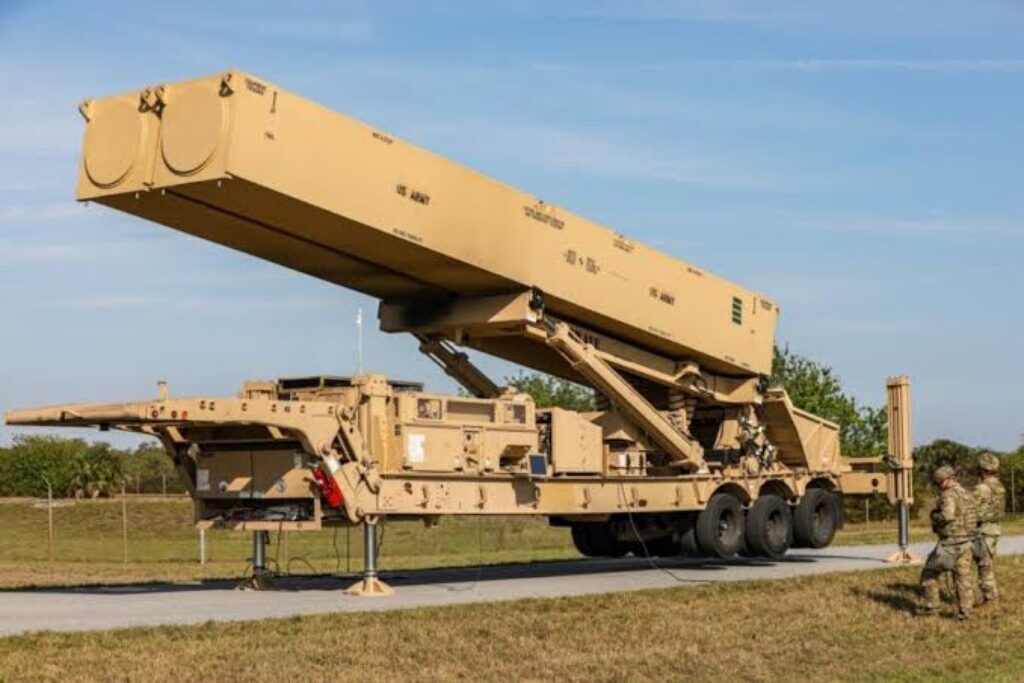
Launch Platform: Mobile transporter-erector-launcher (TEL)
Missiles per Launcher: 2
Battery Composition: Four launchers, Battery Operations Center, and support vehicles
Estimated Missile Cost: Approximately $41 million each
Planned Production Rate: Around 12 missiles per year
Primary Targets:
- Command and control centers;
- Air and missile defense systems;
- Strategic infrastructure;
- High-value, heavily defended targets at long range.






