
Could Ukraine Manufacture Patriot Missiles? Why a License Is Only the First Step

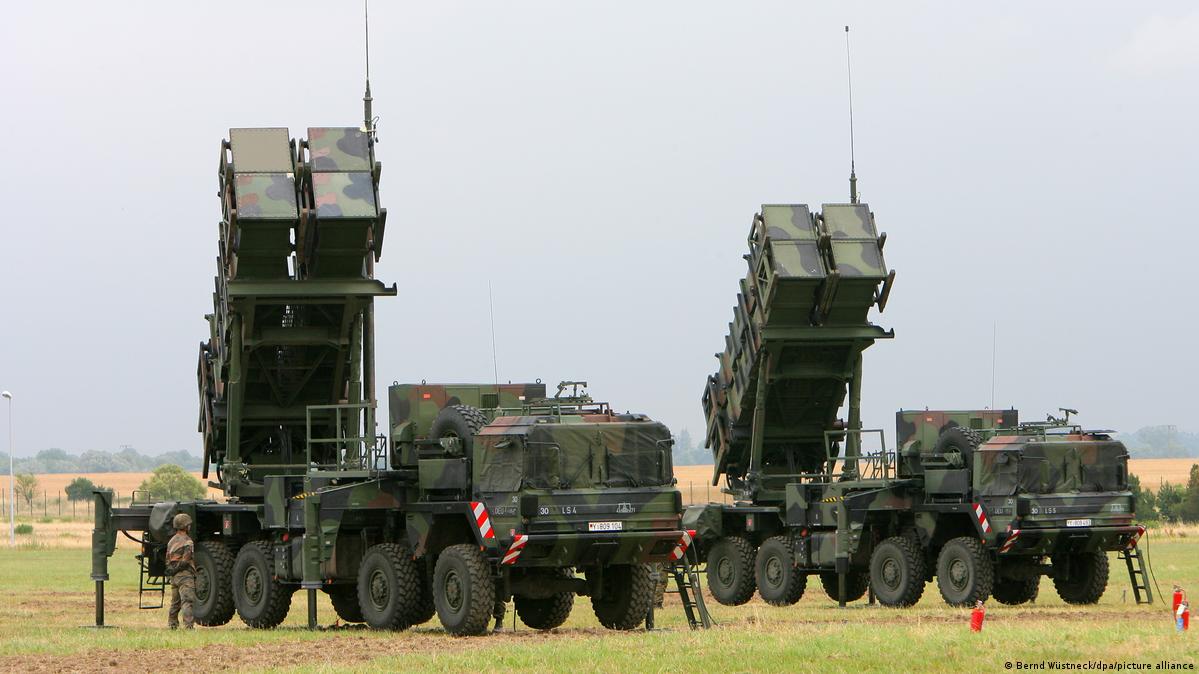
The possibility of localizing production of American Patriot air defense missiles in Ukraine has once again attracted international attention following reports that Washington is considering granting Kyiv a production license. If such a decision is made, Ukraine could become only the third country in the world authorized to manufacture missiles for one of the most advanced air and missile defense systems ever developed.
At first glance, obtaining a production license may appear to be the biggest obstacle. In reality, defense industry specialists point out that it would represent only the beginning of a much longer process. Manufacturing modern surface-to-air missiles requires far more than technical documentation—it demands an entire industrial ecosystem, including precision manufacturing, specialized equipment, certified suppliers, and a highly trained workforce.
Why Patriot Is One of the World’s Most Complex Air Defense Systems
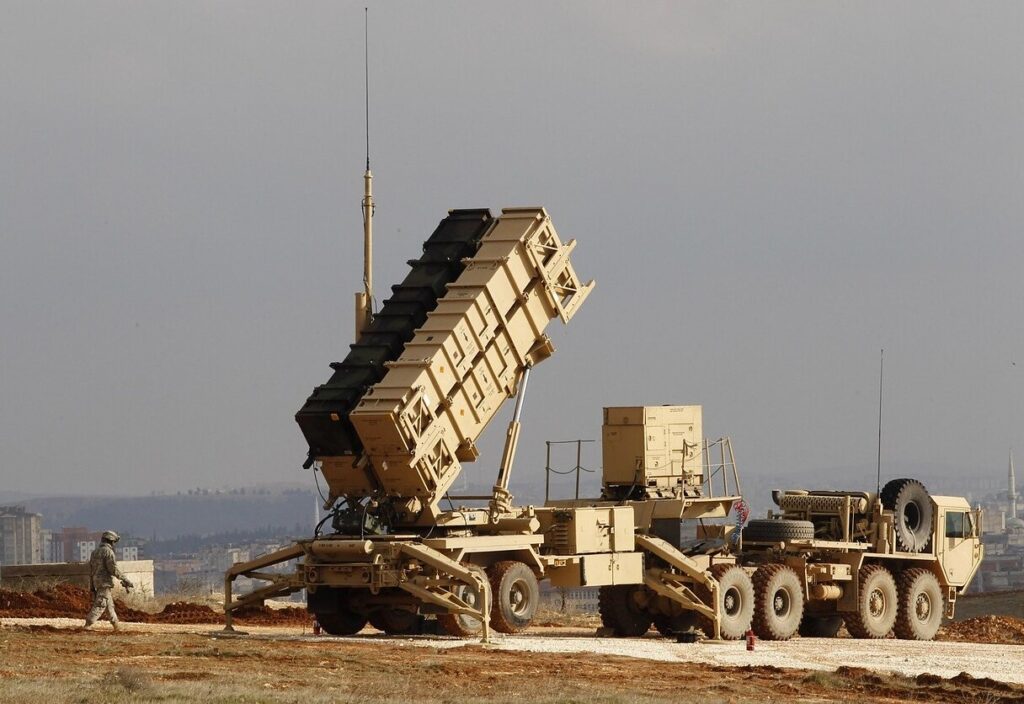
The Patriot remains one of the most technologically sophisticated air and missile defense systems in service today.
Modern PAC-3 missiles are capable of intercepting not only aircraft and cruise missiles but also ballistic missiles. Achieving this level of performance requires highly advanced guidance systems, miniature attitude-control motors, sophisticated onboard computers, and precision radar sensors.
Each interceptor consists of thousands of individual components, many of which are produced by only a small number of highly specialized manufacturers.
For that reason, only a handful of countries possess the industrial capability to manufacture such weapons.
What Does a Production License Actually Mean?
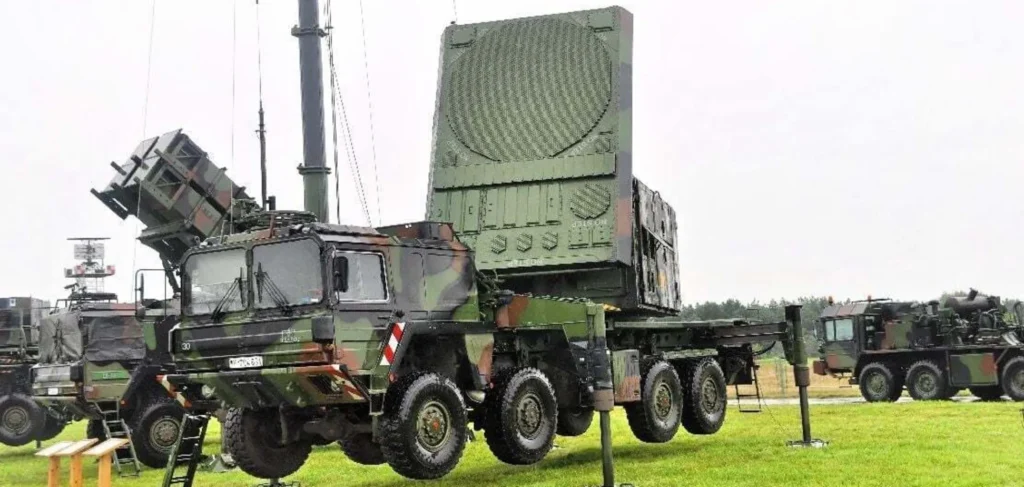
Receiving a production license does not necessarily mean gaining access to every aspect of the technology.
In most defense cooperation programs, production localization occurs gradually.
Initially, the majority of components continue to be supplied by the original manufacturer, while the partner country performs final assembly, testing, and quality assurance.
As industrial capabilities mature, additional manufacturing stages are transferred step by step.
Many NATO defense production programs have followed this same model.
Ukraine Already Has a Growing Defense Industry
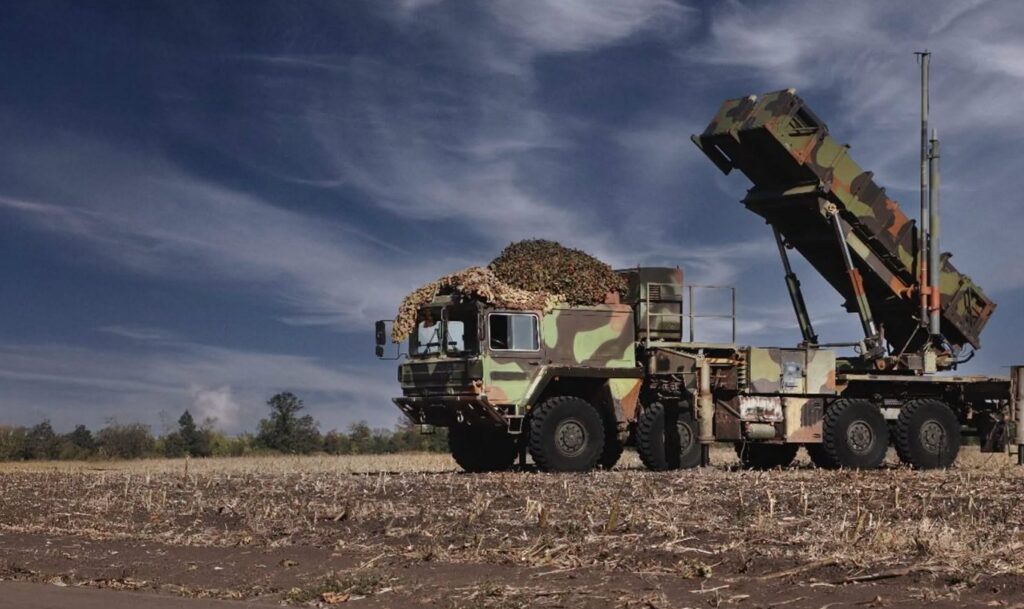
Despite the ongoing war, Ukraine has significantly expanded its defense manufacturing capabilities over the past several years.
Production of drones, ammunition, armored vehicles, and various precision weapons has increased substantially.
Ukrainian defense companies have also gained valuable experience working alongside major Western defense manufacturers.
For this reason, many analysts believe Ukraine possesses the engineering foundation necessary to eventually assemble sophisticated missile systems under license.
However, assembling missiles and manufacturing them from raw materials are two very different challenges.
The Most Difficult Part: Critical Components
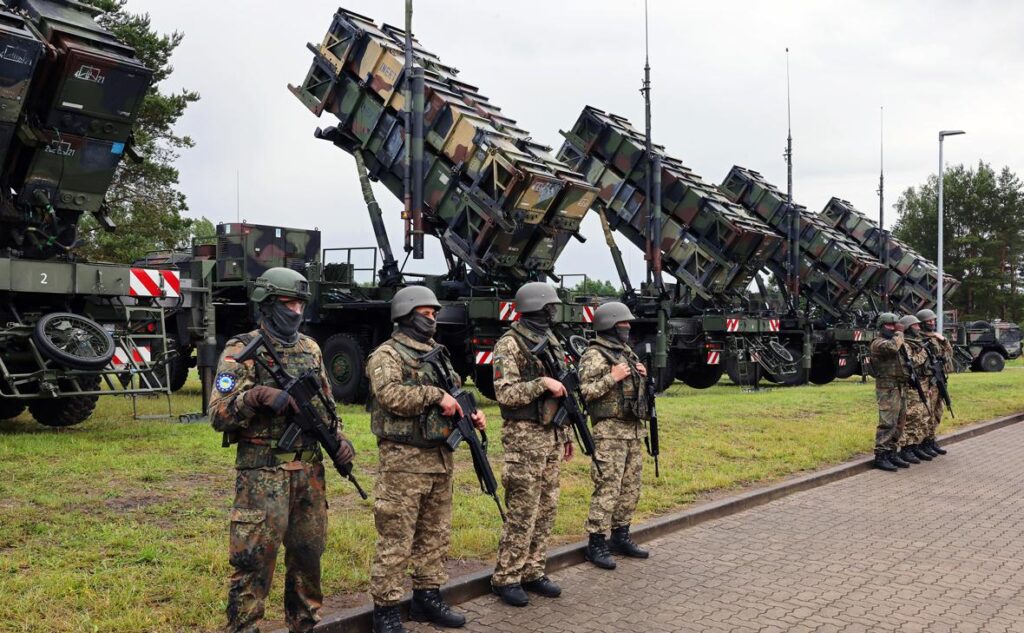
The greatest obstacle is not factory space.
The real challenge lies in access to critical technologies and components.
These include:
- Solid-fuel rocket motors;
- Radar seekers;
- Military-grade electronic components;
- Specialized microprocessors;
- Precision guidance systems;
- Fuzes and warhead assemblies.
Most of these components are manufactured by only a limited number of companies and remain subject to strict export controls.
As a result, even with a production license, many key parts would likely continue to be supplied directly from the United States for years.
How Long Would Production Take?
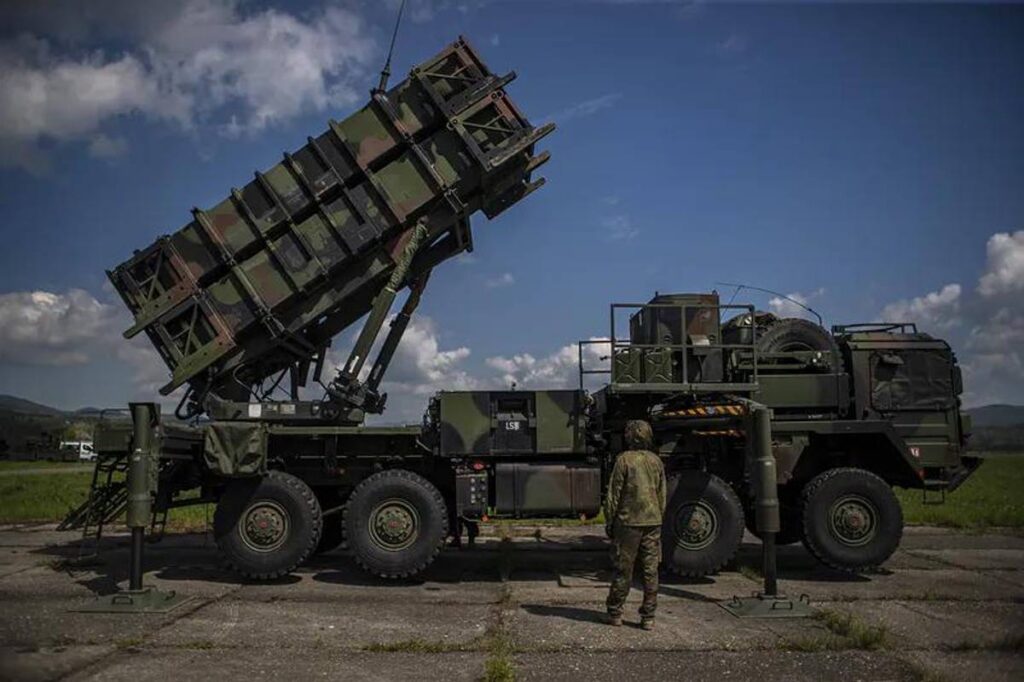
Public estimates vary widely.
Some political statements suggest that manufacturing could begin relatively quickly. Defense industry experts, however, believe that establishing meaningful production capacity would require considerably more time.
Even under favorable conditions, new production lines must be built, workers trained, quality-control procedures certified, and every stage of manufacturing validated before serial production becomes possible.
The most advanced components could take even longer to localize—assuming their production is transferred outside the United States at all.
Why This Matters Beyond Ukraine
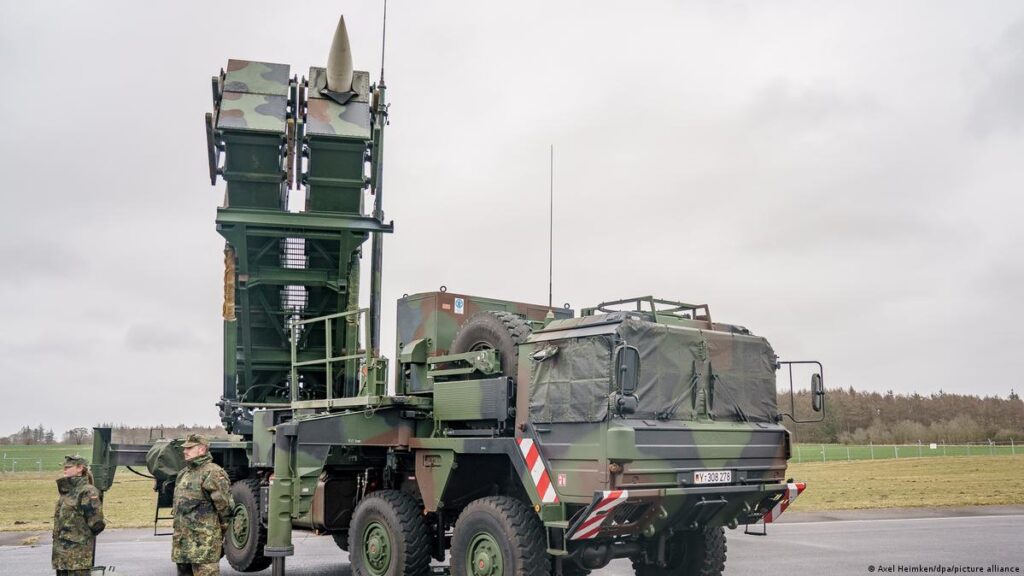
The growing interest in expanding Patriot production is not driven solely by Ukraine’s requirements.
Demand for Patriot missiles currently exceeds the manufacturing capacity of the United States.
Washington is simultaneously replenishing its own inventories, fulfilling export contracts, and supporting allied nations.
As a result, the United States has already begun discussing expanded industrial cooperation with European partners, including additional manufacturing and maintenance facilities.
In that broader context, Ukrainian production could eventually become part of a wider multinational supply chain.
Manufacturing Is Only Part of the Picture
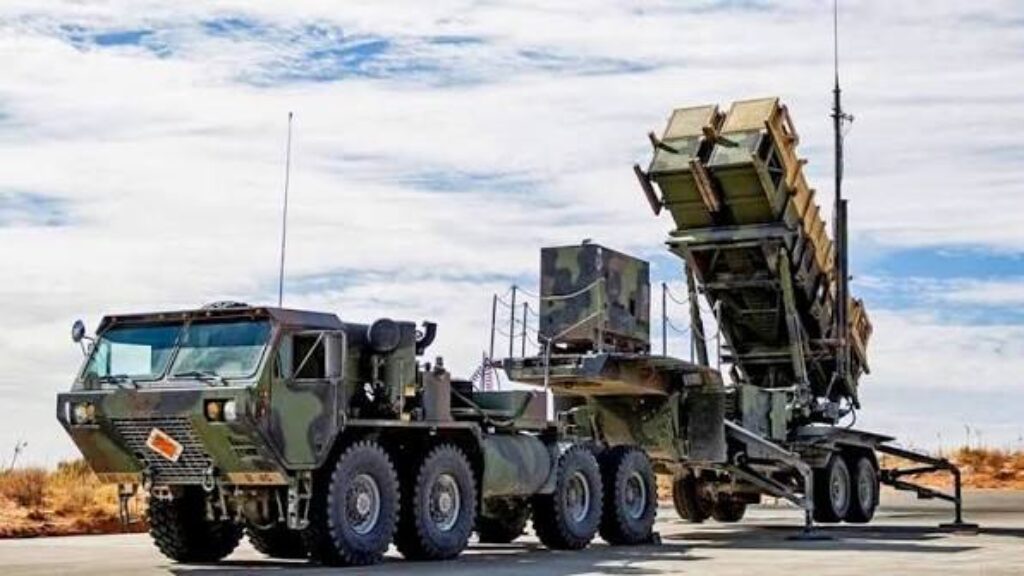
Even before full missile production becomes possible, local industrial capability would provide significant advantages.
Maintenance, diagnostics, repairs, component replacement, and system testing could all be performed within Ukraine.
This would shorten logistics chains and allow Patriot systems to return to operational service more quickly.
Many NATO members already rely on similar maintenance arrangements for advanced military equipment.
What Domestic Production Would Change
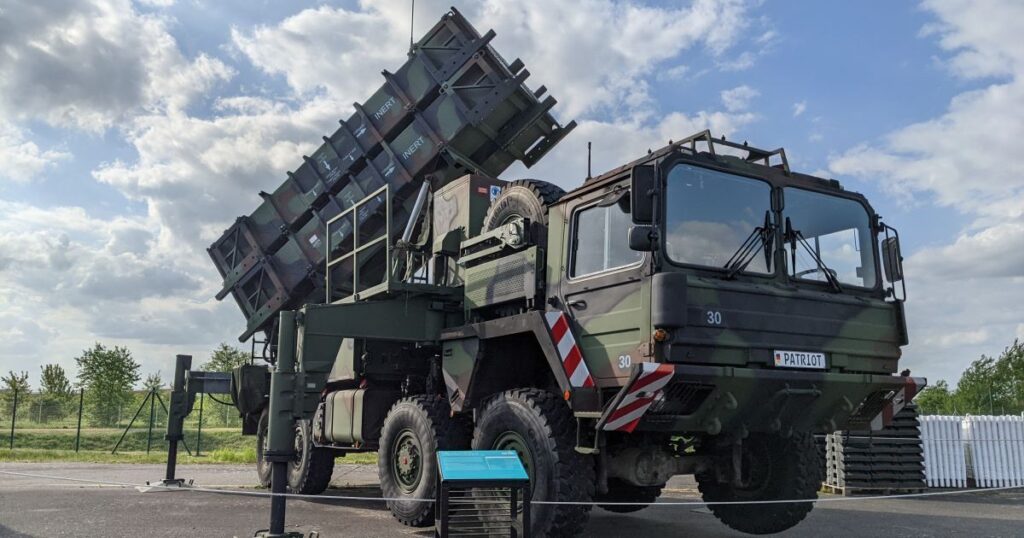
If Ukraine eventually receives a production license and gradually masters at least part of Patriot missile manufacturing, it would represent one of the most significant international defense-industrial cooperation projects of recent years.
Nevertheless, expectations should remain realistic.
Producing one of the world’s most advanced interceptor missiles is among the most demanding tasks in modern defense manufacturing.
Even under the most optimistic scenario, full localization would almost certainly require many years of gradual industrial development.
A Broader Transformation
The possibility of Patriot production in Ukraine is important for reasons that extend far beyond a single weapons program.
It reflects a broader shift taking place across the global defense industry—from centralized manufacturing toward distributed international production networks.
As demand for advanced air defense systems continues to grow, even the world’s largest defense manufacturers are finding it increasingly difficult to satisfy allied requirements on their own.
For that reason, licensed production and multinational industrial partnerships are likely to become an increasingly important part of the future defense landscape.






