Just a few years ago, it seemed that the era of Somali piracy had finally come to an end. International naval operations, armed security teams aboard merchant vessels, and stricter maritime security measures had reduced successful hijackings to a minimum.
But in 2026, the situation began to change rapidly.
According to international maritime security organizations, attacks on commercial shipping off the coast of Somalia and in the Gulf of Aden have increased significantly. Attempts to hijack merchant vessels are becoming more frequent, and several attacks have already resulted in successful seizures. Analysts note that piracy activity has reached its highest level in years.
What is driving this resurgence, and why is a threat many believed had been defeated returning once again?
When Piracy Nearly Disappeared
In the late 2000s, Somali pirates became one of the greatest threats to global maritime trade.
Armed groups hijacked oil tankers, container ships, and bulk carriers, often holding crews hostage for months while demanding multi-million-dollar ransoms.
In response, the international community launched one of the largest anti-piracy efforts in modern history.
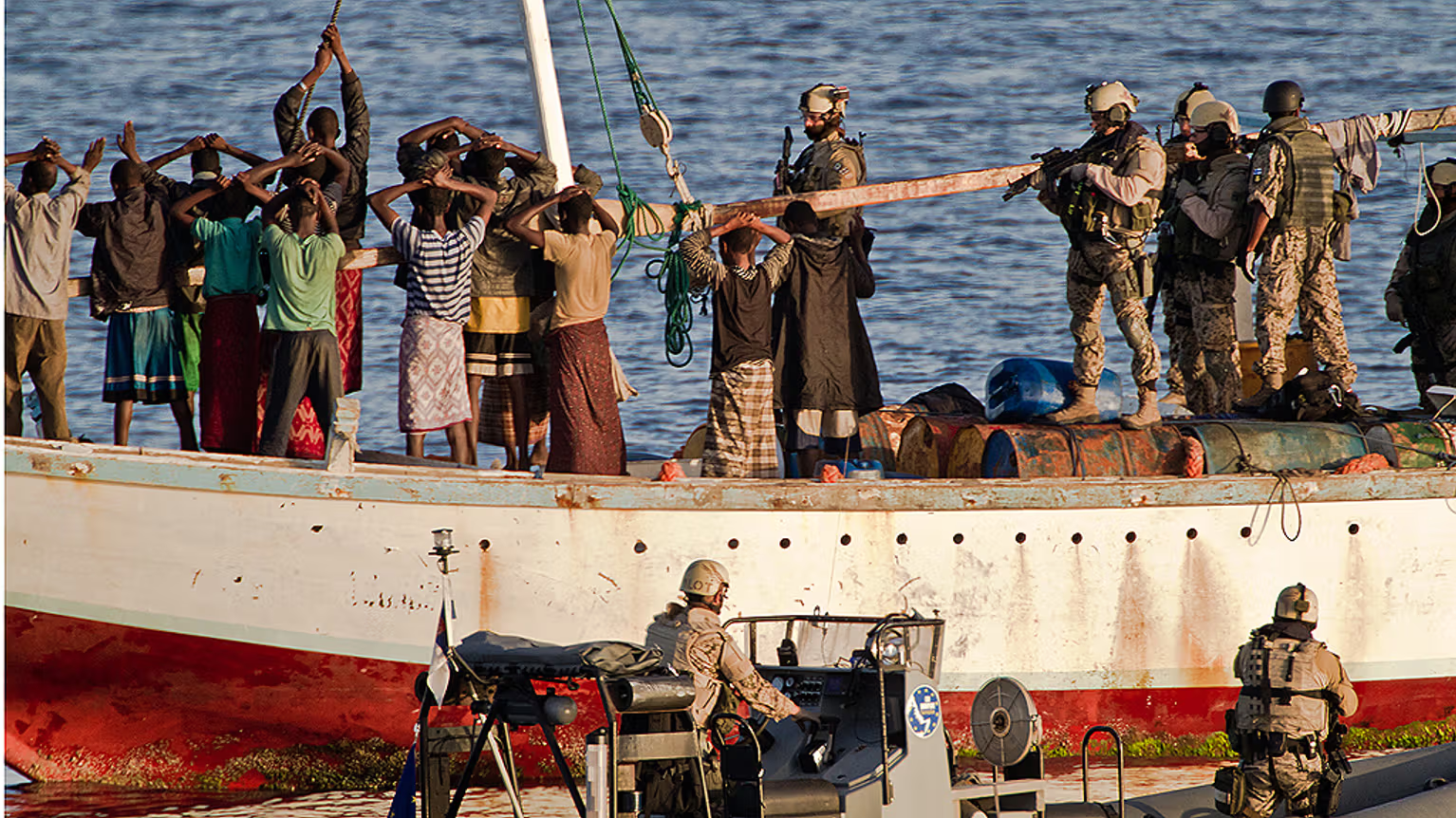
Naval forces from NATO, the European Union, the United States, China, India, Japan, and several other countries began patrolling the region. At the same time, shipping companies hired armed security teams, reinforced vessel protection, and adjusted shipping routes.
By the mid-2010s, successful pirate attacks had become extremely rare. International organizations even downgraded the high-risk status of waters off Somalia.
Why Pirates Have Returned

The primary reason appears to be the changing security situation across the wider region.
As military attention shifted toward protecting shipping from Houthi attacks in the Red Sea, a significant portion of international naval forces was redeployed away from the western Indian Ocean and the Somali coast.
Pirate groups quickly exploited the resulting security gap.
Since the spring of 2026, maritime security organizations have reported several successful hijackings as well as a noticeable increase in suspicious pirate activity.
How Modern Somali Pirates Operate
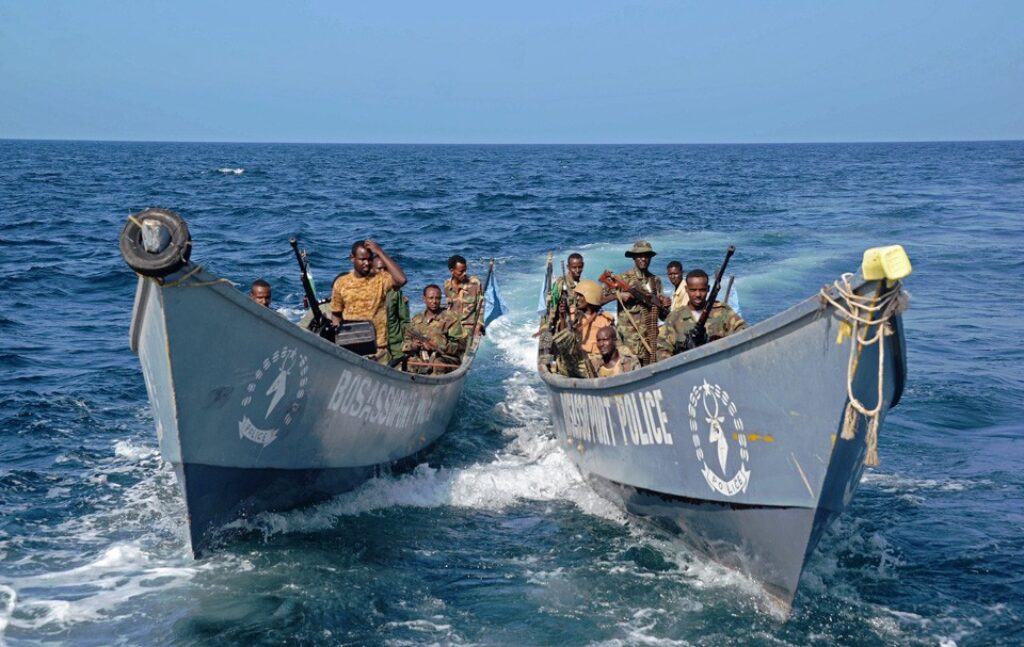
Despite the passage of time, pirate tactics have changed very little.
Small, high-speed boats approach commercial vessels while armed attackers attempt to board using ladders and climbing equipment.
Increasingly, pirates are also employing so-called “mother ships”—previously captured fishing vessels or commercial boats.
These larger vessels enable pirate groups to operate much farther from Somalia’s coastline, dramatically extending their reach across the Indian Ocean.
Once a ship is captured, it is typically taken to the Somali coast, where ransom negotiations begin.
Why Global Shipping Is Once Again at Risk

Modern global trade remains highly vulnerable to maritime piracy.
Even a small number of successful hijackings can significantly increase insurance costs, force shipping companies to alter routes, and raise transportation expenses worldwide.
Many commercial operators are already avoiding the Red Sea because of security threats near the Bab el-Mandeb Strait.
If piracy simultaneously becomes more dangerous off Somalia, the number of safe maritime routes shrinks even further.
The result is longer delivery times, higher transportation costs, and additional pressure on global supply chains.
How the International Community Is Responding

Naval forces from several countries have already increased surveillance in the region.
Organizations such as the United Kingdom Maritime Trade Operations (UKMTO), the International Maritime Bureau (IMB), and private maritime security companies continue issuing frequent warnings to commercial shipping.
Ship operators are advised to maintain maximum speed while transiting high-risk areas, strengthen onboard security measures, and immediately report any suspicious activity.
However, maritime security experts acknowledge that without a sustained multinational naval presence, it is extremely difficult to eliminate the threat completely.
The Root Causes Never Disappeared

Although international anti-piracy operations achieved remarkable success, the underlying causes of Somali piracy remain largely unchanged.
Weak government institutions, widespread poverty in coastal communities, limited economic opportunities, and ongoing political instability continue to create an environment where pirate organizations can quickly rebuild their operations.
Years of relative calm therefore never meant the problem had truly been solved.
The Return of an Old Threat
Somali piracy once forced major changes in global shipping practices.
Today’s situation is still far less severe than the crisis experienced in the early 2010s, but the current trend is generating growing concern throughout the maritime industry.
The increase in attacks demonstrates that maritime security remains fragile and heavily dependent on the continuous presence of international naval forces.
Recent events serve as a reminder that even after years of relative stability, old threats can return far more quickly than expected.
A Changing Security Landscape
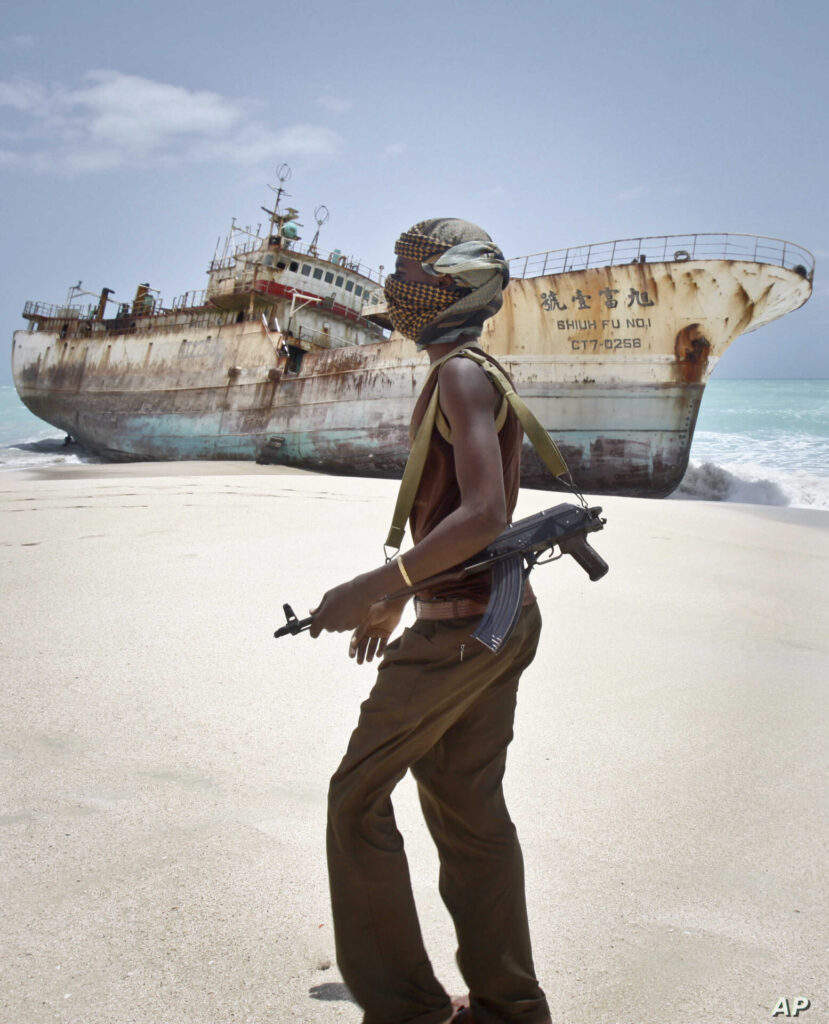
In this photo taken Sunday, Sept. 23, 2012, masked Somali pirate Abdi Ali walks past a Taiwanese fishing vessel that washed up on shore after the pirates were paid a ransom and released the crew, in the once-bustling pirate den of Hobyo, Somalia. The empty whisky bottles and overturned, sand-filled skiffs that litter this shoreline are signs that the heyday of Somali piracy may be over – most of the prostitutes are gone, the luxury cars repossessed, and pirates talk more about catching lobsters than seizing cargo ships. (AP Photo/Farah Abdi Warsameh)
The resurgence of Somali piracy appears to be driven less by the growing strength of pirate organizations than by broader geopolitical developments.
As major naval powers focus their attention on other regional crises, criminal groups have once again found room to operate with increasing freedom.
For many analysts, the current rise in piracy is therefore not merely a temporary spike but potentially the beginning of a new long-term challenge for global maritime commerce.