
Only the Chassis Remains from the Strela-10: Ukraine Unveils the New RYF Air Defense System

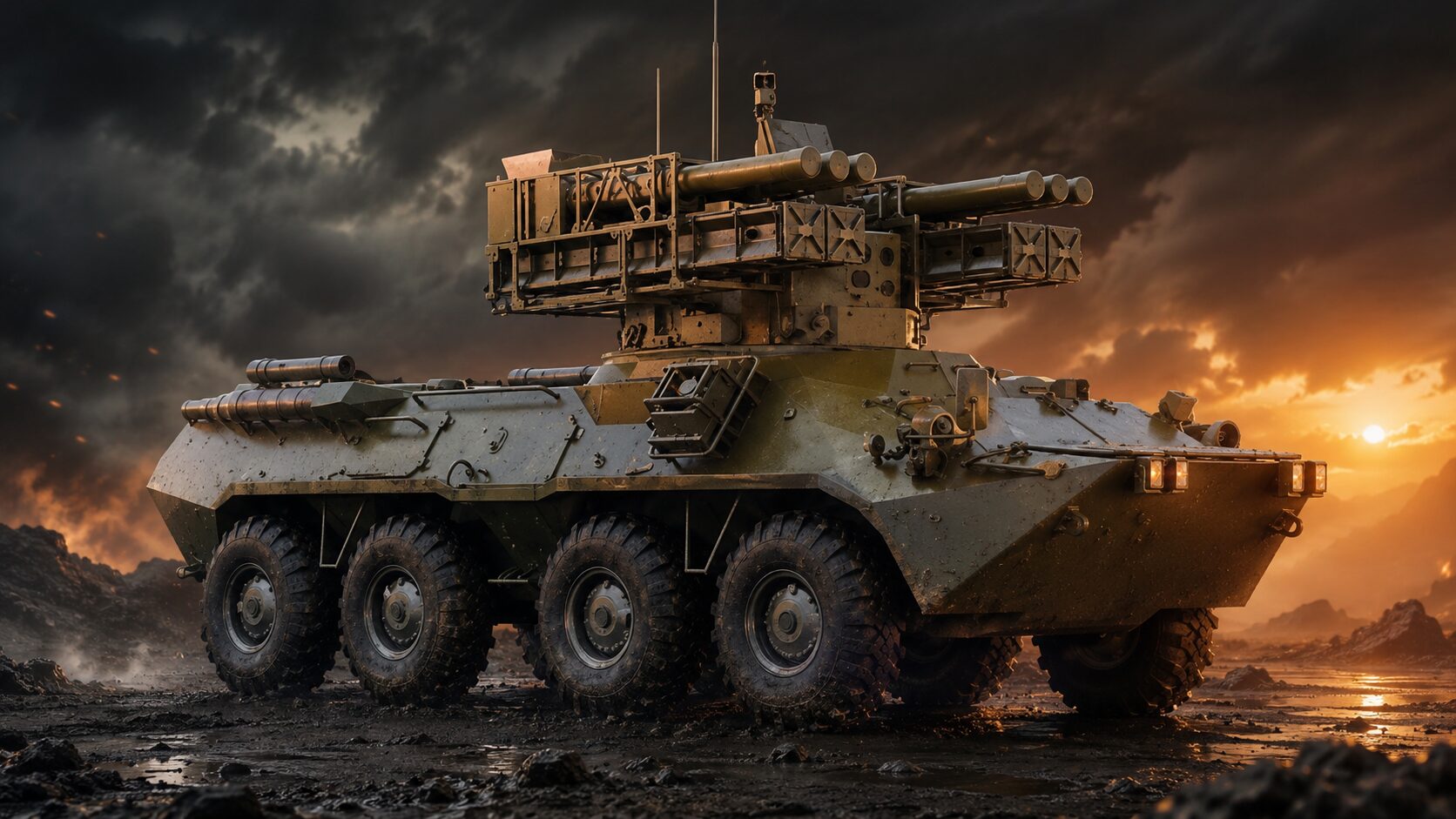
Modern warfare increasingly proves that developing an entirely new weapon system is not always the most effective solution. In many cases, upgrading a proven platform with modern electronics and new weapons can produce an entirely new combat capability. That appears to be the approach Ukrainian engineers have taken with the RYF short-range air defense system, which was officially revealed for the first time in the summer of 2026.
At first glance, the vehicle is immediately recognizable as a descendant of the Soviet Strela-10. In reality, however, the resemblance is largely superficial. Beneath the familiar silhouette lies a modern short-range air defense system equipped with Ukrainian-designed RK-10 missiles and optimized primarily to counter unmanned aerial vehicles.
Perhaps the most notable aspect of the program is that the system is no longer an experimental prototype. According to its operators, RYF has been performing combat missions since January 2026, protecting Ukrainian airspace from aerial threats. Its existence remained largely undisclosed until Ukrainian television released footage of the system operating with a Marine Corps air defense unit.
Giving a Soviet Platform a Second Life
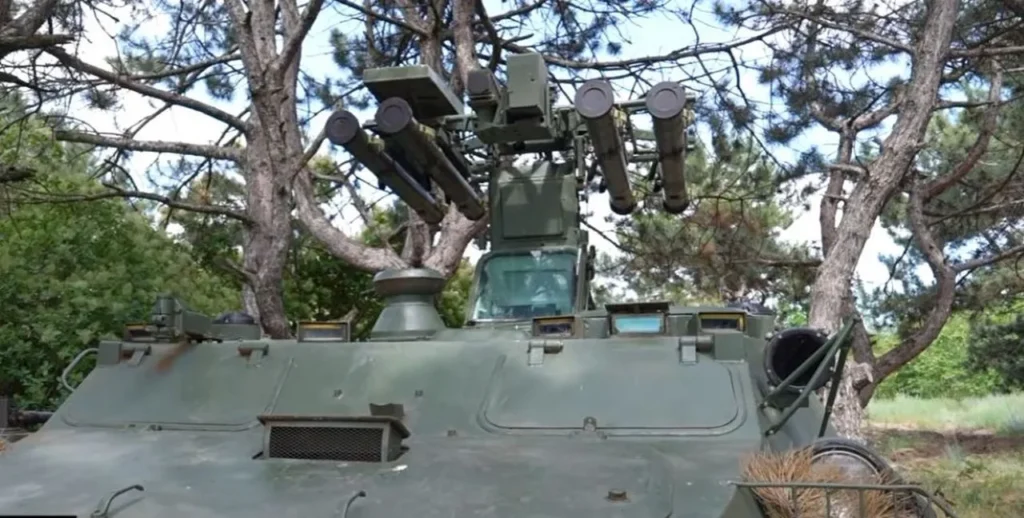
Although the RYF strongly resembles the Strela-10 externally, describing it as merely an upgraded Soviet system would be misleading.
Developers retained the proven MT-LB tracked chassis, the launcher’s mechanical traverse mechanism, and several structural components. Virtually everything else—including the fire-control system, electronics, communications equipment, and missile armament—has been replaced.
This philosophy has become increasingly common across modern armed forces. Designing an entirely new air defense platform requires years of development and enormous financial resources. By contrast, upgrading an existing chassis significantly shortens production time while simplifying maintenance and logistics.
As a result, a vehicle originally designed decades ago now serves as the foundation for a modern battlefield air defense system with capabilities well beyond those of its Soviet predecessor.
A Missile That Changed Its Mission
The centerpiece of the new system is the RK-10 guided missile, developed by Ukraine’s Luch Design Bureau.
The missile was originally conceived as a versatile precision weapon for engaging armored vehicles, fortified positions, and small naval targets. Its modular design, however, made it suitable for further development into a dedicated surface-to-air missile.
To engage airborne targets effectively, engineers substantially redesigned the missile. The air-defense version employs a canard aerodynamic configuration, improving maneuverability during interceptions. It also features a more powerful propulsion system and a completely new guidance package optimized for engaging fast-moving aerial targets.
Although it shares its origins with the original RK-10 project, the air-defense missile is, in practical terms, an entirely different weapon.
Built for the Drone Era
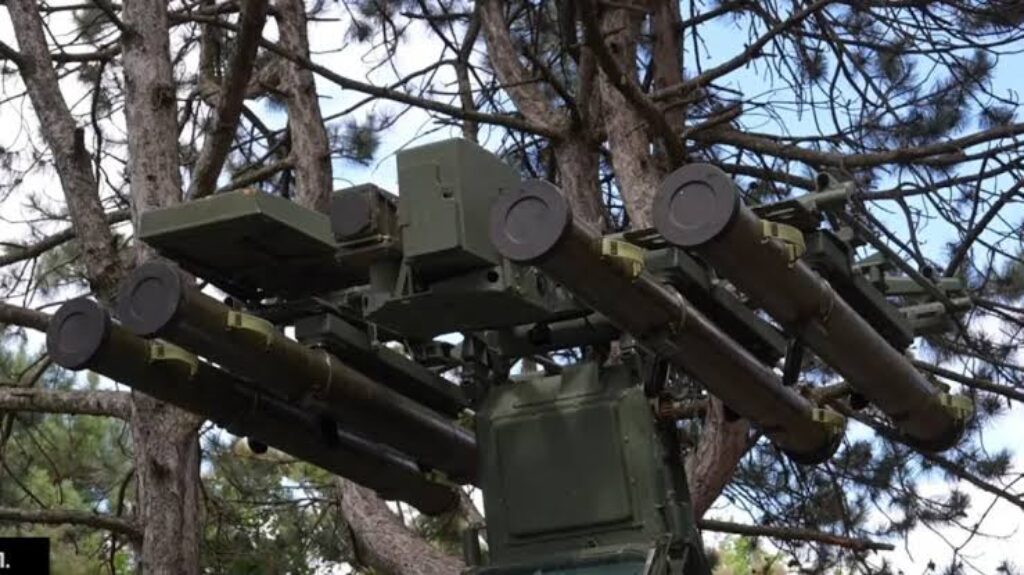
According to Ukrainian military personnel, the RYF’s primary mission today is the interception of unmanned aerial vehicles.
This reflects one of the defining trends in modern air defense. Employing expensive long-range surface-to-air missiles against relatively inexpensive drones is economically inefficient. As a result, militaries are increasingly building layered air-defense networks, with each system designed to counter specific categories of aerial threats.
The RYF occupies the short-range layer of that network. It is intended to engage drones, helicopters, low-flying aircraft, and other aerial targets threatening frontline units or critical infrastructure.
Retaining the familiar MT-LB chassis also simplifies maintenance, logistics, and crew training while allowing damaged vehicles to be repaired quickly using existing support infrastructure.
Why Programs Like This Are Becoming More Common
The emergence of the RYF reflects a broader trend visible across military modernization programs worldwide.
Instead of replacing every legacy vehicle with an entirely new design, many countries are transforming existing armored platforms into carriers for modern weapons, sensors, and digital fire-control systems.
This approach dramatically reduces development costs, accelerates production, and allows militaries to make effective use of large inventories of existing armored vehicles.
The RYF is another example of this philosophy in action—a modern combat system built upon a platform that has already proven its reliability over decades of service.
Technical Specifications
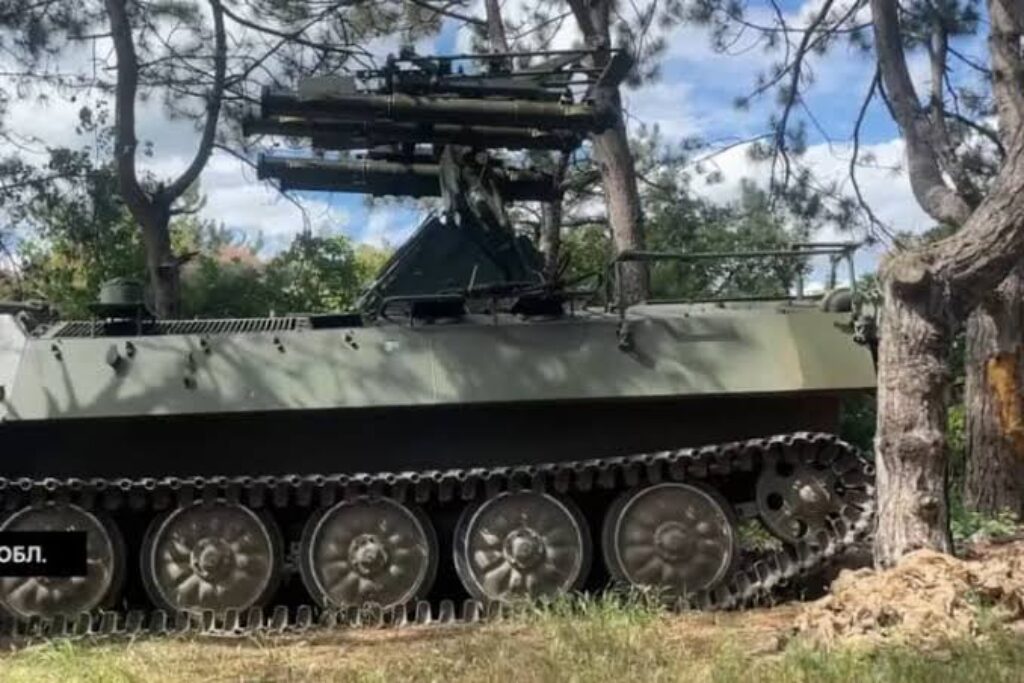
Base platform: MT-LB tracked chassis utilizing elements of the Strela-10 system
Type: Short-range surface-to-air missile system
Primary armament: RK-10 guided missiles
Fire-control system: Fully digital next-generation system
Primary targets: UAVs, helicopters, low-flying aircraft, and other aerial threats
Operational status: According to Ukrainian sources, in active service since January 2026
Conclusion
The RYF demonstrates that Soviet-era military platforms still possess significant modernization potential. By combining a proven tracked chassis with modern electronics and newly developed missiles, Ukrainian engineers have created a short-range air defense system specifically adapted to the realities of contemporary warfare, where drones have become one of the most widespread threats on the battlefield.
Only continued operational use will determine the system’s long-term effectiveness. Nevertheless, the RYF already illustrates how legacy armored vehicles can receive a second life through modern technology while retaining the durability and practicality of their original design.






