
Neptune-2: What Could Ukraine’s New Cruise Missile Become with MBDA’s Involvement?

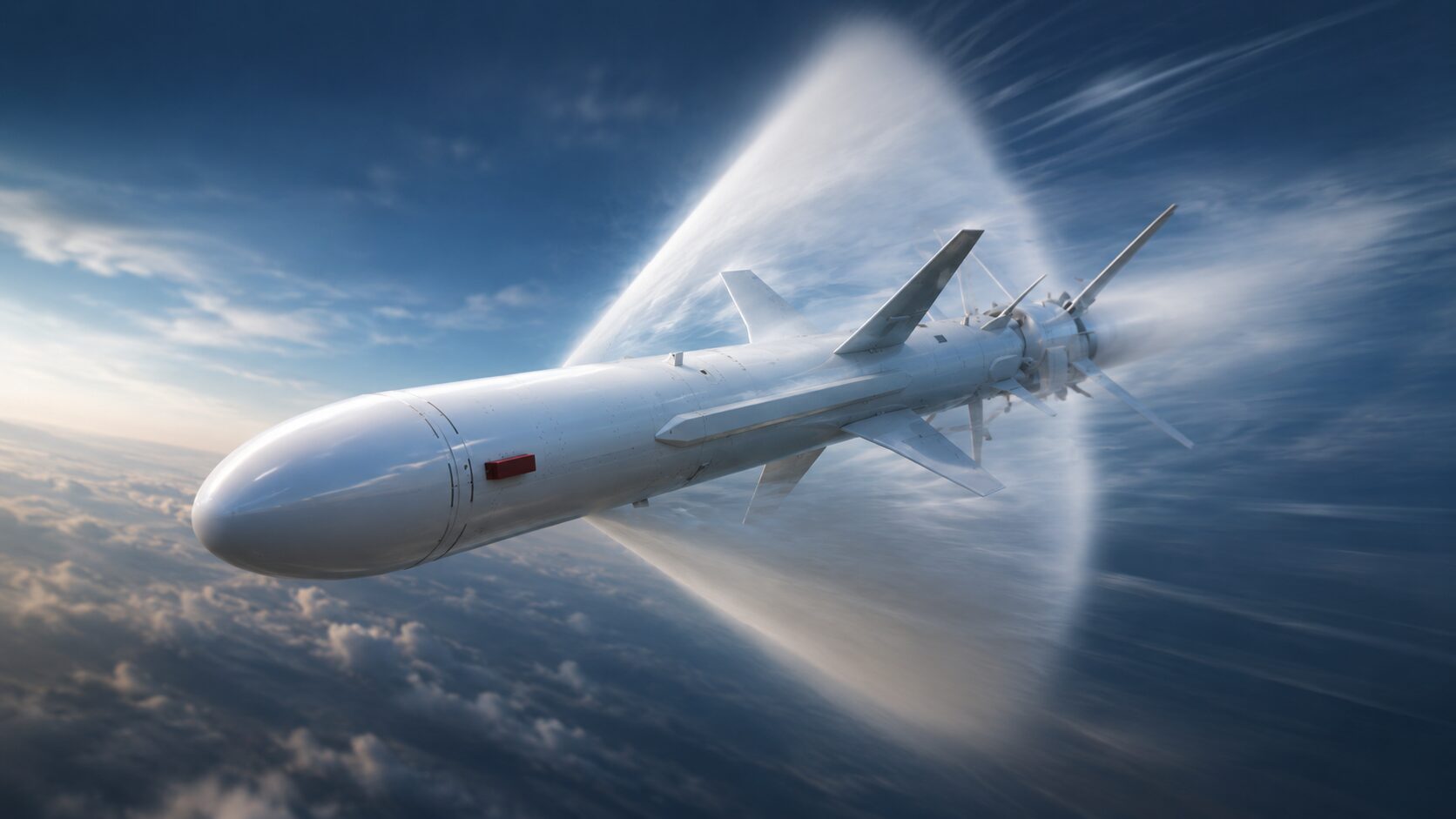
Ukraine’s Neptune missile has long outgrown its original role as a purely anti-ship weapon. It was this missile that entered military history after the sinking of the Russian cruiser Moskva, and it later evolved into a long-range strike system capable of engaging land targets. Now, the project may be entering an entirely new phase.
At Eurosatory 2026, it was announced that Ukraine’s Luch Design Bureau and the European missile giant MBDA had signed a memorandum of cooperation. The two sides declared their intention to jointly develop the Neptune-2 project, introducing new technologies and capabilities in the field of long-range precision strike weapons. So far, however, very few technical details have been disclosed.
Even with the limited information available, it is possible to explore what Neptune-2 might become—and what technologies one of Europe’s largest missile manufacturers could bring to the program.
From Ship Killer to Strategic Strike Weapon
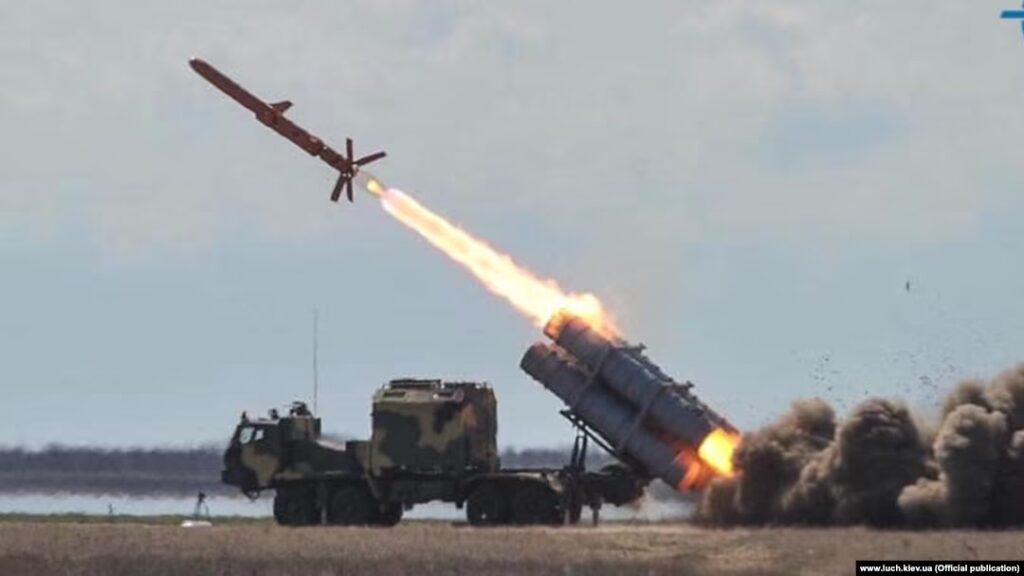
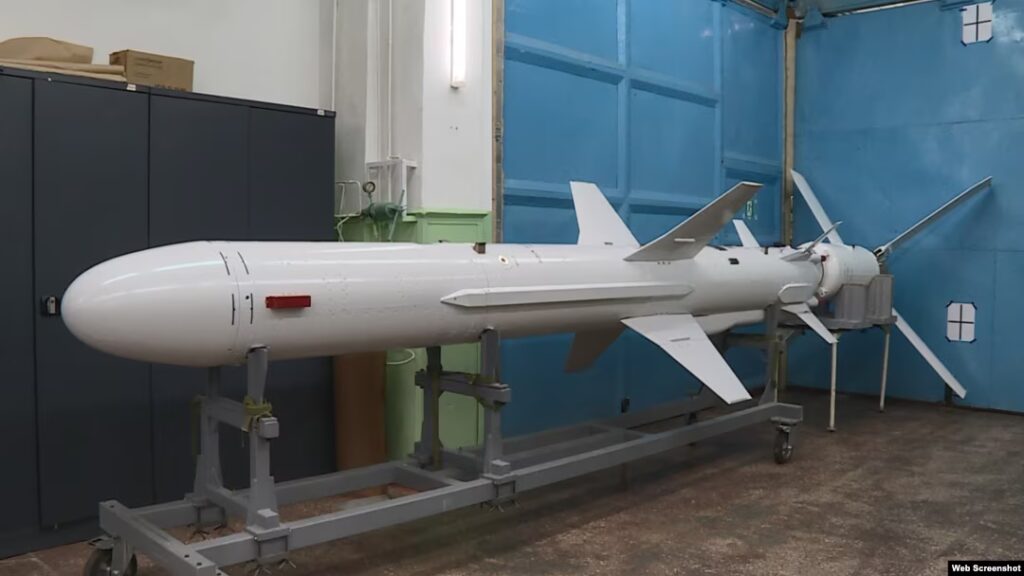
When Ukraine began developing the R-360 Neptune in the mid-2010s, its primary mission was maritime warfare.
The missile was conceptually derived from the Soviet Kh-35, but Ukrainian engineers significantly redesigned the electronics, guidance systems, and range. The result was a modern anti-ship missile system that entered service in 2021.
Combat experience quickly revealed the platform’s broader potential.
Following its successful use against naval targets, work began on a land-attack variant. By 2023, reports emerged about the development of a “Long Neptune,” and by 2025 the Neptune-D version had been officially confirmed, featuring a range of approximately 1,000 kilometers and a larger 260-kilogram warhead.
In effect, Ukraine had acquired its own indigenous long-range land-attack cruise missile.
But this is where the story of Neptune-2 begins.
What MBDA Could Bring to the Program
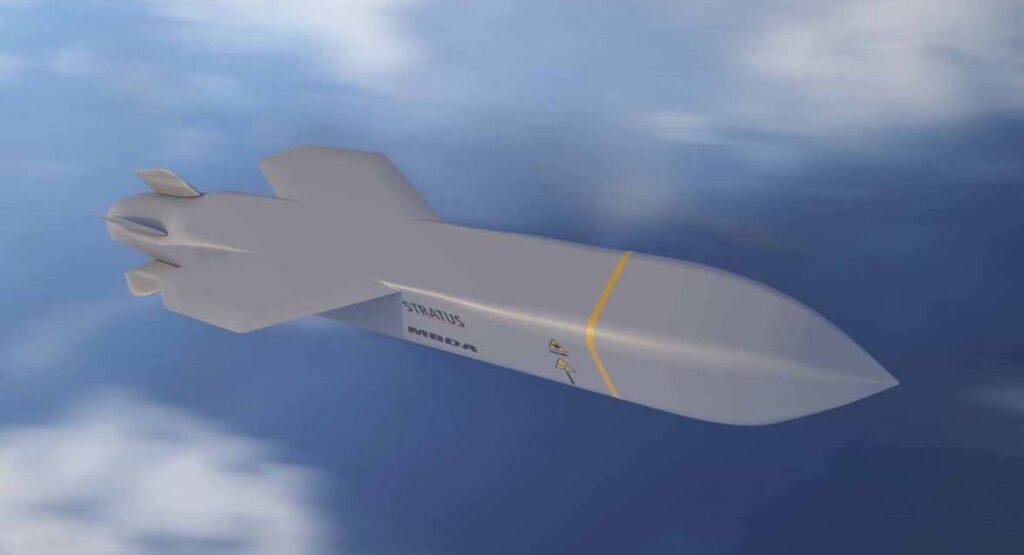
MBDA is not simply another European defense contractor.
The company is responsible for some of the most sophisticated missile systems in service today, including Storm Shadow/SCALP, MdCN, and several next-generation deep-strike projects. MBDA has extensive experience in the development of long-range precision weapons featuring advanced navigation systems, low observability characteristics, and strong resistance to electronic warfare.
The memorandum specifically references the future development of Neptune-2 in the area of Deep Strike capabilities—long-range precision attacks against high-value strategic targets.
That wording alone provides important clues about the missile’s future.
If the current long-range Neptune remains largely an evolution of the original anti-ship missile, Neptune-2 could become an entirely new weapon system that merely inherits some of the technological foundations of its predecessor.
A New Navigation System for an Electronic Warfare Battlefield
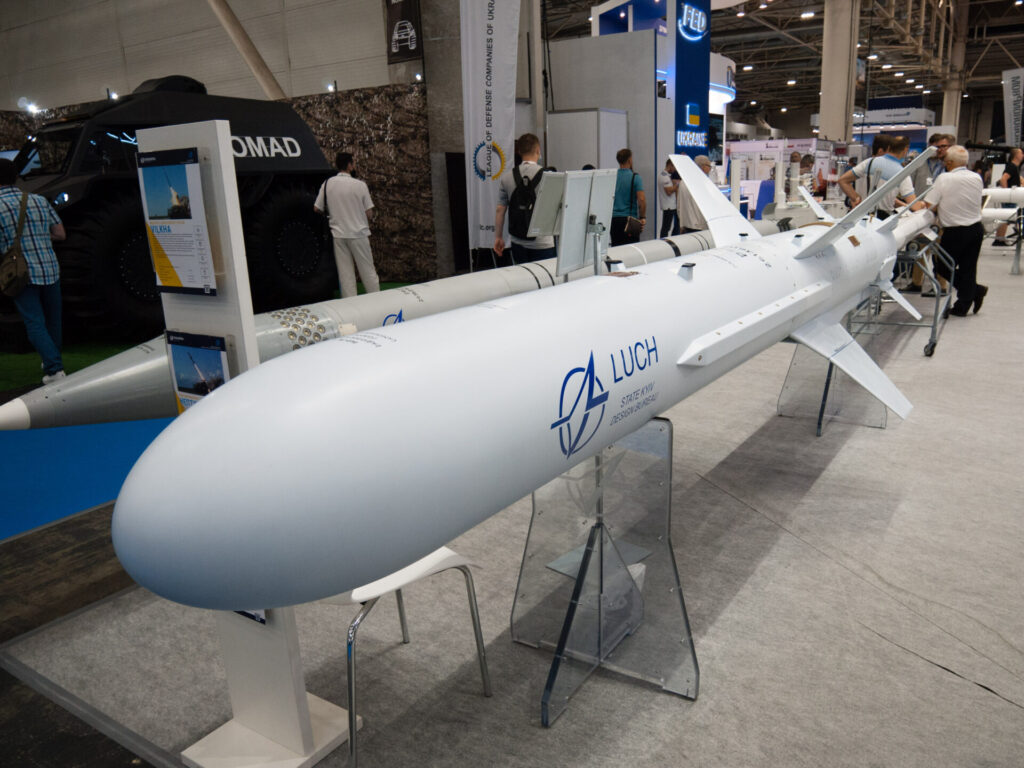
One of the most likely areas of improvement is the guidance package.
Modern warfare has demonstrated that satellite navigation signals are increasingly vulnerable to jamming and spoofing. As a result, advanced cruise missiles now rely on multiple navigation methods simultaneously.
Current MBDA designs combine inertial navigation systems, satellite guidance, terrain-referencing technologies, infrared sensors, and optical target-recognition systems. Such layered guidance architectures allow missiles to maintain a high level of accuracy even in heavily contested electromagnetic environments.
Should even a portion of these technologies be integrated into Neptune-2, the missile’s resistance to modern electronic warfare systems could increase dramatically.
The Possibility of Reduced Observability
Another area attracting considerable attention is stealth.
The original Neptune was designed primarily as an anti-ship missile and was never intended to meet comprehensive low-observability requirements. Its aerodynamic layout and airframe configuration remain heavily influenced by the design philosophy behind the Kh-35.
MBDA, by contrast, possesses decades of experience developing low-observable cruise missiles. The operational effectiveness of systems such as Storm Shadow is based in part on their ability to minimize detection and penetrate sophisticated air-defense networks.
A fully stealthy Neptune remains unlikely in the near future. However, redesigning the missile’s nose section, air intake, and selected external surfaces could significantly reduce its radar signature without requiring a complete redesign of the airframe.
Greater Range or a Larger Warhead?
Perhaps the most intriguing question concerns range.
The Neptune-D is currently associated with a range of approximately 1,000 kilometers, already placing it among regional strategic strike systems.
MBDA, however, is actively working on future deep-strike weapons capable of exceeding that distance while maintaining high precision and survivability.
This raises the possibility that Neptune-2 could be designed not only to improve existing performance but also to extend operational range even further.
At the same time, missile designers always face a familiar engineering dilemma: additional fuel increases range, while a larger warhead increases destructive power. Balancing these competing priorities will likely be one of the key challenges of the project.
From a National Project to a European Missile
Perhaps the most important aspect of the agreement between MBDA and Luch has little to do with specific performance figures.
For the first time, a Ukrainian cruise missile program may gain direct access to the expertise of Europe’s largest missile manufacturer. This means access to advanced engineering practices, modern production technologies, component supply chains, and decades of experience in developing complex precision-guided weapons.
At present, Neptune-2 exists largely on paper, represented by a memorandum and a series of broad statements.
Yet it is already clear that the project is envisioned as far more than a simple upgrade of the existing Neptune.
If cooperation between MBDA and Luch develops successfully, Ukraine could ultimately field a fundamentally new cruise missile capable of standing alongside some of Europe’s most advanced long-range precision strike systems.
In that scenario, Neptune-2 would become more than just another variant of the famous Neptune missile—it would represent the next stage in the evolution of the entire Neptune family.






