What If the Nazis Had Never Come to Power? Rewriting the History of World War II

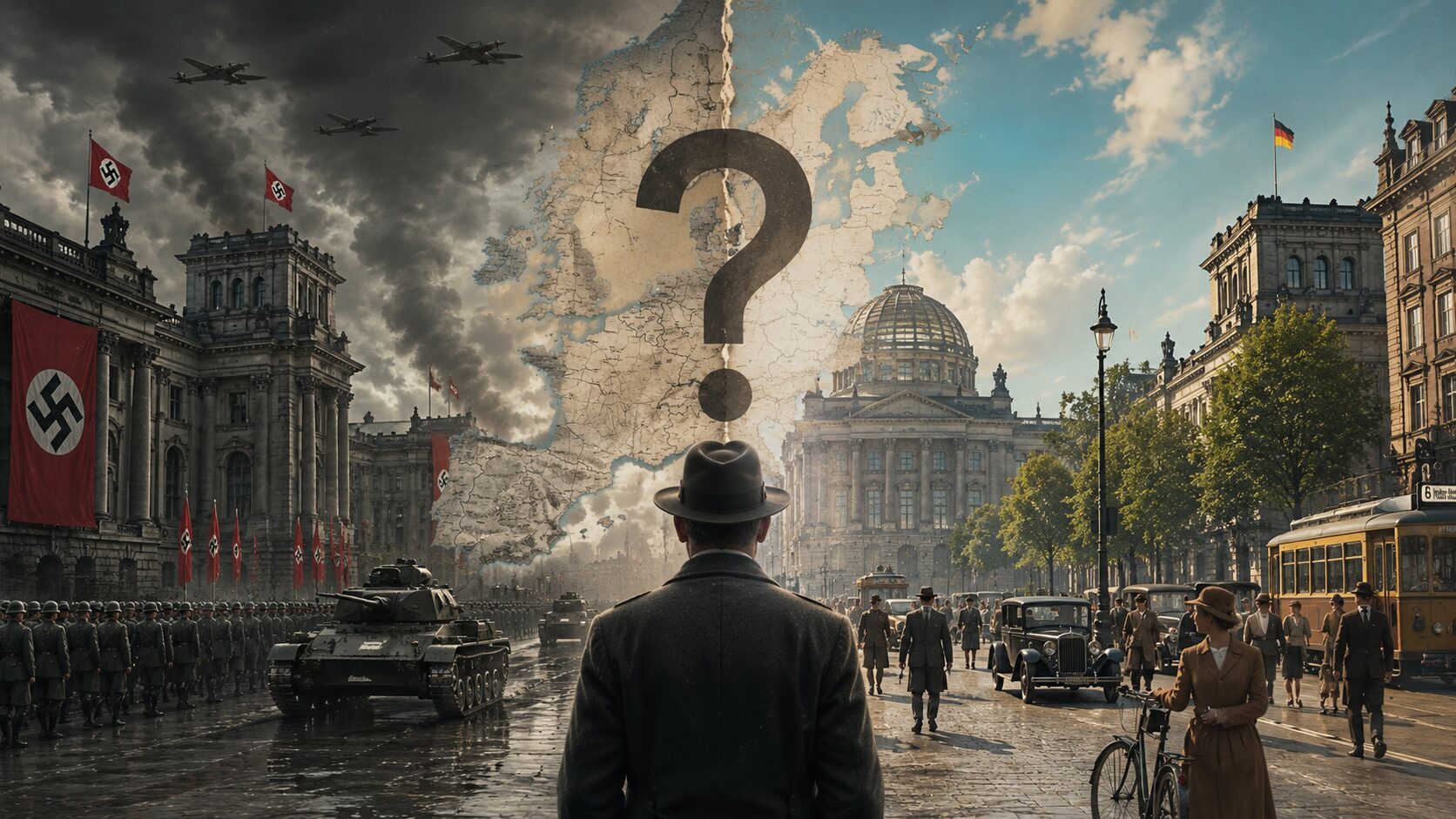
A War Without Its Main Architect
Among both historians and enthusiasts, there are two fundamentally different views of the Second World War.
According to one, the war was almost inevitable — the result of deep contradictions left unresolved after the First World War. According to the other, it was largely the product of a specific political force coming to power in Germany.
Remove that force — and history begins to shift.
What if the Nazis had never come to power?
Germany at a Crossroads
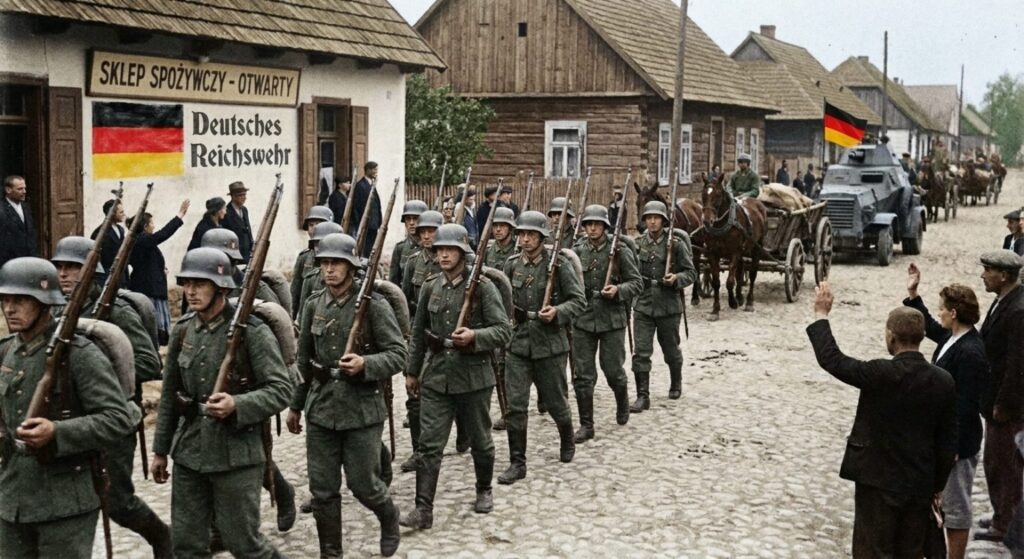
In the early 1930s, Germany stood at a point of instability.
The Weimar Republic was formally democratic, but internally fragile. Economic кризис, mass unemployment, and political radicalization created a volatile environment in which extreme movements gained influence.
The National Socialist movement was not inevitable — it was one of several possible outcomes of this instability. Its rise depended not only on popular support, but also on political deals, elite calculations, and a series of contingent decisions.
In another timeline, those decisions might have been different.
Without Hitler — Without the Reich

If the Nazi Party had failed to seize power in 1933, Germany would likely have continued along a different trajectory.
This does not mean stability would have come immediately. Political struggle would have persisted — between conservatives, social democrats, communists, and military elites. But the key difference lies in the absence of a radical totalitarian regime.
Without Hitler, there is no rapid dismantling of democracy, no centralized dictatorship, and no ideological drive toward expansion based on “living space” and racial hierarchy.
Germany remains a problem — but not yet a trigger.
Would There Still Be a World War?
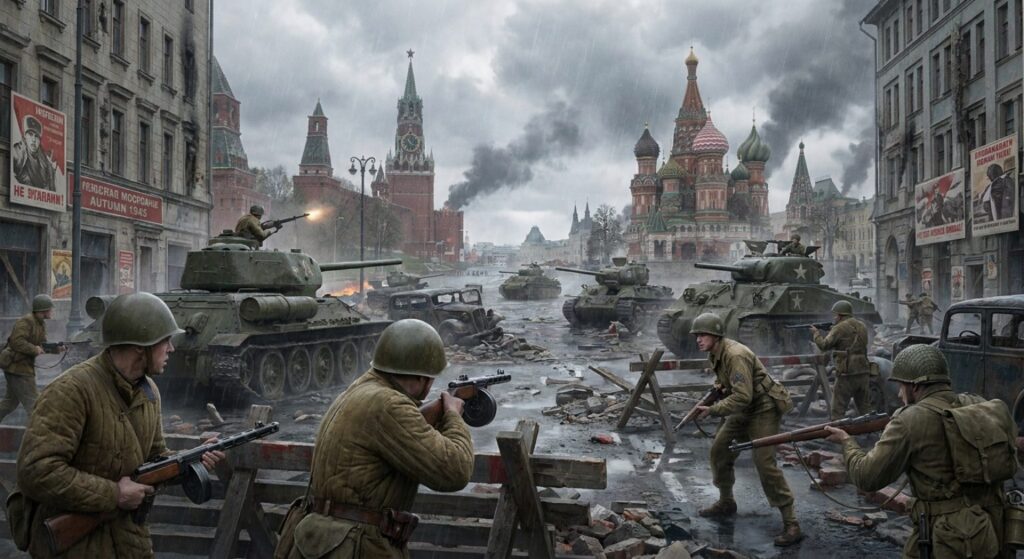
This is the central question.
The causes of the Second World War were not limited to Germany alone. The Versailles system, unresolved territorial disputes, economic tensions, and competing ideologies all contributed to instability.
In this sense, a large-scale conflict in Europe might still have been possible.
But its form would likely have been different.
Instead of a rapid, aggressive expansion driven by a single regime, tensions might have evolved into regional wars, prolonged crises, or shifting alliances — closer in nature to the conflicts of the early 20th century rather than the total war that actually occurred.
A Different Europe
Without the Nazi regime, the political map of Europe changes significantly.
There is no Anschluss in its historical form, no dismemberment of Czechoslovakia under Munich, no blitzkrieg campaigns sweeping across the continent. The chain reaction that led to total war is broken — or at least delayed.
This does not mean peace.
It means a different kind of instability.
France and Britain might still attempt to contain Germany. The Soviet Union would remain a major factor in Eastern Europe. Smaller states would continue to balance between larger powers.
But the scale and speed of collapse seen in 1939–1941 would be far less likely.
The Soviet Question
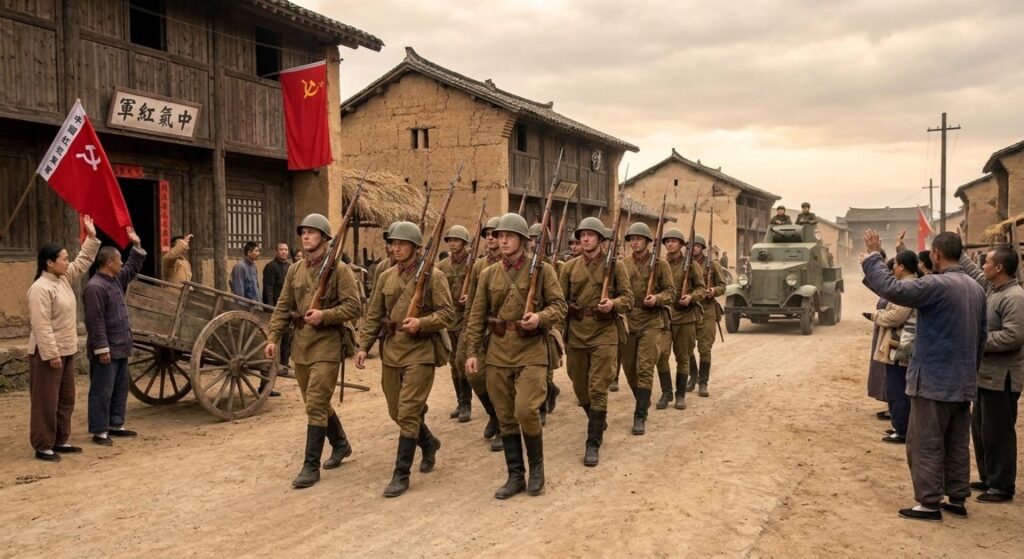
One of the most important unknowns in this scenario is the role of the Soviet Union.
Without Nazi Germany as an existential enemy, Soviet foreign policy might have developed differently. Expansion into Eastern Europe might still occur — but under different circumstances, timelines, and justifications.
Instead of a war of annihilation, the confrontation between systems might have taken a more gradual form — political, ideological, and regional rather than total and immediate.
A War That Might Not Be “World War II”
Even if a large conflict still emerges, it may not resemble what we know as the Second World War.
No global ideological clash on the same scale. No Holocaust in its historical form. No total mobilization of entire societies to the same extent.
Instead, a fragmented series of conflicts, crises, and shifting coalitions — a Europe that remains unstable, but not consumed in a single catastrophic war.
History Without Its Sharpest Turn
The rise of the Nazis in 1933 marked the end of the Weimar Republic and the beginning of a radically different political order.
Remove that turning point, and the trajectory of the 20th century changes.
Not necessarily toward peace.
But away from the specific form of destruction that defined the Second World War.
A Different 20th Century
This alternative scenario does not offer a simple or optimistic answer.
It suggests something more complex: that history is not predetermined, but shaped by a combination of structures and decisions.
Without the Nazis, Europe would still have faced crisis.
But it might have faced a different kind of future — one less defined by total war, and more by prolonged uncertainty.