The era of World War II was the “swan song” of the battleship. These steel behemoths, weighing tens of thousands of tons, represented the pinnacle of engineering until they were eventually eclipsed by the aircraft carrier.
But if we had to pick the most dangerous predator in the ocean, who would it be? Let’s break down the top contenders.
1. Yamato (Japan): Absolute Might
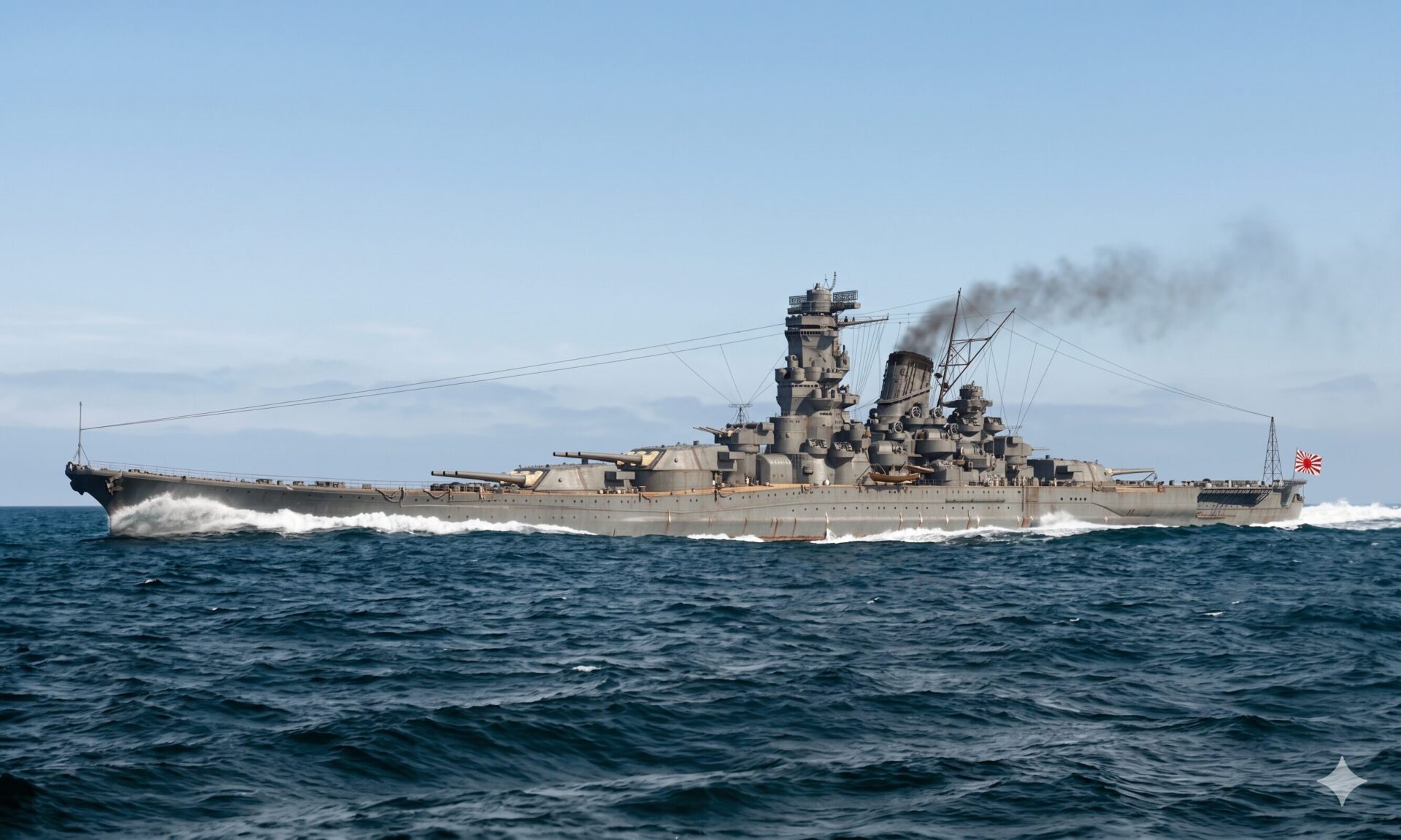
The Yamato-class battleships (including her sister ship, Musashi) remain the largest and most heavily armed gunships in history.
- The Ace Up the Sleeve: Nine 460mm (18.1-inch) guns. A single shell weighed nearly 1.5 tons and could penetrate almost any armor at incredible distances.
- Armor: Roughly 30% of the ship’s total weight was dedicated to protection. Her belt was designed to withstand hits from her own monstrous shells.
- The Weakness: Her massive size made her a magnet for carrier-based aircraft, and a lack of advanced radar hindered her accuracy in poor visibility.
2. Iowa (USA): Technological Perfection
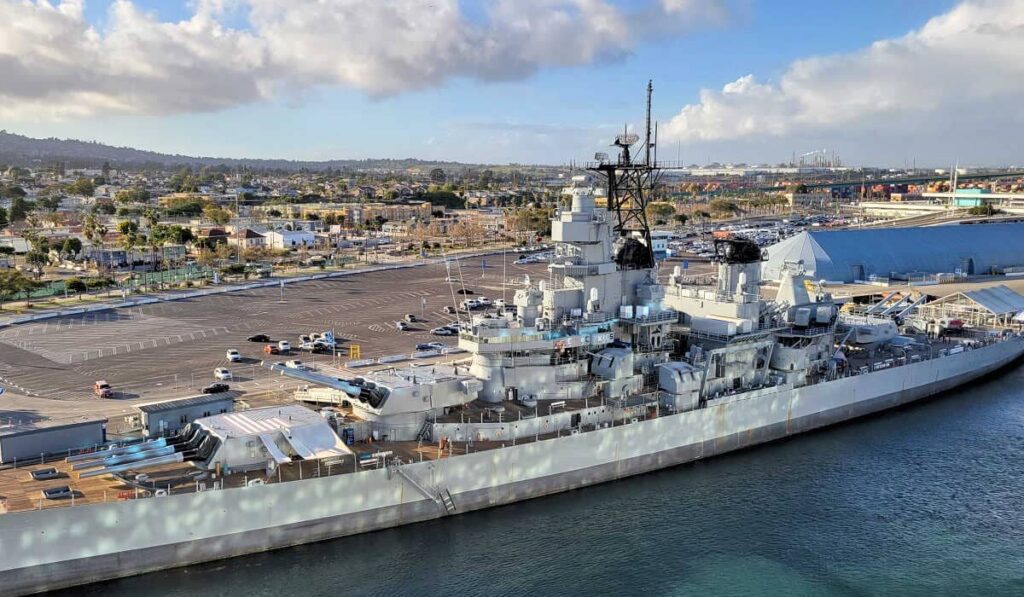
While the Yamato was about brute force, the Iowa-class (including Iowa, New Jersey, Missouri, and Wisconsin) represented surgical precision and speed.
- The Ace Up the Sleeve: A top speed of 33 knots (~61 km/h), allowing them to keep pace with fast carrier task forces.
- Fire Control: Equipped with advanced radar and analog computers, the Americans could land accurate hits at night or through fog while the enemy was effectively blind.
- Anti-Aircraft (AA) Defense: By the end of the war, the Iowas were bristling with Bofors and Oerlikon guns, making them floating fortresses against enemy planes.
3. Bismarck (Germany): Legend and Terror
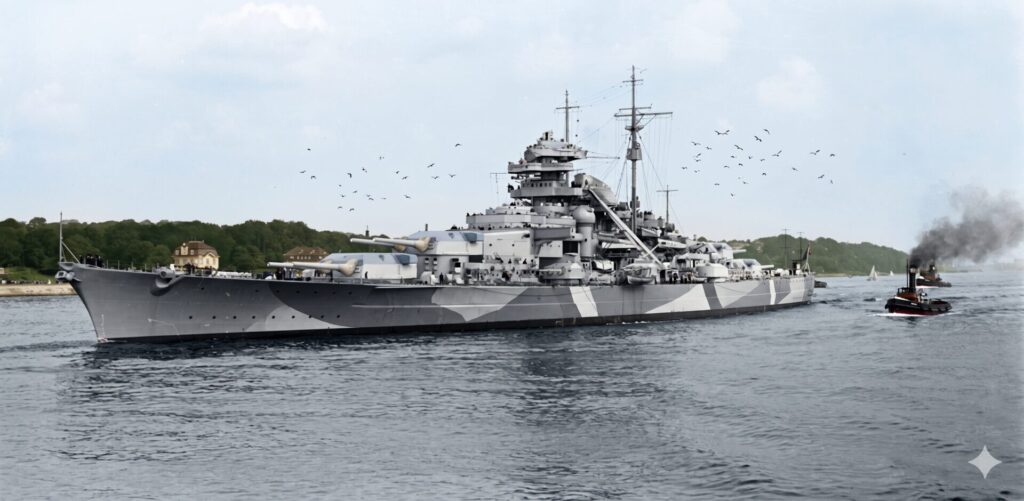
Germany’s Bismarck wasn’t the largest ship afloat, but its engineering and reputation made it the ultimate symbol of the Kriegsmarine’s power.
- The Ace Up the Sleeve: Incredible survivability. Despite taking hundreds of hits in her final battle, the Bismarck refused to sink until her own crew scuttled her.
- Psychological Impact: With one lucky salvo, she destroyed the pride of the Royal Navy, HMS Hood, prompting Winston Churchill to issue the famous order: “Sink the Bismarck!”
Key Specifications Comparison
| Feature | Yamato (Japan) | Iowa (USA) | Bismarck (Germany) |
| Displacement | 72,800 tons | 58,000 tons | 50,300 tons |
| Main Battery | 9 × 460 mm | 9 × 406 mm | 8 × 380 mm |
| Top Speed | 27 knots | 33 knots | 30 knots |
| Crew Size | ~2,500 | ~2,700 | ~2,200 |
The Verdict: Who Was Best?
If these ships met in a vacuum for a 1v1 duel:
- Yamato would likely win a close-quarters slugfest simply because of her sheer caliber and armor.
- Iowa was objectively the most effective “all-rounder.” With her superior radar and speed, she could dictate the terms of the engagement, fire from a distance, and retreat if necessary.
- Bismarck was a formidable raider but lacked the advanced fire control and heavy armament of the later 1940s designs.
Fun Fact: While the Yamato only fired her guns at surface ships once during the entire war, the USS Missouri (Iowa-class) remained in service until 1992, eventually firing Tomahawk missiles during the Gulf War.
Which of these titans do you find more impressive—the raw power of the Yamato or the high-tech versatility of the Iowa?