
Ukraine’s Bars RS: A New Cruise Missile or a Drone for the Future Battlefield?

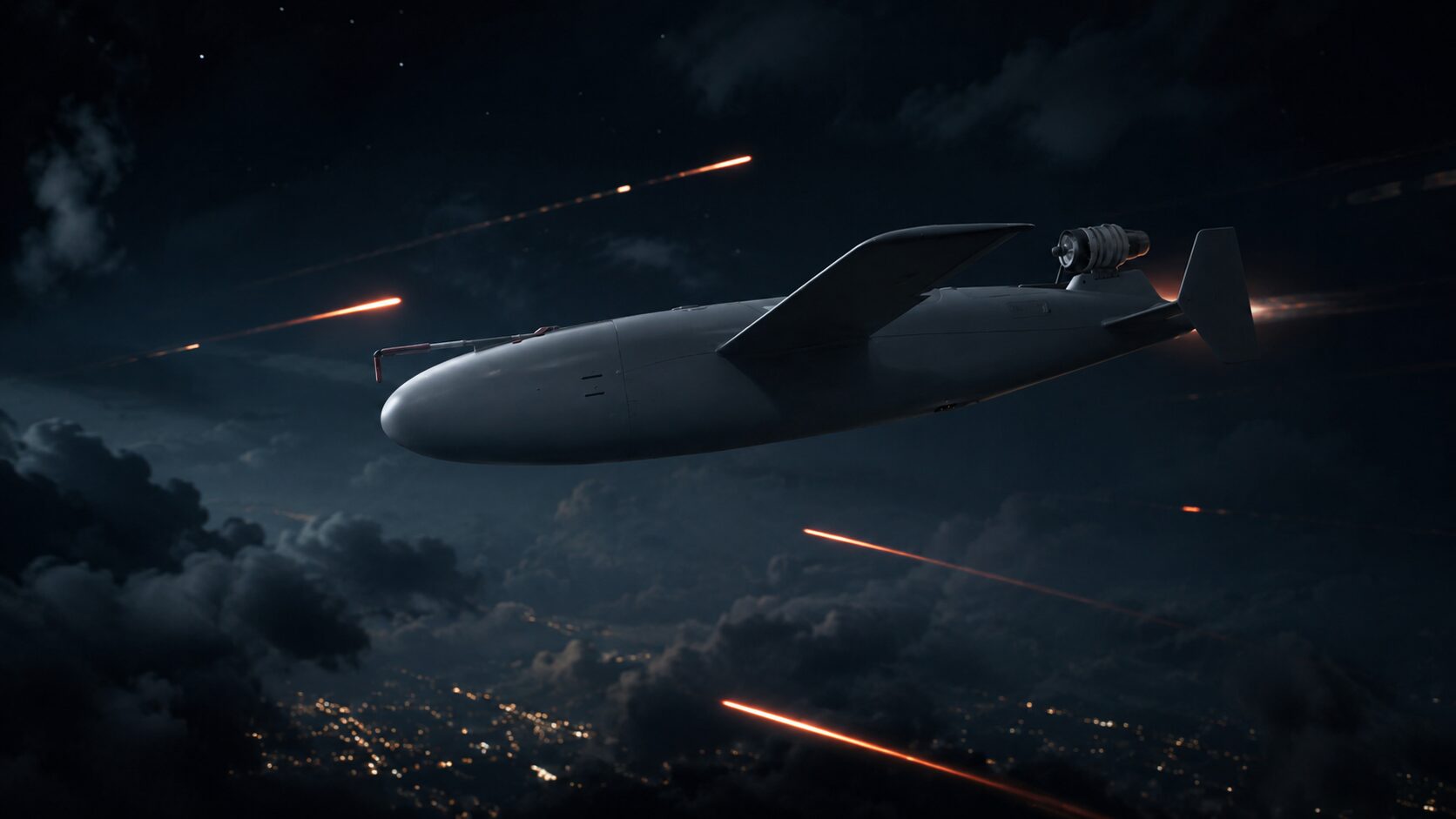
Just a few years ago, the idea of Ukraine conducting regular strikes against targets located a thousand kilometers away seemed almost unattainable. Today, the situation looks very different. At the Eurosatory 2026 defense exhibition, new details emerged about the Bars RS system, one of the most secretive long-range strike platforms developed in Ukraine. The information released provides a clearer picture of the weapon being used to hit targets deep inside Russian territory and highlights why systems of this type are becoming increasingly important in modern warfare.
Interest in the project intensified following a series of strikes in and around the Moscow region during the spring and summer of 2026. A number of analysts have linked the Bars RS to attacks against industrial and infrastructure facilities located nearly 1,000 kilometers from Ukrainian-controlled territory.
Neither a Missile Nor a Drone
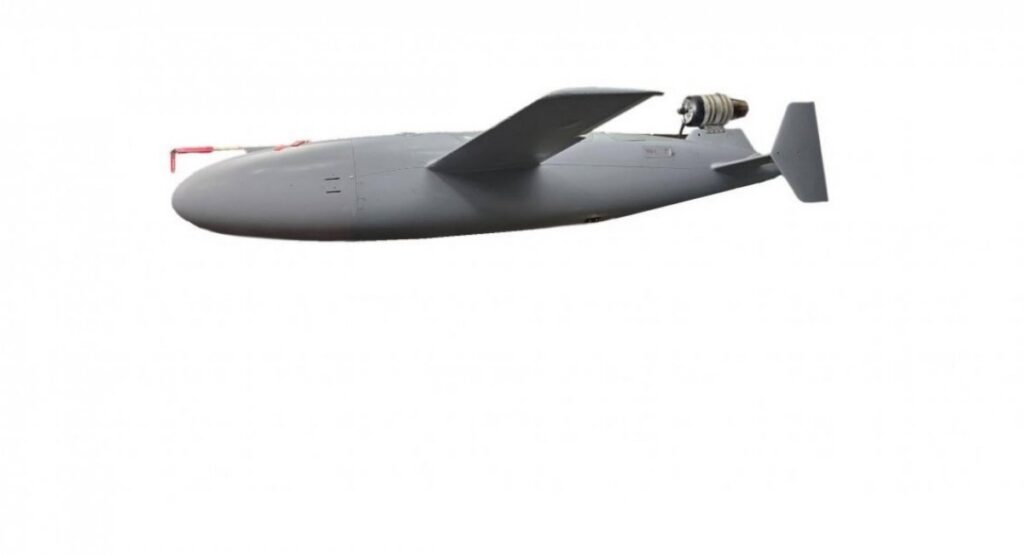
The developers classify the Bars RS as a “missile-drone,” a new category of weapon that has gained increasing attention in recent years.
Such systems occupy a middle ground between traditional cruise missiles and unmanned aerial vehicles. They use jet propulsion and can achieve significantly higher speeds than most long-range drones, while remaining considerably cheaper than conventional cruise missiles.
In essence, the concept aims to create a mass-produced long-range weapon capable of traveling hundreds of kilometers while overwhelming enemy air-defense networks through quantity rather than sophistication.
What Is Known About the Bars RS?
According to information presented at Eurosatory 2026, the standard Bars RS is powered by a turbojet engine and can reach speeds of up to 620 km/h. Its cruising speed is reported to be between 400 and 450 km/h. The platform can carry warheads of various sizes, ranging from 22 to 105 kilograms. Developers describe the 60-kilogram warhead configuration as the best compromise between range and destructive capability.
The most significant revelation concerned the system’s operational range.
Earlier estimates suggested a range of approximately 700 to 800 kilometers. However, company representatives disclosed the existence of an upgraded version featuring larger fuel tanks, increased takeoff weight, and a more powerful payload. According to the manufacturer, this enhanced variant is capable of striking targets at distances approaching 1,000 kilometers.
Such performance places the system in a category traditionally occupied by much larger and more expensive long-range strike weapons.
Seven Thousand Launches
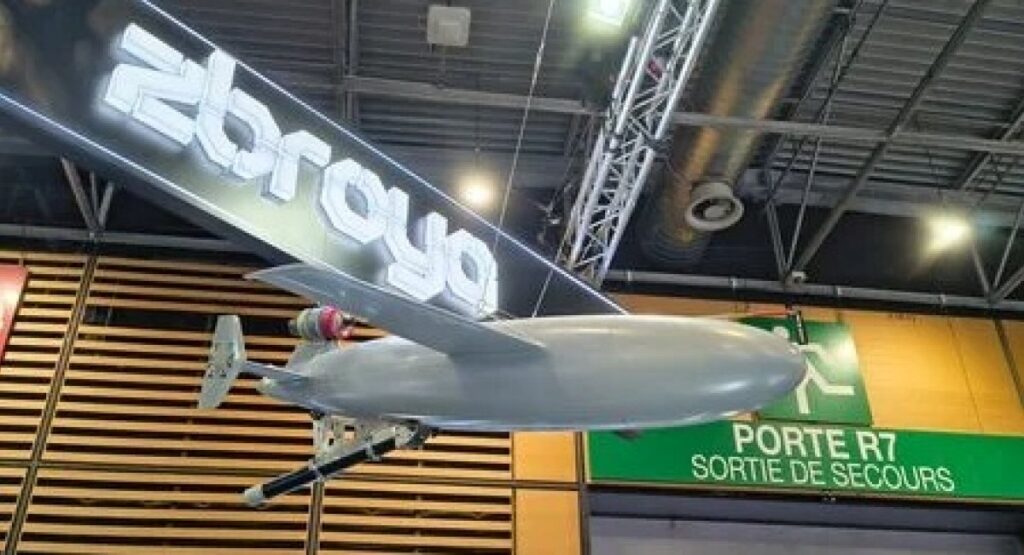
One of the most intriguing details released by the developers concerned operational use.
According to a company representative, various versions of the Bars family have already accumulated around 7,000 launches. Even if some of these flights were conducted during testing and training programs, the figure suggests that the system has moved well beyond the prototype stage and entered serial production.
This distinction is important.
Military history repeatedly demonstrates that wars are often influenced not by the most advanced weapon, but by the weapon that can be produced and deployed in large numbers. A cruise missile costing millions of dollars may offer impressive capabilities, but a simpler platform available in hundreds or thousands of units can sometimes generate a greater strategic effect.
Part of a Larger Strike Ecosystem
The Bars RS cannot be viewed in isolation.
Over the last two years, Ukraine has unveiled several long-range strike projects, including Peklo, Palyanytsia, Ruta, FP-1, and other systems designed to extend the country’s ability to strike targets far beyond the front line without relying entirely on foreign-supplied missiles.
Rather than investing in a single expensive weapon, Ukrainian planners appear to be pursuing an entire family of systems with varying combinations of range, speed, payload, and cost.
This approach creates significant challenges for air-defense networks. Conventional propeller-driven drones, jet-powered missile-drones, and other strike systems can operate simultaneously, presenting defenders with a complex, multi-layered threat environment.
The Future Belongs to Hybrid Weapons
The story of the Bars RS is important not only because of its role in the ongoing conflict.
More broadly, it illustrates the emergence of a new category of precision-guided weaponry that may reshape long-range warfare in much the same way cruise missiles did decades ago.
Modern militaries increasingly require weapons that are cheaper than traditional missiles, faster than conventional drones, and suitable for large-scale production. Missile-drones such as the Bars RS are designed to combine those qualities within a single platform.
If the concept proves successful, systems of this type may become one of the defining weapons of 21st-century warfare—a battlefield where thousands of relatively inexpensive long-range strike platforms could pose a threat comparable to a much smaller number of sophisticated cruise missiles.






