The End of the Open Apron Era: Russia Begins Building Massive Shelters for Strategic Bombers

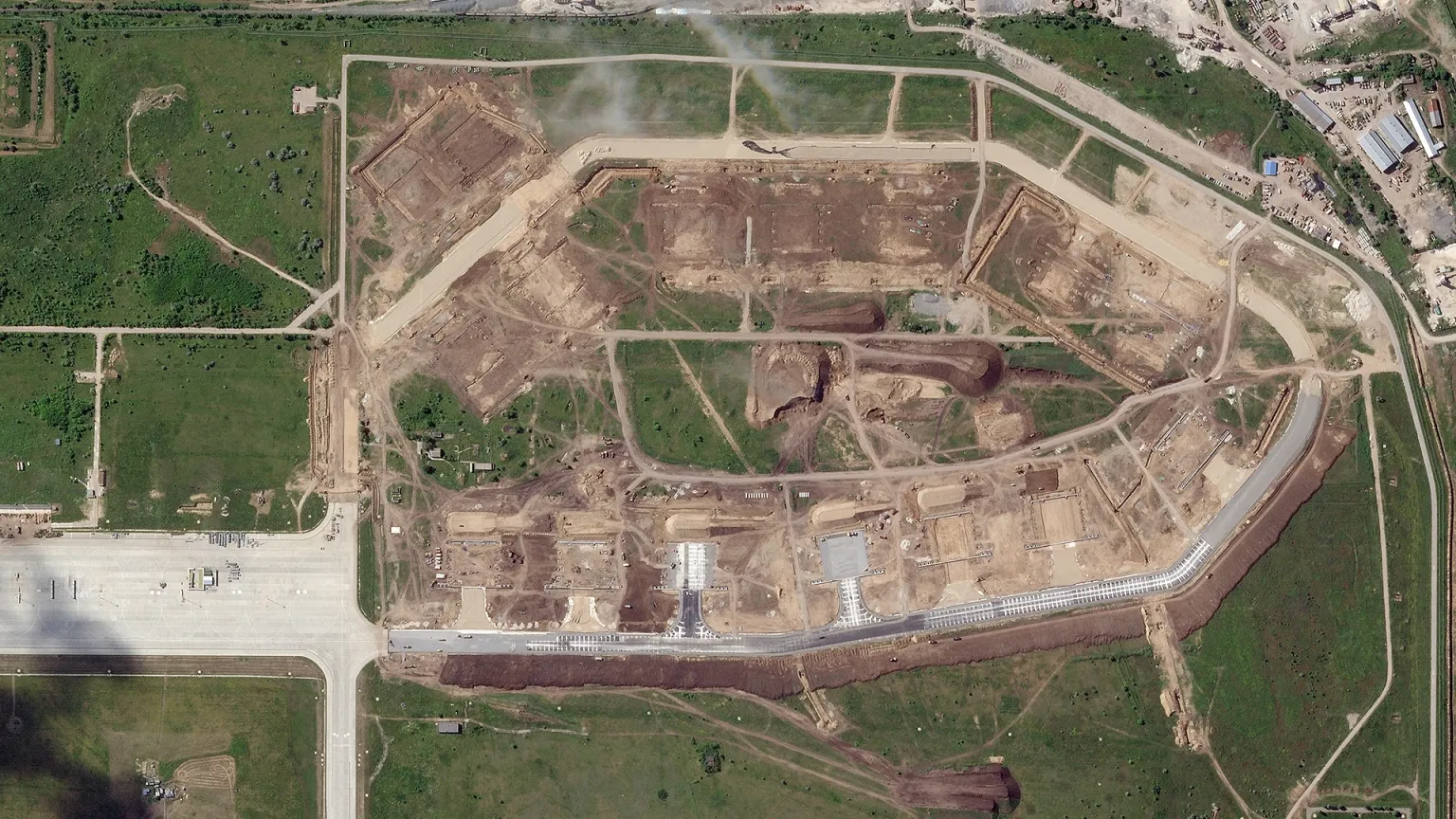
Just a few years ago, strategic bombers were considered among the most secure elements of a nuclear triad. Huge Tu-95MS and Tu-160 aircraft sat in the open on long-range aviation bases, clearly visible even in commercial satellite imagery. However, new satellite photographs suggest that this era may be coming to an end. At Engels Air Base, the principal home of Russia’s strategic bomber fleet, large-scale construction is underway on massive protective shelters designed for strategic missile-carrying aircraft.
At first glance, the project might appear to be routine military infrastructure work. In reality, however, it reflects a significant shift in military thinking, driven by the emergence of a new threat: long-range strike drones.
Why Strategic Bombers Spent Decades in the Open
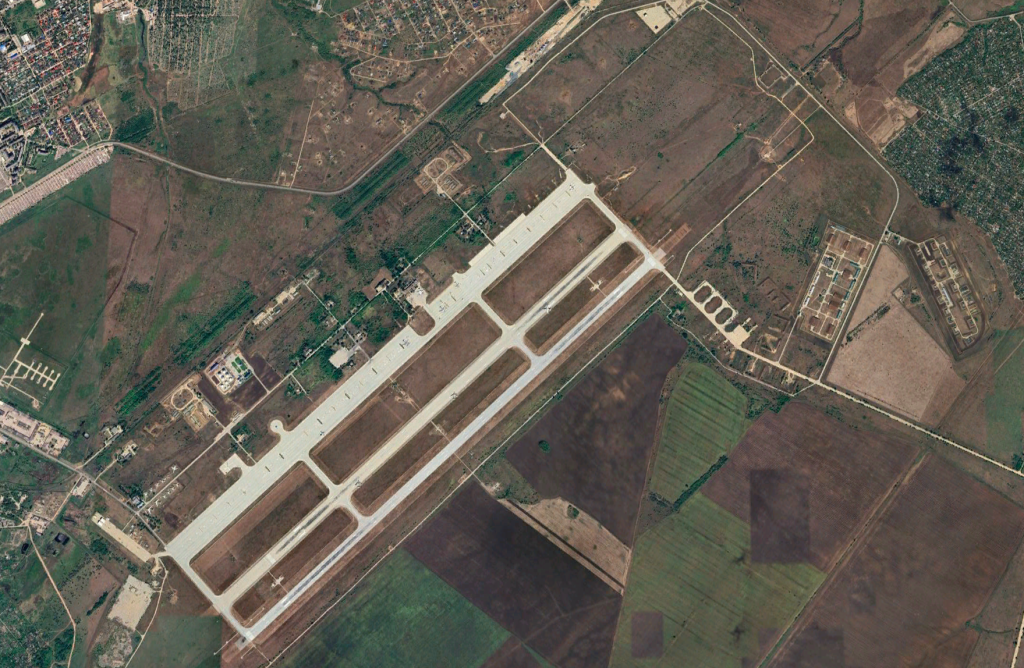
To those unfamiliar with military aviation, it may seem strange that aircraft worth hundreds of millions of dollars were routinely parked in the open for decades. Yet there were sound reasons for this practice.
During the Cold War, strategic aviation in both the Soviet Union and the United States formed a critical component of nuclear deterrence. Bombers were intentionally kept visible to reconnaissance satellites, allowing both sides to verify force levels and reducing the risk of misinterpreting military activity.
There was also a practical consideration. Aircraft such as the Tu-95 and Tu-160 are enormous. Constructing individual hardened shelters capable of accommodating them was always considered technically challenging and extremely expensive. While fighter aircraft have long operated from reinforced shelters, strategic bombers traditionally occupied specially prepared open parking areas.
Ukrainian Drones Changed the Rules
The situation began to change after a series of attacks on Russian long-range aviation bases. Particular concern arose from drone strikes against facilities located hundreds—and in some cases thousands—of kilometers from the front line.
The turning point came during a major Ukrainian operation in the summer of 2025, when several long-range aviation bases were targeted simultaneously. According to various reports, strategic aircraft were damaged or destroyed, including rare airframes that are no longer in production.
These events highlighted an uncomfortable reality for military planners: even deep within a nation’s rear areas, highly valuable aircraft remain vulnerable to relatively inexpensive drones. Whereas the primary threats once came from cruise missiles or enemy aircraft, modern militaries must now contend with small unmanned systems costing only a tiny fraction of the aircraft they are capable of damaging.
What Is Being Built at Engels Air Base?
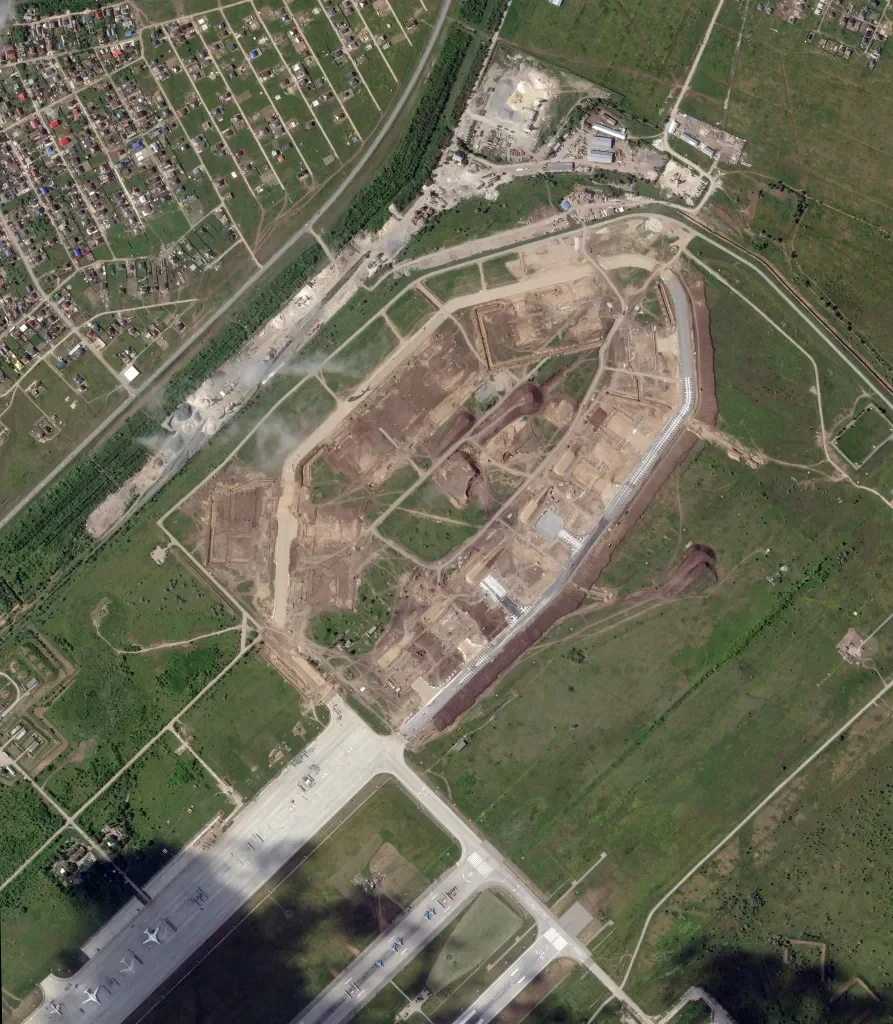
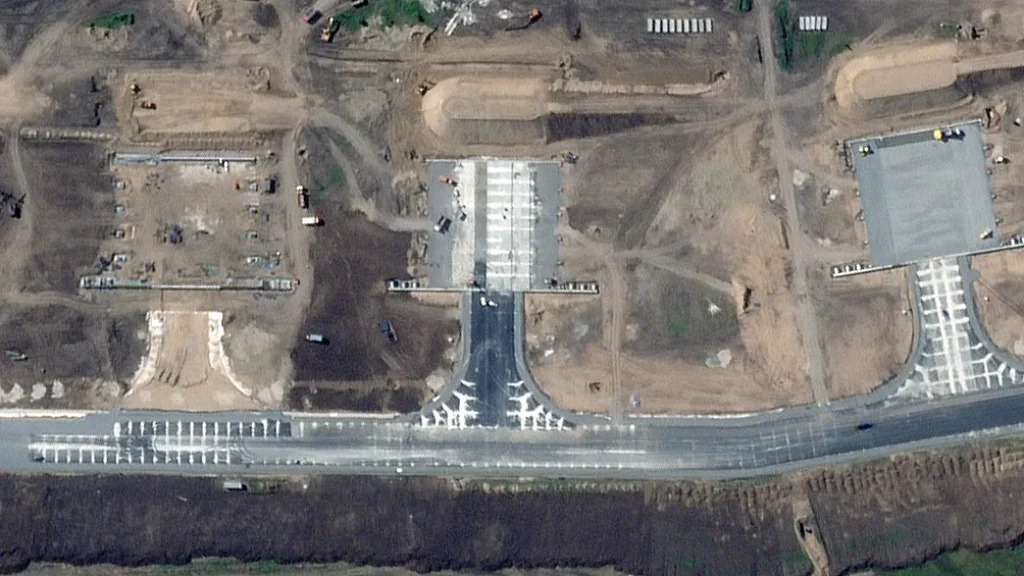
Satellite imagery reveals the construction of several large structures at Engels Air Base, the primary operating location for Russia’s Tu-160 fleet and one of the key bases for Tu-95MS bombers. The new facilities are considerably larger than standard shelters used for tactical aircraft. This is hardly surprising given that the Tu-160’s variable-sweep wings and overall dimensions rival those of many commercial airliners.
The new shelters are believed to be designed to protect aircraft from blast effects, fragmentation, and drone attacks. Even if such structures cannot withstand a direct hit from a large missile, they significantly complicate attempts to damage aircraft using small strike drones.
What makes the development even more notable is that Engels is not the only airfield undergoing such upgrades. Open-source satellite analysis has identified protective construction projects at multiple Russian air bases. According to analysts, work of varying scale is underway at more than a dozen military airfields.
The Return of the Hardened Air Base
In many ways, the trend represents a return to Cold War practices. During that period, many countries invested heavily in reinforced aircraft shelters capable of surviving nearby bomb and missile strikes.
Following the collapse of the Soviet Union and the end of the global superpower confrontation, many militaries reduced spending on such infrastructure. Precision-guided weapons and assumptions about air superiority led some planners to believe that massive hardened shelters were becoming less relevant.
The war in Ukraine has challenged that assumption. The widespread proliferation of drones has unexpectedly revived interest in protected air bases. Concrete shelters, reinforced structures, and earth-covered facilities are once again being viewed as cost-effective ways of increasing the survivability of valuable aircraft.
A New Reality for Strategic Aviation
The construction of shelters for Tu-160 and Tu-95 bombers is far more than an infrastructure project. It represents an acknowledgment that the era of a completely secure rear area is over.
Drones have evolved into weapons capable of threatening even the most strategically important military assets. As a result, air forces must now protect not only ammunition depots, command centers, and industrial facilities, but also the aircraft that form a crucial part of their nuclear deterrent forces.
Until recently, giant strategic bombers stood in the open as visible symbols of national power. In the years ahead, many of them may increasingly disappear behind thick concrete walls and reinforced structures. That transformation is perhaps one of the clearest illustrations of how drones are reshaping the nature of modern warfare.
source https://www.twz.com/air/russia-is-building-huge-protective-shelters-for-its-strategic-bombers