Inguar-3: A New Ukrainian Armored Vehicle or Just Another MRAP? Taking a Closer Look

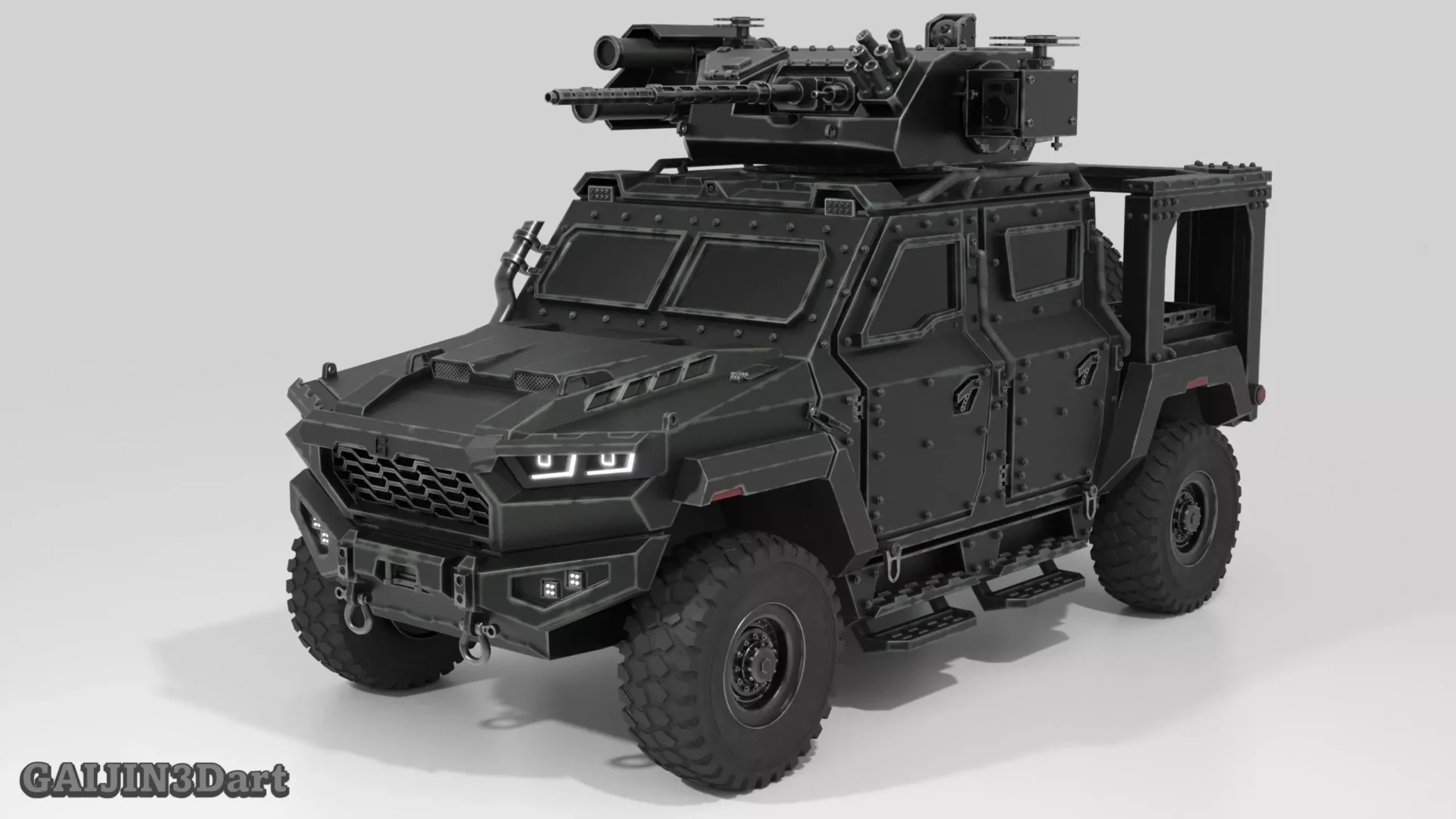
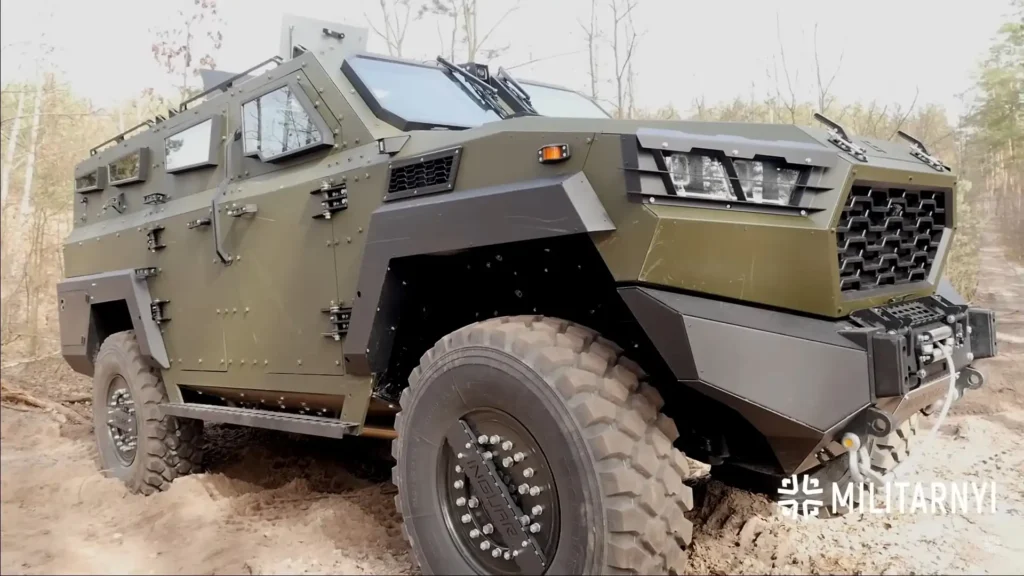
Over the course of the Russia–Ukraine conflict, the battlefield has seen a vast variety of armored vehicles. Alongside Soviet-era equipment and Western-supplied platforms, entirely new designs have emerged, created with the realities of modern warfare in mind. One of the most interesting examples of this new generation is the Ukrainian Inguar-3 armored vehicle.
At first glance, it appears to be another MRAP—a mine-resistant vehicle designed to transport troops through areas threatened by mines and improvised explosive devices. However, a closer examination reveals that its developers aimed to create more than just an armored truck. The goal was a modular platform capable of serving as the basis for an entire family of specialized vehicles.
Whether they succeeded remains open to debate, but the project itself deserves attention.
Born From War
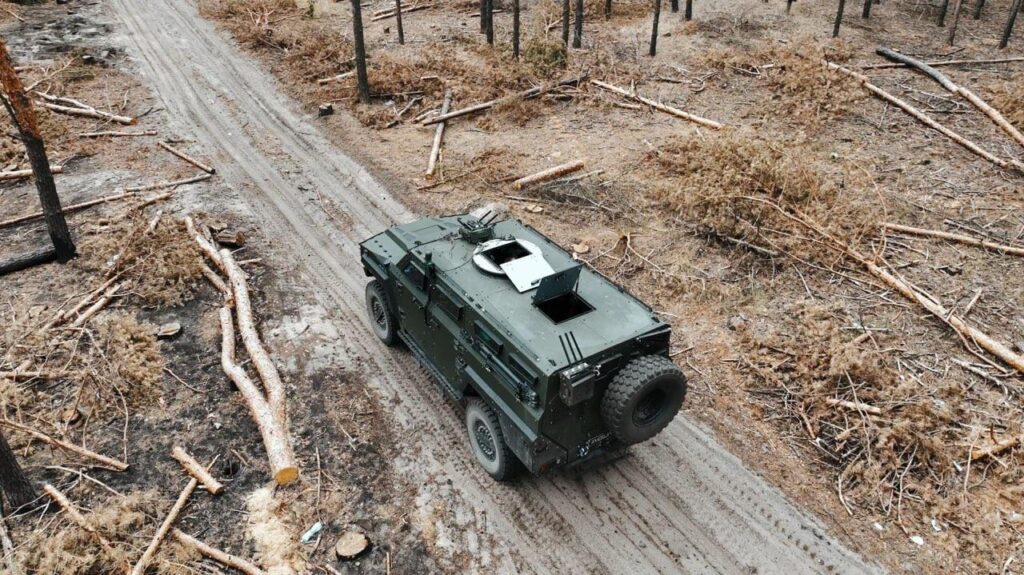
The company behind the vehicle, Inguar Defence, was established after the outbreak of the full-scale conflict and focused from the outset on creating equipment tailored to the realities of modern combat.
Unlike many earlier Ukrainian armored vehicles that relied heavily on commercial chassis, the Inguar-3 was built around a dedicated platform. The developers reportedly worked closely with military personnel and special operations units, studying both Western MRAP designs and Soviet-era vehicles.
The result is a machine that visually resembles modern Western armored vehicles while incorporating a number of unique design choices.
Prototype vehicles were reportedly tested in combat conditions, where they were used for personnel transport and casualty evacuation in areas characterized by heavy drone activity and extensive minefields.
Built Around Crew Protection
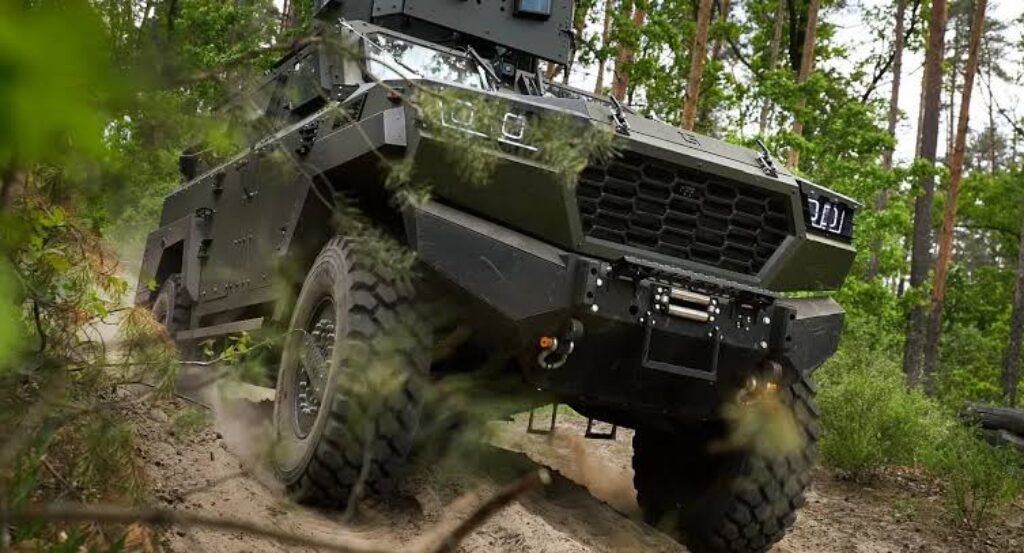
At its core, the Inguar-3 follows the traditional MRAP philosophy.
The vehicle features a V-shaped hull designed to deflect blast energy away from the crew compartment. According to published specifications, protection levels comply with STANAG 4569 Level 3 standards. This means protection against armor-piercing 7.62×51 mm NATO ammunition and resistance to explosions equivalent to up to 8 kilograms of TNT beneath either a wheel or the hull.
While this is no longer the highest level of protection available on modern armored vehicles, it remains a respectable figure for a relatively lightweight 12-ton platform.
One notable aspect of the design is the use of a mixed armor solution incorporating both steel and aluminum components. This approach helps reduce overall vehicle weight while maintaining an adequate level of protection.
The designers also paid considerable attention to crew survivability after a vehicle strike. Blast-attenuating seats, an automatic fire suppression system, air filtration equipment, and a fully integrated climate control system are all part of the package. These features may not attract headlines, but they are increasingly important in modern military vehicles.
Some Unusual Design Choices
The most interesting aspects of the Inguar-3 are not necessarily its armor or engine.
One of the vehicle’s most distinctive features is its reliance on cameras rather than traditional side mirrors. A network of external cameras provides a 360-degree view that is displayed on internal screens.
Although such systems have become more common in advanced Western vehicles, they remain relatively rare in lighter armored platforms.
The advantages are obvious. Cameras are harder to damage accidentally, reduce the vehicle’s visual profile, and can be integrated with night-vision systems.
However, this solution also introduces a new dependency on electronics. If the power supply or camera system is damaged, the crew may lose a significant portion of their situational awareness.
Another notable feature is the adaptive suspension system, which allows ground clearance to be adjusted depending on terrain conditions. This capability can significantly improve off-road performance and overall mobility.
What’s Under the Hood?
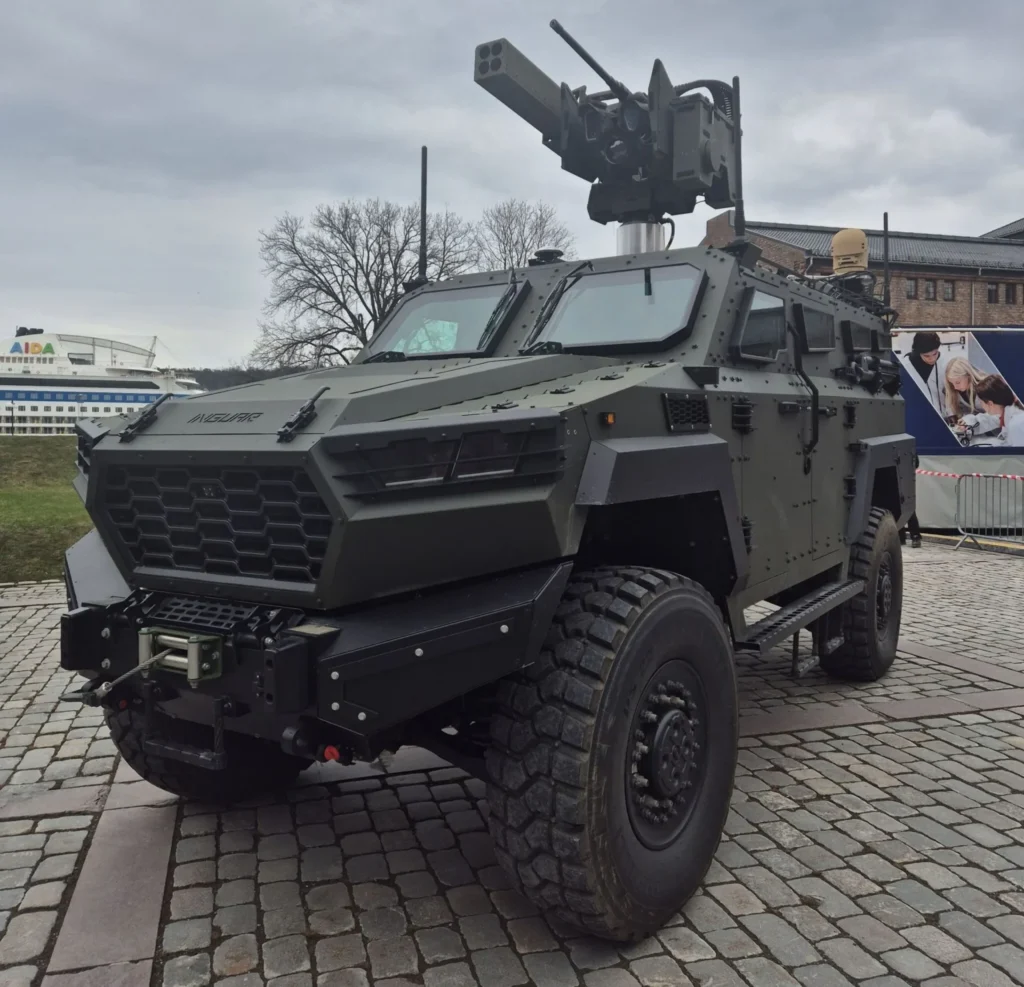
Power comes from a 356-horsepower Deutz diesel engine paired with an automatic transmission.
For a vehicle in this class, this provides more than adequate performance. In terms of power-to-weight ratio, the Inguar-3 compares favorably with many modern Western MRAPs.
The emphasis appears to be less on top speed and more on mobility over rough terrain, muddy roads, and difficult off-road environments—the types of conditions that dominate much of Eastern Europe’s battlefield landscape.
The Drone War Changes Everything
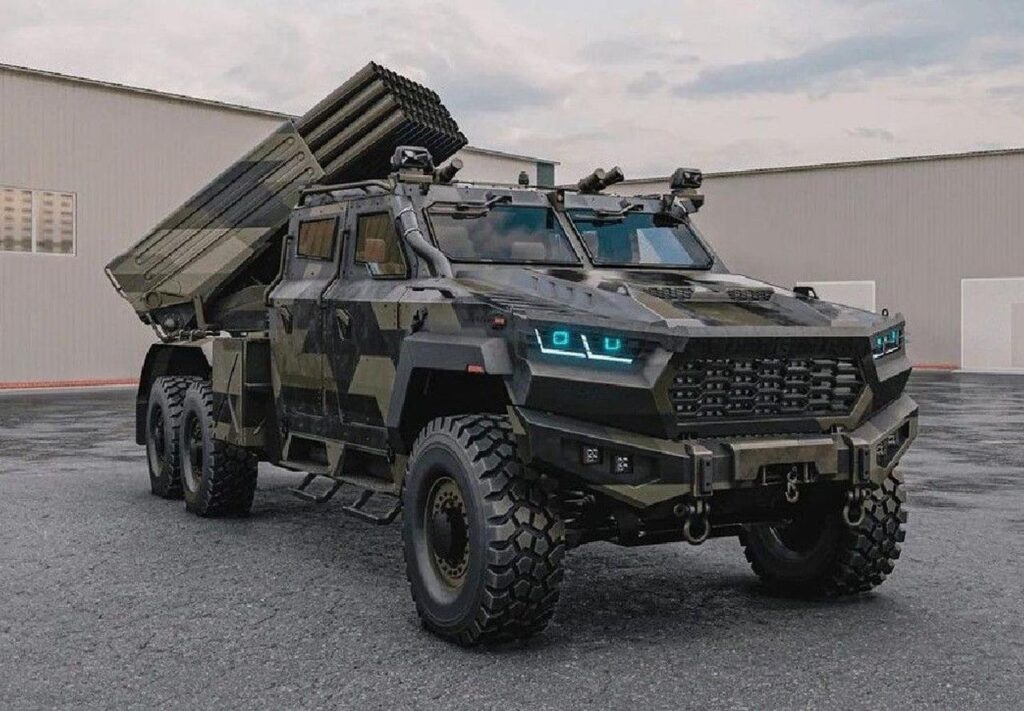
Examining recent production vehicles reveals how rapidly battlefield requirements have evolved over the past few years.
Shortly after field testing, developers reportedly began integrating electronic warfare systems designed to counter FPV drones. Factory-installed anti-drone protection measures are also being considered for future variants.
Just a few years ago, such features would have seemed highly specialized. Today, they are increasingly viewed as essential components of any newly designed armored vehicle.
In many ways, the Inguar-3 is a product of the drone era, and that reality is clearly reflected in its design philosophy.
The Price of a Modern MRAP
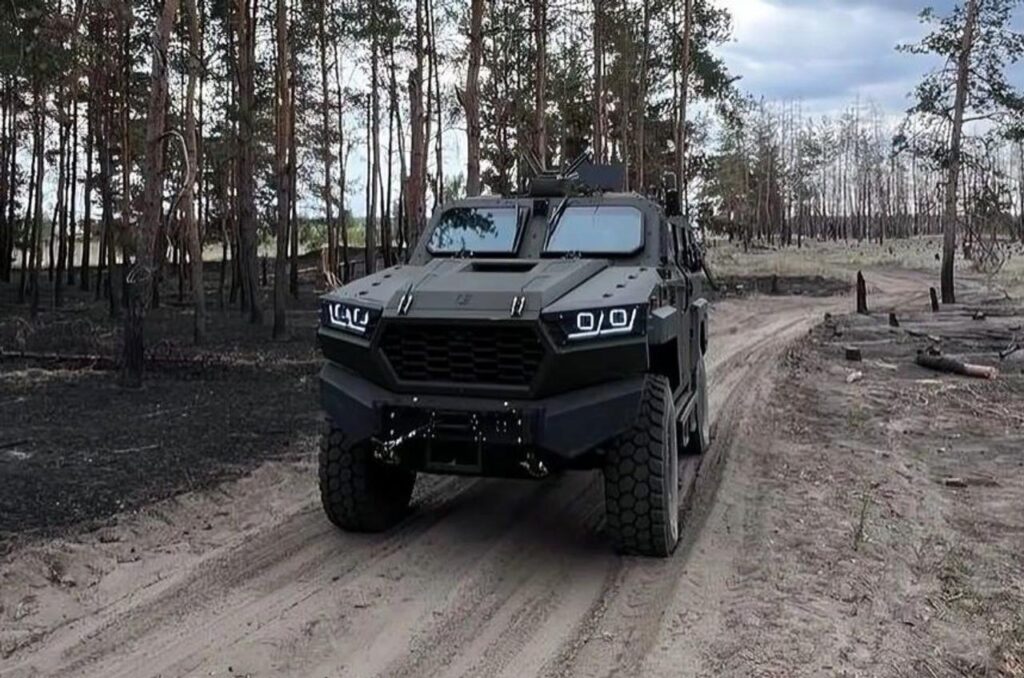
One of the more interesting revelations about the vehicle concerns its cost.
According to publicly available information, two Inguar-3 vehicles were supplied to Ukraine’s Azov Brigade for approximately 36 million hryvnias. This places the cost of a single vehicle at around 18 million hryvnias, or roughly $400,000.
At first glance, this may seem expensive.
However, compared to many Western MRAPs with similar levels of protection and equipment, the price is actually positioned toward the lower end of the international market. Many comparable foreign platforms cost considerably more.
Final Assessment
The Inguar-3 is not a revolutionary breakthrough in armored vehicle design. Instead, it represents an attempt to incorporate nearly every lesson learned from modern warfare into a single platform.
Mine-resistant construction, digital observation systems, adaptive suspension, drone-defense integration, modular architecture, and the ability to support multiple specialized variants all contribute to making it a thoroughly modern MRAP.
Yet the most important question remains unanswered.
Any armored vehicle is ultimately judged not by promotional materials or exhibition displays but by its battlefield record. The Inguar-3 is only beginning its operational career, making definitive conclusions premature.
What can already be said, however, is that Ukrainian engineers have produced one of the most interesting light armored vehicle designs to emerge from the post-Soviet defense industry in recent years.
Inguar-3 Technical Specifications
Type: MRAP (Mine Resistant Ambush Protected)
Configuration: 4×4
Crew and Troop Capacity: Up to 10 personnel
Engine: Deutz diesel
Power Output: 356 hp
Transmission: Automatic
Armor Protection: STANAG 4569 Level 3
Mine Protection: STANAG 4569 Level 3a/3b
Hull Design: Monocoque with V-shaped hull
Suspension: Independent adaptive suspension
Additional Equipment: 360-degree camera system, night vision capability, fire suppression system, NBC filtration system, climate control
Estimated Cost: Approximately $400,000 per vehicle
Primary Roles: Troop transport, reconnaissance, casualty evacuation, special operations
Key Takeaway
The Inguar-3’s greatest strength lies in its attempt to combine modern protection standards, digital technologies, and battlefield adaptability into a single platform. Designed during an era shaped by drones, mines, and dispersed combat operations, it reflects many of the realities facing armored vehicle designers today. Whether it ultimately proves successful will depend on long-term operational experience, but it has already established itself as one of the more noteworthy armored vehicle projects to emerge from Eastern Europe in recent years.