
The U.S. Is Looking for a Replacement for the MQ-9 Reaper: The New Drone Must Be Cheap Enough to Lose

This material is based on reporting by The War Zone.
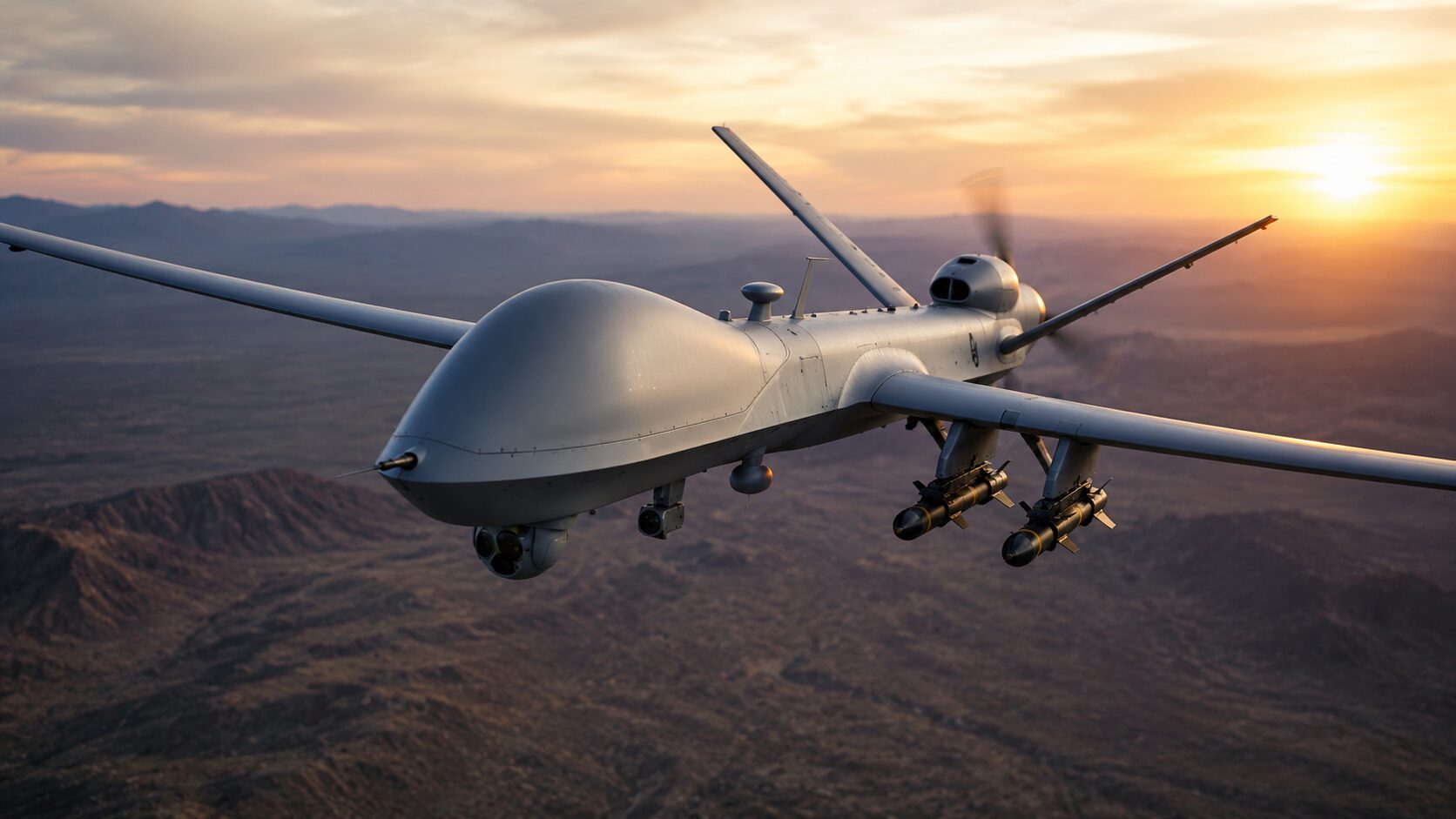
The U.S. military is gradually coming to a deeply uncomfortable conclusion: the era of the famous MQ-9 Reaper is nearing its end. The drone that symbolized American air warfare for nearly two decades has become too expensive, too vulnerable, and too optimized for a world that no longer exists — a world where drones were rarely shot down and air superiority was almost guaranteed.
That is why the U.S. Air Force has officially begun shaping the requirements for the Reaper’s future successor. And the key requirement sounds almost revolutionary by traditional Pentagon standards: the new drone must be cheap enough that losing it in combat is considered acceptable.
The MQ-9 Was Built for a Different Era
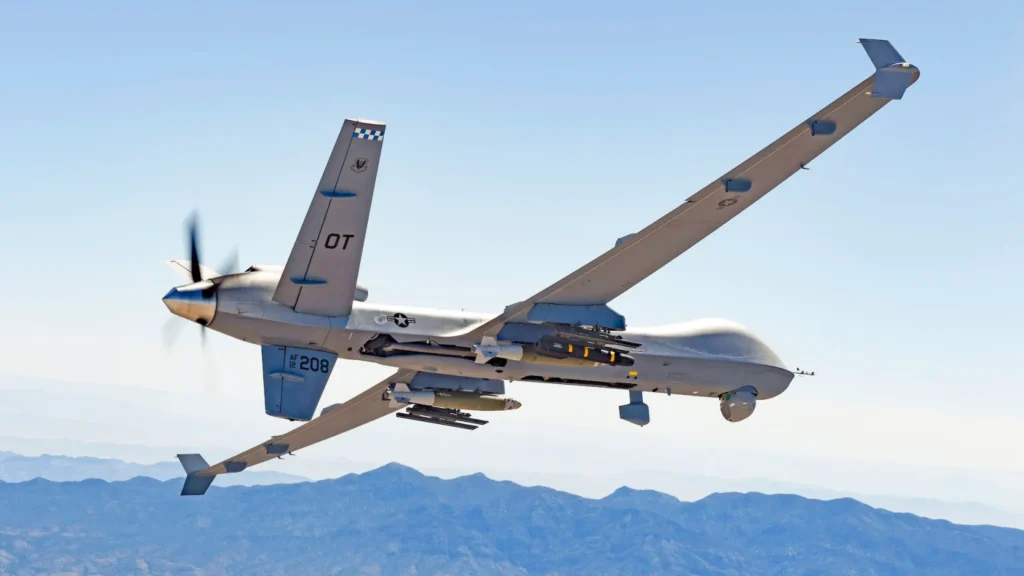
When the MQ-9 Reaper entered service in the mid-2000s, it looked almost perfect for America’s wars.
The large turboprop drone could loiter over a battlefield for hours, conduct surveillance, track targets, and launch precision strikes with Hellfire missiles. In Afghanistan, Iraq, Syria, and Africa, the Reaper became the defining image of America’s “remote warfare” era. In many ways, it transformed armed drones from an experimental technology into one of the foundations of modern military operations.
The problem is that the MQ-9 was designed for conflicts where the enemy had little or no serious air defense capability.
Today, that reality has disappeared. Even relatively weak states and non-state actors now have access to modern surface-to-air missiles, electronic warfare systems, and long-range weapons. Against countries like China or Russia, a slow, large turboprop drone becomes an extremely vulnerable target.
Recent conflicts in the Middle East were a particularly painful wake-up call for the Pentagon. According to open sources, the U.S. has lost multiple MQ-9s in confrontations involving Iran and its proxies — some shot down, others destroyed on the ground by missile and drone strikes.
And that raises the central question.
If a drone costing tens of millions of dollars can be destroyed in a single mission, does the old concept still make sense?
A New Philosophy: The Drone as an Expendable Asset
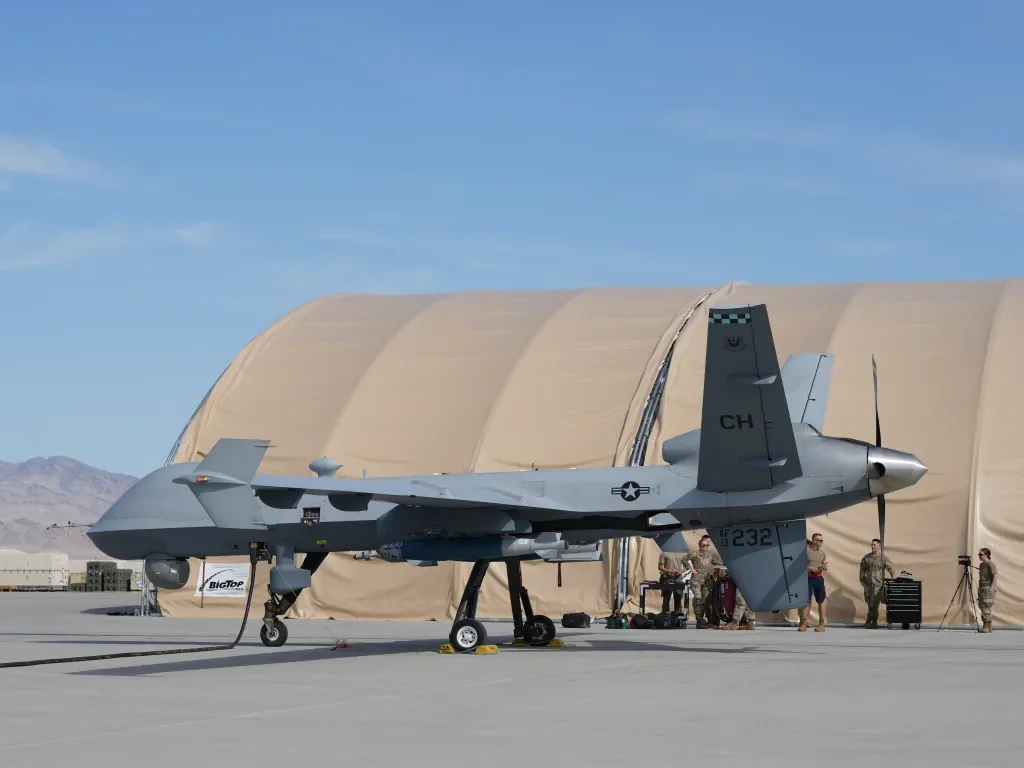
That is why one word keeps appearing in discussions about the Reaper’s replacement: attritable.
In military terms, it means a platform whose loss is considered operationally acceptable.
This marks a major conceptual and psychological shift for the U.S. military.
For decades, America built its airpower around extremely expensive platforms. Fifth-generation fighters, strategic bombers, advanced reconnaissance drones — all of them became so costly that every loss carried enormous military and political consequences.
Now the Pentagon is increasingly embracing a different logic: it is better to field large numbers of relatively inexpensive systems than a small number of “perfect” aircraft.
General Christopher Niemi told senators that new production methods and technologies now make it possible to build drones that are cheaper, easier to mass produce, and suitable for “higher-risk operations.”
In many ways, the Air Force is trying to combine the endurance and strike capability of the Reaper with the expendable philosophy seen in FPV drones and swarm warfare.
Ukraine Changed the Pentagon’s Thinking
The war in Ukraine has had a massive influence on this shift.
American military planners watched as relatively cheap drones destroyed tanks, artillery systems, and armored vehicles worth millions of dollars. But another lesson may have been even more important: in modern high-intensity warfare, military hardware survives for far less time than many strategists once assumed.
Large-scale combat burns through advanced equipment at an astonishing rate.
That is why the Pentagon is now aggressively pursuing concepts centered around mass drone production. Programs involving Collaborative Combat Aircraft, autonomous wingmen, low-cost strike drones, and expendable unmanned systems are all moving forward simultaneously.
Against that backdrop, the traditional MQ-9 increasingly looks like a product of a previous generation of warfare.
The Reaper Is Not Disappearing Yet
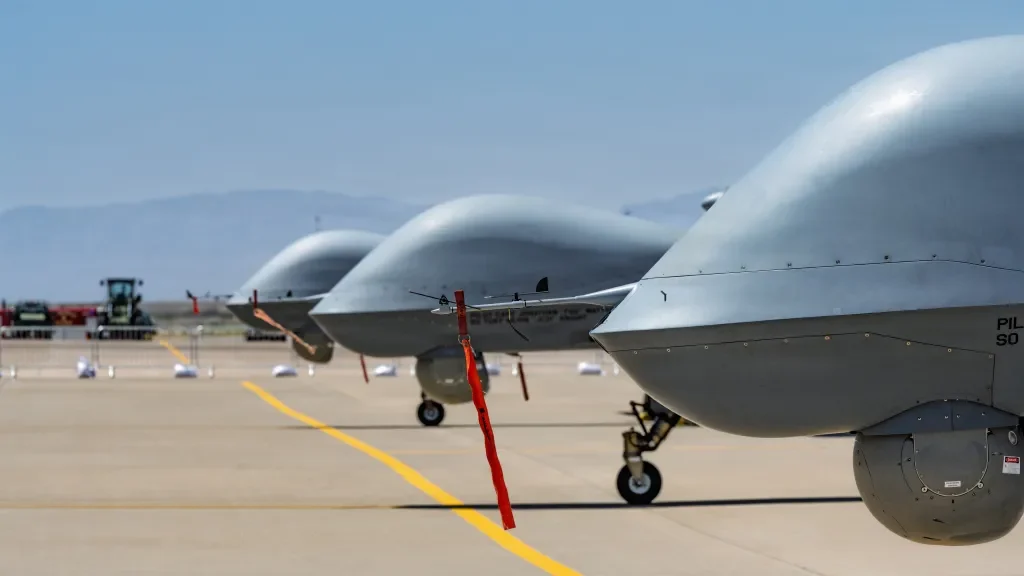
At the same time, the U.S. military is not planning to retire the MQ-9 anytime soon.
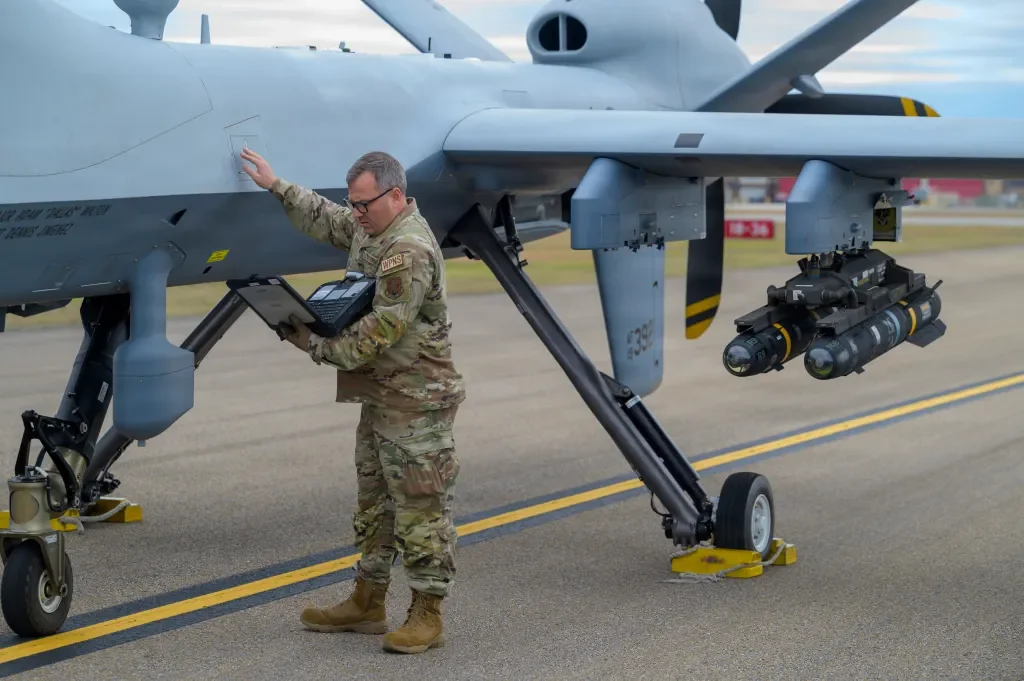
In fact, the Reaper continues to receive upgrades, including new communications systems, improved sensors, counter-drone capabilities, and even APKWS guided rockets for engaging enemy drones.
The reason is simple: despite its vulnerabilities, the MQ-9 remains an extremely useful platform for surveillance, patrol missions, and precision strikes in areas with limited enemy air defenses.
But Washington already understands that a future large-scale conflict — especially one in the Pacific — will require an entirely different philosophy of unmanned warfare.
In an environment where advanced drones can be shot down in large numbers, the focus shifts away from building the “perfect” aircraft and toward producing large quantities of systems that are good enough, quickly replaceable, and cheap enough to risk.
And that may ultimately become one of the defining military lessons of the 2020s.






