
Almost Written Off, Back in Service Again: What the Gepard Anti-Aircraft System Really Is

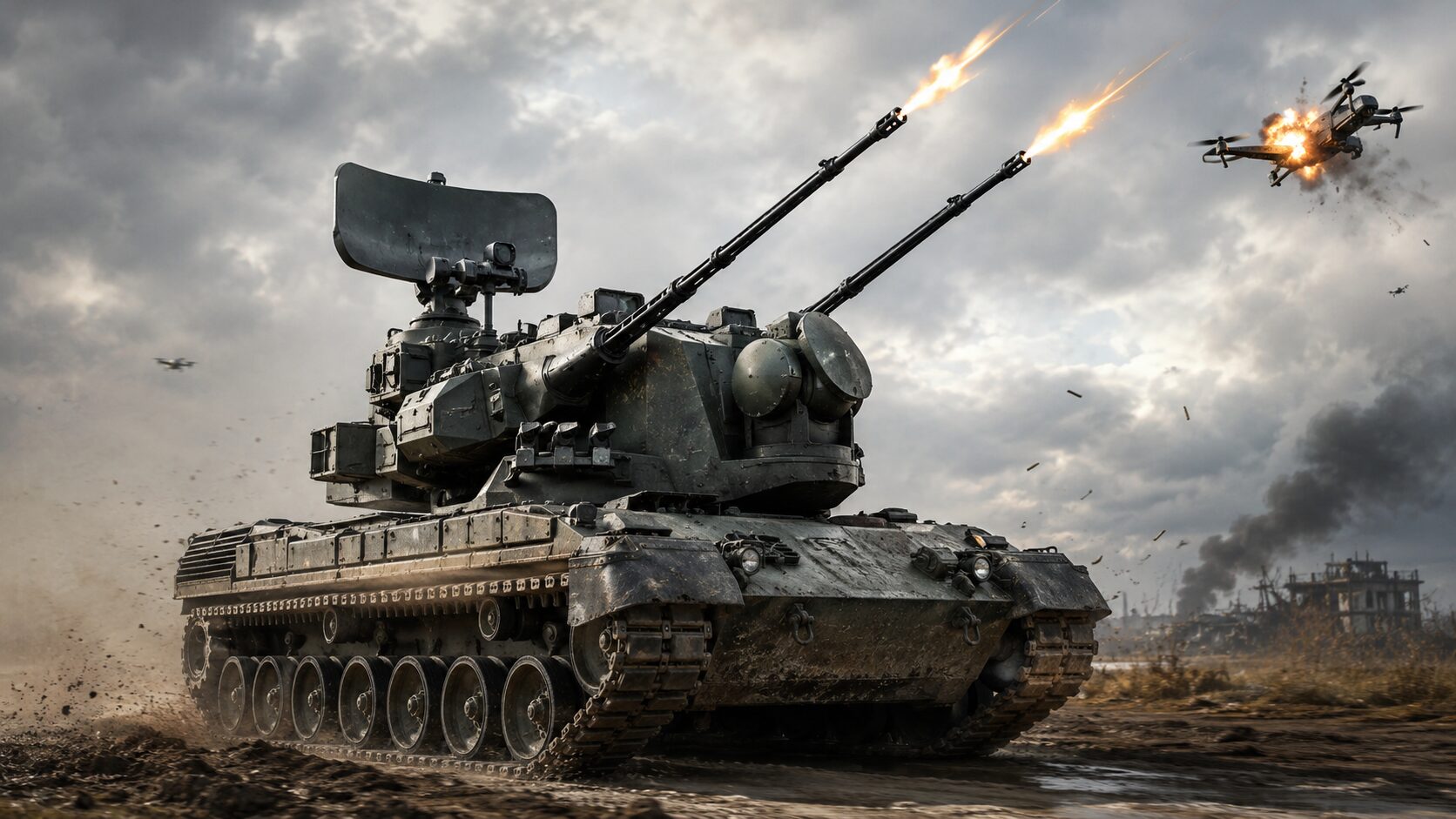
A Return No One Expected
For a long time, the German Gepard seemed like a relic of another era.
Developed during the Cold War, this self-propelled anti-aircraft system was designed for a very specific type of war — one in which NATO forces would have to repel massed attacks by Soviet aircraft and helicopters. It was a machine of its time: complex, expensive, and highly specialized.
By the 2010s, it had been almost completely written off.
Germany removed the Gepard from service, considering it outdated and too costly to maintain. The logic seemed clear: modern warfare was shifting toward missile systems, and gun-based air defense appeared to be losing relevance.
But history had other plans.
What the Gepard Actually Is
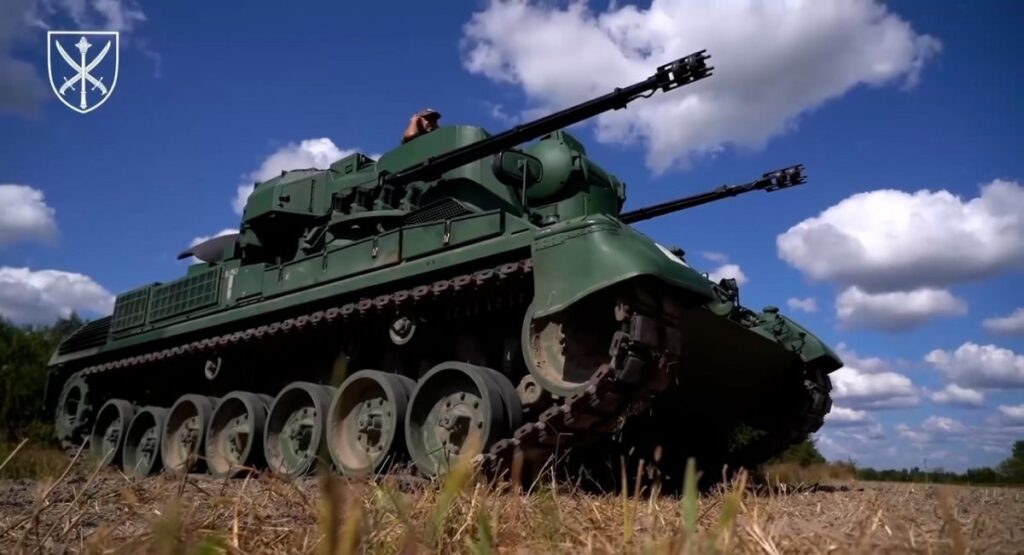
At its core, the Gepard is not a tank — though it looks like one.
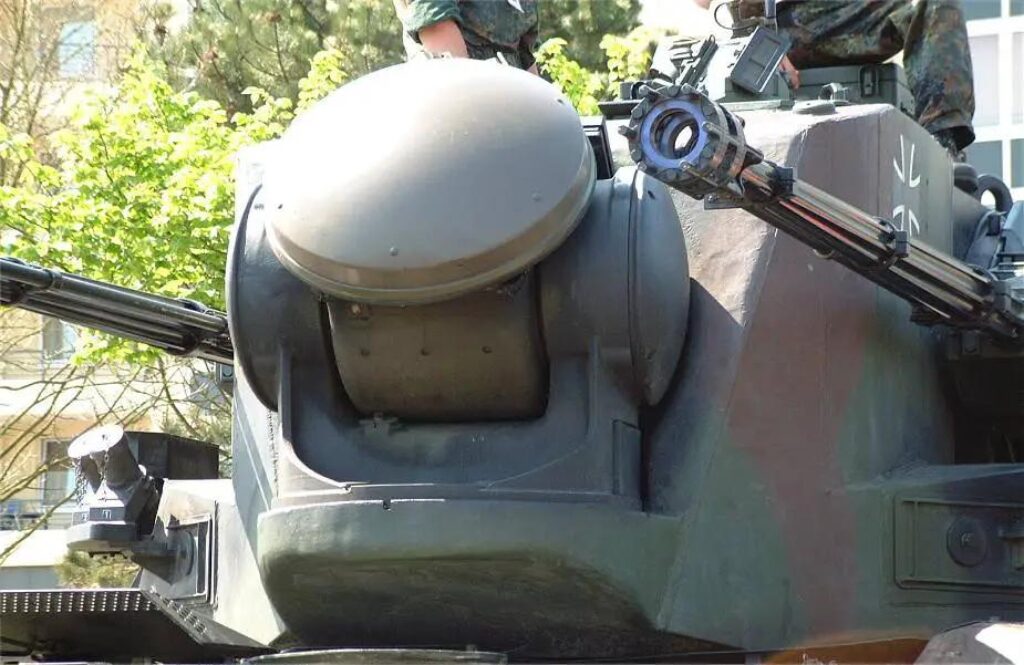
It is a self-propelled anti-aircraft gun built on the chassis of the Leopard 1 tank, combining mobility, radar, and firepower into a single system.
Its main weapon is a pair of 35 mm Oerlikon automatic cannons, capable of firing up to 1,100 rounds per minute combined. These guns are guided by onboard radar, allowing the system to detect, track, and engage targets independently, even in poor weather or at night.
Unlike missile systems, the Gepard relies on dense streams of high-velocity shells rather than single guided interceptors. This gives it a very different role — and a very different set of advantages.
A Machine Built for Reaction
One of the key features of the Gepard is its autonomy.
The vehicle carries both a search radar and a tracking radar, allowing it to operate as a self-contained air defense unit. It can detect targets at distances of up to 15 kilometers and engage them within a range of several kilometers.
This creates an important tactical effect: extremely short reaction time.
Where missile systems may require coordination and preparation, the Gepard can open fire almost immediately after detecting a target. In a fast-changing battlefield environment, this matters more than raw range.
Why It Was Written Off
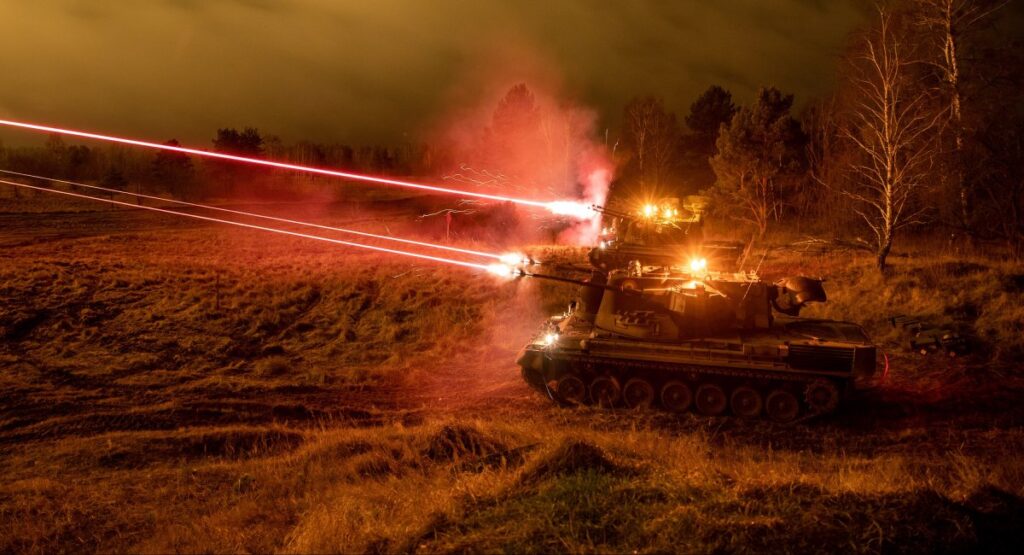
The logic behind abandoning the Gepard was not irrational.
After the Cold War, the likelihood of large-scale air battles in Europe declined sharply. Military planning shifted toward expeditionary operations, where heavy, radar-equipped gun systems had limited utility.
At the same time, the Gepard was expensive to operate. Its radar systems, specialized ammunition, and maintenance requirements made it a costly asset in a period of defense cuts.
Missile systems seemed to offer a cleaner, more modern solution.
So the Gepard quietly left the stage.
The War That Changed Everything
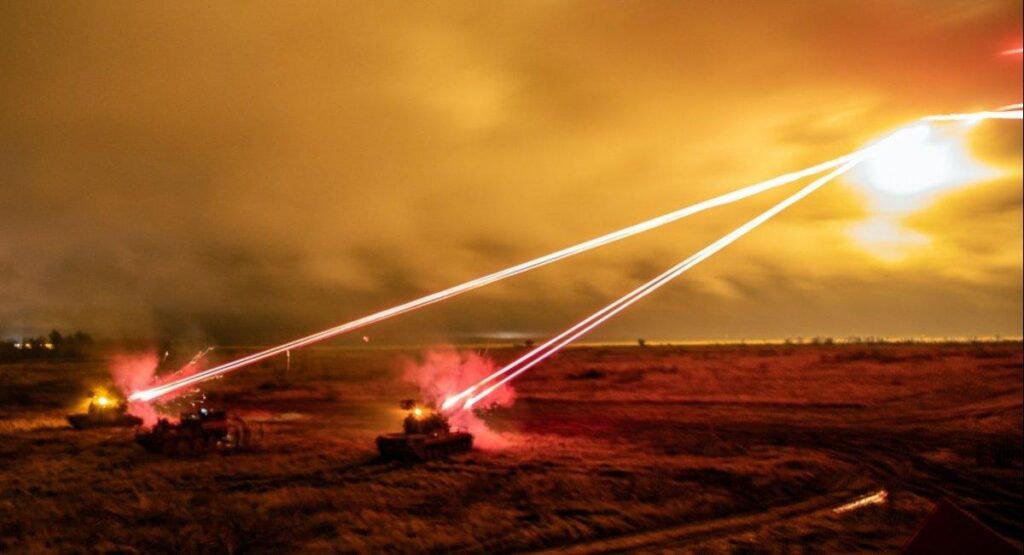
The large-scale war in Ukraine brought a very different reality.
Instead of high-speed jets alone, the battlefield became saturated with drones — cheap, small, and numerous. Cruise missiles and low-flying targets also became a constant threat.
This is precisely the environment where the Gepard excels.
Its 35 mm ammunition is significantly cheaper than missiles, making it far more suitable for engaging low-cost targets like drones. The high rate of fire and radar guidance allow it to reliably hit small, fast-moving objects — something many missile systems struggle with.
In other words, a system once considered obsolete suddenly became highly relevant again.
Not a Relic, but a Niche Weapon
The Gepard does not replace modern air defense systems — and was never meant to.
It operates in a specific niche: short-range, rapid-response air defense against low-altitude targets. It protects troops, infrastructure, and key positions where reaction time and cost-efficiency are critical.
Its armor is relatively light, its range is limited, and it cannot engage targets at long distances.
But within its role, it is extremely effective.
A Second Life for an Old Concept
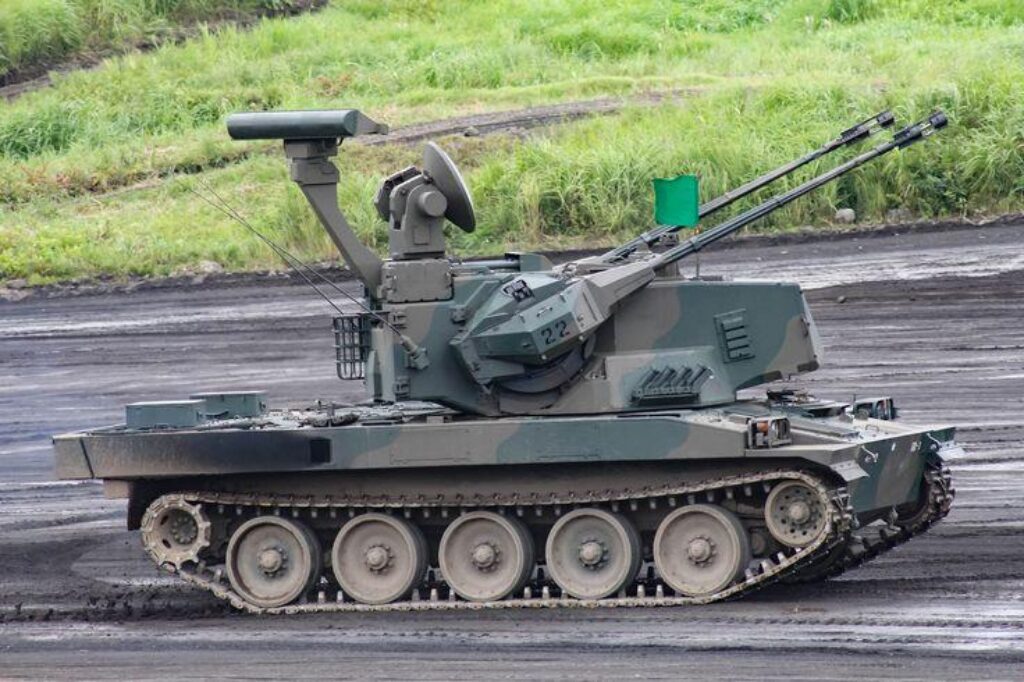
The story of the Gepard is not just about one machine.
It is about how concepts in military technology can return.
Gun-based air defense, once seen as outdated, has proven to be highly relevant in a world of drones and asymmetric threats. Modern systems are now being developed along similar lines — combining radar with rapid-fire cannons.
The Gepard did not simply return to service.
It revealed that the future of air defense may, in part, look like its past.
A Weapon That Was Never Truly Obsolete
In hindsight, the Gepard was not ahead of its time — but it was not behind it either.
It was built for a type of war that disappeared… and then came back in a different form.
And when that happened, the “written-off” system returned to the battlefield — not as a relic, but as a solution.






